

Key Takeaways
- Prioritize whole foods native to Australia for better nutrition
- Hydrate according to local climate conditions
- Balance macronutrients at every meal
- Consult healthcare professionals for personalized adjustments
Why a Tailored Meal Plan Matters for Australian Adults Over 40

For Australian adults over 40, a weight loss meal plan must address age-related metabolic shifts and lifestyle factors unique to the region. As the body ages, muscle mass declines, and hormonal changes—particularly in insulin sensitivity and thyroid function—can reduce calorie-burning efficiency. Research from the Australian Institute of Health and Welfare highlights that 67% of adults in this demographic are overweight or obese, emphasizing the need for targeted nutritional strategies. A plan designed for this group prioritizes nutrient density, climate-adapted ingredients, and cultural dietary preferences to ensure sustainability and effectiveness.
Hormonal changes affecting metabolism
After 40, declining levels of hormones like estrogen, testosterone, and growth hormone contribute to slower metabolism and increased fat retention. Insulin resistance may develop, making blood sugar management critical. The University of Sydney’s Charles Perkins Centre notes that aging Australians often experience reduced physical activity and altered gut microbiota, compounding these effects. A meal plan counteracts this by incorporating low-glycemic foods, adequate protein to preserve muscle mass, and anti-inflammatory ingredients like omega-3-rich seafood, which is abundant in Australia’s coastal regions.
Addressing common nutrient deficiencies
Australian adults frequently lack vitamin D (due to indoor lifestyles despite sunny weather), calcium (linked to osteoporosis risk), and magnesium (essential for muscle function). A 2021 report by the Australian Bureau of Statistics found 29% of adults over 40 have inadequate calcium intake. The meal plan addresses this by including dairy alternatives like fortified plant milks, leafy greens such as spinach, and native superfoods like macadamia nuts—high in magnesium and healthy fats. Iron deficiency, common in postmenopausal women and older men, is remedied through lean red meat (sourced sustainably in Australia) and vitamin C-rich pairings like bell peppers to enhance absorption.
Key Components of an Effective Weight Loss Meal Plan
Successful weight loss for Australians over 40 hinges on three pillars: macronutrient balance, portion control, and behavior change strategies. The National Health and Medical Research Council (NHMRC) recommends a protein intake of 1.0–1.2g/kg of body weight for adults over 65, but starting this focus at 40 helps prevent sarcopenia. Combining protein with fiber and healthy fats creates satiety, reducing cravings and overeating.
Balancing protein, fiber, and healthy fats
Each meal should feature 20–30g of protein to maintain lean mass. Australian sources like grilled fish with omega-3s, eggs, or legumes for vegetarians align with local availability. Fiber from whole grains (e.g., barley, brown rice) and vegetables like sweet potatoes supports gut health and steady energy release. Healthy fats—such as avocado on wholegrain toast or macadamia nut sprinkles on salads—aid nutrient absorption and hormonal balance. For example, a lunch of quinoa salad with chickpeas, roasted pumpkin, and a tahini dressing delivers all three macronutrients while utilizing seasonal produce.
Portion control and mindful eating strategies
Australian adults often underestimate portion sizes. The Australian Dietary Guidelines recommend filling half the plate with vegetables, a quarter with lean protein, and a quarter with whole grains. Using smaller plates and measuring cups initially helps train visual awareness. Mindful eating—turning off screens, chewing slowly, and pausing between bites—encourages recognition of fullness cues. Studies from Deakin University suggest that individuals who eat mindfully consume 10–20% fewer calories at meals due to delayed gastric emptying and improved satiety signaling.
Incorporating Australian Superfoods and Seasonal Produce
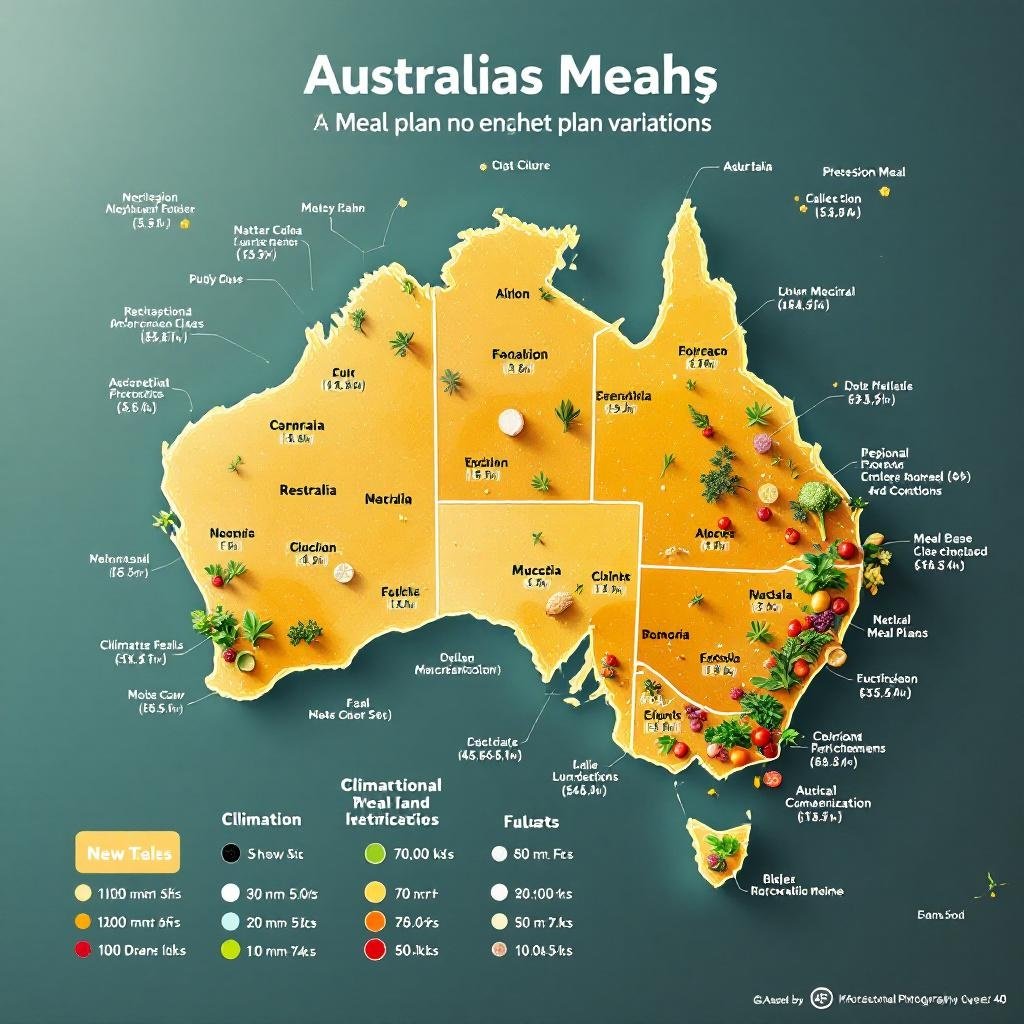
Native Australian ingredients and seasonal produce offer cost-effective, nutrient-rich options. These foods align with local ecosystems and cultural preferences, increasing adherence to meal plans. For instance, the NHMRC notes that Aboriginal communities have utilized these foods for millennia, validating their nutritional and medicinal value through anecdotal and emerging clinical evidence.
Benefits of native ingredients like macadamia nuts and finger limes
Macadamia nuts, containing 78g of fat per 100g (mostly monounsaturated), support heart health and provide calcium, magnesium, and antioxidants. Finger limes, rich in vitamin C and antioxidants, enhance immunity and collagen production. A breakfast smoothie with frozen mango, low-fat Greek yogurt, and a tablespoon of macadamia nut butter exemplifies a local twist on a weight-loss-friendly snack. Kangaroo meat, leaner than beef and high in iron and B12, serves as a sustainable protein source best grilled to retain nutrients.
Seasonal eating for cost-effective nutrition
Seasonal produce like asparagus (spring), zucchini (summer), and brassicas (winter) are fresher, tastier, and often 30–50% cheaper than out-of-season alternatives. The Australian Food and Grocery Council reports that buying local reduces transport emissions, aligning with eco-conscious values in older populations. A winter stew with lamb, parsnips, and swede uses hearty root vegetables, while a summer lunch of grilled prawns with watermelon and mint showcases light, hydrating ingredients ideal for warmer climates.
Tips for Sticking to Your Meal Plan in Different Australian Climates
Australia’s diverse climates—from tropical north to temperate south—require adaptable meal planning. Coastal regions may have year-round fresh seafood access, while inland areas might rely on preserved or frozen options during dry seasons. Adapting hydration and activity levels to weather conditions is equally crucial for long-term success.
Adapting meals for coastal vs inland regions
In coastal areas, emphasize seafood and tropical fruits like mangoes and bananas. For inland regions with hotter, drier climates, focus on drought-resistant crops such as lentils, chickpeas, and hard squash. Barley and millet, which thrive in arid zones, provide complex carbs with low water footprints. A one-pot meal of pearl barley, lentils, and root vegetables simmers well in inland kitchens, whereas a coastal dinner might feature grilled mackerel with steamed green beans.
Staying hydrated in extreme weather conditions
Australians over 40 need 2.0–2.6 liters of fluids daily, increasing in heatwaves or humidity. Thirst perception declines with age, so setting water intake goals (e.g., 500ml by lunch) is vital. Infuse water with native ingredients like lemon myrtle or finger lime zest for flavor without sugar. Avoid overconsumption of caffeine and alcohol, which dehydrate. During heatwaves, prioritize hydrating foods like watermelon, cucumbers, and soups with high broth content to maintain electrolyte balance.
Frequently Asked Questions
Q: Are meal plans different for Australian climates?
A: Yes, climate affects food availability and hydration needs. Coastal regions may emphasize seafood, while inland areas rely on hardy crops. Adjustments like using frozen vegetables in drought-prone zones or prioritizing cooling foods in summer help maintain consistency across seasons.
Q: How to handle social events while dieting?
A: Plan ahead by eating balanced meals beforehand and choosing lower-calorie options mindfully during events. At barbecues, focus on grilled vegetables and lean meats instead of fatty sausages. For potlucks, bring a healthy dish like a lentil salad to share.
Q: Is exercise necessary with a meal plan?
A: Combining nutrition with regular activity improves results. Aim for 150 minutes weekly of moderate-intensity exercise like brisk walking or swimming. Strength training twice weekly preserves muscle mass, crucial for maintaining metabolism during weight loss.
Q: Can I follow this plan with dietary restrictions?
A: Yes, consult a nutritionist to customize the plan while meeting your specific health requirements. Lactose intolerance, gluten-free needs, or plant-based preferences can all be accommodated by substituting key ingredients while retaining nutritional balance.
Key Takeaways
- Prioritize whole foods native to Australia: Incorporate macadamia nuts, seafood, and seasonal produce for bioavailable nutrients and sustainability.
- Hydrate according to local climate conditions: Increase fluid intake in heatwaves and use hydrating foods like watermelon and soups.
- Balance macronutrients at every meal: Combine protein, fiber, and healthy fats to stabilize blood sugar and promote satiety.
- Consult healthcare professionals for personalized adjustments: Tailor the plan to address medical conditions like diabetes or hypertension under expert guidance.
By aligning nutritional choices with age-related needs, Australian landscapes, and practical lifestyle adjustments, adults over 40 can achieve sustainable weight loss and improved wellbeing. This plan’s flexibility allows it to adapt to regional variations while maintaining a foundation of evidence-based practices and cultural relevance.
Frequently Asked Questions
Are meal plans different for Australian climates?
Yes, climate affects food availability and hydration needs. Adjustments can help maintain consistency across seasons.
How to handle social events while dieting?
Plan ahead by eating balanced meals beforehand and choosing lower-calorie options mindfully during events.
Is exercise necessary with a meal plan?
Combining nutrition with regular activity improves results. Aim for 150 minutes weekly of moderate-intensity exercise.
Can I follow this plan with dietary restrictions?
Yes, consult a nutritionist to customize the plan while meeting your specific health requirements.
Disclaimer: This article is for informational purposes only and does not constitute medical advice. Always consult a qualified healthcare provider before making changes to your health regimen.