

Key Takeaways
- Herbal formulas may support hormonal balance and energy levels
- Quality assessment involves checking ingredient transparency and certifications
- Consulting healthcare providers ensures safe supplementation
- Consistent use combined with healthy habits maximizes benefits
Understanding Women’s Health Herbal Formulas
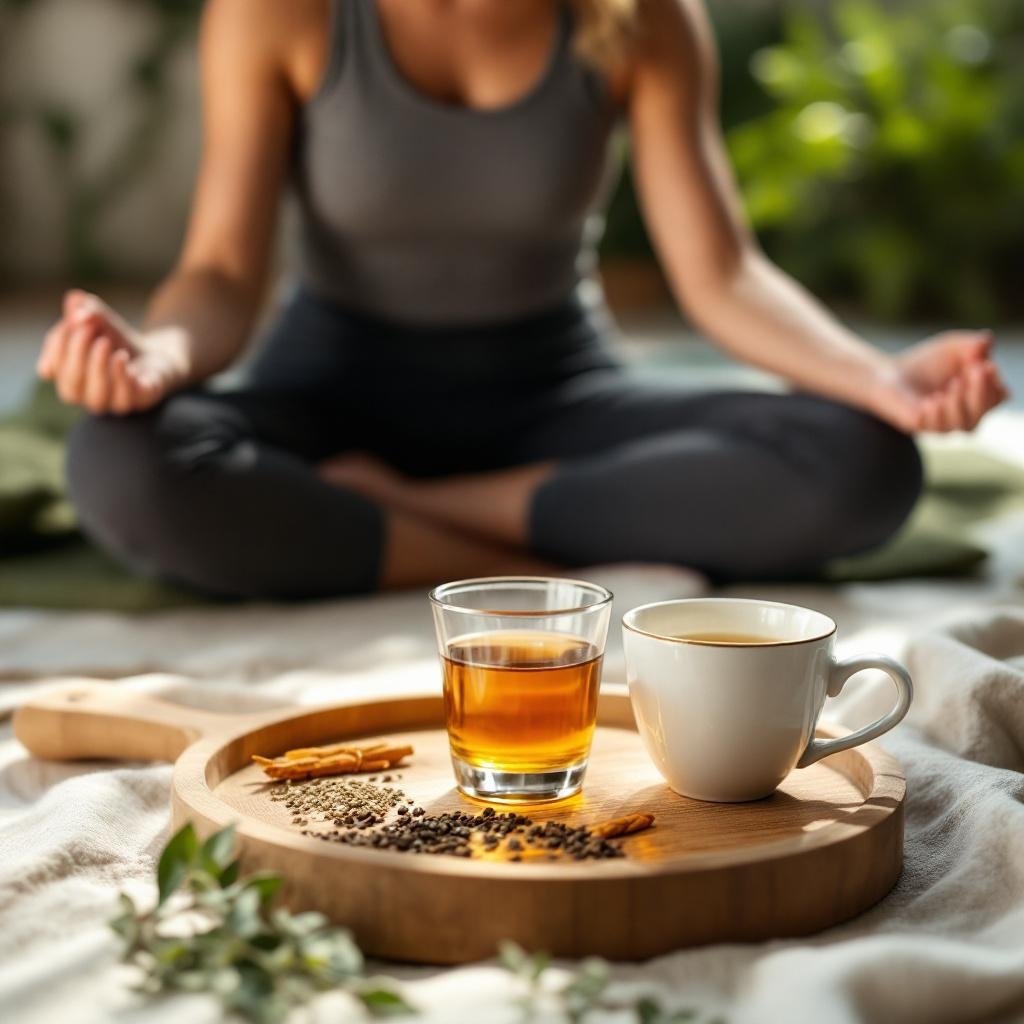
women’s health herbal formulas are carefully crafted blends designed to address physiological and emotional changes unique to women, particularly during midlife transitions. Rooted in centuries-old traditions like Ayurveda and Traditional Chinese Medicine (TCM), these formulas often combine adaptogenic herbs, botanicals, and nutritive plants to support hormonal equilibrium and overall vitality. According to the National Institutes of Health (NIH), approximately 70% of menopausal women use complementary approaches—including herbal supplements—to manage symptoms like hot flashes and sleep disturbances. Modern formulations build on this legacy by integrating scientific research with traditional wisdom, offering targeted support for modern challenges.
Adaptogenic Herbs for Hormonal Balance
Adaptogens like ashwagandha, rhodiola, and holy basil help the body adapt to stress—a key factor in hormonal imbalances. These herbs interact with the hypothalamic-pituitary-adrenal (HPA) axis to regulate cortisol levels, which may indirectly support estrogen and progesterone balance. A 2022 review in *Phytotherapy Research* highlighted ashwagandha’s potential to improve thyroid function and reduce stress markers, both crucial for women over 40 experiencing hormonal shifts. Other adaptogens, such as rehmannia and licorice root, are often included to support adrenal function and mitigate fatigue.
Traditional Roots in Women’s Wellness
Historically, women have turned to botanical remedies during life transitions. Black cohosh, used by Native American tribes for menstrual irregularities, remains one of the most studied herbs for menopause. Dong quai, a staple in TCM known as “female ginseng,” is traditionally combined with other herbs to nourish blood and support reproductive health. While cultural practices vary, the common thread lies in using whole-plant synergy rather than isolated compounds. Experts caution that while traditional use informs current formulations, modern products should be evaluated through the lens of contemporary clinical research.
Key Benefits of Herbal Wellness Formulas
When chosen thoughtfully, herbal formulas may offer multifaceted benefits for women navigating hormonal changes. While individual responses vary, consistent use combined with healthy lifestyle habits appears to yield the most promising results
Support for Menopausal Transitions
Phytoestrogenic herbs such as red clover and hops contain plant compounds that mimic mild estrogen activity. A 2020 meta-analysis in *Maturitas* found that red clover extracts reduced hot flash frequency by 20% compared to placebo over 12 weeks. Non-estrogenic herbs like chaste tree berry (vitex) work differently—supporting pituitary gland function to help regulate progesterone levels. Formulas targeting sleep disturbances might include valerian root or lemon balm, which interact with GABA receptors to promote restorative sleep without dependency.
Energy and Vitality Boosters
Adaptogenic blends often combine eleuthero root and schisandra berries to enhance cellular energy production. These herbs may improve mitochondrial efficiency while supporting adrenal function to combat midday fatigue. Cordyceps mushroom, studied for its ATP-enhancing properties, is increasingly incorporated into women’s formulas. For those feeling depleted after years of chronic stress, combinations of astragalus and nettle leaf provide mineral-rich nourishment alongside gentle immune support. Research suggests adaptogens work best when taken consistently over several weeks.
How to Choose the Right Herbal Formula
Selecting quality products requires a discerning eye. With over 85,000 herbal supplements available in the U.S. market alone, understanding labeling conventions and quality markers is essential for safety and efficacy.
Evaluating Quality and Purity
Look for third-party certifications like NSF International or USP Verified, which indicate independent testing for potency and contaminants. Transparent labeling should specify the plant part used (e.g., root vs. leaf), extraction method, and standardization if applicable. Avoid products listing “proprietary blends” without revealing ingredient amounts. Check for allergen statements and ensure manufacturing adheres to Current Good Manufacturing Practices (CGMPs). Be wary of exaggerated claims—reputable manufacturers reference clinical studies without promising miracle results.
Recognizing Body-Specific Needs
Consider your unique health profile: women with breast cancer histories might avoid concentrated phytoestrogens, while those with autoimmune conditions should consult healthcare providers about immune-modulating herbs. Digestive sensitivity influences whether capsules, tinctures, or teas work best. Track symptoms in a journal to identify patterns that might respond to targeted formulas. For instance, persistent afternoon energy crashes could indicate adrenal fatigue better addressed by adaptogens than stimulant-based herbs.
Incorporating Herbal Formulas into Your Daily Routine

Successful integration depends on aligning supplementation with circadian rhythms and lifestyle factors. Morning formulas often contain energizing adaptogens, while nighttime blends prioritize calming nervines.
Morning Rituals with Herbal Supplements
Start with adaptogenic tea blends containing tulsi and licorice root to gently stimulate cortisol production for sustained energy. Take standardized ashwagandha capsules with breakfast to support stress resilience throughout the day. Consider pairing adaptogen powders with smoothies or oatmeal for enhanced absorption. For travel-induced stress, portable herbal sachets containing calming lemon verbena and invigorating ginger can help maintain balance during hectic schedules.
Evening Wind-Down Herbal Practices
Replace electronic screen time with calming herbal infusions. Chamomile and passionflower teas support GABA activity to ease transition into sleep. Magnesium-rich blends containing cramp bark and motherwort may alleviate physical tension. Apply diluted aromatherapy oils with calming herbs like lavender to pulse points before bed. For emotional balance, nervine-rich tinctures combining oat straw and skullcap can be taken 30 minutes before rest.
Frequently Asked Questions
What herbs support women’s hormonal health?
A: Herbs like ashwagandha and black cohosh may help balance hormones. Always consult your doctor before starting any supplement regimen.
Can herbal formulas improve menopause symptoms?
A: Some women find relief from hot flashes and mood swings using herbal blends containing sage or red clover. Research suggests these may offer mild benefits.
How long until results appear?
A: Effects can vary, but many women notice gradual improvements over 4-6 weeks. Consistency and quality products are key factors.
Are herbal formulas safe with medications?
A: Interactions may occur. Always consult your healthcare provider before combining herbal supplements with prescription medications.
Frequently Asked Questions
What herbs support women’s hormonal health?
Herbs like ashwagandha and black cohosh may help balance hormones. Always consult your doctor before starting any supplement regimen.
Can herbal formulas improve menopause symptoms?
Some women find relief from hot flashes and mood swings using herbal blends containing sage or red clover. Research suggests these may offer mild benefits.
How long until results appear?
Effects can vary, but many women notice gradual improvements over 4-6 weeks. Consistency and quality products are key factors.
Are herbal formulas safe with medications?
Interactions may occur. Always consult your healthcare provider before combining herbal supplements with prescription medications.
Disclaimer: This article is for informational purposes only and does not constitute medical advice. Always consult a qualified healthcare provider before making changes to your health regimen.