
Key Takeaways
- Focus on strength training to maintain muscle mass
- Prioritize consistency over intensity for long-term success
- Hydrate and fuel your body with nutrient-dense foods
- Always warm up and cool down to prevent injuries
Why Fitness Matters After 40
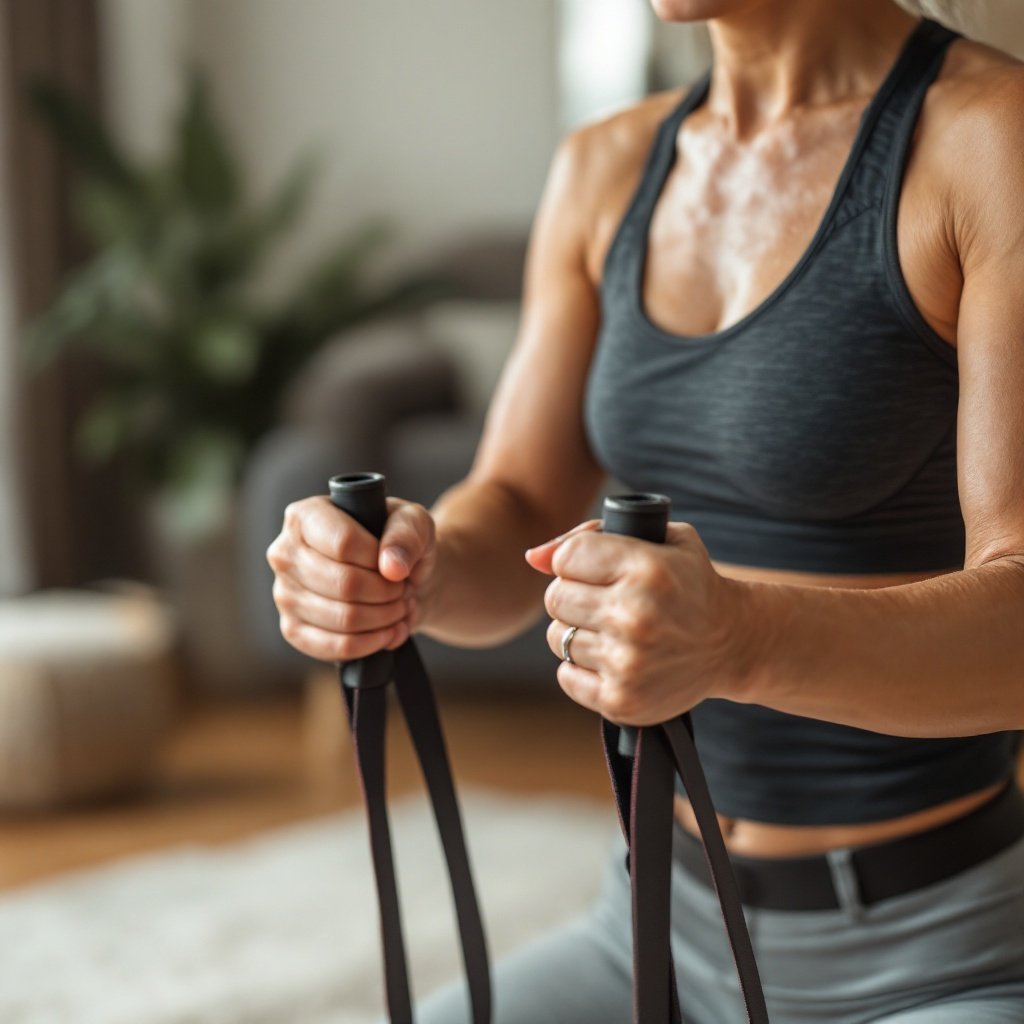
Regular physical activity is essential for women over 40 to maintain overall health and vitality. As estrogen levels decline with age, maintaining muscle mass becomes more challenging, increasing the risk of chronic conditions like osteoporosis and type 2 diabetes. According to the Centers for Disease Control and Prevention (CDC), adults should engage in at least 150 minutes of moderate-intensity aerobic activity weekly, but women in this age group benefit significantly from exceeding these minimums. Research from Harvard T.H. Chan School of Public Health highlights that consistent exercise can reduce the risk of heart disease—the leading cause of death for women over 40—by improving cholesterol levels and blood pressure. Additionally, fitness routines that include strength training and flexibility work help counteract age-related declines in bone density and joint mobility, enabling long-term independence and quality of life.
Boosting Metabolism and Bone Density
After 40, metabolic rate naturally slows by 5% every decade, making weight management more challenging. Strength training, such as resistance band workouts or bodyweight exercises, helps mitigate this by increasing lean muscle mass. A 2022 study in the Journal of Aging and Physical Activity found that women who engaged in twice-weekly strength sessions experienced 3% higher bone mineral density compared to sedentary peers. Weight-bearing activities like brisk walking or stair climbing further stimulate bone growth while improving cardiovascular health. Combining these approaches creates a synergistic effect, ensuring both muscular and skeletal resilience.
Improving Mental Health and Energy Levels
The physiological benefits of exercise extend to mental well-being. The American Psychological Association notes that regular physical activity can reduce symptoms of anxiety and depression by up to 40%, attributed to increased endorphin production and improved sleep quality. For women navigating perimenopause, where fatigue and mood swings are common, structured exercise provides a natural energy boost. A 2021 meta-analysis in Frontiers in Psychiatry confirmed that 30-minute cardio sessions three times weekly improved perceived energy levels in middle-aged participants. Mind-body practices like tai chi or Pilates enhance these effects by promoting mindfulness and stress reduction, fostering holistic wellness.
Best Types of Exercise for Women Over 40
A well-rounded fitness regimen for women over 40 includes three core components: strength training, cardiovascular activity, and flexibility work. This combination addresses age-related concerns while accommodating changing energy levels and physical capabilities. The American College of Sports Medicine recommends incorporating all three categories weekly to optimize functional fitness and reduce injury risk.
Strength Training Basics
Beginners should start with light resistance and higher repetitions to build foundational strength. Focus on compound movements like squats, push-ups (modified as needed), and bent-over rows using dumbbells or resistance bands. Aim for two 20-minute sessions weekly, allowing at least 48 hours of recovery between workouts. Proper form—maintaining neutral spine alignment and controlled motion—is critical for preventing strain. As proficiency develops, gradually increase resistance to continue challenging muscles without compromising technique.
Low-Impact Cardio Options
Joint-friendly cardio activities are ideal for reducing stress on knees and hips while improving heart health. Swimming, cycling, and elliptical training provide effective aerobic conditioning with minimal impact. Brisk walking remains a highly accessible option; pedometers or fitness trackers can help meet the recommended 3,000-4,000 steps daily beyond normal activity. Interval training—alternating one-minute bursts of higher intensity with two-minute recovery periods—can be safely incorporated into these routines as fitness improves, enhancing caloric burn and cardiovascular adaptation.
Flexibility and Balance Routines
Practicing yoga or dynamic stretching 2-3 times weekly helps maintain range of motion and reduces fall risk. The NIH-funded Tai Chi for Arthritis program demonstrated a 47% reduction in falls among older adults practicing balance-focused routines. Simple exercises like single-leg stands or heel-to-toe walks can be done daily. Incorporate stretching after warm-ups or workouts when muscles are most pliable, holding each position for 20-30 seconds without bouncing. Prioritize major muscle groups: hamstrings, hip flexors, shoulders, and calves.
Nutrition Tips to Support Your Fitness Goals
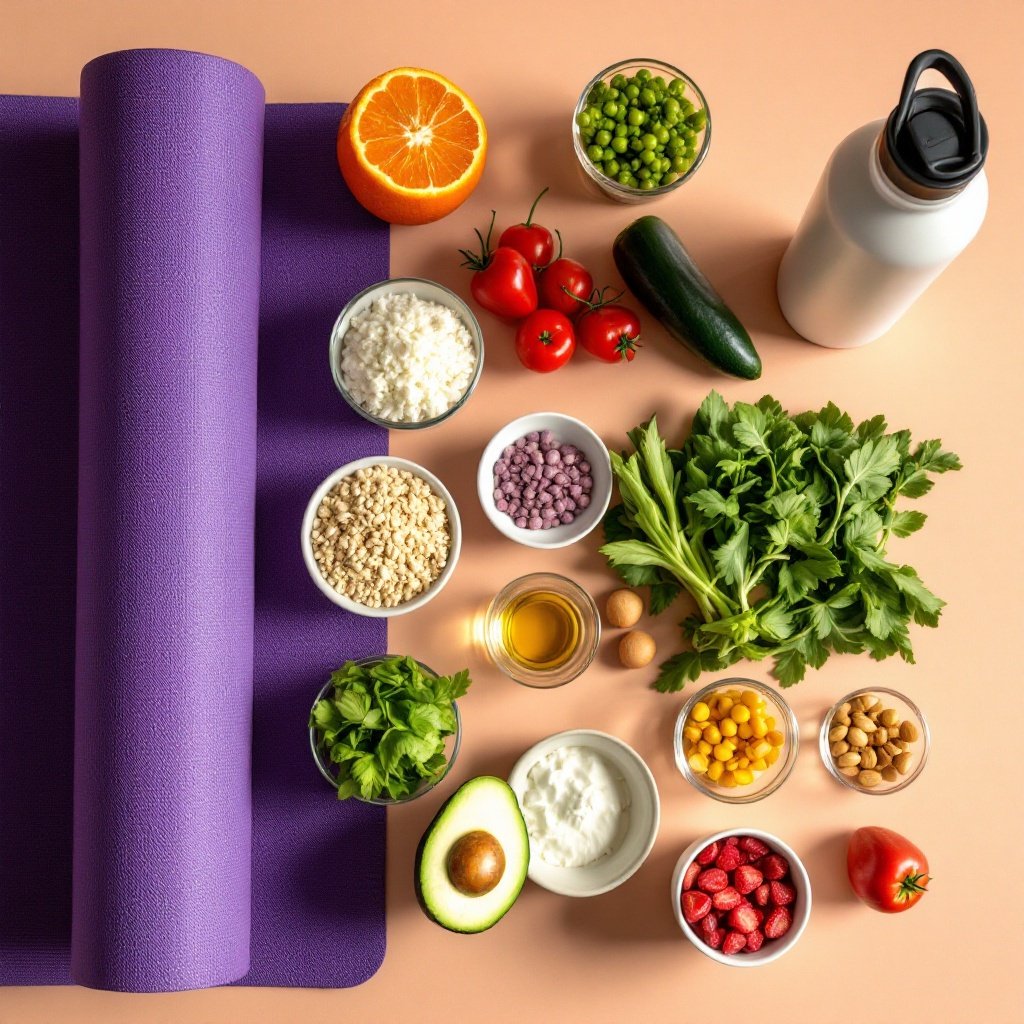
Optimal nutrition enhances exercise outcomes and supports recovery. Women over 40 require more strategic nutrient timing and increased protein intake to preserve muscle mass, as outlined by the Academy of Nutrition and Dietetics. Individualized plans—considering activity levels, health history, and goals—are recommended for sustained success.
Hydration and Protein Needs
Thirst sensation diminishes with age, increasing dehydration risk during workouts. The National Academies of Science recommends approximately 2.7 liters (91 oz) of total daily fluid intake, including all beverages and food moisture. Post-exercise, aim for 16-24 oz of water per pound of weight lost through sweat. Protein requirements increase to 1.0-1.2g per kilogram of body weight daily for active women over 40 to support muscle repair. Incorporate lean proteins like fish, eggs, and plant-based sources—such as lentils or quinoa—at every meal, spacing intake evenly across 3-4 servings.
Balancing Macros for Sustained Energy
Complex carbohydrates and healthy fats provide sustained energy for workouts and recovery. The 2020-2025 Dietary Guidelines for Americans suggest 45-65% of calories from carbs, 20-35% from fats, and 10-35% from protein. For pre-workout fuel, combine whole grains with a small protein source 1-2 hours before exercising. Post-workout meals should emphasize carbohydrates to replenish glycogen stores—research from the Journal of the International Society of Sports Nutrition shows a 3:1 carb-to-protein ratio optimizes recovery. Prioritize whole foods over supplements for better gut health and nutrient absorption.
How to Stay Consistent with Workouts
Consistency trumps intensity when building lifelong fitness habits. Women who maintain active lifestyles past 40 often incorporate strategies that create accountability while minimizing burnout. The National Council on Aging emphasizes that enjoyment and social support significantly increase adherence to exercise programs.
Setting Realistic Goals
Begin with SMART (Specific, Measurable, Achievable, Relevant, Time-bound) objectives. For example: “Walk 30 minutes three times weekly before my 10-week health check-up.” Track progress using habit charts or fitness apps that provide visual feedback. Celebrate small wins with non-food rewards—like a new workout playlist or wellness book—to reinforce positive associations. Avoid all-or-nothing thinking; research shows that even 10-minute movement breaks positively impact cardiovascular health.
Creating a Routine That Fits Your Lifestyle
Exercise should complement rather than complicate daily life. For busy schedules, consider 15-minute “exercise snacks” throughout the day—research from the University of Toronto shows accumulated short sessions yield similar benefits to longer workouts. Pair fitness with social activities by joining walking groups or virtual classes. Morning exercisers often report higher adherence, but ultimately, choose the time that aligns with personal energy patterns. Home workouts using online platforms offer flexibility for those with mobility constraints or unpredictable routines.
Tracking Progress for Motivation
Use wearable devices or journals to record metrics beyond weight, such as steps taken, workout duration, or perceived energy levels. The Framingham Heart Study found participants who tracked waist circumference showed greater visceral fat reduction than those focusing solely on scale weight. Photographic progress or mobility benchmarks (e.g., number of chair stands in 30 seconds) provide tangible evidence of improvement. Regularly review tracking data to adjust goals—celebrate plateaus as maintenance achievements rather than setbacks.
Avoiding Common Fitness Injuries
Preventing injuries requires mindful training and attention to physical signals. The American Orthopaedic Society for Sports Medicine reports that 70% of exercise-related injuries in middle-aged women stem from overtraining or improper form. Implementing preventative strategies ensures uninterrupted progress.
Importance of Proper Warm-Ups
Dynamic warm-ups—active movements mimicking workout motions—prepare muscles more effectively than static stretching before exercise. Spend 5-10 minutes on leg swings, arm circles, and torso twists to increase blood flow to working tissues. A 2023 review in Sports Medicine found that movement-specific warm-ups reduced injury risk by 35% in masters athletes. Cool-downs should include foam rolling and static stretching to aid circulation and reduce post-exercise soreness, particularly for tight areas like hip flexors and calves.
Choosing Appropriate Equipment
Proper footwear and equipment selection significantly impact injury prevention. Replace running shoes every 300-500 miles to maintain support. For home workouts, choose adjustable dumbbells to accommodate progressive overload safely. Resistance bands with varying tension levels allow scaling exercises to individual strength. Consult fitness professionals when selecting specialized gear like yoga mats or balance cushions to ensure proper support and stability for joint-sensitive movements.
Listening to Your Body’s Signals
Distinguishing between normal exertion and harmful pain is crucial. Sharp or localized discomfort during movement indicates the need to stop and reassess form. The “talk test” remains a useful intensity gauge—exercise should allow conversation but not singing. Persistent soreness beyond 72 hours suggests overexertion; prioritize recovery activities like swimming or gentle yoga. If pain recurs despite modifications, consult a physical therapist for personalized movement analysis—women over 40 may benefit from gait assessments to prevent chronic issues.
Frequently Asked Questions
Q: How often should women over 40 exercise?
A: Aim for 150 minutes of moderate-intensity cardio weekly, plus strength training 2-3 times. Adjust based on individual needs.
Q: Can fitness help manage menopause symptoms?
A: Research suggests regular exercise may reduce hot flashes and improve mood. Consult your doctor for personalized advice.
Q: What if I have joint pain?
A: Low-impact activities like swimming or yoga may help. Always consult a healthcare provider for persistent discomfort.
Q: How to start a fitness journey after 40?
A: Begin with gentle exercises, prioritize form over intensity, and consider working with a certified trainer initially.
Key Takeaways
- Focus on strength training to maintain muscle mass
- Prioritize consistency over intensity for long-term success
- Hydrate and fuel your body with nutrient-dense foods
- Always warm up and cool down to prevent injuries
Frequently Asked Questions
How often should women over 40 exercise?
Aim for 150 minutes of moderate-intensity cardio weekly, plus strength training 2-3 times. Adjust based on individual needs.
Can fitness help manage menopause symptoms?
Research suggests regular exercise may reduce hot flashes and improve mood. Consult your doctor for personalized advice.
What if I have joint pain?
Low-impact activities like swimming or yoga may help. Always consult a healthcare provider for persistent discomfort.
How to start a fitness journey after 40?
Begin with gentle exercises, prioritize form over intensity, and consider working with a certified trainer initially.
Disclaimer: This article is for informational purposes only and does not constitute medical advice. Always consult a qualified healthcare provider before making changes to your health regimen.
- How to Preserve Lean Muscle Mass on GLP-1 Medications After 40
- Magnesium Glycinate vs. L-Threonate for Muscle Recovery & Deep Sleep