

Key Takeaways
- Almond milk is low in calories but varies by brand and formulation.
- Fortified versions may provide calcium and vitamin D for bone health.
- Watch for added sugars in flavored varieties.
- Choose unsweetened almond milk for optimal health benefits.
Nutritional Profile of Almond Milk
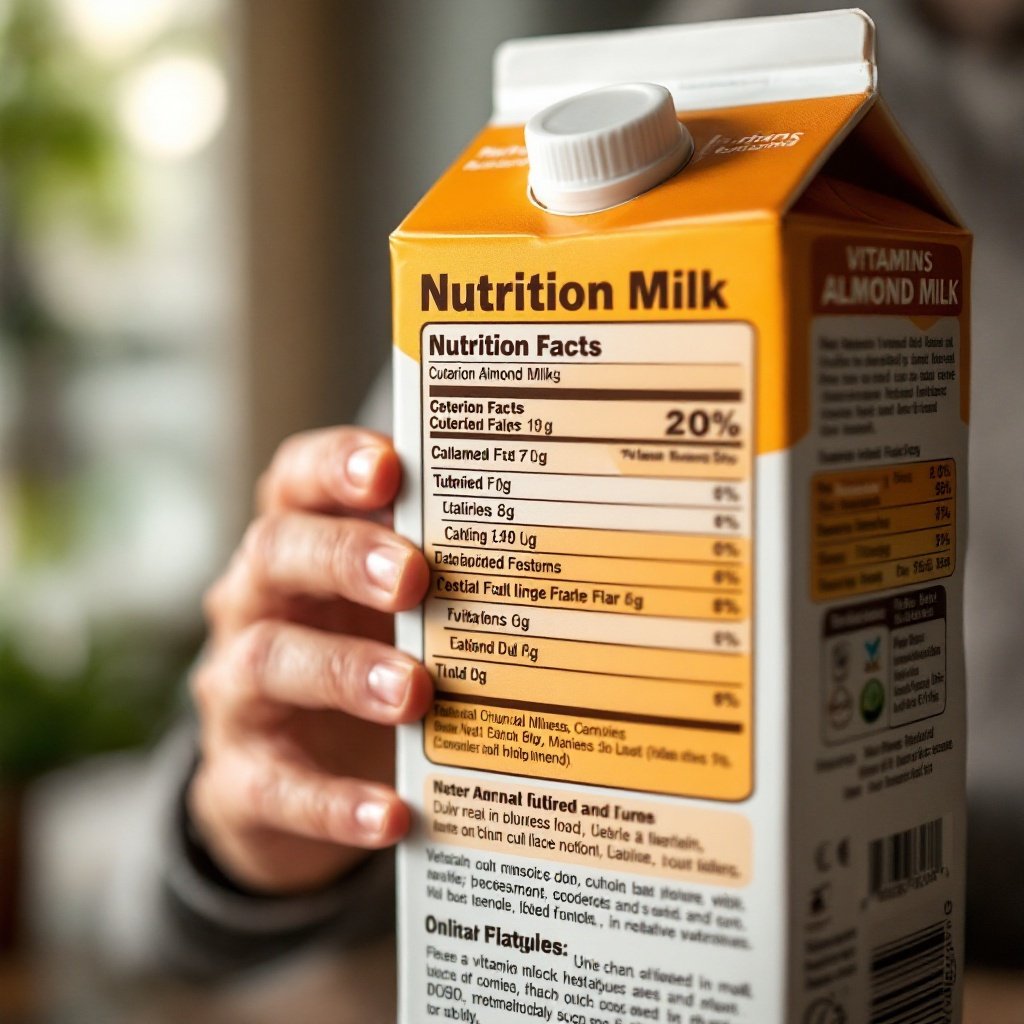
Almond milk offers a low-calorie alternative to dairy milk, making it a popular choice for adults 40+ seeking lighter nutrition. A typical 1-cup (240ml) serving of unsweetened almond milk contains approximately 30–60 calories, 1–2g of protein, 2–3g of fat (primarily heart-healthy monounsaturated fats), and 1–2g of carbohydrates. It naturally contains vitamin E, an antioxidant that supports skin health and immune function, and may be fortified with calcium, vitamin D, and B12 to mimic the nutritional profile of cow’s milk (Harvard T.H. Chan School of Public Health, 2023). However, homemade versions lack these added nutrients unless supplemented intentionally.
Macronutrient Breakdown
While almond milk is naturally low in protein, store-bought varieties often contain 1–2g per serving, significantly less than dairy milk’s 8g. The majority of its calories come from fat, particularly oleic acid, which may improve cholesterol levels. Carbohydrate content varies: unsweetened versions have 1–2g, while sweetened options can reach 15–20g due to added sugars. Individuals managing blood sugar or weight should prioritize unsweetened labels (Mayo Clinic, 2022).
Vitamins and Minerals
Fortification practices mean almond milk often rivals dairy in calcium and vitamin D content, crucial for maintaining bone density in older adults. A 2021 review in *Frontiers in nutrition* noted that fortified almond milk provides up to 45% of the Daily Value (DV) for calcium and 25% for vitamin D per cup. Additionally, its natural vitamin E content (20–50% DV) combats oxidative stress, a concern for aging populations. Phosphorus and potassium support kidney and muscle function, though levels depend on formulation.
Health Benefits of Almond Milk
Adults 40+ may find almond milk beneficial for several age-related health considerations. Its nutrient profile aligns with dietary strategies for cardiovascular wellness, bone maintenance, and weight control.
Heart Health
The monounsaturated fats and low saturated fat content in almond milk support heart health. Research from the American Heart Association (2020) suggests replacing saturated fats with unsaturated alternatives, like those in almond milk, can reduce LDL cholesterol. Almond milk’s lack of cholesterol further benefits cardiovascular function, making it a heart-friendly option compared to whole dairy milk.
Bone Support
Fortified almond milk provides calcium and vitamin D comparable to dairy, addressing osteoporosis risks in aging populations. A 2022 study in *Nutrients* found that postmenopausal women who consumed fortified plant milks had improved bone mineral density. Pairing almond milk with weight-bearing exercise and adequate protein intake enhances skeletal benefits (National Osteoporosis Foundation, 2023).
Weight Management
With fewer calories than dairy milk, almond milk fits into weight management plans. A 2018 study in *Obesity Reviews* noted that low-calorie diets incorporating plant-based milks supported modest weight loss. Unsweetened versions prevent excess sugar intake, which may contribute to abdominal fat accumulation—a metabolic risk factor for adults over 40.
Considerations and Potential Downsides
While almond milk offers benefits, it’s essential to weigh potential concerns, particularly for older adults managing chronic conditions.
Added Sugars
Flavored almond milks often contain 15–20g of added sugars per serving, exceeding the American Heart Association’s recommended daily limit of 25g for women and 36g for men. Excessive sugar intake may increase inflammation and insulin resistance, heightening diabetes and heart disease risks. Always check labels for terms like “vanilla” or “original” to identify sweetened versions and opt for “unsweetened” labels when managing metabolic health.
Allergies and Digestive Issues
Almond milk is unsuitable for those with tree nut allergies, which affect approximately 0.5–1% of U.S. adults (Journal of Allergy and Clinical Immunology, 2021). Additionally, some brands add carrageenan or gums to improve texture, which may cause gastrointestinal discomfort in sensitive individuals. Older adults experiencing bloating or diarrhea after consumption should explore carrageenan-free options or consult a healthcare provider.
How to Choose the Best Almond Milk

Making informed choices ensures almond milk aligns with health goals. Prioritize products with minimal, recognizable ingredients.
Reading Labels
Look for unsweetened varieties with <3g of sugar per serving. Avoid artificial additives and choose brands fortified with calcium, vitamin D, and B12 to compensate for nutrients found in dairy milk. Nutrition labels may also highlight protein content—some newer products add pea protein to enhance nutritional value. Cross-check calcium content against dairy milk’s 300mg per cup to ensure parity.
Homemade vs. Store-Bought
Homemade almond milk avoids preservatives and allows customization, though it lacks fortification unless nutrients are added manually. Soaking and blending raw almonds with water (and optional vanilla or dates) gives full control over ingredients. Store-bought options offer convenience and consistent nutrient profiles but may cost 2–3 times more. Both approaches suit different needs: homemade for purity, store-bought for convenience and bone health support.
FAQ Section
Q: Is almond milk good for weight loss?
A: Almond milk is low in calories and may support weight management when consumed as part of a balanced diet. Opt for unsweetened varieties to avoid added sugars.
Q: Can almond milk replace dairy milk?
A: Almond milk may be a suitable alternative for those avoiding dairy, but it contains less protein unless fortified. Consider individual dietary needs and preferences.
Q: Is almond milk safe for older adults?
A: Yes, almond milk is generally safe for adults 40+. Check labels for additives and consult your physician if managing specific health conditions.
Q: Does almond milk contain calcium?
A: Many brands fortify almond milk with calcium, making it comparable to dairy milk. Check the nutrition label for exact amounts.
Key Takeaways
- Almond milk is low in calories but varies by brand and formulation.
- Fortified versions may provide calcium and vitamin D for bone health.
- Watch for added sugars in flavored varieties.
- Choose unsweetened almond milk for optimal health benefits.
Incorporating almond milk into a balanced diet can offer adults 40+ a versatile, nutrient-rich option to support heart health, bone density, and weight management. By selecting unsweetened, fortified products and reading labels carefully, individuals can enjoy its benefits while minimizing potential drawbacks. As with any dietary change, consulting a healthcare provider ensures alignment with personal health needs and chronic disease management strategies.
Frequently Asked Questions
Is almond milk good for weight loss?
Almond milk is low in calories and may support weight management when consumed as part of a balanced diet. Opt for unsweetened varieties to avoid added sugars.
Can almond milk replace dairy milk?
Almond milk may be a suitable alternative for those avoiding dairy, but it contains less protein unless fortified. Consider individual dietary needs and preferences.
Is almond milk safe for older adults?
Yes, almond milk is generally safe for adults 40+. Check labels for additives and consult your physician if managing specific health conditions.
Does almond milk contain calcium?
Many brands fortify almond milk with calcium, making it comparable to dairy milk. Check the nutrition label for exact amounts.
Disclaimer: This article is for informational purposes only and does not constitute medical advice. Always consult a qualified healthcare provider before making changes to your health regimen.