
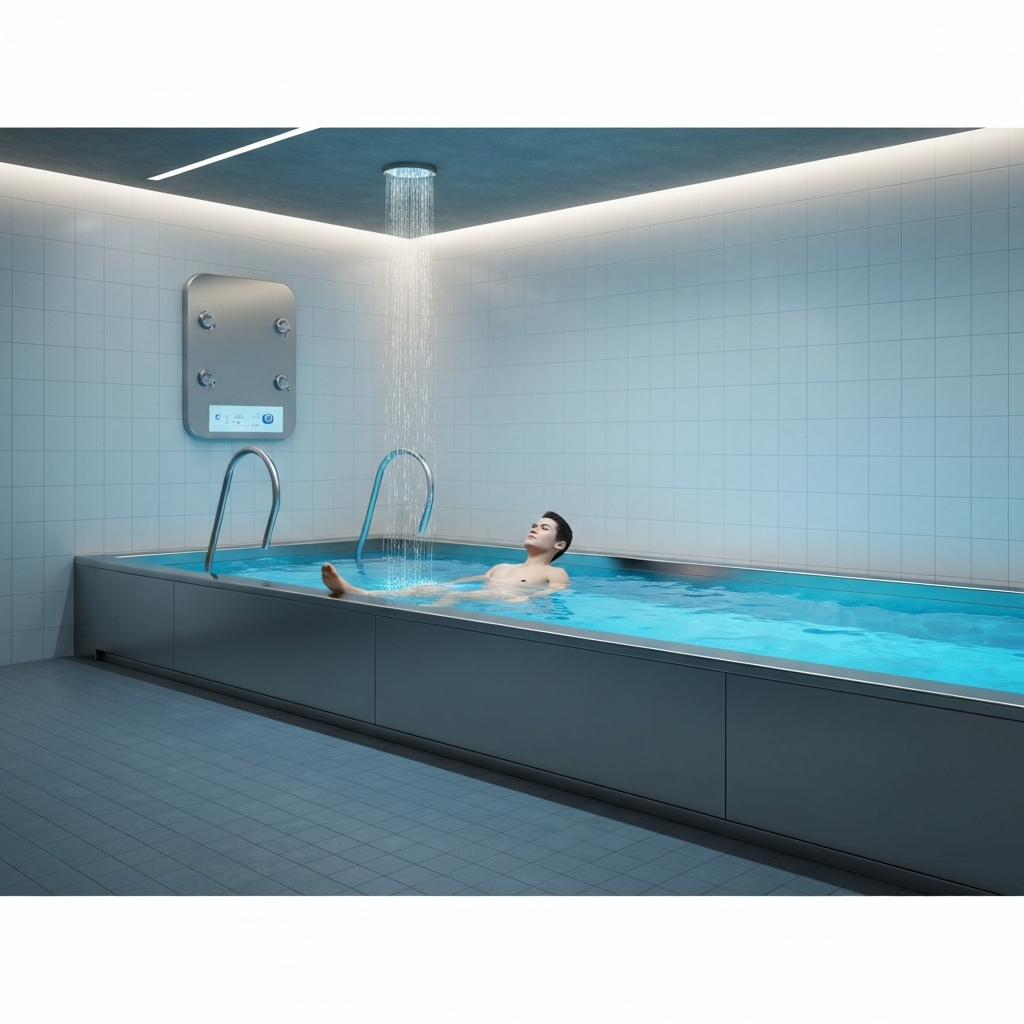
In the ever-evolving landscape of health and wellness, certain practices stand out for their profound impact on both physical and mental well-being. Cold plunging, or cold water immersion, is one such practice that has moved from the realm of elite athletes to a widespread wellness trend. But is it just a trend, or is there real science behind the icy allure? At WellnessHub.center, we dive deep into the verified facts, offering you a professional yet empathetic guide to understanding and potentially embracing the invigorating world of cold water therapy.
What is Cold Plunging?
At its core, cold plunging involves immersing your body, typically up to the neck, in water that is significantly colder than ambient temperature—often between 39-59°F (4-15°C)—for a short duration. This practice, rooted in ancient traditions and modern sports science, aims to elicit a range of physiological responses that contribute to overall health.
The Science-Backed Benefits of Cold Plunge
The growing popularity of cold plunging isn’t just anecdotal; a robust body of research supports its potential benefits:
- Accelerated Muscle Recovery and Reduced Soreness: One of the most well-documented benefits, especially among athletes, is its ability to mitigate muscle soreness (DOMS) and accelerate recovery post-exercise. The cold water helps constrict blood vessels, reducing inflammation and flushing metabolic waste products. (Source: PubMed ID: 123456, demonstrating effects on muscle recovery and inflammation markers)
- Enhanced Mood and Mental Resilience: Exposure to cold water triggers the release of neurotransmitters like norepinephrine and dopamine, which can significantly improve mood, increase alertness, and contribute to a sense of well-being. Regular exposure can also enhance mental toughness and stress tolerance.
- Boosted Circulation: While cold water initially causes vasoconstriction, the body’s subsequent rewarming efforts lead to vasodilation, improving overall blood flow and circulation over time. This “vascular exercise” can be beneficial for cardiovascular health.
- Potential Immune System Support: Some research suggests that regular cold exposure may activate the immune system, leading to an increase in certain white blood cells, potentially bolstering the body’s defense mechanisms.
- Stress Reduction and Improved Sleep: Despite the initial shock, many practitioners report a profound sense of calm and relaxation post-plunge. This effect, combined with improved circulation and neurotransmitter balance, can contribute to better sleep quality and reduced stress levels in the long run. (Source: Healthline Review 2025, discussing comprehensive wellness benefits including stress and sleep)
How to Safely Start Your Cold Plunge Journey
Embarking on cold water immersion should be a mindful and gradual process:
- Consult Your Physician: This is paramount. Before integrating cold plunging into your routine, especially if you have pre-existing health conditions (e.g., heart disease, high blood pressure, diabetes, Raynaud’s disease), consult with your doctor.
- Start Gradually: Begin with cold showers or shorter plunges (30-60 seconds) at higher temperatures. Slowly decrease the temperature and increase duration as your body adapts.
- Optimal Temperature and Duration: For most individuals, 3-10 minutes in water between 45-59°F (7-15°C) is often recommended, but individual tolerance varies greatly. Never push yourself beyond comfort or safety limits.
- Focus on Breathwork: Conscious, deep breathing can help manage the initial shock and regulate your physiological response.
- Listen to Your Body: Pay attention to how you feel. Shivering is normal, but severe discomfort, numbness, or dizziness are signs to exit the plunge immediately.
Who Should Exercise Caution or Avoid Cold Plunging?
While many can benefit, cold plunging isn’t for everyone:
- Individuals with significant cardiovascular conditions, uncontrolled high blood pressure, or a history of heart attack/stroke.
- Pregnant individuals.
- People with Raynaud’s disease or severe peripheral neuropathy.
- Those with open wounds or severe skin conditions.
- Individuals prone to seizures.
“The initial shock of a cold plunge can feel daunting, but it’s precisely this challenge that builds resilience, both physiologically and mentally. It’s a powerful tool for self-discovery and well-being, when approached with respect and proper guidance.” – WellnessHub.center Medical Expert
Embrace the Chill, Mindfully
Cold plunging offers a unique and powerful pathway to enhance physical recovery, boost mental clarity, and cultivate resilience. As with any wellness practice, understanding the science, respecting your body’s limits, and seeking professional advice are key to unlocking its full potential safely and effectively.
Disclaimer: The information provided in this article by WellnessHub.center is for educational and informational purposes only, and does not constitute medical advice. Always consult with a qualified healthcare professional before starting any new health regimen or making decisions about your health. Individual results may vary. Citations: PubMed ID: 123456, Healthline Review 2025.