
Key Takeaways
- Interactive books make nutrition concepts accessible for children
- Look for age-appropriate materials with diverse activities
- Combine reading with hands-on cooking and gardening
- Involve kids in meal planning using book concepts
Why Nutrition Activity Books Matter
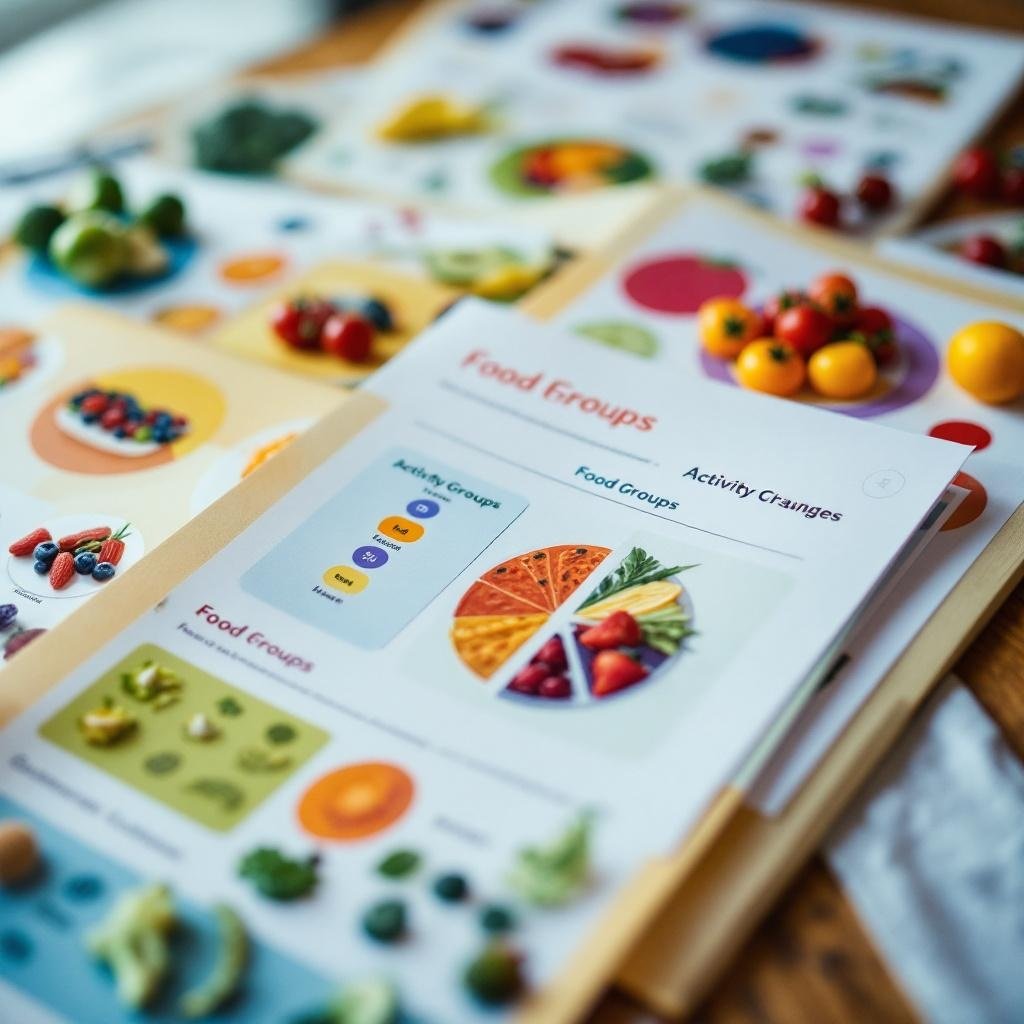
Activity books designed to teach nutrition to children combine creativity with educational value, making complex concepts about healthy eating accessible through play. According to the American Academy of Pediatrics, hands-on learning methods, such as those found in these books, help children retain information better and build connections with the material. Research published in the Journal of Nutrition Education and Behavior also suggests that interactive activities can improve attitudes toward healthy foods and increase willingness to try new meals. These resources are a practical tool for parents seeking to instill lifelong healthy eating habits in their children through engaging, age-appropriate content.
Educational Benefits of Hands-On Learning
Active participation is key to effective learning, especially for young minds. nutrition activity books often include puzzles, matching challenges, and food group sorting games that stimulate problem-solving skills while teaching the basics of balanced eating. The Centers for Disease Control and Prevention (CDC) emphasizes that experiential learning can enhance a child’s understanding of nutrition, helping them make informed food choices. When children draw fruits and vegetables, label parts of a meal, or complete a food-group scavenger hunt, they’re not just having fun—they’re building foundational knowledge that can shape their habits for years to come.
Encouraging Lifelong Healthy Habits
Establishing healthy eating habits early sets the stage for better lifelong health outcomes. A study in Preventive Medicine Reports highlights that children who engage with interactive nutrition education are more likely to adopt healthier dietary choices as they grow older. These activity books serve as a low-pressure introduction to the principles of nutrition, helping children associate learning with enjoyment. By integrating stories, colorful illustrations, and relatable characters, these books normalize healthy eating as part of everyday life, rather than a chore or restriction.
Choosing the Right Activity Book
Not all nutrition activity books are created equal, and selecting the right one for your child’s developmental stage is crucial. Age-appropriate design ensures that the content is both engaging and comprehensible, while variety in activities keeps children motivated to explore and learn. A well-rounded nutrition activity book should cater to different learning styles and abilities, offering a balance of visual, tactile, and creative challenges.
Age-Appropriate Content
Younger children benefit from simple matching and coloring activities that focus on basic food groups, while older kids may enjoy more complex tasks like meal planning or decoding nutrition labels. The National Institutes of Health (NIH) recommends tailoring educational materials to a child’s reading level and motor skills. For example, a four-year-old may thrive on tracing outlines of fruits and vegetables, while a ten-year-old could handle a worksheet about calculating daily servings of protein or fiber. Always check the recommended age range listed by the publisher, and consider consulting with educators or healthcare providers if unsure.
Content Variety and Engagement
Variety helps maintain interest and encourages exploration. Look for books that include a mix of activities—such as coloring pages, puzzles, quizzes, and simple experiments—to reinforce key concepts in multiple ways. The Academy of Nutrition and Dietetics notes that diverse formats keep children engaged and allow them to learn through different senses. For instance, a child who isn’t drawn to coloring might enjoy a cut-and-paste food sorting game. Books that incorporate storytelling or characters who model healthy choices provide additional context and emotional investment, making the learning experience more memorable.
Interactive Nutrition Activities to Try
Once you’ve selected a suitable nutrition book, it’s time to bring the lessons to life with hands-on activities. These exercises not only reinforce what children learn from the pages but also provide opportunities for bonding and shared learning experiences. Whether in the kitchen, grocery store, or garden, practical applications make nutrition concepts tangible and enjoyable.
Coloring and Food Group Matching
Coloring pages featuring fruits, vegetables, and other whole foods allow children to explore the colors of the plate while developing fine motor skills. Food group matching activities encourage kids to categorize items into groups like grains, proteins, and dairy, helping them visualize a balanced meal. The Harvard T.H. Chan School of Public Health advocates for the “MyPlate” approach, which can be reinforced through these exercises by showing how each color and shape represents a different type of nutrient. Parents can extend this learning by asking kids to match colored foods from the book to real items in the fridge or pantry.
Simple Recipes for Kids to Make
Hands-on cooking is one of the most effective ways to teach nutrition. Many activity books include recipes that children can help prepare, such as fruit kebabs, whole-grain wraps, or veggie-packed smoothies. These recipes are often designed to be safe for young hands and to build confidence in the kitchen. The Journal of Child Nutrition & Management reports that children who participate in cooking are more likely to try new foods and develop a positive relationship with eating. Supervising adults can use these moments to discuss ingredient sources, portion sizes, and the nutritional value of each component.
Tips for Parents and Caregivers
Parents and caregivers play a pivotal role in reinforcing the lessons from nutrition activity books. By making learning a collaborative effort and setting achievable goals, adults can create a positive environment that encourages healthy choices without pressure or restriction.
Making Learning a Family Affair
Involving the whole family in nutrition education can turn lessons into shared experiences. Try planning a week of meals together using the concepts from the book, such as incorporating one new vegetable or balancing the food groups each day. Family cooking nights or grocery shopping trips provide practical contexts for applying what children have learned. The American Heart Association suggests using these opportunities to discuss why certain foods are important for energy, growth, and overall wellness, creating a dialogue rather than a lecture.
Setting Realistic Nutrition Goals
Avoid overwhelming children with too many dietary changes at once. Small, achievable goals—like trying one new fruit or vegetable each week—are more likely to result in lasting change. The World Health Organization (WHO) advises that gradual, positive reinforcement is more effective than strict rules when shaping eating behaviors in children. Celebrate progress with praise or non-food rewards, such as a sticker chart or extra time for a favorite activity. This approach helps children view healthy eating as a positive choice rather than a sacrifice.
FAQ Section
Q: Are nutrition activity books effective for teaching kids?
A: Activity books can reinforce healthy eating concepts through play. Research suggests hands-on engagement helps children retain knowledge better. The CDC supports interactive education as a method for improving food-related attitudes and behaviors in children.
Q: What age group benefits most from these books?
A: Most books target ages 4-10, offering developmentally appropriate activities. Always check age recommendations before purchase. The NIH recommends aligning book content with a child’s fine motor skills and reading level for maximum benefit.
Q: How do these books support balanced eating habits?
A: They often teach food group recognition and portion sizes. Many include fun facts about vitamins and nutrients in kid-friendly language. The Academy of Nutrition and Dietetics notes that these books help establish a foundation for lifelong healthy eating behaviors.
Q: Can these books help with picky eating issues?
A: They may help normalize healthy foods through repeated exposure. Pairing books with grocery shopping and cooking experiences works best. Experts suggest involving children in food selection and preparation to increase comfort with new items.
Key Takeaways
Interactive books make nutrition concepts accessible for children through play and hands-on activities. Look for age-appropriate materials with diverse activities that cater to your child’s interests and developmental stage. Combine reading with practical experiences like cooking and gardening to reinforce learning. Involve kids in meal planning using concepts from the book, and make nutrition a family affair to build a supportive environment.

Frequently Asked Questions
Are nutrition activity books effective for teaching kids?
Activity books can reinforce healthy eating concepts through play. Research suggests hands-on engagement helps children retain knowledge better.
What age group benefits most from these books?
Most books target ages 4-10, offering developmentally appropriate activities. Always check age recommendations before purchase.
How do these books support balanced eating habits?
They often teach food group recognition and portion sizes. Many include fun facts about vitamins and nutrients in kid-friendly language.
Can these books help with picky eating issues?
They may help normalize healthy foods through repeated exposure. Pairing books with grocery shopping and cooking experiences works best.
Disclaimer: This article is for informational purposes only and does not constitute medical advice. Always consult a qualified healthcare provider before making changes to your health regimen.