
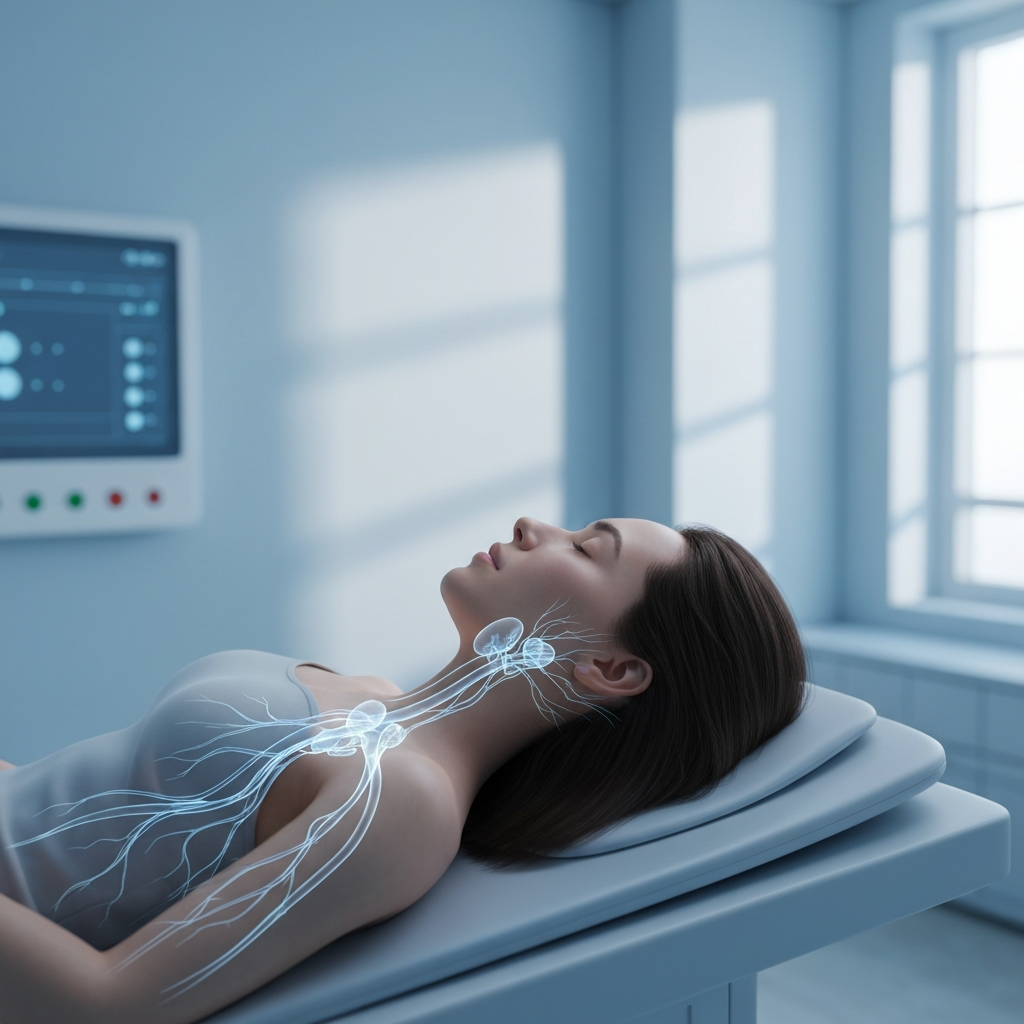
What Exactly is the Vagus Nerve?
The vagus nerve, Latin for “wandering,” is the longest and most complex of the twelve cranial nerves. It’s a key component of the parasympathetic nervous system, which is responsible for the “rest and digest” functions of your body, counteracting the “fight or flight” response of the sympathetic nervous system. Originating in the brainstem, it descends through the neck and chest, branching out to the heart, lungs, stomach, intestines, and other organs. Its widespread influence truly makes it a master regulator of many bodily processes.
The Vagus Nerve’s Profound Impact on Your Well-being
Medical consensus overwhelmingly supports the vagus nerve’s crucial role in maintaining physiological and psychological balance. When effectively stimulated, it promotes a state of calm and resilience.
- Stress and Anxiety Reduction: By activating the parasympathetic nervous system, the vagus nerve helps lower heart rate and blood pressure, reducing the physical symptoms of stress and anxiety.
- Improved Digestion: It regulates gut motility and enzyme production, crucial for healthy digestion and nutrient absorption. A strong gut-brain connection relies heavily on this nerve.
- Mood Regulation: The vagus nerve influences neurotransmitter release, including serotonin, which is vital for mood stability and can play a role in combating symptoms of depression.
- Inflammation Control: It has an anti-inflammatory effect throughout the body, helping to mitigate chronic inflammation associated with numerous health conditions.
- Enhanced Relaxation and Sleep: A well-toned vagus nerve promotes a sense of calm, making it easier to relax and fall into restorative sleep.
How to Gently Activate Your Vagus Nerve: Simple Techniques
The good news is that you don’t need complicated procedures to tap into the power of your vagus nerve. Many simple, everyday activities can help enhance its tone and function, leading to improved well-being.
- Deep, Diaphragmatic Breathing: Slow, deep breaths that expand your belly (diaphragmatic breathing) are one of the most effective ways to stimulate the vagus nerve. Aim for 5-6 breaths per minute.
- Cold Exposure: Short bursts of cold exposure, such as finishing a shower with 30 seconds of cold water or splashing cold water on your face, can activate the vagus nerve.
- Humming, Chanting, and Singing: The vagus nerve passes through the vocal cords and inner ear. Humming, singing, or gargling can create vibrations that stimulate the nerve.
- Meditation and Mindfulness: Practices that focus on present moment awareness and deep relaxation can effectively engage the vagus nerve and promote parasympathetic activity.
- Probiotics and Gut Health: A healthy gut microbiome communicates with the brain via the vagus nerve. Consuming fermented foods or probiotic supplements can support this connection.
- Social Connection and Laughter: Positive social interactions and genuine laughter are powerful ways to shift your nervous system into a more relaxed state, influencing vagal tone.
“Harnessing the power of your vagus nerve isn’t about control; it’s about cultivation. By integrating simple, mindful practices into your daily life, you can nurture your body’s innate capacity for calm, healing, and resilience.”
When to Consider Professional Guidance
While vagus nerve stimulation techniques can be incredibly beneficial for general well-being, it’s important to remember they are complementary practices. If you are experiencing persistent anxiety, digestive issues, chronic pain, or other significant health concerns, always consult with a qualified healthcare professional. They can provide an accurate diagnosis and recommend appropriate treatments tailored to your individual needs.