Key Takeaways
- Targeted exercises may reduce mild sleep apnea symptoms
- Prioritize credible YouTube channels with expert guidance
- Combine breathing exercises with healthy sleep habits
- Always consult a healthcare provider before starting new routines
Benefits of Sleep Apnea Exercises
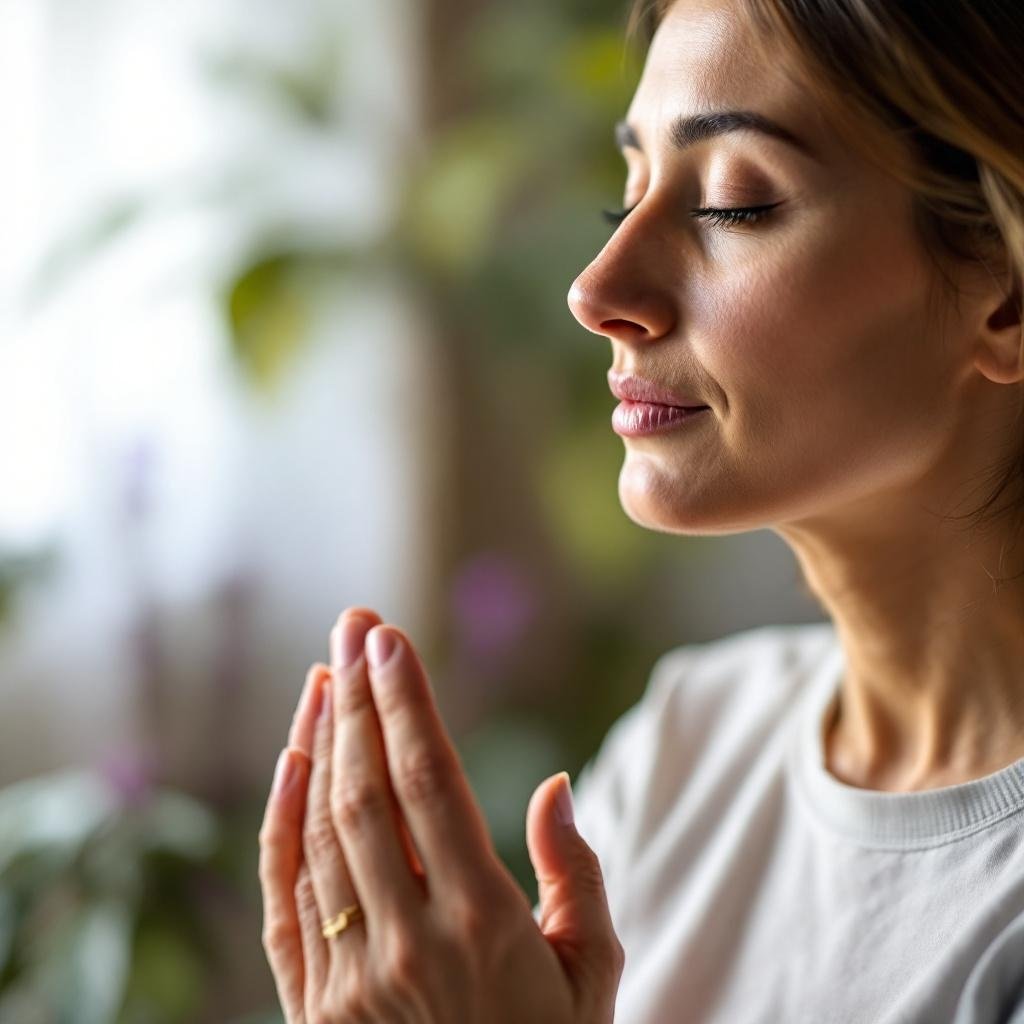
Targeted exercises for sleep apnea may improve breathing function by strengthening muscles in the throat and tongue. Research suggests that consistent practice can reduce snoring intensity and the frequency of apnea episodes. These exercises work by enhancing muscle tone, preventing airway collapse during sleep. A 2019 study published in the *Journal of Clinical Sleep Medicine* found that patients who engaged in daily oropharyngeal exercises experienced a 40% decrease in apnea severity compared to those who didn’t. While not a substitute for medical treatment, these practices offer a complementary approach for those seeking non-invasive strategies.
Improving Breathing Muscle Tone
Strengthening the muscles of the upper airway is crucial for maintaining clear breathing passages during sleep. Weak muscles in the tongue, soft palate, and throat can contribute to airway obstruction. Specific exercises, such as tongue presses and resistance training, can enhance muscle endurance. For example, pressing the tongue against the roof of the mouth strengthens the genioglossus muscle, which plays a key role in keeping the airway open. Over time, improved muscle tone may reduce the likelihood of tissue vibration (snoring) and breathing pauses.
Reducing Snoring and Apnea Episodes
Snoring often results from relaxed tissues vibrating as air moves past them. Strengthening these muscles through daily exercise can reduce vibration severity. A Brazilian study demonstrated that participants who practiced specific breathing techniques for 3 months saw a 65% reduction in snoring frequency. While these exercises won’t eliminate apnea caused by anatomical obstructions or obesity, they may help alleviate mild symptoms. Consistent practice combined with positional therapy (avoiding sleeping on the back) can produce noticeable improvements in sleep quality.
Types of Sleep Apnea Exercises to Try
Three primary categories of exercises show promise for improving sleep-related breathing: tongue/throat movements, nasal breathing techniques, and yoga poses designed for relaxation and airflow. These can be found on YouTube through reputable wellness channels focusing on sleep health.
Tongue and Throat Exercises
Oropharyngeal exercises target the mouth and throat muscles critical for maintaining airway patency. Examples include:
- Tongue sliding: Pressing the tongue against the front teeth, then slowly sliding it backward along the roof of the mouth
- Palate tapping: Rhythmically touching the soft palate with the tongue tip
- Chewing motion: Mimicking chewing movements with the mouth open
Dr. Richard Schmidt, a Stanford sleep specialist, recommends practicing these exercises for 10 minutes daily to gradually build muscle strength. YouTube demonstrations often include visual cues to maintain proper technique.
Nasal Breathing Techniques
Proper nasal breathing promotes diaphragmatic function and reduces mouth breathing, which can exacerbate apnea symptoms. Techniques like alternate nostril breathing (nadi shodhana) and pursed-lip breathing help regulate airflow and increase oxygenation. A 2021 study in *Sleep and Breathing* showed that participants who practiced diaphragmatic breathing for 8 weeks improved sleep efficiency by 25%. The Buteyko method, which emphasizes reduced breathing volume, has also shown benefits in clinical trials.
Yoga Poses for Better Sleep
Gentle yoga sequences can strengthen respiratory muscles while promoting relaxation. Reclining poses like Supta Baddha Konasana (supported bound angle pose) open the chest for improved airflow. Shoulder stand (Sarvangasana) strengthens neck muscles that support airway patency. A 2020 trial involving adults over 40 found that regular yoga practice reduced apnea symptom severity by 30% when combined with standard treatments. Most YouTube guides recommend holding poses for 30-60 seconds with controlled breathing.
How to Find Reliable YouTube Videos
With thousands of sleep apnea exercise videos available, discerning quality content is essential. Prioritize videos created by:
- Board-certified sleep specialists
- Respiratory therapists with pulmonology expertise
- Certified yoga instructors specializing in sleep disorders
Check creators’ credentials in their channel descriptions or associated websites. Reputable medical centers like the Mayo Clinic or Harvard-affiliated institutions often upload evidence-based content.
Checking Creator Credentials
Look for creators with verifiable qualifications: MDs specializing in sleep medicine, PhDs in respiratory physiology, or certified yoga therapists (C-IAYT designation). Avoid videos from creators with vague health claims like “natural remedy experts” without specific training. Verified healthcare channels typically display a gray checkmark badge on YouTube. Cross-reference channels with professional organizations like the American Academy of Sleep Medicine.
Evaluating Video Content Quality
High-quality videos demonstrate proper form with clear camera angles and provide modification options for different ability levels. They should include safety warnings for individuals with existing health conditions. Effective instructional videos explain the physiological purpose behind each exercise and demonstrate both correct and incorrect techniques. Avoid content with excessive advertising or claims of “miracle cures” – these often lack scientific backing.
Safety Tips Before Starting Exercises
While most breathing exercises are low-risk, certain precautions apply, especially for adults over 40. Always consult a healthcare provider before beginning any new treatment regimen to prevent complications.
Consulting with Healthcare Providers
Individuals with cardiovascular conditions or chronic respiratory issues should seek professional guidance before breathing exercises. Those using CPAP machines should continue their prescribed therapy while adding exercises, rather than substituting them. Dentists can assess whether tongue exercises might interfere with dentures or dental implants. Healthcare providers can help identify which exercise types best suit specific apnea causes – anatomical, neuromuscular, or positional.
Monitoring Your Body’s Response
Pay attention to any dizziness, chest discomfort, or increased shortness of breath when starting new routines. Mild fatigue is normal as muscles adapt, but persistent discomfort warrants medical evaluation. Keep a sleep journal to track symptoms before and after starting exercises – improvements typically take 4-6 weeks of consistent practice. If symptoms worsen, stop the routine and consult a sleep specialist.
Combining Exercises with Other Sleep Strategies
For optimal results, integrate breathing exercises with established sleep hygiene practices. Maintain a consistent sleep schedule to regulate circadian rhythms. Use white noise machines to prevent nighttime awakenings. Keep bedrooms cool (60-67°F) and dark to promote melatonin production. Weight management remains critical – even a 10% reduction in body weight can decrease apnea severity by 50% in overweight individuals.
FAQ Section
Q: Can exercises alone cure sleep apnea?
A: While research shows improvements in mild cases, exercises shouldn’t replace medical treatment. Always work with a sleep specialist to develop a comprehensive management plan that may include CPAP therapy, oral appliances, or surgical options.
Q: How often should I do these exercises?
A: Most studies recommend daily practice for at least 8-12 weeks before assessing effectiveness. Set a consistent schedule – morning routines work well for establishing habits. Some YouTube programs offer structured weekly plans that increase intensity gradually.
Q: Are all YouTube sleep apnea exercises safe?
A: Not all content is medically reviewed. Prioritize channels affiliated with recognized institutions or featuring credentialed professionals. Avoid videos with rapid breathing techniques without safety disclaimers – these can cause hyperventilation in vulnerable individuals.
Q: Can these exercises replace CPAP therapy?
A: CPAP remains the most effective treatment for moderate-to-severe sleep apnea. Research indicates that combining exercises with CPAP improves compliance and outcomes. Never discontinue prescribed treatments without physician approval.
Key Takeaways
Targeted exercises may reduce sleep apnea symptoms when used with medical guidance. Strengthening throat muscles and practicing nasal breathing can improve airflow during sleep. Seek credible YouTube channels with expert credentials for safe instruction. Combine breathing practices with good sleep hygiene and professional care for best results. Always consult healthcare providers before beginning new health routines, especially for chronic conditions like sleep apnea.
Frequently Asked Questions
Can exercises alone cure sleep apnea?
Exercises may help improve symptoms but should not replace medical advice. Consult your doctor for a comprehensive plan.
How often should I do these exercises?
Consistency matters. Aim for daily practice, but follow specific guidance from credible sources or professionals.
Are all YouTube sleep apnea exercises safe?
Not all videos are reliable. Prioritize content from certified experts or trusted wellness channels.
Can these exercises replace CPAP therapy?
CPAP remains the gold standard for treatment. Exercises may complement therapy but should not replace it without medical advice.
Disclaimer: This article is for informational purposes only and does not constitute medical advice. Always consult a qualified healthcare provider before making changes to your health regimen.