
Key Takeaways
- Prioritize omega-3-rich foods like salmon and walnuts for brain health.
- Limit processed foods with artificial additives that may trigger sensitivity.
- Maintain stable energy with balanced meals containing protein, fiber, and healthy fats.
- Consult a healthcare provider before adding supplements or making drastic dietary changes.
Understanding the ADHD-Diet Connection
For adults aged 40+ managing ADHD, nutrition plays a pivotal role in regulating brain function and mitigating symptoms. Research increasingly links dietary choices to cognitive performance, neurotransmitter balance, and energy stability—factors directly tied to attention, focus, and mood regulation. While medication remains a cornerstone of ADHD treatment, evidence suggests that strategic food choices may enhance conventional therapies and improve day-to-day functioning. For those in midlife, when hormonal shifts and age-related metabolic changes occur, prioritizing brain-boosting nutrients becomes even more critical.
How Nutrients Impact Brain Function
The brain consumes approximately 20% of the body’s daily energy, relying on steady nutrient supply to produce neurotransmitters like dopamine and norepinephrine—chemicals often dysregulated in ADHD. Deficiencies in key vitamins (B6, B12), minerals (iron, zinc), and fatty acids can impair communication between brain cells, worsening inattention and impulsivity. For instance, a 2018 review in *Nutrients* highlighted that low iron levels correlate with reduced dopamine activity, potentially exacerbating ADHD symptoms. As adults enter their 40s and beyond, declining metabolism and changes in gut health may further affect nutrient absorption, making dietary mindfulness essential.
Scientific Insights on Diet and ADHD Symptoms
Population studies reveal intriguing connections between diet quality and ADHD prevalence. A 2021 longitudinal study published in *Pediatrics* found that adults following a Mediterranean-style diet—rich in vegetables, lean proteins, and healthy fats—reported fewer cognitive lapses compared to those consuming processed foods. Another meta-analysis in *European Child & Adolescent Psychiatry* noted that eliminating artificial food additives improved attention in 30% of ADHD patients, particularly those with sensitivities. While individual responses vary, these findings underscore the potential of nutrition as a supportive tool in managing adult ADHD.
Top Foods That May Support ADHD Management
Integrating specific food groups into daily meals can create a stable foundation for brain health. Focus on whole foods containing omega-3s, complex carbohydrates, and high-quality proteins to support neural pathways and sustain mental energy.
Omega-3 Rich Foods for Cognitive Health
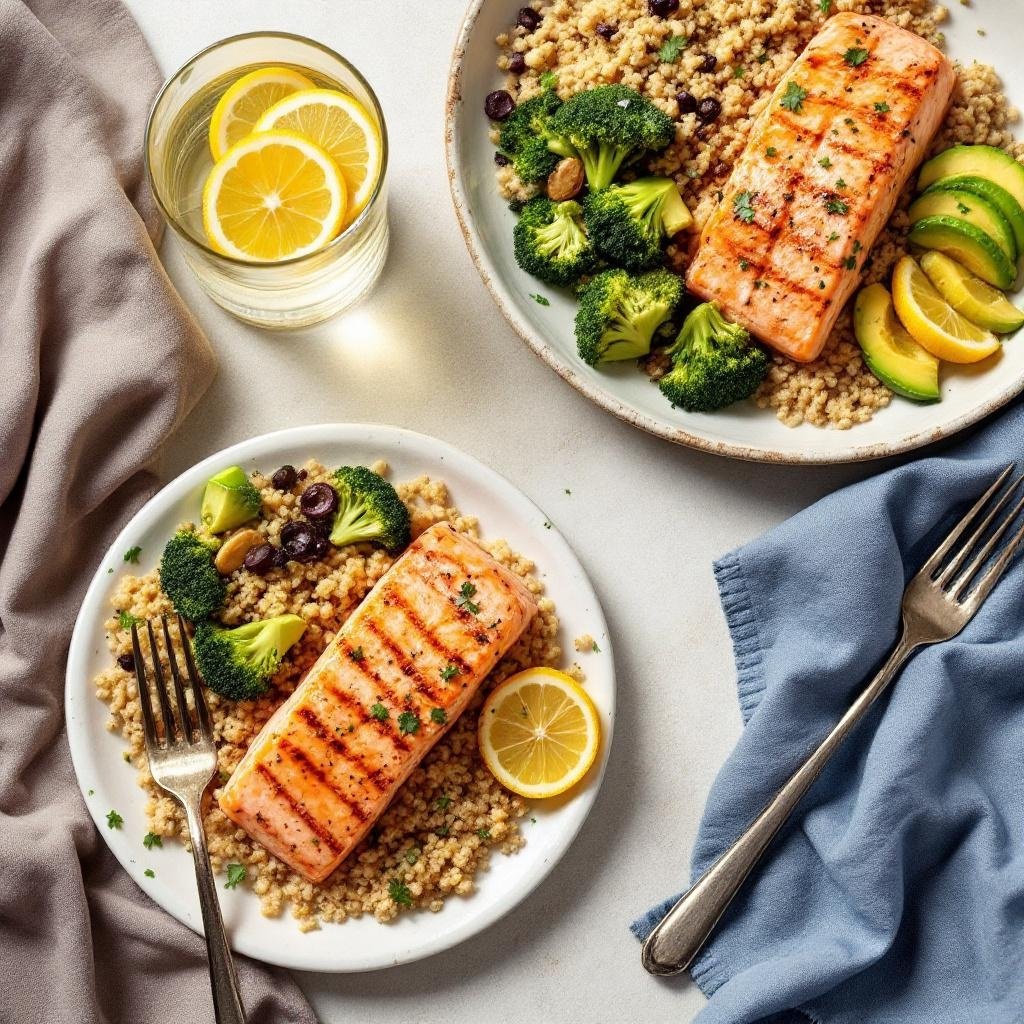
Omega-3 fatty acids, particularly EPA and DHA found in fatty fish like salmon, sardines, and wild trout, are critical for maintaining cell membrane fluidity in brain neurons. A 2017 Cochrane review concluded that omega-3 supplements improved attention and reduced hyperactivity in some ADHD patients, with effects becoming more pronounced after 16 weeks of consistent intake. For plant-based options, consider flaxseeds, chia seeds, and walnuts, which provide ALA—a precursor to EPA and DHA. Since adults over 40 may have reduced fatty acid metabolism, combining dietary sources with potential supplementation (under medical supervision) could be beneficial.
Complex Carbohydrates for Sustained Energy
Whole grains, legumes, and starchy vegetables help stabilize blood sugar levels, preventing the energy crashes associated with refined carbs. Tryptophan—an amino acid crucial for serotonin production—absorbs better when paired with carbs, potentially improving mood and impulse control. The Cleveland Clinic recommends that adults over 40 aim for 25–30g of fiber daily, favoring foods like oats, quinoa, and sweet potatoes. These carbohydrates also provide B vitamins, which aid in converting food into usable brain energy.
Protein-Packed Choices for Neurotransmitters
Proteins supply tyrosine and phenylalanine, precursors to dopamine and norepinephrine. Lean meats, eggs, Greek yogurt, and plant-based sources like lentils and edamame can enhance alertness and reduce fatigue. For optimal focus, experts suggest distributing protein intake evenly throughout the day rather than clustering it at dinner. A 2022 study in *Nutritional Neuroscience* found that adults who consumed 20–30g of protein per meal reported better task persistence compared to those with uneven intake patterns.
Avoiding Triggers: What to Limit

Identifying and minimizing dietary irritants is equally important. While not all adults with ADHD will react adversely to these substances, research suggests that certain ingredients may exacerbate symptoms in sensitive individuals.
Artificial Additives and Hyperactivity
Synthetic food dyes (like Red 40 and Yellow 5) and preservatives such as sodium benzoate have been linked to increased hyperactivity in children and adults with ADHD. The FDA acknowledges that while these additives are generally safe for the population at large, they may contribute to behavioral changes in susceptible groups. The Feingold Diet, developed in the 1970s, continues to be referenced in clinical settings for its additive-free approach. For those over 40, who may also contend with age-related inflammation, reducing processed foods can offer dual benefits for both brain and cardiovascular health.
The Sugar Debate: Myths vs. Reality
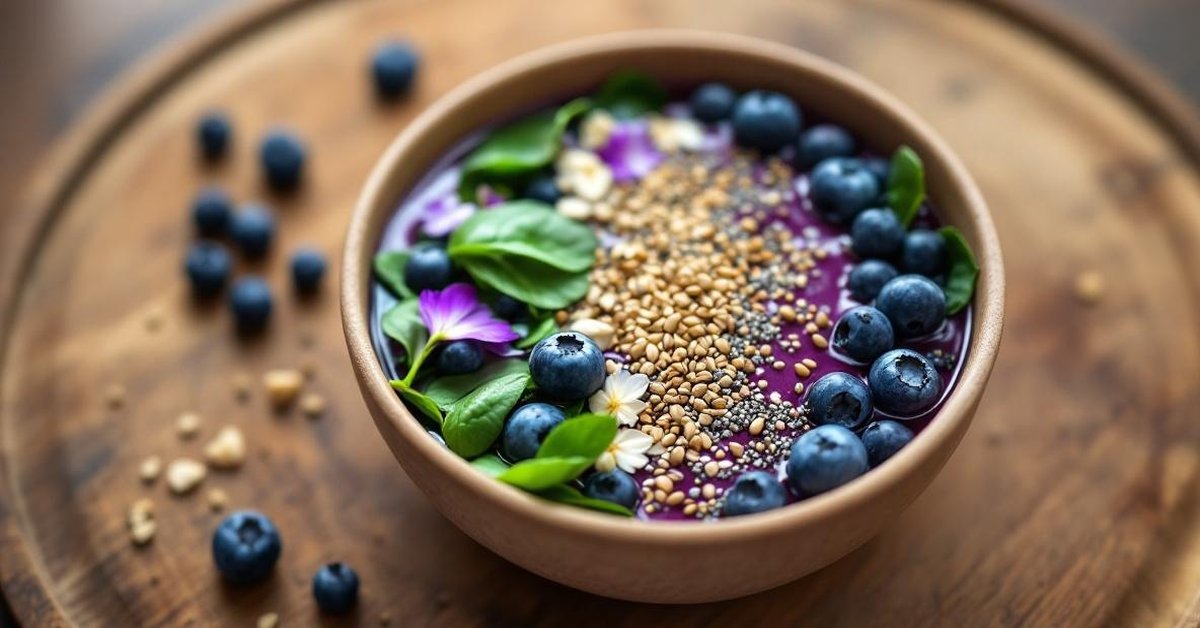
Contrary to popular belief, sugar does not universally cause hyperactivity, according to a meta-analysis in the *Journal of the American Medical Association*. However, rapid blood sugar spikes followed by crashes may worsen inattention in some adults. Fructose malabsorption, more common with age, can lead to fatigue and brain fog. Instead of eliminating sugar entirely, prioritize fruits with fiber (berries, apples) and use natural sweeteners like cinnamon to enhance flavors without glycemic volatility.
Meal Planning Strategies for Consistent Energy
Routine meal timing and balanced plate composition are key for maintaining stable cognition and mood. Adults with ADHD often experience “all-or-nothing” eating patterns, so intentional planning can prevent extremes.
Balanced Eating Throughout the Day
Adopt a 3+2 approach: three balanced meals plus two nutrient-dense snacks daily. Include a mix of macronutrients to avoid blood sugar spikes—e.g., apple slices with almond butter or cottage cheese with flaxseeds. Meal prepping on weekends can reduce reliance on fast food, which tends to be high in sodium and unhealthy fats. For those working late, keep portable options like roasted chickpeas or hard-boiled eggs in the refrigerator to avoid vending machine pitfalls.
Hydration and Its Cognitive Benefits
Even mild dehydration (1–2% fluid loss) can impair executive function, according to a 2020 study in *Nutrients*. As thirst perception diminishes with age, older adults with ADHD must consciously prioritize water intake. Herbal teas, water-rich foods (cucumbers, oranges), and setting hourly reminders can help. Limit excessive caffeine, which may trigger anxiety or disrupt sleep—both detrimental to focus.
Supplements and Professional Guidance
While food should remain the primary source of nutrients, certain supplements may fill gaps. However, quality and efficacy vary, necessitating collaboration with healthcare providers.
Evidence-Based Supplement Considerations
Omega-3 supplements (1–2g daily EPA+DHA), magnesium (200–300mg), and vitamin D (1,000–2,000 IU) show the strongest research support for ADHD symptom mitigation. A 2023 review in *Psychiatry Research* found that magnesium supplementation reduced stress and irritability in adults with ADHD. Probiotics may also help by improving gut-brain axis communication, though more studies are needed. Always choose third-party tested brands to avoid contaminants, and avoid megadoses unless medically indicated.
Consulting Healthcare Providers for Personalization
Before starting any supplement regimen, consult a doctor to assess interactions with existing medications (e.g., stimulants, antidepressants). Blood tests for deficiencies (iron, B12, vitamin D) can guide targeted interventions. A registered dietitian specializing in ADHD can help tailor meal plans that align with lifestyle and dietary preferences, ensuring long-term adherence without nutrient gaps.
FAQ
Q: Can diet alone manage ADHD symptoms?
A: While nutrition supports overall brain health, it’s not a standalone solution. Combine dietary strategies with professional guidance for comprehensive management.
Q: Are there foods that worsen ADHD symptoms?
A: Some studies suggest artificial food dyes and high-sugar diets may exacerbate hyperactivity in sensitive individuals. Monitor personal responses and consult a doctor.
Q: How does hydration affect focus?
A: Dehydration can impair concentration and cognitive function. Regular water intake supports mental clarity, especially for adults with ADHD.
Q: What snacks help with ADHD-related cravings?
A: Opt for protein-rich options like nuts or yogurt. Pair with fruits for natural sugars that provide steady energy without spikes.
Key Takeaways
- Prioritize omega-3-rich foods like salmon and walnuts for brain health.
- Limit processed foods with artificial additives that may trigger sensitivity.
- Maintain stable energy with balanced meals containing protein, fiber, and healthy fats.
- Consult a healthcare provider before adding supplements or making drastic dietary changes.
Frequently Asked Questions
Can diet alone manage ADHD symptoms?
While nutrition supports overall brain health, it’s not a standalone solution. Combine dietary strategies with professional guidance for comprehensive management.
Are there foods that worsen ADHD symptoms?
Some studies suggest artificial food dyes and high-sugar diets may exacerbate hyperactivity in sensitive individuals. Monitor personal responses and consult a doctor.
How does hydration affect focus?
Dehydration can impair concentration and cognitive function. Regular water intake supports mental clarity, especially for adults with ADHD.
What snacks help with ADHD-related cravings?
Opt for protein-rich options like nuts or yogurt. Pair with fruits for natural sugars that provide steady energy without spikes.
Disclaimer: This article is for informational purposes only and does not constitute medical advice. Always consult a qualified healthcare provider before making changes to your health regimen.