

Key Takeaways
- Prioritize apps with age-appropriate exercises
- Check for customization options
- Look for community support features
- Combine app workouts with balanced nutrition
Why Free Fitness Apps Matter for Adults 40+
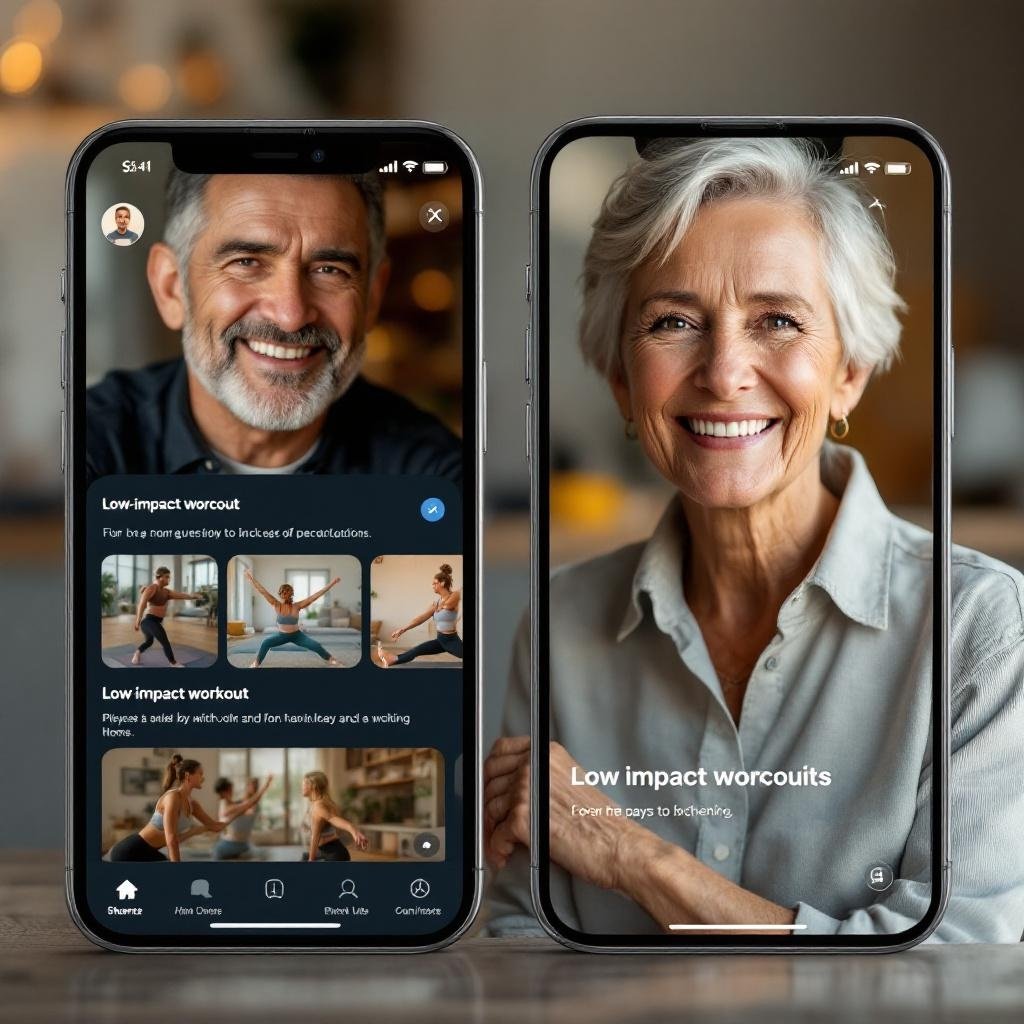
Regular physical activity becomes increasingly vital as we age, yet accessibility and affordability often pose barriers. Free fitness plan apps offer a practical solution for adults 40+, delivering structured workouts tailored to common needs like joint health, strength maintenance, and cardiovascular wellness. According to the Centers for Disease Control and Prevention (CDC), adults aged 40+ should aim for at least 150 minutes of moderate-intensity aerobic activity weekly, paired with muscle-strengthening exercises. Free apps bridge the gap for those unable to commit to gym memberships or paid programs, providing scalable routines that align with these guidelines. Research from the National Institutes of Health (NIH) highlights that digital fitness tools can improve adherence to exercise programs, particularly when they address age-specific concerns like mobility limitations or recovery times.
Key Features to Look for in Free Fitness Apps
A quality free fitness app should do more than just list exercises—it needs to accommodate the unique needs of adults 40+. Prioritize apps that offer customizable workout plans, low-impact options, and robust progress tracking to ensure safety and longevity.
Customizable Workout Plans
Flexibility in workout design is critical. Apps that allow users to adjust intensity, duration, and focus areas (e.g., core strength, balance) accommodate varying fitness levels and evolving goals. Look for platforms that let you exclude exercises unsuitable for your physical condition or schedule. For example, a runner recovering from knee surgery might prioritize upper-body strength days, while someone managing arthritis could benefit from chair-based routines. Studies in the Journal of Aging and Physical Activity emphasize that personalized programs increase enjoyment and reduce dropout rates.
Low-Impact Exercise Options
High-impact exercises like jumping or sprinting become riskier with age, making low-impact alternatives essential. Apps with swimming, cycling, or elliptical training guidance help preserve joint health while still improving cardiovascular fitness. The Arthritis Foundation recommends water aerobics and tai chi for adults over 40, noting their ability to enhance flexibility without straining knees or hips. Verify that apps include modifications for exercises like squats or lunges to minimize knee stress.
Progress Tracking Tools
Motivation thrives on measurable progress. Effective apps log metrics like workout frequency, heart rate trends, and strength milestones (e.g., increased push-up counts). Some integrate with wearable devices to monitor sleep and recovery, which become more critical after 40. The American College of Sports Medicine states that tracking fosters accountability and helps users identify patterns—like plateaus or overtraining—that might hinder results. Apps with visual dashboards or calendar views can make this data easier to digest.
Top 5 Free Fitness Plan Apps Reviewed
While we can’t name specific brands, here’s how to evaluate the top categories of free apps based on their focus areas and suitability for adults 40+.
App 1: Focus on Strength Training
Look for apps offering progressive resistance training programs with bodyweight or light dumbbell exercises. Features might include video demonstrations emphasizing proper form to prevent injuries, which is crucial as tendons and ligaments lose elasticity with age. Prioritize apps that schedule rest days for recovery and provide alternatives for common gym moves—like replacing barbell squats with wall sits or glute bridges. Programs lasting 12 weeks or longer, with incremental increases in difficulty, align with recommendations from the National Strength and Conditioning Association for maintaining muscle mass after 40.
App 2: Walking & Cardio Programs
Walking apps often include GPS tracking, route planning, and gradual increase schedules to boost endurance safely. Some gamify progress with badges for distance milestones or weather-based achievements. Apps that incorporate interval walking (alternating brisk and normal pace) can improve heart health while reducing the monotony of steady-state cardio. The American Heart Association endorses brisk walking as a first-line activity for sedentary adults due to its low barrier to entry and joint-friendly nature. Check for features like warm-up reminders and hydration prompts to support safety.
App 3: Yoga & Flexibility Routines
Opt for apps offering age-appropriate yoga flows with modifications for tight hamstrings, shoulder stiffness, or balance issues. Classes labeled “gentle,” “restorative,” or “chair yoga” often suit adults 40+ better than advanced sequences. Apps that teach breathing techniques (pranayama) alongside physical poses may offer dual benefits for stress reduction and lung capacity. A 2016 NIH study found that regular yoga practice improved mobility and reduced pain in middle-aged adults with chronic lower back issues. Seek apps with short 10–15 minute sessions for busy schedules and longer 30-minute sessions for deeper stretching.
How to Use Free Fitness Apps Effectively
Maximizing the benefits of free apps requires strategic use. Start by setting Specific, Measurable, Achievable, Relevant, and Time-bound (SMART) goals—like walking 30 minutes five days a week for a month. Dedicate consistent time slots to avoid skipping workouts due to busy schedules. For strength-focused apps, prioritize form over rep counts during initial sessions; slow progress reduces injury risks. Use progress photos and journaling alongside app metrics to track subjective improvements like sleep quality or energy levels, which fitness trackers might miss. Many apps allow connecting with friends; leveraging social features can foster accountability even without paid premium tiers.
FAQ Section
Q: Are free fitness apps safe for beginners?
A: Yes, but proceed cautiously. Look for apps with adjustable intensity sliders and beginner tutorials. The American Council on Exercise recommends starting with 5–10 minute mobility warm-ups before jumping into full sessions. Always consult your doctor before beginning new routines, especially if you have chronic conditions like hypertension.
Q: Do free apps have enough variety for long-term use?
A: Top apps regularly update content to combat boredom. Check for features like seasonal challenges or holiday-themed workouts that inject novelty. If an app feels repetitive after six months, explore complementary free apps—one for strength and another for mindfulness-based movement—to keep things fresh.
Q: Can these apps track progress effectively?
A: Basic tracking is usually reliable, but advanced metrics like body fat estimates or VO2 max often require paid wearables. The key is consistency: manually log metrics like waist circumference or stair-climbing time weekly if your app lacks these features. Even simple self-assessments (e.g., “Could I walk an extra block this week?”) provide valuable insights.
Q: Are free fitness apps truly cost-free?
A: Most have ads and in-app purchase prompts, but core workout libraries remain accessible without payment. Read reviews to spot apps that restrict essential features behind paywalls. Some offer free trials for premium content—cancel before the trial ends if you’re unsatisfied.
Key Takeaways
Selecting the right app involves balancing practicality with personal goals. Prioritize apps with age-appropriate exercises that respect your physical limits. Check for customization options to keep routines fresh, and don’t overlook community support features like discussion boards—social interaction can enhance motivation. Finally, remember that even the best fitness app can’t replace proper nutrition; pair workouts with adequate protein intake and hydration to maximize results. With thoughtful use, free fitness apps can be a sustainable, enriching component of your wellness journey after 40.

Frequently Asked Questions
Are free fitness apps safe for beginners?
Yes, many free apps offer scalable workouts for all fitness levels. Always consult your doctor before starting new routines.
Do free apps have enough variety for long-term use?
Top apps provide diverse workouts and updates that may help maintain consistency over time.
Can these apps track progress effectively?
Most apps include metrics tracking, but check features to ensure they meet your personal goals.
Are free fitness apps truly cost-free?
Basic versions are free, but premium features may require subscriptions. Always verify before downloading.
Disclaimer: This article is for informational purposes only and does not constitute medical advice. Always consult a qualified healthcare provider before making changes to your health regimen.