

Key Takeaways
- Mushrooms are rich in B vitamins, selenium, and antioxidants.
- Regular consumption may support immunity and heart health.
- Incorporate a variety into meals for balanced nutrition.
- Always choose edible, non-toxic mushrooms from reliable sources.
Introduction to Mushrooms as a Nutritional Powerhouse
Mushrooms have long been celebrated not only for their earthy flavor but also for their remarkable nutritional profile. For adults over 40, these fungi offer a rich source of vitamins, minerals, and antioxidants that may support immunity, heart health, and cognitive function. With few calories but high levels of B vitamins, selenium, and potassium, mushrooms provide age-defying benefits that align with the dietary needs of middle-aged and older adults.
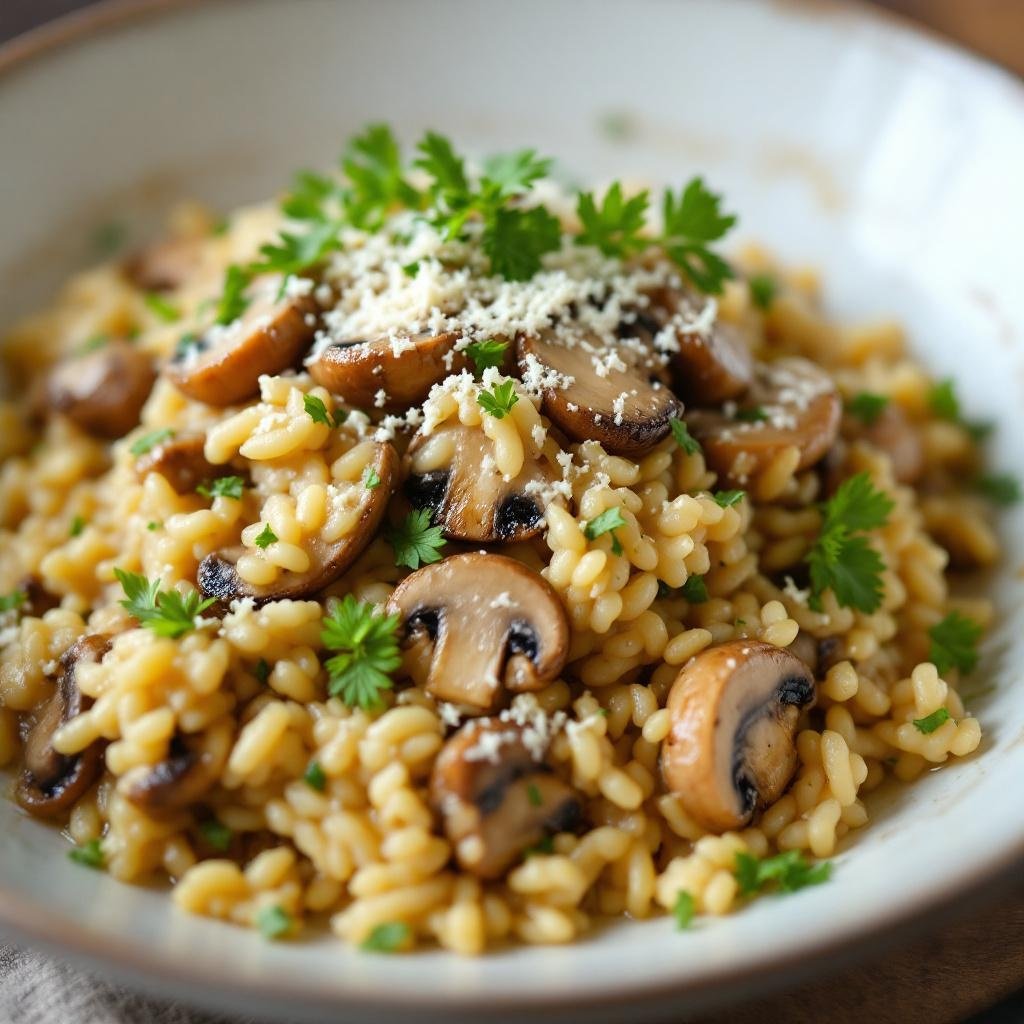
Mushrooms Through History and Modern Nutrition
Historically, mushrooms have been used in traditional medicine systems across Asia and Europe for centuries. Ancient Chinese healers prized shiitake mushrooms for vitality, while Egyptians regarded mushrooms as plants of immortality. Today, modern science validates many of these traditional beliefs by identifying compounds in mushrooms that contribute to cellular health and disease prevention. Studies show that regular mushroom consumption correlates with improved nutrient intake and dietary quality, particularly among older adults seeking to maintain wellness.
Versatility in Culinary Uses
One of the greatest advantages of mushrooms lies in their adaptability to various cooking methods and cuisines. From sautéing portobello caps as a meat substitute to blending cremini mushrooms into creamy sauces, they enhance both flavor and nutrition profiles. Their meaty texture makes them an excellent addition to stir-fries, soups, and grain-based bowls. For adults over 40 looking to reduce saturated fat intake, mushrooms offer a satisfying umami-rich alternative to heavier proteins without sacrificing taste.
Key Nutrients Found in Mushrooms
Vitamins: B Complex, D, and More
Mushrooms stand out as one of the few natural food sources of vitamin D, particularly when exposed to sunlight. This fat-soluble vitamin plays a critical role in bone health and immune function—two areas of concern for aging adults. They also provide significant amounts of B vitamins, including riboflavin (B2), niacin (B3), and pantothenic acid (B5), which support cellular energy production and neurological health. One cup of cooked mushrooms delivers approximately 20% of the daily recommended intake of B vitamins.
Essential Minerals: Selenium, Potassium, and Phosphorus
These fungi contain essential minerals that contribute to metabolic and cardiovascular health. Selenium acts as a crucial antioxidant, protecting cells from oxidative stress linked to chronic diseases. Potassium helps maintain healthy blood pressure levels, especially important for those monitoring hypertension risk. Phosphorus supports bone integrity and kidney function. According to the USDA FoodData Central database, white button mushrooms contain 318 mg of potassium per 100g serving—comparable to bananas but with fewer carbohydrates.
Antioxidants and Phytonutrients
Mushrooms contain potent antioxidants like ergothioneine and glutathione, which research suggests may combat age-related cellular damage. A 2017 Penn State University study found that certain mushroom varieties have higher antioxidant activity than many fruits and vegetables. These compounds work synergistically with other phytonutrients to reduce inflammation and support detoxification processes. Incorporating mushrooms into daily meals can enhance overall antioxidant intake, which becomes increasingly important with advancing age.
Science-Backed Health Benefits
Supporting Immune Function
Several mushroom varieties contain beta-glucans, complex carbohydrates that modulate immune responses. Research published in the Journal of Medicinal Food indicates that these compounds may enhance immune cell activity without causing overstimulation. Shiitake and maitake mushrooms, in particular, have been studied for their ability to support white blood cell function. While not a substitute for medical care, regular dietary inclusion may contribute to the body’s natural defenses—especially important for adults navigating age-related immunity changes.
Promoting Heart Health
The fiber and potassium content in mushrooms contributes to cardiovascular wellness. Their naturally low sodium and fat-free profile makes them ideal for blood pressure management. Studies from the American Heart Association demonstrate that potassium-rich diets associate with reduced stroke risk and improved vascular function. Additionally, mushrooms contain compounds that may help regulate cholesterol levels—research in Nutrients journal notes that regular consumption correlates with lower LDL cholesterol in observational studies.
Potential Cognitive Benefits
Emerging research suggests mushrooms may support brain health through their antioxidant and anti-inflammatory properties. A 2019 study in the Journal of Alzheimer’s Disease found that adults over 60 who consumed mushrooms regularly showed better cognitive performance than non-consumers. Compounds like hericenones and erinacines in lion’s mane mushrooms specifically stimulate nerve growth factor production. While more research continues, incorporating mushrooms into a Mediterranean-style diet may offer neuroprotective advantages.
How to Incorporate Mushrooms into Your Diet
Popular Varieties and Their Uses
Supermarkets typically offer several edible varieties, each with unique textures and flavors. White button mushrooms work well in everyday dishes, while portobello mushrooms’ meaty caps make excellent grilled options. Shiitake mushrooms, available fresh or dried, add Asian-inspired depth to broths and stir-fries. For those seeking immune support, culinary-medicinal blends like reishi or cordyceps powders can be added to soups or teas. Choosing a mix of varieties ensures diverse nutritional benefits.
Simple Recipes for Everyday Meals
Beyond traditional dishes, mushrooms can enhance breakfasts, lunches, and snacks. Try adding finely chopped mushrooms to scrambled eggs for extra volume and nutrients. A mushroom and barley pilaf provides a hearty side dish, while blended mushroom sauces add richness to whole-grain pasta. For a quick appetizer, stuff cremini caps with goat cheese and herbs before baking. These adaptable fungi seamlessly integrate into balanced meal plans while boosting fiber and mineral content.
Storage and Preparation Tips
To maintain freshness, store mushrooms in paper bags rather than plastic—this allows moisture escape and prevents sliminess. Clean them gently with a damp cloth to preserve texture. While cooking, avoid overcrowding pans to ensure proper browning. For long-term use, dried mushrooms offer concentrated flavor and extended shelf life. Rehydrate them in warm water before adding to stews or risottos. Proper handling maximizes both safety and nutritional retention.
Precautions and Considerations
Choosing Safe and Edible Mushrooms
While commercially grown mushrooms are generally safe, wild varieties require expert identification. Poisonous species like death caps resemble edible ones but contain lethal toxins. Stick to reputable grocery stores or trusted growers when purchasing foraged mushrooms. Those new to culinary mushrooms should start with small quantities and monitor for adverse reactions. Organic varieties may reduce exposure to agricultural chemicals, though all properly grown mushrooms remain suitable for most diets.
Allergies and Digestive Sensitivity
Although rare, allergic reactions to mushrooms can occur, particularly among those with mold sensitivities. Symptoms may include mouth tingling, rashes, or digestive discomfort. Additionally, the chitin in mushroom cell walls may cause mild digestive distress in some individuals. Cooking mushrooms thoroughly helps break down these fibers and enhances digestibility. Those with sensitive stomachs might start with small portions and gradually increase intake while monitoring personal tolerance.
Frequently Asked Questions
Are mushrooms good for immune support?
Mushrooms contain beta-glucans and antioxidants, which may help support immune function. Research suggests they can play a role in overall wellness when consumed as part of a balanced diet.
Can mushrooms improve heart health?
Yes, mushrooms are low in calories and fat while providing potassium and fiber, which may help maintain healthy cholesterol and blood pressure levels as part of a heart-healthy diet.
Which mushrooms are most nutritious?
Shiitake, maitake, and cremini mushrooms are known for high nutrient density, though most edible mushrooms offer a range of vitamins and minerals.
Are there any risks with eating mushrooms?
Most store-bought mushrooms are safe, but wild mushrooms can be toxic. Those with allergies or sensitive digestion should consume cautiously.
Disclaimer: This article is for informational purposes only and does not constitute medical advice. Always consult a qualified healthcare provider before making changes to your health regimen.