

Key Takeaways
- Prioritize balanced macros to sustain energy and recovery
- Hydration is critical for optimal workout results
- Timing meals/snacks improves exercise efficiency
- Downloadable PDF guides simplify meal planning
Why Pre-Workout Nutrition Matters for Adults Over 40
Proper nutrition before exercise helps adults over 40 maintain energy levels, supports muscle function, and enhances recovery. As metabolism slows with age, strategic fueling becomes critical for sustaining performance and reducing injury risk during workouts. Research shows that balanced pre-exercise meals improve endurance and muscle protein synthesis, key factors for active aging.
Boosting Performance and Endurance
Consuming carbohydrates before workouts provides readily available energy, while protein supports muscle repair. A 2021 study in the Journal of Aging and Physical Activity found that older adults who consumed 20-30g of protein pre-workout showed improved strength performance compared to those with lower intake. Timing and macronutrient balance are essential for optimizing these benefits.
Supporting Muscle Maintenance with Age
Age-related muscle loss (sarcopenia) accelerates after 40, making protein intake crucial. The Academy of Nutrition and Dietetics recommends combining high-quality protein sources with resistance training to preserve lean mass. Including 15-25g of protein in pre-workout meals may help counteract catabolic processes during exercise, particularly for those engaging in strength training.
What to Eat: Best Foods for Energy and Recovery
Complex Carbs for Sustained Energy
Whole grains, sweet potatoes, and legumes provide steady energy release through slow-digesting carbohydrates. A 2018 review in Nutrients highlighted that complex carbs maintain stable blood glucose levels better than simple sugars, which is especially important for mature athletes managing insulin sensitivity. Pair these with fruits like bananas for natural sugars and potassium support.
Lean Proteins for Muscle Repair
Opt for easily digestible proteins such as eggs, fish, chicken breast, or plant-based options like tofu. Research from the American College of Sports Medicine suggests that leucine-rich proteins (found in dairy and soy) enhance muscle protein synthesis more effectively when consumed before exercise. Avoid heavy cuts of meat that may cause discomfort during workouts.
Healthy Fats for Joint Health
Include small portions of nuts, seeds, or avocado to supply omega-3 fatty acids that support joint lubrication. While fats slow digestion—beneficial for endurance activities—limit intake to 15-20% of total pre-workout calories to prevent sluggishness. The Arthritis Foundation recommends combining these with antioxidant-rich foods for synergistic benefits.
Timing Your Meals: When to Eat Before Exercise
Optimal Window: 1-3 Hours Before Workouts
Consuming a balanced meal 2-3 hours before training allows adequate digestion while maintaining stable energy levels. For morning workouts, consider a smaller portion of oatmeal with nut butter and a boiled egg. Evening exercisers might benefit from a quinoa salad with grilled salmon and roasted vegetables. Individual tolerance varies, so experimentation is key.
Quick Snack Options Under 60 Minutes
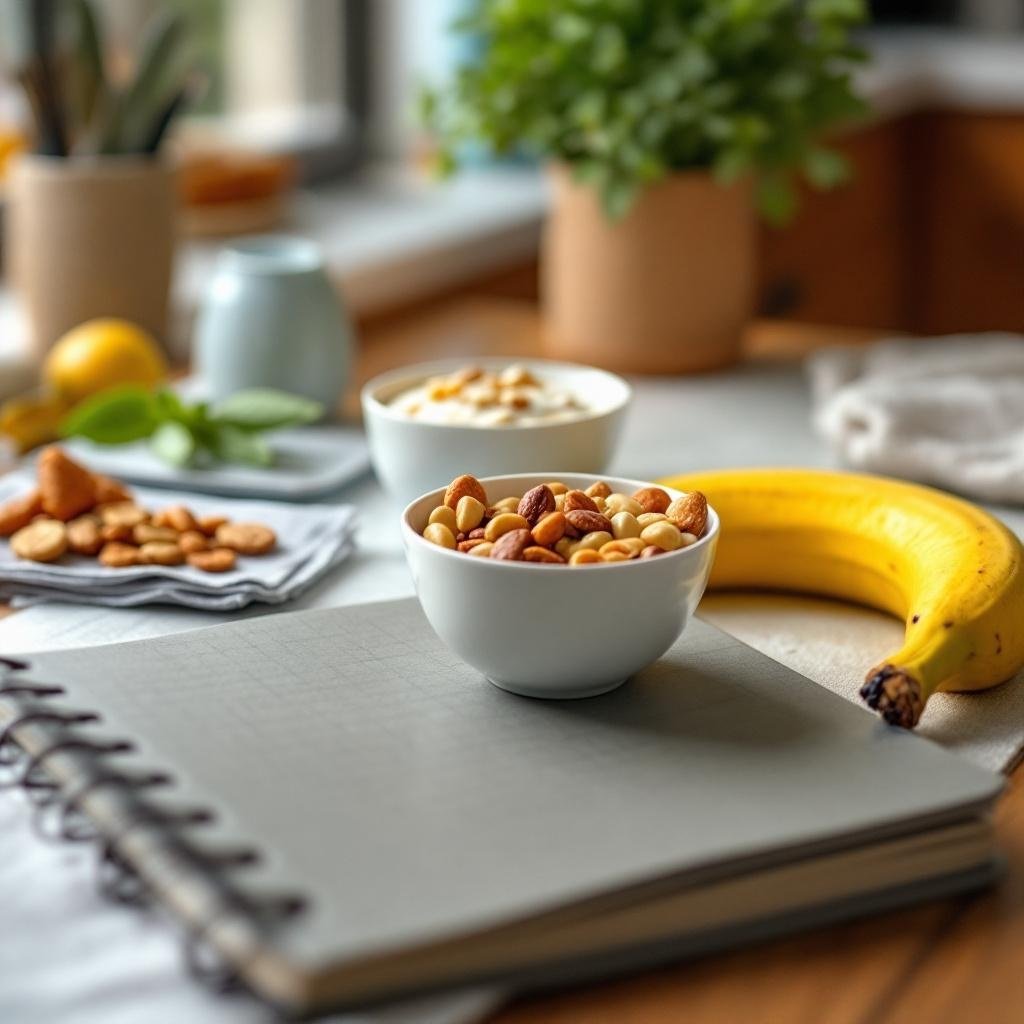
When time is limited, choose low-fiber, moderate-glycemic snacks like Greek yogurt with honey, a rice cake with peanut butter, or a banana with a handful of almonds. These combinations provide immediate energy without causing gastrointestinal distress. A 2020 study in Medicine & Science in Sports & Exercise demonstrated that even 15g of carbs from snack sources improved performance in 45-minute sessions.
Download Your Free Nutrition Before Exercise PDF Guide
Our comprehensive guide includes sample meal plans tailored for both morning and evening exercisers, along with a printable shopping list for pre-workout essentials. Whether you prefer strength training, yoga, or outdoor activities, this resource simplifies planning meals that match your fitness routine.

Sample Meal Plans for Morning and Evening Workouts
Morning routines benefit from overnight oats with chia seeds and berries, followed by a post-warm-up snack of cottage cheese. Evening plans might feature a larger mid-day meal of brown rice, chicken, and steamed greens, with a pre-workout apple slice and almond butter dip. Adjust portions based on workout intensity and personal energy needs.
Shopping List for Pre-Workout Essentials
Key items include rolled oats, eggs, Greek yogurt, whole grain bread, lean meats, mixed nuts, frozen berries, and hydration electrolytes. Prioritize seasonal produce and bulk pantry staples for cost-effective meal prep. Store non-perishable items like quinoa and nut butters for easy access to balanced fueling.
Common Mistakes to Avoid in Pre-Workout Nutrition
Overloading on High-Fiber Foods
While fiber benefits overall health, large amounts pre-workout may cause bloating or GI discomfort. Limit raw vegetables, cruciferous greens, and bran products to post-workout meals. Opt for fiber sources like bananas or whole grains that digest more smoothly before activity.
Neglecting Hydration Before Exercise
Dehydration impairs coordination and increases perceived exertion. The National Academy of Sports Medicine recommends drinking 17-20 oz (500-600ml) of water 2-3 hours pre-workout, followed by 7-10 oz (200-300ml) every 10-20 minutes during training. Monitor urine color—pale yellow indicates proper hydration status.
Frequently Asked Questions
What’s the best pre-workout snack for over 40s?
A balanced mix of carbs and protein, like Greek yogurt with berries, may help fuel workouts effectively while supporting muscle recovery. Adjust portion sizes based on workout duration and personal tolerance.
How long before exercise should I eat?
Aim for a meal 2-3 hours before or a smaller snack 30-60 minutes prior to balance energy needs and digestion comfort. Individual variations mean experimenting with timing is crucial for optimal performance.
Can I exercise on an empty stomach?
While possible, research suggests a light snack may improve performance and prevent low blood sugar, especially for longer sessions. Listen to your body—chronic fatigue or dizziness signals insufficient fueling.
Is hydration part of pre-workout nutrition?
Yes! Drinking water before exercise helps maintain performance and regulate body temperature, especially important for mature athletes. Include electrolyte-rich fluids during extended activity or in hot climates to maintain balance.
Key Takeaways
-
Prioritize balanced macros to sustain energy and recovery
-
Hydration is critical for optimal workout results
-
Timing meals/snacks improves exercise efficiency
-
Downloadable PDF guides simplify meal planning
Frequently Asked Questions
What’s the best pre-workout snack for over 40s?
A balanced mix of carbs and protein, like Greek yogurt with berries, may help fuel workouts effectively while supporting muscle recovery.
How long before exercise should I eat?
Aim for a meal 2-3 hours before or a smaller snack 30-60 minutes prior to balance energy needs and digestion comfort.
Can I exercise on an empty stomach?
While possible, research suggests a light snack may improve performance and prevent low blood sugar, especially for longer sessions.
Is hydration part of pre-workout nutrition?
Yes! Drinking water before exercise helps maintain performance and regulate body temperature, especially important for mature athletes.
Disclaimer: This article is for informational purposes only and does not constitute medical advice. Always consult a qualified healthcare provider before making changes to your health regimen.