
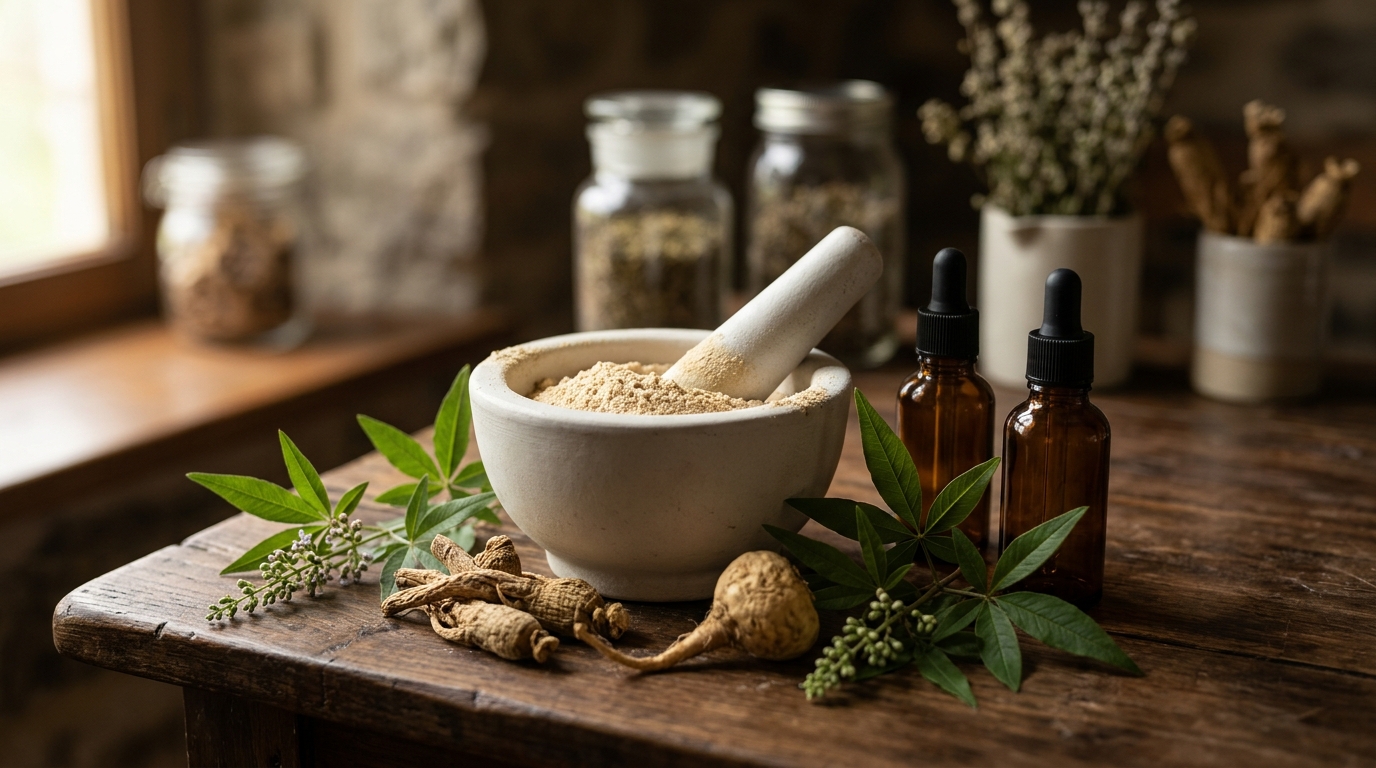
Editor’s 1-Minute Briefing
Women’s Midlife Endocrine & Botanical Clinical Review (2026)
Women’s Health Herbal Formula Benefits Over 40: Clinical Evidence vs. Proprietary Blends
1. Where Herbal Formulas Actually Work: Randomized human trials archived on PubMed clinical trial registries show standardized Black Cohosh (40 mg/day), Ashwagandha KSM-66 (300–600 mg/day), and gelatinized Maca (1,500–3,000 mg/day) reduce vasomotor hot flashes, evening cortisol spikes, and perimenopausal fatigue within 4 to 12 weeks.
2. Why Multi-Herb “Hormone Blends” Underperform: Roughly 70% of store-bought women’s wellness blends pack 10+ botanicals into a single 500 mg proprietary capsule—leaving each herb at 15% to 25% of its clinical trial dose while obscuring liver and thyroid interactions.
3. Safe 1-Symptom-First Protocol: Check morning TSH, ferritin, and Estradiol/FSH first, match one standardized extract to your primary symptom (hot flashes vs. PMS/cycle irregularity vs. stress exhaustion), and verify USP or NSF purity seals.
Picture a 46-year-old woman juggling career deadlines and aging parents while waking at 3:15 AM soaked in night sweats, wired with anxiety yet exhausted by noon. Searching for natural relief, she buys a colorful “14-in-1 hormone balance” bottle—only to feel zero change after six weeks because the label hides under-dosed extracts behind proprietary math. Understanding real women’s health herbal formula benefits after 40 means matching standardized botanical doses to specific endocrine pathways rather than swallowing random blends.
Clinical monographs from the NIH National Center for Complementary and Integrative Health (NCCIH) and The Menopause Society emphasize that effective herbal formulas work through distinct neurotransmitter, HPA-axis, and serotonin-receptor mechanisms—not by directly replacing human estradiol.
1. Standardized Herbal Formulas vs. Proprietary Blends: Before & After Shift
Female physiology shifts markedly between ages 35 and 55 as luteal progesterone dips first, followed by erratic perimenopausal estrogen swings and heightened cortisol sensitivity. Compare older unstandardized “mystery blends” against evidence-based 2026 clinical standardization.
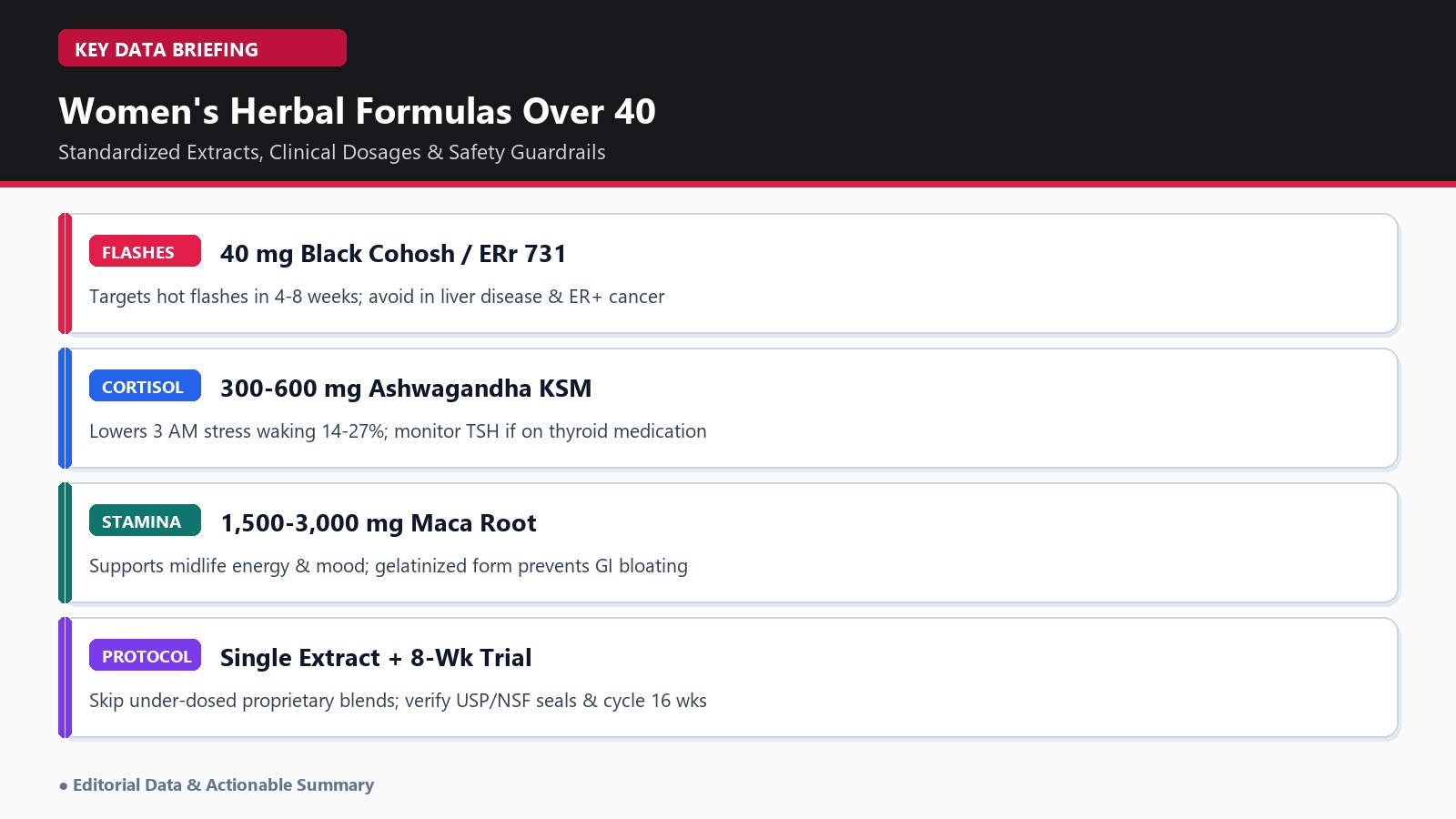
Figure 1: Standardized Women’s Health Herbal Formulas, Evidence-Based Dosages & Clinical Timelines After 40
2. Top 5 Women’s Health Herbal Formulas Ranked by Clinical Evidence
Different life stages call for completely different botanical tools. A 41-year-old experiencing heavy premenstrual breast tenderness needs a different extract than a 54-year-old waking from hot flashes. Review the five best-studied women’s health herbal formula benefits and exact daily doses below.
3. 4-Step Protocol to Choose & Cycle Herbal Formulas Safely After 40
Stacking four adaptogens simultaneously makes it impossible to pinpoint what helps and what triggers headaches or spotting. Use this four-step clinical sequence to test one targeted formula at a time.
STEP 01 — Rule Out Iron Deficiency, Thyroid Drift & Perimenopause Labs
Before buying herbal supplements, ask your clinician for morning labs covering CBC, ferritin (aim >50 ng/mL), TSH with Free T4, Vitamin D (25-OH), and HbA1c. Hair shedding and afternoon exhaustion from low ferritin (<25 ng/mL) or subclinical hypothyroidism will not resolve with herbal adaptogens alone.
STEP 02 — Anchor Your Nutrition & Magnesium Foundation First
Botanicals perform dramatically better when blood sugar and sleep minerals are stable. Pair 25–30 g protein per meal with 200–350 mg Magnesium Glycinate in the evening for 14 days before introducing your first herbal extract so you have a clean baseline.
STEP 03 — Introduce One Standardized Extract for a Full 8-Week Trial
Log hot flash frequency, sleep continuity, and mood scores (1 to 10) twice weekly over 8 weeks (56 days). Switching herbs after 7 days guarantees wasted money because pituitary and serotonergic adaptations require steady multi-week exposure.
STEP 04 — Cycle Every 12–16 Weeks and Reassess With Your Physician
Schedule a 2-week washout pause every 12 to 16 weeks on adaptogens like Ashwagandha or Black Cohosh to verify ongoing benefit and allow routine liver enzyme (ALT/AST) monitoring during annual wellness visits.
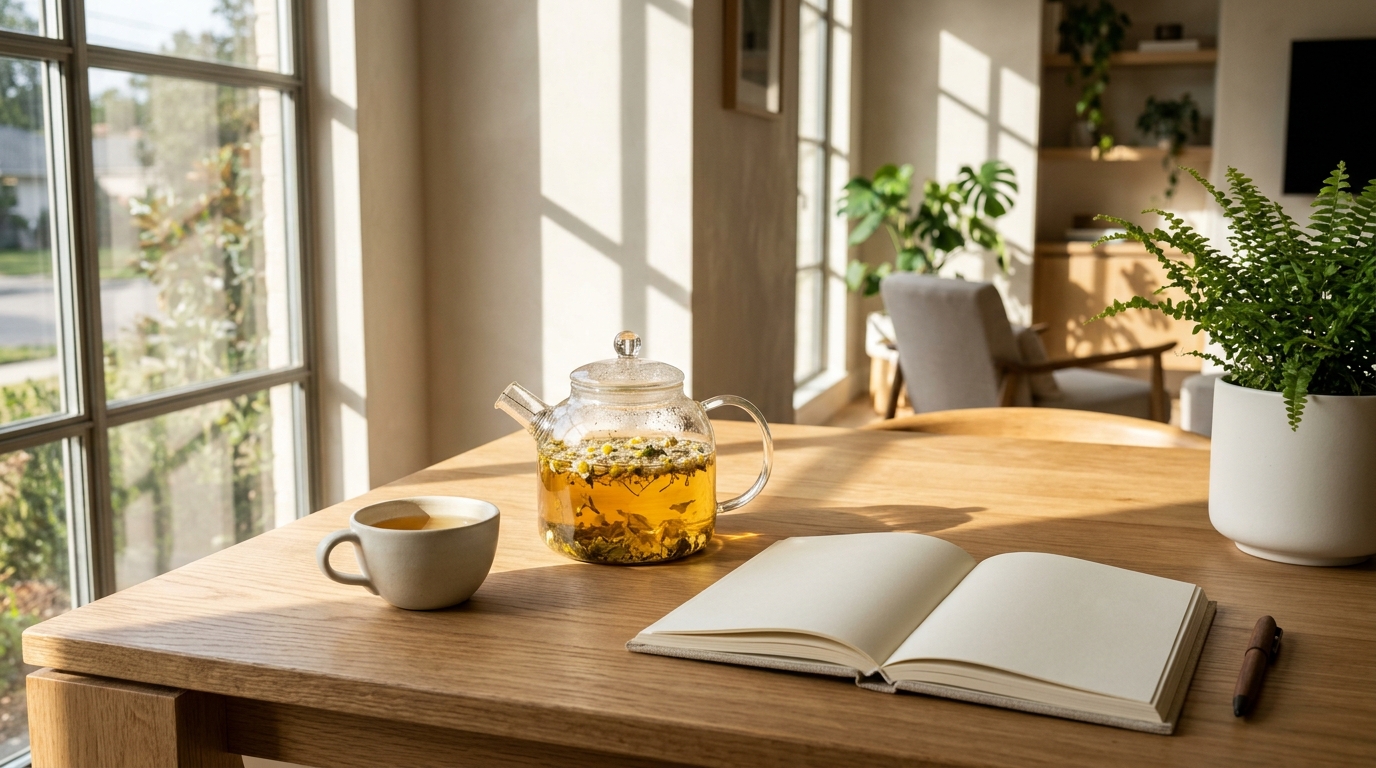
Figure 2: Pairing Evidence-Based Herbal Protocols With Consistent Sleep, Hydration & Symptom Tracking After 40
4. Liver Safety, Hormone-Sensitive Cancers & Medication Interactions
“Natural” never equals zero pharmacology. Many herbal extracts inhibit liver cytochrome enzymes (CYP3A4, CYP2D6) or mimic mild phytoestrogen activity—making medical screening non-negotiable for women managing prescriptions or oncology histories.
3 Critical Herbal Safety Warnings for Women Over 40
1. Hormone-Sensitive Cancer Histories: Women with a personal history of ER-positive breast cancer, endometrial hyperplasia, or taking tamoxifen/aromatase inhibitors must clear any herbal formula (including Red Clover, Dong Quai, Maca, or Black Cohosh) with their oncologist first. 2. Hepatic & Thyroid Vigilance: Discontinue Black Cohosh immediately if you experience dark urine, jaundice, or right upper abdominal pain; monitor thyroid labs if combining Ashwagandha with levothyroxine. 3. Prescription Drug Timing: Never mix St. John’s Wort with SSRIs, oral contraceptives, or blood thinners due to severe CYP450 induction and serotonin syndrome risks.
5. Frequently Asked Questions (FAQ): Women’s Health Herbal Formulas
Q1: Can herbal formulas replace prescription menopause hormone therapy (MHT/HRT)?
No. While standardized Black Cohosh or ERr 731 can cut mild-to-moderate hot flashes by roughly 30% to 50%, only bioidentical estrogen therapy (or FDA-approved non-hormonal NK3 antagonists) prevents postmenopausal bone density loss and severe urogenital atrophy reliably.
Q2: What is the best single herb for perimenopause anxiety and 3 AM wake-ups?
Clinical trials point to standardized Ashwagandha root extract (300 mg KSM-66 twice daily or 300 mg before dinner) paired with Magnesium Glycinate, which lowers serum morning cortisol by 14% to 27% across 8-week stress cohorts.
Q3: Why does Maca root sometimes upset digestion, and how do you avoid it?
Raw sun-dried Maca contains tough plant starches and glucosinolates that trigger gas and cramping in roughly 15% to 20% of users. Choosing gelatinized (pre-cooked) Maca at 1,500–2,000 mg with breakfast dramatically improves digestibility while preserving macamides.
Q4: Should you take herbal hormone supplements in the morning or at night?
Energizing roots like Maca and Rhodiola belong before 11:00 AM with food so they do not delay sleep onset, whereas calming extracts like Ashwagandha or evening split-dose Black Cohosh (20 mg AM / 20 mg PM) align better with nocturnal symptom relief.
Q5: How can I verify a women’s herbal supplement isn’t contaminated or under-dosed?
Check the Supplement Facts box for standardized active percentages (not proprietary totals) and look for USP Verified, NSF Certified, or ConsumerLab third-party testing badges—because independent assays routinely flag adulteration or heavy-metal excess in unverified online herbal mixes.
Related Clinical Protocols & Evidence Guides
Medical Disclaimer: This article is for educational purposes only and does not diagnose, treat, or cure hormonal, gynecological, or endocrine conditions. Consult your OB-GYN or primary-care physician before starting botanical extracts, especially if pregnant, breastfeeding, taking thyroid or psychiatric medications, or managing hormone-sensitive conditions.