
Editor’s 1-Minute Briefing
Cardiometabolic Biomarker & Gout Prevention Protocol (2026)
Cardiometabolic Biomarker & Gout Prevention Protocol (2026)
Optimal Uric Acid Levels to Prevent Gout & Metabolic Syndrome: Clinical Summary
1. Lab “Normal” Is Too High for Longevity: Standard hospital reference panels flag serum urate only above 7.0 mg/dL in men and 6.0 mg/dL in women, even though uric acid begins crystallizing at 6.8 mg/dL and driving insulin resistance above 5.5 mg/dL.
2. Fructose & Alcohol Outweigh Dietary Purines: Roughly 70% of blood uric acid stems from internal liver synthesis and impaired kidney excretion rather than meat alone; liquid fructose depletes hepatic ATP within minutes and spikes serum urate by 0.5 to 1.5 mg/dL.
3. Your 2026 Action Target: Aim for 4.0 to 5.5 mg/dL for metabolic protection (or strictly <6.0 mg/dL under American College of Rheumatology gout guidelines) using hydration, tart cherry polyphenols, vitamin C, and fructose elimination.
Picture a 51-year-old executive whose annual metabolic panel comes back “normal” with a fasting uric acid of 6.7 mg/dL, fasting triglycerides at 178 mg/dL, and borderline blood pressure of 134/86 mmHg. He has never felt a single stabbing big-toe gout flare, so his doctor skips over the number entirely—yet inside his liver and vascular endothelium, elevated urate is already stiffening arteries and blunting insulin signaling.
Understanding optimal uric acid levels to prevent gout and metabolic syndrome requires separating passive “disease-cutoff” lab ranges from proactive cardiometabolic targets. Clinical data indexed on PubMed and American Heart Association (AHA) scientific statements demonstrate that chronic serum urate above 5.5 mg/dL independently tracks with hypertension, metabolic dysfunction-associated steatotic liver disease (MASLD), and visceral fat gain after age 40.
1. Standard Lab Range vs. Optimal Uric Acid Levels: Before & After Clinical Benchmarks
Traditional pathology labs calculate reference intervals from population averages rather than disease-free physiology. Because modern diets loaded with refined sugar and beer push average Western adult uric acid upward, a “normal” lab report frequently sits inches away from the physical crystallization threshold of 6.8 mg/dL at 98.6°F body temperature.
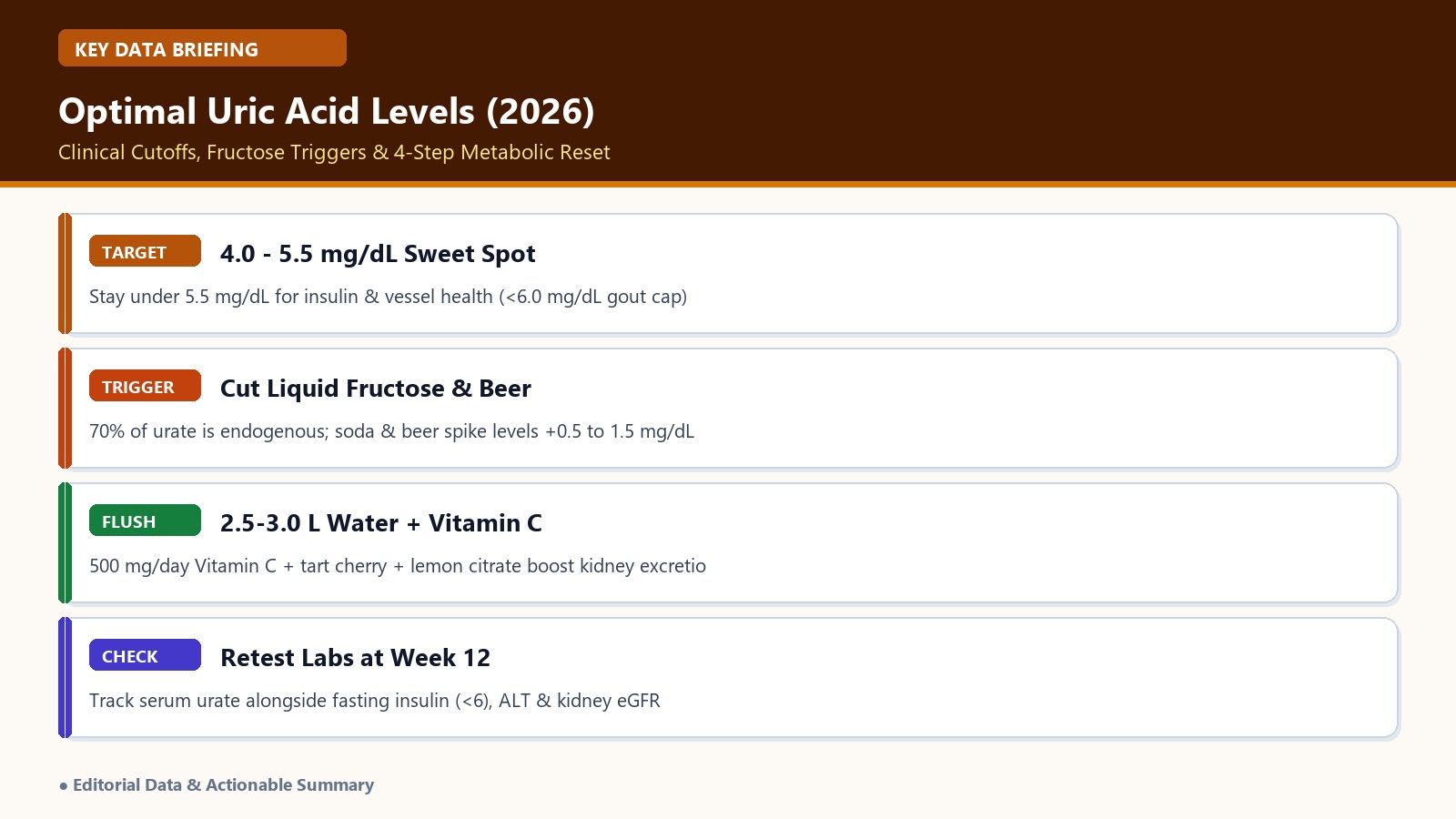
Figure 1: Clinical Serum Urate Targets — Why 4.0 to 5.5 mg/dL Protects Both Joints and Metabolic Health
2. Why Uric Acid Triggers Metabolic Syndrome Before Gout Appears
For decades, textbooks treated serum urate as an inert metabolic byproduct of red meat and shellfish. Research led by NIH-funded nephrology and endocrinology teams overturned that view: intracellular uric acid acts as an active survival switch that slows mitochondrial energy burning and promotes fat storage.
Whenever you drink a sweetened soda, fruit juice, or agave-sweetened beverage, liver ketohexokinase rapidly phosphorylates fructose without any negative feedback brake. That reaction burns through cellular ATP in minutes, converting degraded AMP directly into uric acid inside hepatocytes—causing mitochondrial oxidative stress, blocked insulin receptors, and de novo lipogenesis even in adults who rarely eat steak.
Simultaneously, elevated blood insulin directly instructs kidney proximal tubules (via URAT1 transporters) to reabsorb uric acid instead of excreting it into urine. That creates a vicious two-way loop where hyperinsulinemia elevates uric acid, and rising uric acid worsens insulin resistance, elevated systolic blood pressure by 4 to 9 mmHg, and morning gout vulnerability.
3. Food, Drink & Supplement Impact on Uric Acid Levels: Risk & Reduction Simulation
Not all purines carry equal risk. Epidemiological cohorts from Harvard T.H. Chan School of Public Health show that purine-rich vegetables (asparagus, spinach, mushrooms, lentils) do not raise gout flare risk, whereas beer, spirits, organ meats, and high-fructose corn syrup push serum urate up sharply. Compare daily triggers against clinically validated lowering interventions below.

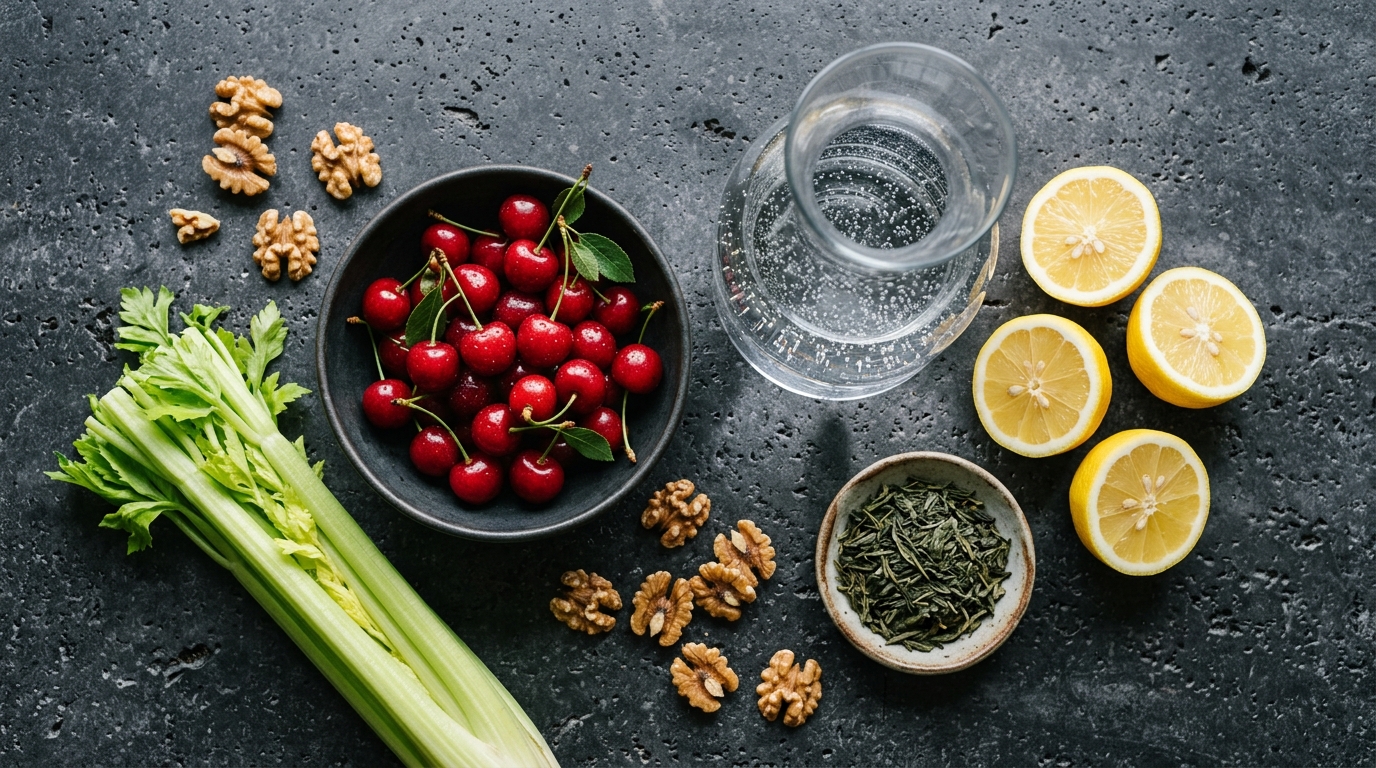
Figure 2: Alkalinizing Hydration, Citrus Citrate & Whole-Food Protein Support Healthy Uric Acid Clearance
4. How to Best Lower & Flush Uric Acid Naturally: 4-Step Clinical Protocol
Clinical reviews published in Mayo Clinic gout management guidelines stress that gradual, steady lowering beats crash dieting. In fact, sudden severe starvation or extreme keto dehydration triggers ketone competition in the kidneys, causing a temporary uric acid rebound within 72 hours. Follow these four steps over 8 to 12 weeks.
STEP 01 — Eliminate Liquid Fructose & Keep Added Sugar Below 20 g/Day
Cut all regular sodas, sweetened iced teas, fruit juices, and high-fructose corn syrup sauces for 30 days. Whole intact berries and tart cherries remain beneficial because their fiber and polyphenols slow fructose absorption; liquid fructose hitting the portal vein in 10 minutes is the primary driver of urate overproduction.
STEP 02 — Hit 2.5 to 3.0 Liters of Fluid Daily Plus Urine-Alkalinizing Citrate
Kidneys excrete roughly 65% to 70% of daily uric acid. Drinking 2,500 to 3,000 mL of filtered water spaced across waking hours—paired with juice from 1 to 2 fresh lemons or potassium-rich leafy greens—raises urine pH toward 6.2–6.5, keeping urate soluble so it flushes cleanly without forming kidney stones.
STEP 03 — Pair 500 mg Vitamin C with Tart Cherry or Luteolin Support
Meta-analyses of randomized trials show 500 mg/day of vitamin C lowers serum uric acid by approximately 0.35 to 0.50 mg/dL over 8 weeks. Combining vitamin C with 480 mg standardized tart Montmorency cherry extract (and 100 mg luteolin or quercetin if needed) targets both renal excretion and xanthine oxidase activity.
STEP 04 — Retest Fasting Uric Acid, Fasting Insulin & eGFR at Week 12
Pair your follow-up serum uric acid draw with fasting insulin (goal <6 uIU/mL), triglycerides, ALT/AST liver enzymes, and kidney eGFR after 12 weeks. Tracking uric acid alongside triglycerides and waist circumference confirms whether your metabolic syndrome risk is genuinely reversing.
When Lifestyle Alone Is Not Enough: Medical & Medication Checkpoints
1. Recurrent Gout Flares or Serum Urate >8.0 mg/dL: Dietary changes typically lower uric acid by 1.0 to 1.5 mg/dL. Adults with repeated acute gout flares, visible tophi, or uric acid kidney stones usually require prescription urate-lowering therapy (such as allopurinol or febuxostat) to safely hold levels below 6.0 mg/dL.
2. Hidden Drug Triggers: Low-dose aspirin (75–325 mg/day), thiazide diuretics (hydrochlorothiazide), loop diuretics, and high-dose niacin (vitamin B3 >500 mg) inhibit kidney urate excretion. Never stop prescribed heart medications independently, but ask your physician whether alternatives like losartan (which mildly lowers uric acid) fit your blood pressure plan.
3. Sudden Flare During Rapid Weight Loss: Rapid fat mobilization or strict fasting can temporarily spike serum urate for 1 to 3 weeks; prioritize steady 0.5 to 1.0 lb/week fat loss and consistent hydration.
5. Frequently Asked Questions: Optimal Uric Acid Levels & Metabolic Health
Q1. What should the ideal uric acid level be in functional medicine vs. standard medicine?
Standard rheumatology guidelines set below 6.0 mg/dL as the target to prevent gout crystal formation (and below 5.0 mg/dL for severe tophaceous gout). Functional and preventive cardiometabolic clinicians tighten that window to 4.0–5.5 mg/dL for men and 3.5–5.0 mg/dL for women to protect endothelial nitric oxide and insulin sensitivity.
Q2. How can I best flush uric acid out of my body quickly and safely?
Focus on three immediate kidney-clearance levers: drink 2.5 to 3.0 liters of water daily, add fresh lemon or potassium citrate to nudge urine pH above 6.2, and stop alcohol (especially beer) plus liquid fructose for at least 14 days so renal transporters stop competing with lactate.
Q3. Should I avoid all meat, eggs, and spinach if my uric acid is 6.4 mg/dL?
No. Eggs and low-fat dairy are virtually purine-free (dairy actually aids urate excretion), and plant purines in spinach, mushrooms, and beans do not raise gout risk in longitudinal studies. Moderate lean poultry and fish (4–6 oz portions) while focusing primary cuts on organ meats, anchovies, beer, and added fructose.
Q4. Can Zone 2 walking and resistance training lower uric acid over time?
Yes. Moderate Zone 2 aerobic exercise (150–180 minutes/week) plus 2 weekly strength sessions boosts skeletal muscle glucose disposal and lowers fasting insulin, which directly unlocks kidney uric acid excretion over 8 to 12 weeks—just hydrate well before and after workouts so transient exercise lactate does not concentrate urate.