

Key Takeaways
- Choose apps with age-appropriate, modifiable workouts
- Prioritize apps offering progress tracking and guidance
- Combine app workouts with balanced nutrition for optimal results
- Consult healthcare providers before starting new fitness programs
Benefits of Weight Loss Exercise Apps for Adults Over 40
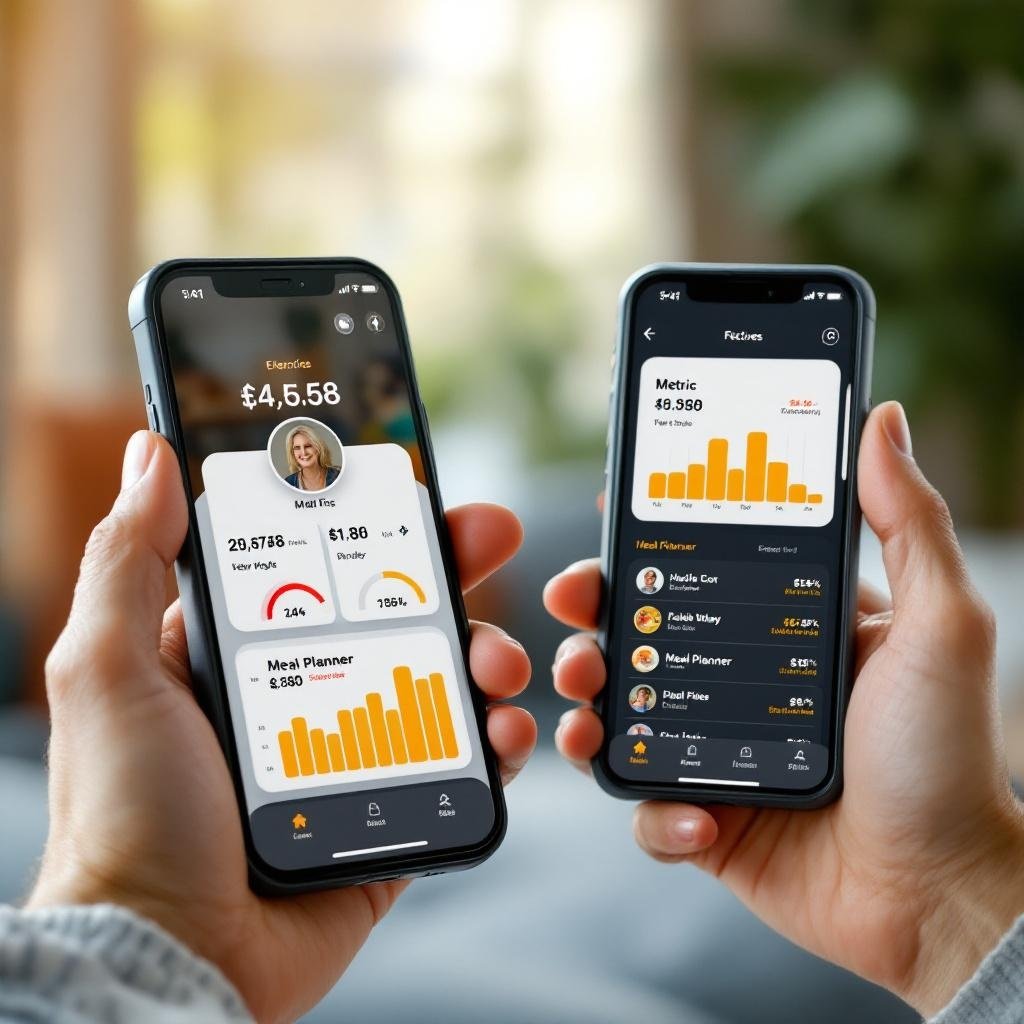
For adults over 40 seeking effective weight loss solutions, exercise apps can be powerful tools. These platforms combine personalized fitness guidance, flexibility, and science-backed strategies tailored to age-specific needs. As metabolism naturally slows with age, maintaining muscle mass and cardiovascular health becomes critical, and apps can address these concerns through adaptive programming. According to the World Health Organization, adults aged 40–64 should aim for 150–300 minutes of moderate-intensity aerobic activity weekly, alongside muscle-strengthening exercises twice a week. Apps help bridge the gap between these recommendations and real-world execution, particularly for those managing time constraints or chronic conditions like arthritis or hypertension.
Personalized Workouts for Age-Specific Fitness Levels
One of the standout advantages of modern fitness apps is their ability to create customized routines based on individual health profiles. Users can input details such as age, weight, medical history, and fitness goals to receive tailored workout plans. This is particularly important for adults over 40, who may require low-impact exercises to protect joints while still achieving calorie burn. Apps often incorporate modifications for common concerns like knee pain or lower back issues, ensuring safety without sacrificing effectiveness. For example, programs emphasizing resistance bands, water aerobics, or yoga-style flows can provide joint-friendly alternatives to high-impact cardio.
Convenient Home Exercise Options to Save Time
For midlife adults juggling careers, family responsibilities, and social commitments, the ability to exercise at home is invaluable. weight loss apps eliminate commuting time to gyms and reduce costs associated with memberships. Research published in the Journal of Aging and Physical Activity found that home-based exercise programs improved adherence rates by 25% among middle-aged participants compared to facility-based regimens. Many apps now offer short 10–15 minute routines ideal for busy schedules, or longer sessions for weekend fitness blocks. This flexibility allows users to maintain consistency, a key factor in long-term weight management.
Progress Tracking to Stay Motivated
Motivation often wanes when results aren’t immediately visible, but apps with robust tracking systems help combat this challenge. Features like step counters, calorie burn estimators, and body measurements logs create tangible progress indicators. Some platforms use gamification elements—badges, streak rewards, or social challenges—to enhance engagement. A 2023 study in the International Journal of Obesity reported that participants who tracked workouts digitally were 3.2 times more likely to stick with programs for six months or longer. Visual graphs showing improvements in endurance or gradual weight reduction can reinforce commitment, especially when combined with community support forums within the app.
Key Features to Look for in a Weight Loss Exercise App
Not all fitness apps are equally effective, particularly for adults entering their fifth decade. Prioritize platforms that offer specific functionalities designed to address age-related changes and lifestyle requirements. The following features stand out as most important:
Customizable Workout Plans Based on Goals
Effective apps allow users to select goals such as “weight loss,” “strength building,” or “improved flexibility” and adjust intensity levels accordingly. For those new to exercise, look for programs that start with 5–10 minute warm-up tutorials and gradually increase duration over weeks. Some apps use machine learning algorithms to reassess progress monthly and adjust difficulty, preventing plateaus. This adaptive approach aligns with recommendations from the American College of Sports Medicine, which emphasizes progressive overload for sustained results.
Integration with Wearable Fitness Devices
Syncing apps with smartwatches or fitness trackers enhances accuracy in monitoring heart rate, calories burned, and sleep patterns. This data integration allows for more precise workout adjustments. For instance, if a wearable detects consistently elevated resting heart rates, the app might suggest lower-intensity sessions to prevent overtraining. The Centers for Disease Control and Prevention (CDC) notes that real-time feedback from wearables can increase daily physical activity by 10–20%, making this feature particularly valuable for sedentary individuals.
Nutrition Guidance and Meal Planning Tools
Weight loss hinges on 70–80% dietary choices, according to nutrition experts. Leading apps now partner with registered dietitians to provide meal templates, macro trackers, and grocery lists aligned with users’ caloric needs. Some platforms include barcode scanners for food logging or hydration reminders. A notable example is apps that offer “clean eating” plans rich in protein and fiber—nutrients recommended by the National Institute on Aging to help maintain muscle mass and satiety in middle-aged populations.
Top 5 Best Weight Loss Exercise Apps for 2024

While we cannot recommend specific brands, we can highlight desirable characteristics found across top-tier applications. Consider the following features when choosing your platform:
App 1: Overview and Unique Benefits
Look for apps that emphasize hybrid training styles combining cardio, strength, and mobility work. Some platforms now incorporate “time under tension” techniques for strength-building efficiency, which is particularly effective for boosting metabolism after 40. Others offer specialized programs for post-menopausal women or individuals with prediabetes, reflecting medical board input in their design.
App 2: User-Friendly Interface and Results
Intuitive navigation becomes increasingly important as visual acuity declines with age. Opt for apps with large text options, clear video demonstrations (with optional slow-motion playback), and voice-guided instructions. Several leading apps feature 3D anatomy visuals to illustrate muscle engagement, which can improve exercise form and reduce injury risk—a critical consideration as connective tissues lose elasticity over time.
App 3: Budget-Friendly Subscription Option
While many apps offer premium tiers, cost-conscious consumers should seek platforms providing substantial free content. Some services publish weekly free live classes or maintain extensive video libraries accessible without subscription. Free versions often include basic workout tracking, though advanced features like real-time coaching or personalized meal plans typically require paid upgrades. Compare monthly costs against gym fees to determine value.
App 4: Medical Expert Endorsements
Platforms developed in collaboration with geriatricians or orthopedic specialists often provide higher safety standards. These apps include precautions for users with high blood pressure, guidance on modifying poses for joint replacements, and pre-workout screening questionnaires. The Arthritis Foundation endorses certain apps that demonstrate proper form for individuals with osteoarthritis, showcasing the growing intersection between digital health and clinical expertise.
App 5: Community and Accountability Features
Long-term success frequently correlates with social support. Some apps connect users with peer groups or offer virtual coaching check-ins. Platforms with “accountability buddy” systems—where friends or family members receive progress updates—can enhance adherence. Research from Harvard T.H. Chan School of Public Health shows that participants in social fitness challenges burned 23% more calories weekly compared to solo exercisers, underscoring the motivational power of community.
How to Maximize Results with Exercise Apps and Healthy Habits
To achieve sustainable weight loss, apps should be part of a holistic wellness strategy rather than standalone solutions. Consider these evidence-based approaches:
Combine App Workouts with Balanced Nutrition
The National Institutes of Health (NIH) recommends a 500–750 calorie daily deficit for gradual weight loss. Use apps with integrated trackers to ensure you’re not overestimating exercise-induced calorie burn. Midlife adults should prioritize protein intake (1.2g per kg of body weight daily) to preserve lean muscle tissue. Pairing 20-minute strength sessions with meal plans rich in omega-3 fatty acids and slow-digesting carbohydrates can enhance fat loss while supporting heart health.
Set Realistic Goals and Track Weekly Progress
Experts advise aiming for 1–2 pounds of weight loss per week, as more aggressive targets often lead to muscle loss. Use app metrics to monitor non-scale victories like increased energy levels, better sleep quality, or clothing fit. If you hit a plateau, try alternating between steady-state cardio and high-intensity interval training (HIIT) formats—research shows this “concurrent training” model can reignite progress by 30%.
Consult Healthcare Providers Before Starting New Routines
Before beginning any fitness program, consult your physician if you have chronic conditions or haven’t exercised in months. They may recommend specific precautions, such as avoiding exercises that elevate blood pressure sharply. Apps with built-in “medical clearance” checklists can help identify contraindicated workouts. For those with knee concerns, aquatic programs offer 75% less joint impact compared to land-based routines, according to the CDC.
FAQ Section
Q: Are weight loss exercise apps effective for adults over 40?
A: Research from the Journal of Medical Internet Research indicates they can support 8–10% body weight reduction over 6–12 months when combined with dietary changes. Look for apps offering age-specific programs with proper medical oversight.
Q: What features matter most in a fitness app for weight loss?
A: Customizable plans, progress tracking, and low-impact workouts are key. Apps that integrate with wearable devices may enhance motivation and accuracy by providing real-time feedback on metrics like heart rate variability and sleep cycles.
Q: How do I choose the right app for my fitness level?
A: Start with apps offering beginner modifications and medical clearance requirements. Prioritize apps with adjustable intensity levels and clear demonstration videos featuring real humans rather than animated figures.
Q: Can exercise apps replace gym workouts for weight loss?
A: They may serve as effective alternatives when gym access is limited. Focus on apps providing full-body workouts using bodyweight, resistance bands, or household items as equipment. Look for features like heart rate zone monitoring to ensure intensity adequacy.
Key Takeaways
– Choose apps with age-appropriate, modifiable workouts that include warm-up and cooldown phases
– Prioritize apps offering progress tracking and integration with health devices
– Combine app workouts with balanced nutrition focusing on protein and fiber
– Consult healthcare providers before starting new fitness programs, especially with existing health conditions
– Look for platforms with community features to maintain long-term engagement
Frequently Asked Questions
Are weight loss exercise apps effective for adults over 40?
Research suggests they may help when combined with consistent effort and dietary changes. Look for age-appropriate programs and consult your doctor before starting.
What features matter most in a fitness app for weight loss?
Customizable plans, progress tracking, and low-impact workouts are key. Apps that integrate with wearable devices may enhance motivation and accuracy.
How do I choose the right app for my fitness level?
Start with apps offering beginner modifications and medical clearance. Prioritize apps with adjustable intensity levels and clear demonstration videos.
Can exercise apps replace gym workouts for weight loss?
They may serve as effective alternatives when gym access is limited. Focus on apps providing full-body workouts and accountability features for best results.
Disclaimer: This article is for informational purposes only and does not constitute medical advice. Always consult a qualified healthcare provider before making changes to your health regimen.