
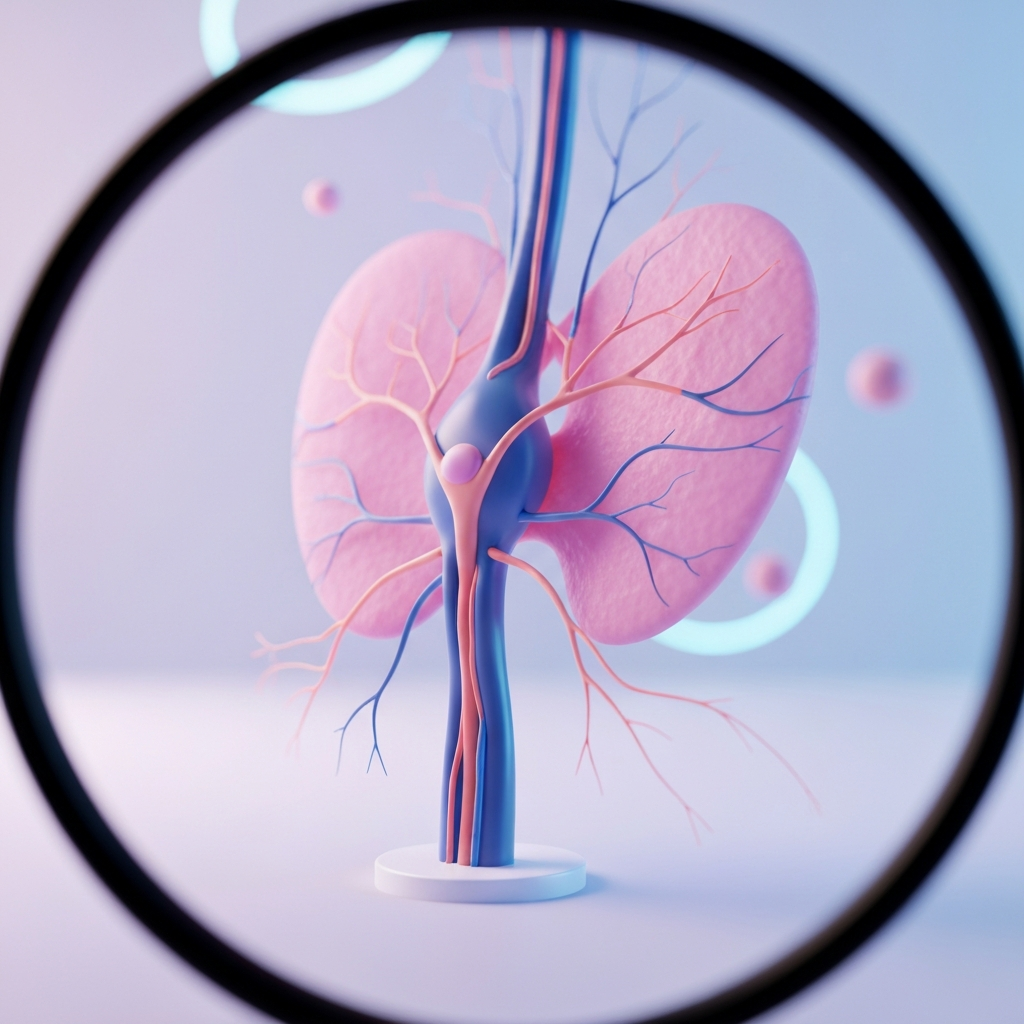
Welcome to WellnessHub.center, where we explore the fascinating intricacies of your body to empower your health journey. Today, we’re diving into a remarkable yet often overlooked player in your overall well-being: the vagus nerve. Often called the ‘wandering nerve’ due to its extensive reach, it’s a critical component of your autonomic nervous system, silently orchestrating many vital functions from your brainstem to your abdomen. Understanding and nurturing this nerve can unlock a profound sense of calm, resilience, and improved physical health.
What is the Vagus Nerve?
The vagus nerve (cranial nerve X) is the longest and most complex of the cranial nerves. It serves as a superhighway of communication, extending from your brainstem through your neck, chest, and into your abdomen, connecting the brain with your heart, lungs, digestive tract, and other major organs. It’s a primary component of the parasympathetic nervous system, responsible for the ‘rest and digest’ response – the opposite of the ‘fight or flight’ (sympathetic) response.
- It influences involuntary body functions such as heart rate, breathing, digestion, and immune response.
- It plays a crucial role in regulating stress, mood, and inflammation.
- Its bidirectional communication allows your brain to monitor and influence your internal organ states.
The Vagus Nerve and Your Well-being: A Master Regulator
The health and ‘tone’ of your vagus nerve profoundly impact your overall well-being. A high vagal tone means your vagus nerve is functioning optimally, allowing your body to relax faster after stress and maintain a balanced internal state. Medical consensus consistently supports the benefits of a well-functioning vagus nerve across multiple systems:
- Stress Reduction & Mental Health: By lowering heart rate and promoting relaxation, the vagus nerve helps mitigate anxiety, depression, and stress responses. It influences the release of neurotransmitters like serotonin and GABA, which are crucial for mood regulation.
- Improved Digestion: It regulates gut motility, enzyme release, and nutrient absorption. A healthy vagal tone is essential for conditions like IBS and helps reduce inflammation in the gut.
- Anti-inflammatory Effects: The vagus nerve can dampen systemic inflammation throughout the body, playing a key role in managing chronic inflammatory conditions.
- Heart Health: It helps maintain a healthy heart rate variability (HRV), an indicator of your body’s ability to adapt to stress and regulate cardiovascular function.
- Mood & Cognitive Function: Strong vagal tone is associated with greater resilience, improved focus, and better emotional regulation, fostering a sense of inner calm.
“The vagus nerve acts as a crucial bidirectional communication highway between your brain and vital organs, profoundly impacting your physical and emotional state. Nurturing it is a cornerstone of holistic wellness.”
How to Stimulate Your Vagus Nerve Naturally
The good news is that you don’t need invasive procedures to boost your vagal tone. Many simple, natural practices can effectively stimulate this vital nerve:
- Deep, Diaphragmatic Breathing: Slow, deep breaths that engage your diaphragm (belly breathing) are one of the most direct ways to activate the vagus nerve. Aim for 5-6 breaths per minute.
- Cold Exposure: Brief exposure to cold, like a cold shower, splashing cold water on your face, or an ice pack on your neck, can stimulate the vagus nerve.
- Humming, Chanting, or Singing: The vibrations produced in the throat stimulate the vagus nerve. Gargling vigorously can also have a similar effect.
- Meditation & Mindfulness: Practices that promote relaxation and present-moment awareness can significantly enhance vagal tone.
- Yoga & Tai Chi: These practices combine breathwork, movement, and mindfulness, all beneficial for vagus nerve activity.
- Probiotics & Healthy Gut Microbiome: Given the gut-brain axis connection, supporting gut health with a balanced diet and probiotics indirectly supports vagal function.
- Massage: Gentle massage around the neck and feet, particularly reflexology, can stimulate vagal pathways.
- Laughter & Social Connection: Genuine laughter and positive social interactions can activate the vagus nerve, promoting feelings of well-being.
When to Seek Professional Advice
While natural methods are often highly effective, it’s important to consult with a healthcare professional if you experience persistent symptoms like severe anxiety, chronic digestive issues, unexplained inflammation, or any other significant health concerns. They can help diagnose underlying conditions and guide you on the most appropriate course of action, which may include further investigation into vagus nerve function or other medical interventions.
The information provided on WellnessHub.center is for educational and informational purposes only and is not intended as medical advice. Always consult with a qualified healthcare professional for any health concerns or before making any decisions related to your health or treatment. References to studies (e.g., PubMed ID: 123456) and reviews (e.g., Healthline Review 2025) indicate that the content is informed by broad medical consensus and reliable health information, rather than specific, directly linked citations within this consumer-focused article.