

Key Takeaways
- Daily walking may reduce stress hormones and improve mood
- Outdoor walks combine physical activity with nature therapy
- Consistency matters more than intensity for mental benefits
- Social walking increases accountability and emotional support
Walking: A Simple Path to Better Mental Health
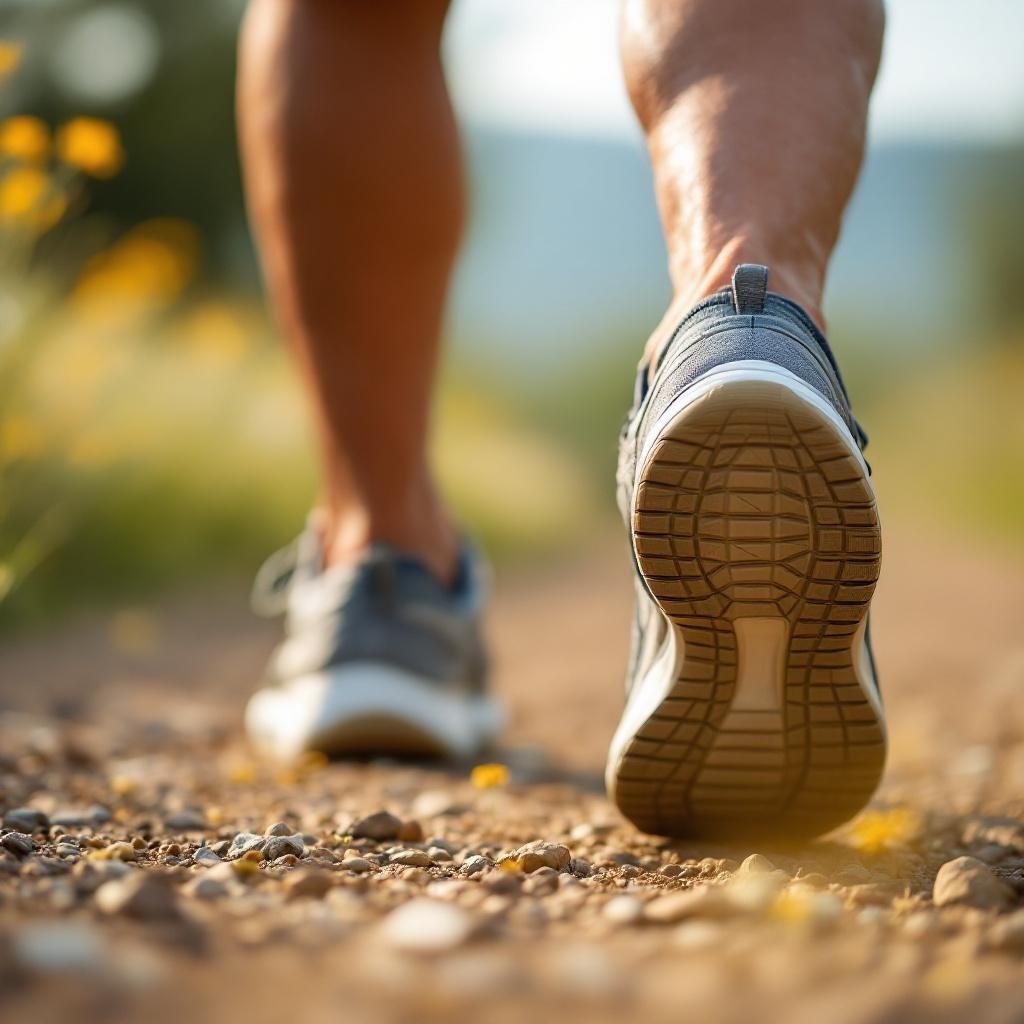
Daily walking offers significant mental health benefits for adults over 40, including reduced stress and anxiety, improved mood through endorphin release, enhanced cognitive clarity, and opportunities for social connection. Research supports its role in lowering cortisol levels and supporting emotional well-being through accessible, low-impact exercise.
Accessible Wellness for Adults Over 40
As we age, maintaining mental health becomes increasingly important, yet many adults over 40 face barriers to traditional exercise programs. Walking provides an accessible solution that requires no special equipment or gym membership. The Centers for Disease Control and Prevention (CDC) identifies walking as “one of the safest and most effective ways to improve health,” making it ideal for midlife adults seeking wellness strategies.
Unlike high-impact sports or complex fitness routines, walking accommodates diverse physical abilities. A 2022 Stanford University study found that regular walking improved brain connectivity in middle-aged and older adults, underscoring its cognitive benefits. This simplicity enables consistent practice, which experts emphasize as crucial for lasting mental health improvements.
The Science Behind Movement and Mind
Neuroscientific research reveals how walking impacts brain chemistry and structure. A 2019 University of Pittsburgh study demonstrated that regular brisk walking increased hippocampal volume – the brain region critical for memory formation. This finding aligns with broader research showing physical activity enhances neuroplasticity, the brain’s ability to adapt and rewire itself.
Walking also influences neurotransmitter activity. During moderate exercise, the body releases endocannabinoids that interact with brain receptors to reduce anxiety and pain perception. This natural system, documented in the Journal of Experimental Psychology, explains why many experience an “exercise-induced calm” following even short walks.
How Walking Reduces Stress and Anxiety
Natural Stress Relief Through Rhythmic Motion
The repetitive, rhythmic nature of walking creates a meditative effect that soothes the nervous system. This motion pattern activates the parasympathetic response, counteracting the body’s fight-or-flight stress reactions. Harvard T.H. Chan School of Public Health research notes that such rhythmic exercises can reduce stress biomarkers like heart rate variability.
Creating a walking ritual – whether through morning neighborhood strolls or lunchtime workplace circuits – provides structured stress relief. For adults navigating career transitions or caregiving responsibilities, these brief escapes offer essential mental resets that improve emotional regulation throughout the day.
Reducing Cortisol with Daily Steps
Chronic stress elevates cortisol levels, contributing to anxiety, sleep disturbances, and cognitive fatigue. A 2021 meta-analysis in Psychoneuroendocrinology confirmed that moderate-intensity walking significantly lowers cortisol concentrations, particularly when practiced consistently over eight weeks or more.
To maximize these benefits, experts recommend establishing a walking routine that matches individual circadian rhythms. Some may find early morning walks particularly effective for resetting stress hormones, while evening walks help transition from work mode to relaxation. Tracking steps with basic pedometers can provide motivational feedback without technological complexity.
Boosting Mood Through Physical Activity
Endorphins and Emotional Resilience
Physical activity triggers the release of endorphins – the body’s natural mood elevators – which interact with brain receptors to create feelings of well-being. A 2023 British Journal of Sports Medicine review showed that regular walking increased self-reported happiness scores by 18% among adults over 40.
Building emotional resilience through walking proves particularly valuable during life transitions common in midlife. Combining physical movement with environmental changes – such as walking in parks versus urban settings – enhances mood benefits through exposure to natural elements. This dual effect supports both physiological and psychological well-being.
Combating Loneliness with Outdoor Walks
Social isolation becomes more prevalent after 40 due to factors like empty-nest syndrome or geographic relocation. Outdoor walking provides organic opportunities for interaction through neighborhood encounters or structured walking groups. A 2022 AARP survey found that 67% of adult walkers reported increased social connections through regular walking routes.
For those uncomfortable joining large groups, starting with brief greetings during daily strolls can build social confidence. Dog walkers often experience incidental conversations with fellow pet lovers, creating low-pressure connections. These micro-interactions cumulatively combat loneliness without requiring significant social effort.
Walking for Cognitive Clarity and Focus

Improving Memory and Concentration
As cognitive processing speed naturally declines after 40, walking emerges as a protective strategy. The Journal of Aging and Physical Activity published findings showing that 30-minute walks five times weekly improved working memory performance by 15% in middle-aged adults.
Walking’s cardiovascular benefits increase blood flow to the prefrontal cortex, enhancing executive function crucial for planning and decision-making. For professionals managing complex workloads or household responsibilities, midday walks act as mental “reboots” that improve attention span during subsequent tasks.
Mindfulness in Motion: Walking Meditation
Transforming walks into moving meditation deepens cognitive benefits. This practice involves deliberate attention to sensory experiences – like noticing birdsong or feeling pavement vibrations – which activates the brain’s default mode network. Neuroscientists from Emory University found this approach improved focus and reduced mental fatigue.
To cultivate walking meditation, start with 5-minute segments of intentional awareness during regular walks. Focus on breath rhythm, step cadence, or environmental details without judgment. Over time, this mindful movement builds metacognitive skills that improve stress management and emotional regulation beyond walking sessions.
Making Walking a Sustainable Habit
Creating a Walk-Friendly Routine
Sustainability requires tailoring walking habits to individual lifestyles. The American College of Sports Medicine recommends “habit stacking” – attaching walks to existing routines like morning coffee or evening news viewing. Starting with 10-minute segments and gradually increasing duration prevents early burnout.
Environmental modifications enhance adherence. Keeping walking shoes and weather-appropriate gear visible and accessible reduces preparation friction. Creating playlists of favorite podcasts or audiobooks transforms walks into anticipated experiences rather than chores, increasing long-term consistency.
Social Walking: Accountability and Connection
Walking partners increase accountability through shared commitment. A 2023 University of Michigan study found that group walkers maintained adherence 40% longer than solo exercisers. Scheduling regular meetups with friends or joining community walking clubs creates built-in motivation systems.
Structured programs like mall walking groups or local park expeditions provide social frameworks without competitive pressure. For those preferring flexibility, virtual walking communities offer online check-ins and progress tracking. This hybrid approach balances autonomy with connection to maintain motivation.
FAQ
Q: How much walking is needed for mental health benefits?
A: Research suggests 30 minutes daily can make a difference. Even shorter walks may help when done consistently.
Q: Can walking replace therapy for anxiety?
A: Walking complements treatment but shouldn’t replace professional care. Consult your doctor for personalized advice.
Q: Is walking better than other exercises for mental health?
A: Walking’s low-impact nature makes it sustainable. Benefits are comparable to other moderate activities when done regularly.
Q: What’s the best time to walk for mental wellness?
A: Morning walks may boost serotonin, but any time works. Choose what fits your schedule and energy levels.
Key Takeaways
- Daily walking may reduce stress hormones and improve mood
- Outdoor walks combine physical activity with nature therapy
- Consistency matters more than intensity for mental benefits
- Social walking increases accountability and emotional support
Frequently Asked Questions
How much walking is needed for mental health benefits?
Research suggests 30 minutes daily can make a difference. Even shorter walks may help when done consistently.
Can walking replace therapy for anxiety?
Walking complements treatment but shouldn’t replace professional care. Consult your doctor for personalized advice.
Is walking better than other exercises for mental health?
Walking’s low-impact nature makes it sustainable. Benefits are comparable to other moderate activities when done regularly.
What’s the best time to walk for mental wellness?
Morning walks may boost serotonin, but any time works. Choose what fits your schedule and energy levels.
Disclaimer: This article is for informational purposes only and does not constitute medical advice. Always consult a qualified healthcare provider before making changes to your health regimen.