

Key Takeaways
- Prioritize varied protein sources, including plant-based options
- Focus on nutrient-dense foods over strict calorie counting
- Stay hydrated and mindful of changing sodium thresholds
- Regular check-ups help track how well you’re adapting to updates
Understanding Recent Nutrition Guideline Updates

Recent nutrition guideline changes for adults over 40 emphasize evolving scientific insights, age-related physiological shifts, and improved understanding of long-term wellness. Key updates include revised protein intake standards to address muscle preservation, adjusted vitamin D and calcium thresholds for bone health, and stricter sodium limits to protect cardiovascular systems. These evidence-based modifications reflect over a decade of research into aging populations, including findings from the National Institutes of Health and the Academy of Nutrition and Dietetics.
Why Guidelines Are Revised Periodically
nutrition recommendations undergo regular evaluations to incorporate new research findings, population health data, and technological advancements in nutritional science. The USDA and HHS typically update Dietary Guidelines every five years to ensure alignment with current evidence. Recent revisions stem from longitudinal studies tracking aging cohorts, improved biomarker analysis techniques, and emerging understanding of nutritional epigenetics. This iterative process helps maintain practical, science-backed guidance for optimal health outcomes.
Impact of Age-Related Metabolic Shifts
After 40, metabolic changes necessitate dietary adjustments. Basal metabolic rate declines by approximately 1-2% per decade, primarily due to reduced lean muscle mass. Insulin sensitivity decreases, and digestive efficiency often diminishes. These shifts make adults over 40 more susceptible to glucose imbalances, sarcopenia, and nutrient absorption challenges. Updated guidelines address these realities by modifying macronutrient proportions, emphasizing nutrient density, and adjusting micronutrient recommendations to compensate for decreased physiological efficiency.
Role of Emerging Nutrition Science
Breakthroughs in nutritional genetics and microbiome research reveal personalized nutrition approaches’ importance. Studies published in journals like *Cell Metabolism* and *The American Journal of Clinical Nutrition* demonstrate how specific nutrients affect cellular aging markers. New evidence on plant-based compounds’ anti-inflammatory properties and refined understanding of vitamin D’s immune-modulating capacities have directly shaped recent revisions. This scientific evolution ensures recommendations remain relevant to contemporary health challenges.
Key Changes Affecting Adults Over 40
Protein Intake Adjustments
The latest guidelines recommend increasing daily protein intake to 1.0-1.2g per kg of body weight for adults over 40, up from previous 0.8g/kg standards. This adjustment counteracts sarcopenia and strength loss through high-quality sources like fish, eggs, dairy, and plant-based proteins. Research from the European Society for Clinical Nutrition and Metabolism suggests distributing protein evenly across meals maximizes muscle protein synthesis, advocating for 25-30g per meal.
Vitamin D and Calcium Revisions
Updated recommendations maintain 1,200mg daily calcium for postmenopausal women and men over 70 but modify vitamin D guidance. The Endocrine Society now suggests 600-800 IU vitamin D daily for adults over 40, with serum level monitoring for those at risk of deficiency. These changes reflect studies showing vitamin D’s role in muscle function and immune health, particularly in individuals with limited sun exposure or darker skin tones.
Sodium and Sugar Recommendations
2023 AHA guidelines reduce recommended daily sodium from 2,300mg to 1,500mg for those aged 40+ to combat hypertension risks. Added sugar limits remain at 25g/day for women and 36g/day for men but emphasize hidden sugars in processed foods. The switch from “enough evidence” to “strong evidence” classifications for sugar’s role in cardiovascular disease appears in recent Dietary Guidelines, prompting stricter consumption advisories.
Practical Tips for Adapting to New Recommendations
Meal Planning Strategies
Incorporate protein sources into every meal using 25% plate space for lean proteins. Replace half your starch portions with non-starchy vegetables to improve micronutrient intake. Batch-prep roasted vegetables and hard-boiled eggs for quick, compliant snacks. Use digital food scales to accurately measure portions when transitioning to revised standards, particularly for calorie-dense foods like nuts and oils.
Reading Updated Nutrition Labels
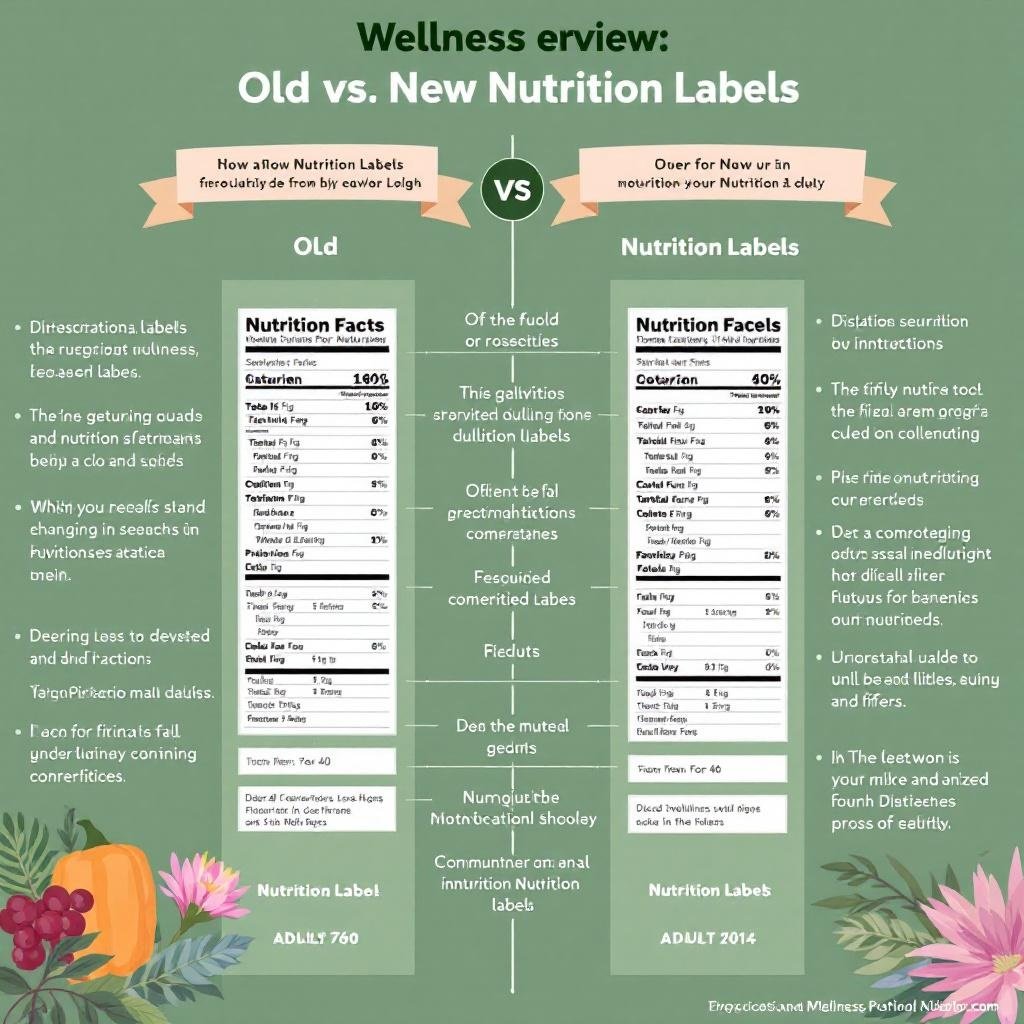
New FDA labeling requirements display added sugars, potassium, and vitamin D content prominently. Monitor “percent daily value” columns for sodium (aim below 15% per serving) and fiber (5g+ per serving preferred). Check ingredient lists for potassium chloride substitutions in low-sodium products. When comparing packaged foods, prioritize items with protein content above 10% DV per serving to meet updated requirements.
Balancing Macronutrients
Adopt a 40-30-30 macronutrient distribution pattern: 40% complex carbohydrates, 30% protein, 30% healthy fats. Choose whole grains over refined carbs to stabilize blood sugar, particularly beneficial for those with insulin resistance concerns. Use the “hand method” for portion control: one palm-sized protein portion, one fist of vegetables, one cupped handful of carbohydrates, and one thumb of fats at each meal.
Common Concerns and Misconceptions Addressed
Are Supplements Necessary Now?
While whole foods remain priority, some adults over 40 may benefit from targeted supplementation. The NIH advises vitamin D supplementation for those with limited sun exposure. Calcium supplements should only be taken under medical supervision due to cardiovascular concerns. Omega-3 supplements may complement dietary intake for those not consuming fatty fish twice weekly. Always consult healthcare providers before starting supplements, especially when taking medications.
Debunking Metabolism Myths
Contrary to popular belief, metabolic slowdown after 40 isn’t inevitable doom. Research shows regular resistance training preserves resting metabolism. The myth that “all calories are equal” ignores protein’s thermogenic effect and fiber’s impact on glycemic response. Similarly, eliminating entire macronutrient groups damages metabolic flexibility – balanced intake remains key. Stay hydrated as well, since proper hydration maintains metabolic efficiency.
Timing of Meals and Snacks
Emerging research suggests time-restricted eating patterns benefit some adults over 40, but individual responses vary. Eating windows between 7:00 AM-3:00 PM may suit those with glucose regulation concerns. Prioritize breakfast consumption to prevent midday energy crashes. If using intermittent fasting, maintain protein intake throughout feeding windows and stay vigilant about hydration during fasting periods.
FAQ Section
Q: What’s the biggest change in recent guidelines?
A: Increased emphasis on plant-based proteins and reduced sodium limits for heart health.
Q: How do these changes affect chronic conditions?
A: New guidelines suggest tailored approaches; consult your doctor for personalized plans.
Q: Are alcohol recommendations different now?
A: Yes, current guidance suggests lower consumption limits for better long-term wellness.
Q: Do I need to overhaul my current diet?
A: Small gradual changes, like swapping refined grains for whole grains, can make a big impact.
Key Takeaways
– Prioritize varied protein sources, including plant-based options
– Focus on nutrient-dense foods over strict calorie counting
– Stay hydrated and mindful of changing sodium thresholds
– Regular check-ups help track how well you’re adapting to updates
Frequently Asked Questions
What’s the biggest change in recent guidelines?
Increased emphasis on plant-based proteins and reduced sodium limits for heart health.
How do these changes affect chronic conditions?
New guidelines suggest tailored approaches; consult your doctor for personalized plans.
Are alcohol recommendations different now?
Yes, current guidance suggests lower consumption limits for better long-term wellness.
Do I need to overhaul my current diet?
Small gradual changes, like swapping refined grains for whole grains, can make a big impact.
Disclaimer: This article is for informational purposes only and does not constitute medical advice. Always consult a qualified healthcare provider before making changes to your health regimen.