

Key Takeaways
- 4-month-olds typically sleep 14-16 hours daily with multiple naps
- Sleep regression around this age is normal and temporary
- Consistent routines and sleep environment improve sleep quality
- Consult a pediatrician if sleep issues persist despite adjustments
Understanding the 4-Month Sleep Regression
A 4-month-old’s sleep schedule often shifts due to developmental changes, leading to frequent night wakings and shorter naps. Around 4 months, babies begin consolidating sleep into nighttime, but this transition can cause temporary disruptions. Most infants require 14–16 hours of sleep daily, with 8–10 hours at night and the rest split across 3–4 daytime naps1. Understanding this phase helps parents adapt routines to support healthy sleep habits.

Common Signs of Sleep Regression
The 4-month sleep regression typically manifests as increased night wakings, difficulty falling asleep, and resistance to naps. Babies may cry more during transitions to sleep or wake up shortly after being put down. These changes often coincide with developmental milestones, such as improved motor skills or heightened awareness of their surroundings. Recognizing these signs early allows parents to adjust routines proactively.
How Long Does It Last?
While frustrating, the 4-month sleep regression usually lasts 2–6 weeks. Some infants adapt quickly, while others take longer to settle into a new pattern. Consistency in sleep practices and a calming environment can shorten this period. Research suggests that maintaining predictable bedtime rituals helps babies re-establish restful sleep faster2. Patience during this phase supports long-term healthy sleep habits.
Creating a Consistent Bedtime Routine
Establishing a reliable bedtime routine is crucial for 4-month-olds. A 2020 study in Pediatrics found that consistent bedtime practices improve sleep onset and reduce night wakings in infants3. Start by setting a fixed bedtime (between 7:00–8:30 PM is typical) and follow the same sequence nightly—such as a warm bath, gentle massage, and quiet rocking—to signal sleep readiness.
Ideal Bedtime Environment
A dark, quiet room with a cool temperature (65–70°F) promotes optimal sleep for 4-month-olds. Consider using a white noise machine to create a soothing background sound that mimics the womb environment. Avoid overstimulating activities close to bedtime, and ensure the crib or bassinet has a firm mattress with no loose bedding to reduce suffocation risks4.
Soothing Techniques for Sleep
Self-soothing skills begin developing around 4 months, but babies still need gentle support. Techniques like swaddling (if still comfortable), offering a pacifier, or providing a consistent sleep cue (e.g., a lullaby) can help. Gradually reduce physical intervention over weeks to encourage independent sleep. Remember: What works varies by baby—stay flexible and responsive to your child’s needs.
Daytime Napping Patterns and Duration
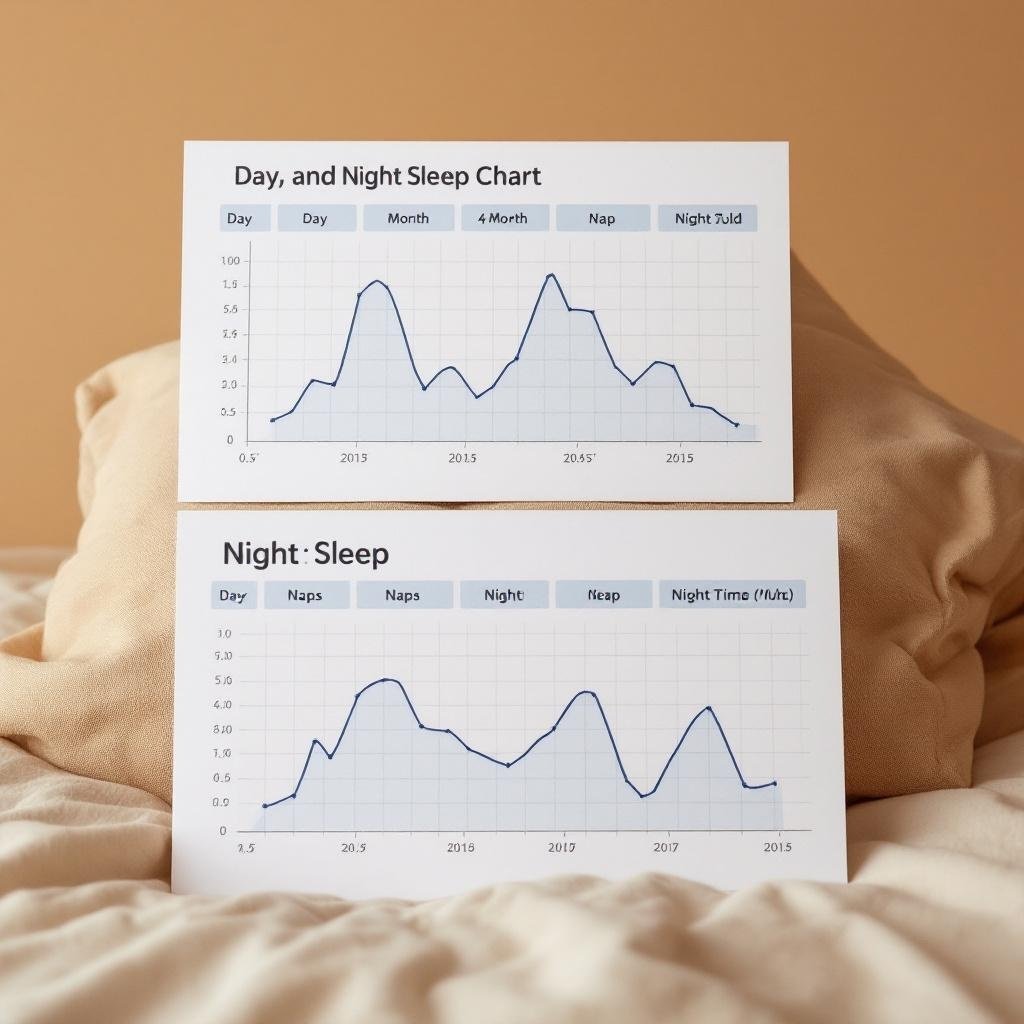
At 4 months, most babies require 3–4 naps daily, totaling 4–6 hours of daytime sleep. Nap lengths vary widely, from 30-minute “catnaps” to 1–2 hour sessions. A typical schedule might include morning naps around 9:00–10:00 AM, an early afternoon nap, and a shorter late afternoon “catnap.” Avoid letting babies nap too close to bedtime to prevent nighttime disruptions.
How Many Naps Does a 4-Month-Old Need?
Three structured naps work best for most 4-month-olds, though some may still take four. Watch for sleep cues like eye rubbing or fussiness to determine optimal nap timing. Over-scheduled naps can lead to overtiredness, while too few may result in sleep debt. A personalized approach guided by your baby’s behavior is more effective than rigid scheduling.
Signs of Over-Tiredness
Over-tiredness in 4-month-olds often looks like increased crying, difficulty settling, or “second wind” hyperactivity. Missing sleep windows can worsen sleep quality and prolong the regression phase. Aim to put your baby down within 1–1.5 hours of waking. If overtiredness persists despite adjustments, consult your pediatrician to rule out discomfort or developmental delays.
Nutrition and Sleep: What to Consider
Nutrition plays a critical role in sleep patterns. At 4 months, most babies still rely on formula or breast milk exclusively. Night feedings may decrease as appetite grows during the day. However, some infants require one or two night feedings, especially if they’re not consuming enough calories during waking hours. Balance feeding needs with opportunities to extend nighttime sleep stretches.
Feeding Times and Sleep Cycles
Align daytime feedings with natural wakefulness periods—typically every 2.5–3.5 hours. Avoid feeding immediately before bedtime unless it’s part of your routine, as this may create an association between eating and falling asleep. If your baby wakes at night, wait 5–10 minutes before offering a feed to see if they can self-soothe back to sleep. Gradually lengthening wakeful intervals during the day supports longer nighttime sleep.
Recognizing Hunger Cues at Night
True hunger cues at night include waking easily when touched, rooting, and vigorous sucking. Pacifying with a bottle or breast without these signs may inadvertently reinforce night wakings. If your baby consistently wakes for feeds but shows no growth concerns or low urine output, discuss gradual night weaning strategies with your pediatrician.
When to Seek Professional Guidance
While sleep changes are normal at 4 months, certain red flags warrant pediatrician consultation. These include consistently sleeping less than 12 hours daily, failure to gain weight, prolonged crying spells, or resistance to sleep despite optimal routines. If your baby suddenly rejects naps or shows physical discomfort (e.g., arching back or difficulty breathing), seek medical evaluation to rule out reflux, allergies, or other health issues.
Red Flags for Sleep Issues
Monitor for persistent sleep disruptions beyond 6–8 weeks, breathing pauses lasting more than 10 seconds, or excessive daytime sleepiness. These may indicate sleep apnea, colic, or nutritional deficiencies. Trust your instincts—if something feels off, early intervention ensures your baby’s health and development stay on track.
Consulting Your Pediatrician
When discussing sleep concerns with your pediatrician, come prepared with a sleep log noting nap times, night wakings, feeding schedules, and any behavioral changes. Ask about safe sleep training methods suited to your baby’s temperament. Most issues resolve with minor adjustments, but professional guidance provides reassurance and targeted solutions.
References:
- American Academy of Pediatrics
- Pediatrics Journal, 2020 Study
- CDC Sleep Guidelines
- Journal of Clinical Sleep Medicine
Frequently Asked Questions
How many hours should a 4-month-old sleep daily?
Most 4-month-olds need 14-16 hours of sleep across naps and nighttime. Individual variations exist, but consistency in sleep patterns is key.
Is the 4-month sleep regression normal?
Yes, sleep disruptions around 4 months are common due to developmental changes. Establishing routines can help ease the transition.
Should I wake a 4-month-old from daytime naps?
Generally avoid waking unless advised by a pediatrician. Letting babies complete natural nap cycles supports healthy sleep development.
What if my baby resists the sleep schedule?
Try adjusting timing or environment. If issues persist, consult your pediatrician to rule out underlying causes like reflux or discomfort.
Disclaimer: This article is for informational purposes only and does not constitute medical advice. Always consult a qualified healthcare provider before making changes to your health regimen.