

Key Takeaways
- Almonds provide calcium and magnesium for bone health
- Rich in antioxidants that combat cellular stress
- Healthy fats support cardiovascular wellness
- Versatile snack option for balanced nutrition
Why Almonds Are a Superfood for Women’s Health
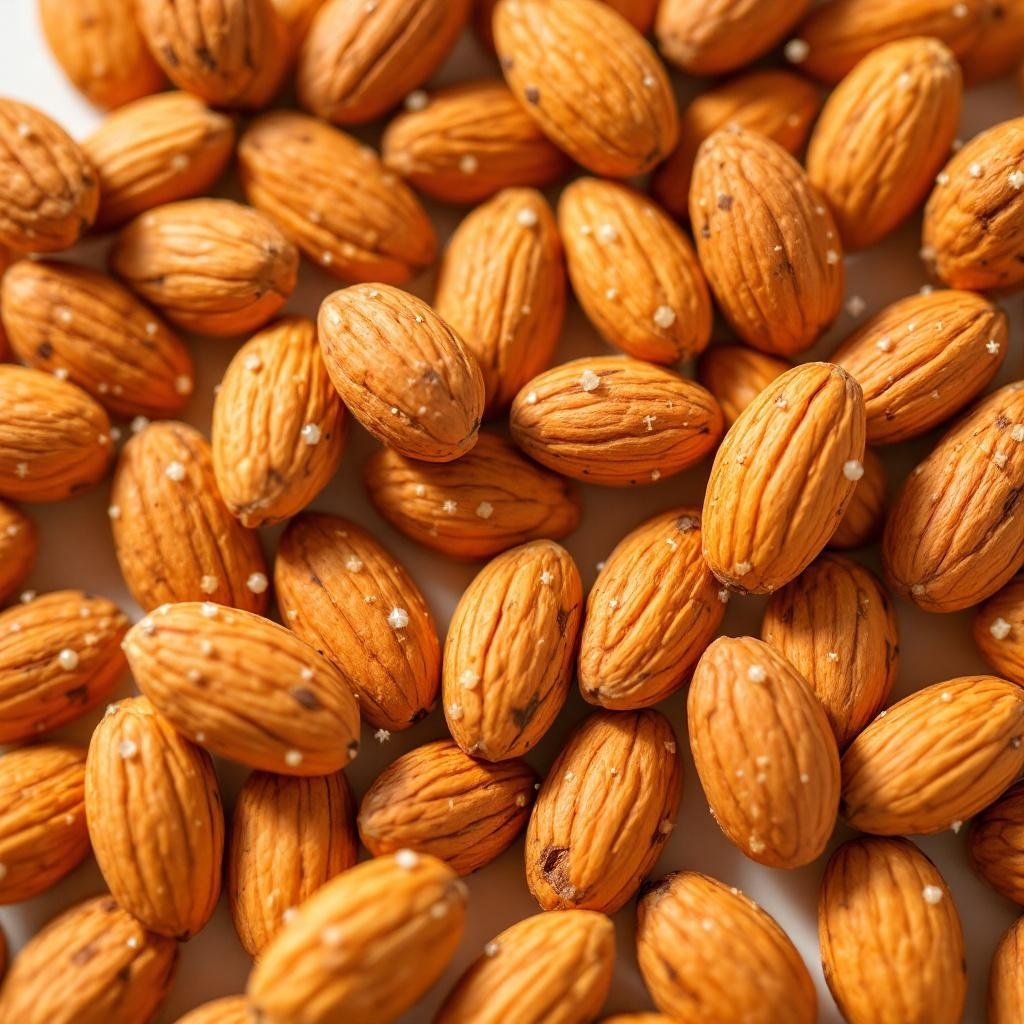
Almonds offer unique health benefits for women over 40, making them a true superfood. Rich in antioxidants, heart-healthy fats, and essential nutrients, they support cellular health, hormonal balance, and bone strength. Research shows almonds may help maintain cholesterol levels already within a normal range while providing calcium and magnesium crucial for postmenopausal wellness. Their versatility makes them easy to incorporate into daily meals.
Antioxidant Power for Cellular Health
Almonds are exceptionally high in vitamin E and polyphenols, antioxidants that combat oxidative stress linked to aging and chronic disease. A 2016 study in Nutrients found that regular almond consumption increased antioxidant activity in middle-aged adults. This protective effect may help counteract cellular damage that accelerates after age 40, supporting overall vitality.
The skin of almonds contains flavonoids that work synergistically with vitamin E to reduce inflammation. Experts recommend eating almonds with the skin intact for maximum benefit. A 1-ounce serving (about 23 almonds) provides approximately 7.4 mg of vitamin E – nearly half the recommended daily intake for women.
Heart-Healthy Fats for Cholesterol Control
Monounsaturated fats make up about 66% of almonds’ fat content, a profile similar to olive oil. The American Heart Association recognizes these fats for their role in supporting healthy cholesterol levels. Clinical trials, including a 2021 meta-analysis in The Journal of Nutrition, show almonds may reduce LDL (“bad”) cholesterol by 5-10% when consumed daily as part of a balanced diet.
Almonds also contain plant sterols that block cholesterol absorption. Their unique combination of healthy fats, fiber, and protein creates a heart-protective trio. Registered dietitians often recommend replacing saturated fat sources with almonds to support cardiovascular wellness in midlife women.
Key Nutrients in Almonds Supporting Women
As women age, maintaining nutrient density becomes increasingly important. Almonds provide concentrated sources of calcium, iron, and other minerals often lacking in modern diets. A 2022 analysis in Frontiers in Nutrition found regular almond consumption improved nutrient adequacy scores in middle-aged women.
Calcium for Bone Strength
While dairy remains a primary calcium source, almonds offer a plant-based alternative critical for women over 40 who may develop lactose intolerance. One ounce provides about 75 mg of calcium – roughly equivalent to 1/4 cup of milk. They also contain magnesium and phosphorus, minerals essential for bone mineralization.
Bone density declines accelerate after age 35, making midlife nutrition crucial. Research suggests almonds’ calcium is well-absorbed when consumed with vitamin D-rich foods. Pairing them with fortified plant milks or sunlight exposure enhances calcium utilization. Experts recommend including almonds as part of a comprehensive bone health strategy.
Iron to Support Energy Levels
Iron deficiency remains common among women of all ages, with fatigue being a primary symptom. Almonds contain 1.1 mg of iron per ounce – modest, but valuable when combined with other plant sources. Their copper content enhances iron absorption, addressing potential energy deficits.
Vegans and vegetarians particularly benefit from almonds’ iron content. Combining them with vitamin C-rich foods like bell peppers or citrus improves bioavailability. While not a replacement for heme iron from animal sources, almonds offer a gentle way to maintain healthy iron stores without iron overload risks.
How Almonds Aid Hormonal Balance

Midlife hormone shifts require nutritional support, and almonds deliver two key components: magnesium and essential fatty acids. These nutrients play critical roles in stress response and hormone production. A 2020 study in Nutrients found magnesium-rich diets improved sleep quality and reduced anxiety in perimenopausal women.
Magnesium and Stress Reduction
Almonds rank among the best dietary sources of magnesium, providing 20% of daily needs per ounce. This mineral regulates the hypothalamic-pituitary-adrenal (HPA) axis, which controls the body’s stress response. Deficiencies have been linked to increased cortisol levels and mood disturbances.
Experts recommend magnesium-rich foods like almonds for managing menopause-related stress. Clinical trials show magnesium supplementation reduces hot flashes and improves sleep quality. While almonds shouldn’t replace medical treatment, their magnesium content supports overall hormonal harmony.
Healthy Fats for Hormone Production
Steroid hormones like estrogen, progesterone, and testosterone require cholesterol for synthesis. Almonds provide the building blocks through their combination of monounsaturated fats and cholesterol-lowering plant sterols. These fats maintain cell membrane fluidity essential for hormone receptor function.
Chronic low-fat diets may disrupt hormonal balance, particularly during menopause. Almonds offer a balanced fat profile without excessive omega-6 fatty acids. Nutritionists recommend them as part of a comprehensive dietary approach to maintain healthy hormone levels and support endocrine function.
Incorporating Almonds into Your Daily Diet
Practical integration of almonds supports long-term health benefits. Registered dietitians suggest creative ways to enjoy them without over-consuming calories. Mindful portioning (1 ounce daily) maintains nutritional benefits while preventing unwanted weight gain.
Snack Ideas with Almonds
Raw or dry-roasted almonds make convenient snacks, but creative pairings enhance both flavor and nutrition. Combine them with dried fruit for an antioxidant-rich trail mix, or sprinkle over Greek yogurt for added crunch. For a savory option, try cinnamon-seasoned almonds as a low-sugar energy booster.
Pre-portioning almonds into small bags prevents overeating. Pairing with protein sources like cheese sticks or hard-boiled eggs creates balanced snacks that sustain energy levels. Nutrition experts advise against sugary almond products that negate health benefits through added sweeteners.
Almond-Based Recipes for Breakfast
Start mornings with almond butter blended into smoothies or spread on whole-grain toast. For a warming option, create chia seed pudding with almond milk and fresh berries. Almond flour works well in pancake batters, providing a gluten-free alternative with enhanced protein content.
Overnight oats with almond pieces and flaxseeds offer sustained energy release. Consider almond-based granola made with coconut oil and natural sweeteners for a crunchy topping. These recipes support blood sugar balance, which becomes increasingly important after age 40.
Frequently Asked Questions
Q: Can almonds help with menopause symptoms?
A: Almonds may support hormonal balance due to magnesium and healthy fats. Research suggests they could help reduce menopause-related stress and fatigue.
Q: How many almonds should women eat daily?
A: A handful (about 1 ounce) daily is recommended. Consult your doctor for personalized advice based on dietary needs.
Q: Are almonds good for skin health?
A: Almonds contain vitamin E and antioxidants that may protect skin from oxidative stress. They may help maintain skin elasticity and radiance.
Q: Do almonds support heart health in women?
A: Yes, almonds contain monounsaturated fats that may improve cholesterol levels. They may also support arterial health when consumed as part of a balanced diet.
Key Takeaways
- Almonds provide calcium and magnesium for bone health
- Rich in antioxidants that combat cellular stress
- Healthy fats support cardiovascular wellness
- Versatile snack option for balanced nutrition
Frequently Asked Questions
Can almonds help with menopause symptoms?
Almonds may support hormonal balance due to magnesium and healthy fats. Research suggests they could help reduce menopause-related stress and fatigue.
How many almonds should women eat daily?
A handful (about 1 ounce) daily is recommended. Consult your doctor for personalized advice based on dietary needs.
Are almonds good for skin health?
Almonds contain vitamin E and antioxidants that may protect skin from oxidative stress. They may help maintain skin elasticity and radiance.
Do almonds support heart health in women?
Yes, almonds contain monounsaturated fats that may improve cholesterol levels. They may also support arterial health when consumed as part of a balanced diet.
Disclaimer: This article is for informational purposes only and does not constitute medical advice. Always consult a qualified healthcare provider before making changes to your health regimen.