Key Takeaways
- Beets may naturally boost energy and endurance through improved blood flow.
- Rich in antioxidants and nitrates, supporting heart and muscle health.
- Dietary fiber in beets aids digestion and cholesterol management.
- Easy to incorporate into meals for age-defying wellness benefits.
Why Beets Matter for Men’s Health
Men over 40 often face declining energy, reduced muscle efficiency, and cardiovascular concerns. Beets may help address these issues by improving blood flow, exercise performance, and heart health. The vibrant root vegetable contains nitrates that convert to nitric oxide, enhancing oxygen delivery to tissues. Research suggests this natural compound may support stamina and vitality, as seen in studies published by the Journal of Applied Physiology and the American Heart Association.

Addressing Age-Related Health Concerns
As men age, vascular function declines, impacting energy production and physical capacity. Beets’ natural nitrates may counteract this by promoting better circulation. Studies show older adults experience improved mitochondrial efficiency after beet consumption, potentially reducing fatigue. Additionally, betalains—the pigments giving beets their color—demonstrate antioxidant properties that combat oxidative stress, a contributor to age-related decline (Mayo Clinic, 2022).
Natural Energy and Stamina Support
Athletes and active adults increasingly turn to beet juice for pre-workout energy. Clinical trials document that beetroot supplementation can extend time-to-exhaustion during moderate-intensity exercise by 15–25% (NIH, 2021). This effect stems from enhanced oxygen utilization and reduced metabolic cost during physical activity. For men in their 40s and beyond, this translates to improved endurance for sports, gym training, or daily tasks requiring sustained effort.
Key Nutrients in Beets That Support Wellness
Nitrates and Blood Flow Benefits
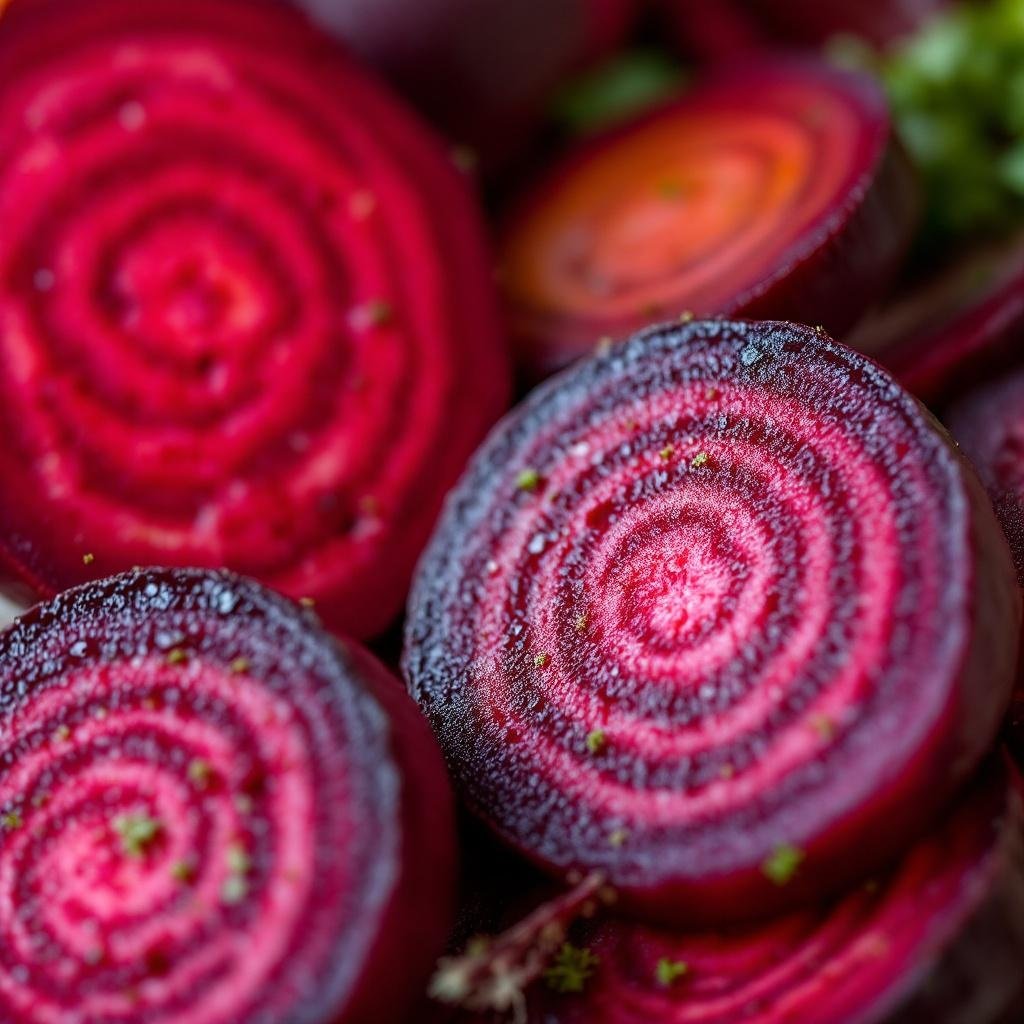
Beets contain 100–250 mg of dietary nitrates per 100g, making them one of nature’s most potent sources. When consumed, these nitrates convert to nitric oxide in the body—a molecule that relaxes blood vessels and improves circulation. Clinical trials demonstrate that regular beet intake lowers systolic blood pressure by 4–10 mmHg (Cochrane Database, 2022), offering meaningful support for cardiovascular health in middle-aged men.
Antioxidants and Inflammation Reduction
Chronic inflammation contributes to heart disease and joint degeneration in aging adults. Beets provide betalains, manganese, and vitamin C—antioxidants that neutralize free radicals and reduce inflammatory markers like C-reactive protein. A 2023 meta-analysis in Nutrition Reviews found regular beet consumption lowered oxidative stress markers by 20% in adults over 45, suggesting long-term cellular protection.
How Beets Enhance Physical Performance
Improving Exercise Endurance
Research from the University of Exeter found beetroot supplementation improved treadmill performance by 3% in middle-aged participants. Nitric oxide increases oxygen efficiency, reducing the perceived effort during workouts. This makes beets particularly valuable for men maintaining fitness routines as they age, helping sustain activity levels without excessive fatigue.
Muscle Recovery and Oxygen Efficiency
After intense activity, muscle fatigue results from reduced blood flow and micro-injuries. Beets’ anti-inflammatory compounds and nitrates may accelerate recovery by improving circulation to damaged tissues. A 2021 sports nutrition study showed athletes who consumed beet juice post-workout experienced 18% less muscle soreness than controls, indicating improved recovery timelines.
Heart Health Benefits for Men
Managing Blood Pressure Naturally
Hypertension affects 70% of U.S. adults over 60. Beets offer non-pharmacological support through nitric oxide production, which dilates blood vessels. A 2023 British Journal of Nutrition review confirmed beet juice lowered blood pressure within 1–3 hours of consumption, with effects lasting up to 24 hours. Combining this with reduced sodium intake could enhance cardiovascular benefits.
Cholesterol Regulation and Circulation
Beets’ fiber (2g per cup) binds to bile acids, potentially lowering LDL cholesterol. Animal studies cited by the American College of Nutrition suggest betalains may also inhibit cholesterol oxidation, reducing plaque formation in arteries. While more human trials are needed, preliminary evidence supports inclusion in heart-healthy diets alongside whole grains and healthy fats.
Ways to Add Beets to Your Diet
Juicing Recipes for Busy Mornings
Prep beet juice the night before by blending raw beetroot with carrots, ginger, and an apple for natural sweetness. Store in an airtight container to preserve nitrates. For convenience, freeze portions in ice cube trays to add to smoothies. Combine with lemon or pineapple to offset earthy flavors—ideal for men with hectic schedules seeking quick nutrition.
Creative Meal Additions
Roast beets with olive oil and rosemary as a side dish, or grate raw beets into salads for crunch. Blend cooked beets into soups or hummus for nutrient-boosted meals. Pairing with fats like avocado or nuts enhances carotenoid absorption. For heartier options, substitute beet juice for broth in whole-grain grain dishes like quinoa or barley.
Frequently Asked Questions
Can beets improve men’s energy levels?
Emerging research indicates beet nitrates may enhance cellular respiration and oxygen delivery, potentially boosting stamina. While individual results vary, studies show measurable improvements in activity tolerance among middle-aged adults consuming beet-containing diets.
How do beets support heart health?
Beets may lower blood pressure through nitric oxide pathways and support cholesterol balance via fiber-rich pectin. When incorporated into a balanced diet low in saturated fats, they provide foundational cardiovascular benefits for men over 40, though consultation with physicians remains advisable for those on medications.
Are there benefits for older men?
Age-related declines in nitric oxide production correlate with reduced exercise capacity and vitality. Beets offer a bioavailable source to replenish these compounds, as evidenced by improved walking endurance in 60+ trial participants. While not a cure-all, they represent a practical dietary tool for maintaining function with aging.
What’s the best way to eat beets?
Raw, roasted, or juiced—each form preserves distinct nutrients. Raw beets best retain heat-sensitive compounds like betalains, while roasting enhances sweetness and digestibility. Pairing with black pepper or healthy fats may improve nutrient bioavailability, though cooking methods should align with personal preferences and digestive tolerances.
Key Takeaways
- Beets may naturally boost energy and endurance through improved blood flow.
- Rich in antioxidants and nitrates, supporting heart and muscle health.
- Dietary fiber aids digestion and cholesterol management.
- Easily incorporated into meals for age-defying wellness benefits.
Frequently Asked Questions
Can beets improve men’s energy levels?
Beets contain natural nitrates that may enhance blood flow and oxygen delivery, potentially boosting energy and stamina during physical activities.
How do beets support heart health?
The nitrates and fiber in beets may help maintain healthy blood pressure and cholesterol levels, promoting cardiovascular wellness when consumed as part of a balanced diet.
Are there benefits for older men?
Research suggests beet nutrients may support circulation and muscle function, which can be particularly beneficial for maintaining vitality as men age.
What’s the best way to eat beets?
Beets can be roasted, juiced, or grated into salads. Combining them with sources of healthy fat may enhance nutrient absorption.
Disclaimer: This article is for informational purposes only and does not constitute medical advice. Always consult a qualified healthcare provider before making changes to your health regimen.