
Yoga Might Not Be the Stress Relief You Expected
In a world increasingly defined by chaos and uncertainty, the search for solace has led many to the tranquil realms of yoga. This ancient practice, with its promise of inner peace and relaxation, ofen appears as the antidote to modern stressors. However, as we stretch and breathe our way through sun salutations and downward dogs, the reality may not align with our expectations. What if the very practice designed to soothe our minds and bodies sometiems falls short? In this exploration, we delve into the complexities of yoga as a stress relief tool, examining both its potential and its pitfalls. Prepare to navigate the nuanced landscape where tranquility meets expectation, and discover why yoga might not always deliver the peace we seek.
Exploring the Hidden Layers of Yoga’s Stress Relief Potential
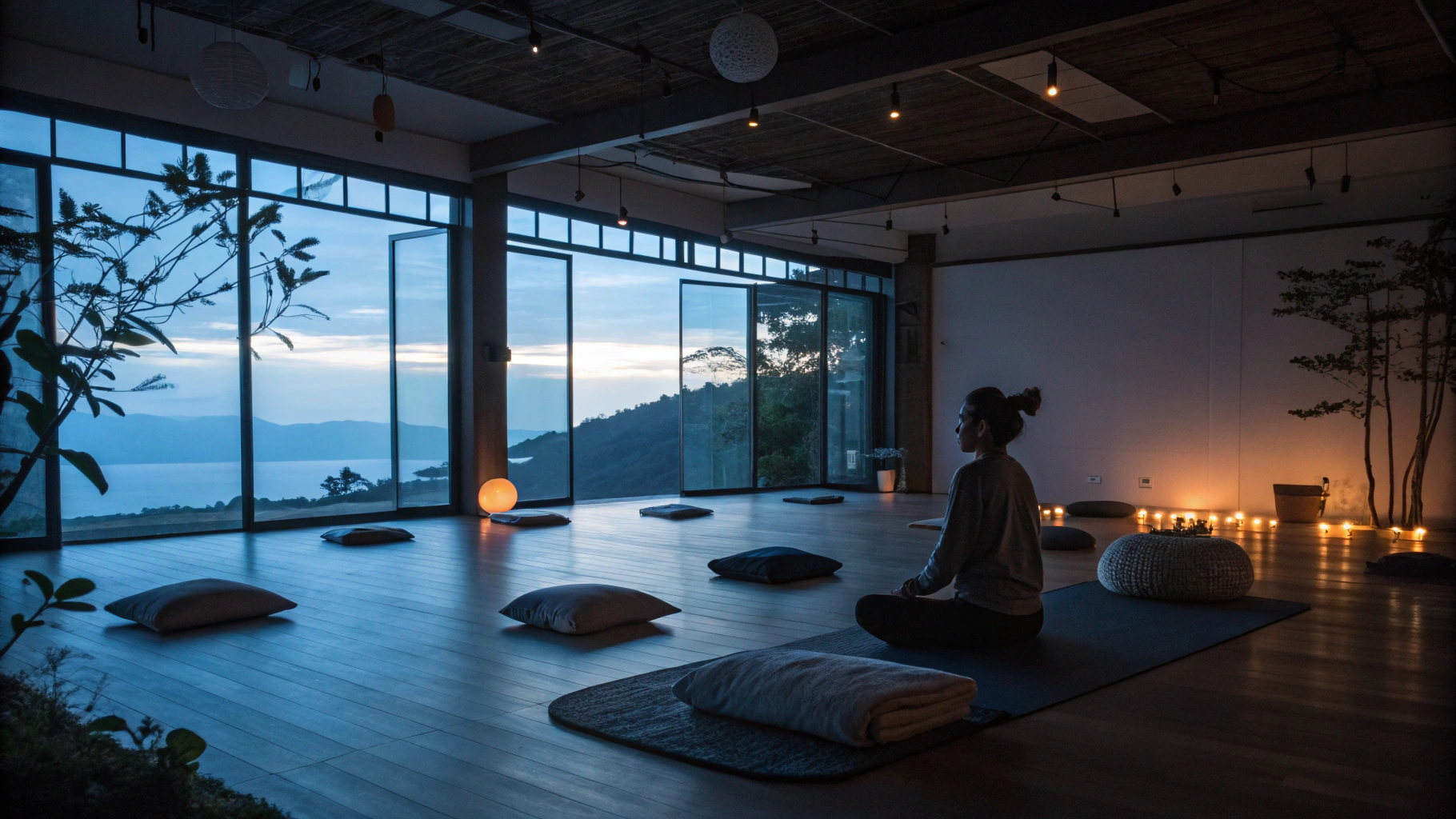
When we think of yoga, images of serene landscapes and calming poses often come to mind. Though, beneath this tranquil facade lies a complex interplay between mind and body that can both ease and exacerbate stress. exploring yoga’s true potential for relieving stress involves delving into its physiological, psychological, and even philosophical layers. While the physical practice of yoga offers benefits such as improved adaptability and strength, it is the mental discipline and breathing techniques that create the most important impact on stress levels. Here are some dimensions to consider:
- Mindfulness Practice: engaging in mindful awareness can transform how we perceive stressors.
- Breathing Techniques: Controlled breath (pranayama) can shift the body from a state of fight-or-flight to relaxation.
- Community Dynamics: Participating in group classes can provide social support, which enhances overall well-being.
However, not all yoga practices contribute equally to stress relief. Some styles may inadvertently heighten anxiety levels, particularly in those who experience competitiveness or self-judgment during sessions. Understanding the relationship between the type of practice and individual experience is crucial. To illustrate this,consider the following table,which summarizes various yoga styles and their potential stress-relief efficacy:
| Yoga Style | Stress Relief Potential |
|---|---|
| Hatha | Moderate |
| Vinyasa | Variable |
| Restorative | High |
| Ashtanga | Lower |
 Understanding Individual Responses to Yoga Practices
Not everyone experiences the same sense of tranquility after a yoga session,and several factors contribute to these varying responses. Individual differences such as emotional state, previous experiences, and physical condition can significantly influence how one perceives and reacts to yoga practices. For some, the practice encourages a profound sense of calm and well-being, while others may find themselves feeling more anxious or restless. This unpredictability underscores the importance of personalized approaches when integrating yoga into one’s routine.
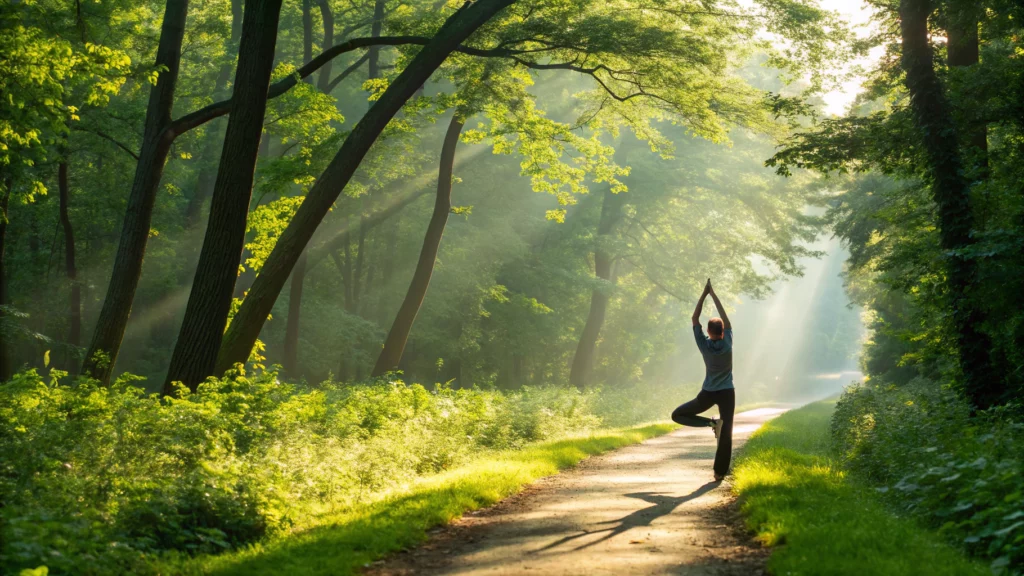
Moreover, the habitat in which yoga is practiced plays a crucial role.A supportive atmosphere can heighten feelings of safety and relaxation, whereas a distracting or unfamiliar setting may lead to discomfort. Here are some factors that can shape individual experiences with yoga:
- Type of yoga: Different styles cater to various needs and responses.
- Instructor’s approach: Teaching style can greatly affect comfort and engagement.
- Class size: Smaller groups often foster a more intimate and personal environment.
- Personal mindset: Willingness and openness can enhance or hinder experiences.
| response | Possible Causes |
|---|---|
| Increased anxiety | Unfamiliarity with poses or social settings |
| Sense of peace | Agreeable environment and familiar practice |
| Physical discomfort | Improper alignment or physical limitations |
| Empowerment | Mastering difficult poses or self-discovery |
Identifying Alternative Practices for Effective Stress Management
While conventional practices like yoga are often touted as panaceas for stress relief, it’s crucial to explore a wider array of alternatives that might resonate more effectively with your personal needs. Consider activities that engage both body and mind, such as:
- Meditation and Mindfulness: Simple breathing exercises or guided meditation can definitely help cultivate a sense of calm.
- Nature Walks: Immersing yourself in nature helps ground your thoughts and provides a refreshing escape.
- Creative Arts: Painting, writing, or playing music can be therapeutic outlets for stress.
- Massage Therapy: Physical manipulation can relieve tension in your body and boost your mood.
Another innovative approach to stress management could involve integrating technology and community engagement. Consider the following options:
| Tech-Based solutions | Social Activities |
|---|---|
| Apps for Guided Relaxation: Tools like Headspace can guide you through brief relaxation techniques. | Group Hobbies: Join a local club or workshop to combine learning and social interaction. |
| Virtual Reality Experiences: Use VR to escape into calm environments and nature settings. | Volunteer Work: Helping others can provide a profound sense of purpose and community. |
 Tailoring Your Wellness Journey: Combining Yoga with Other Techniques
While yoga has long been celebrated for its ability to promote relaxation and mindfulness, it may not be the silver bullet for everyone grappling with stress and anxiety. To enhance the benefits of your practice, consider integrating other holistic approaches that can complement and elevate your wellness journey. As an example, you might find value in:
- Meditation: Pairing deep breathing exercises with yoga can increase mental clarity and emotional resilience.
- Nature Therapy: Spending time outdoors post-yoga can enhance grounding effects and renew energy.
- Art Therapy: Creative outlets can provide a powerful emotional release after an intensive yoga session.
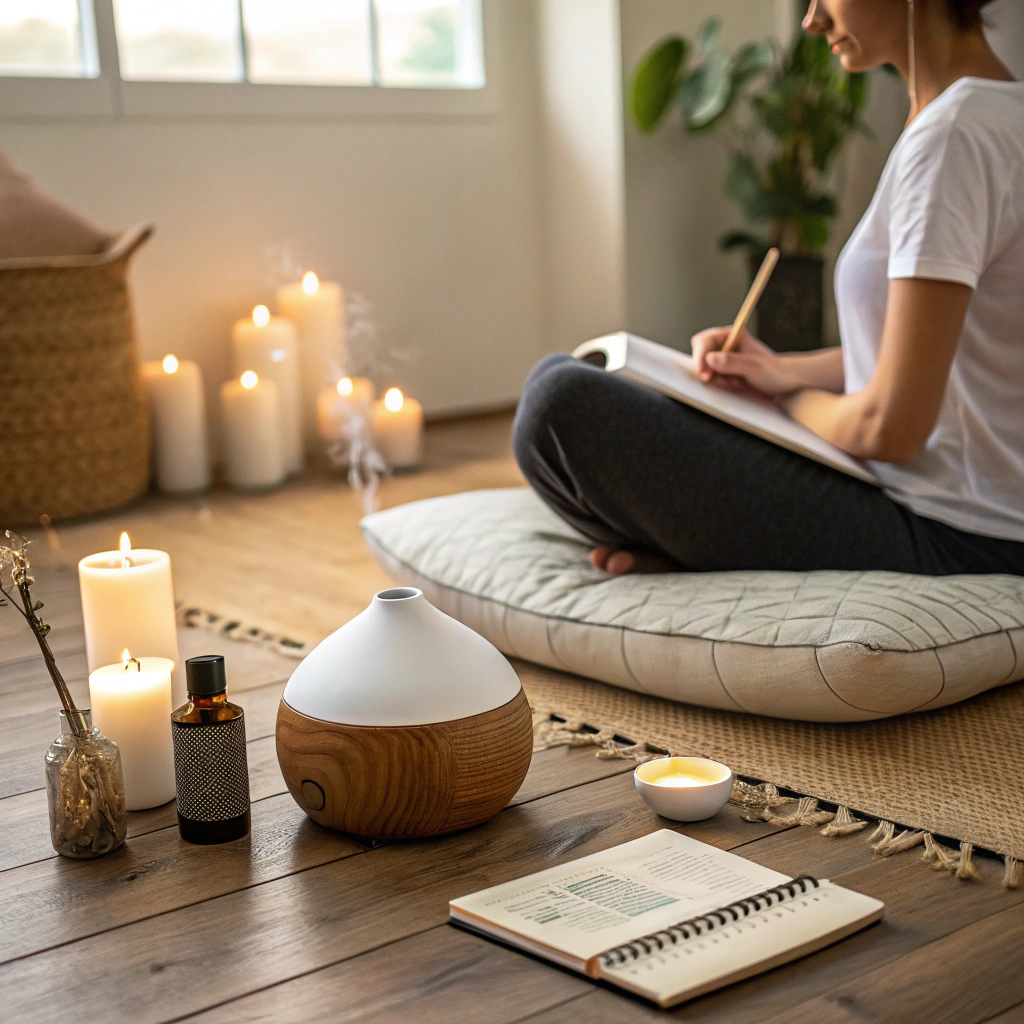
- Aromatherapy: Essential oils can create a calming atmosphere and improve focus during practice.
in addition to these complementary methods, exploring various mindfulness techniques such as journaling or tai chi can create a multi-faceted approach to well-being. By actively customizing your routine, you can identify what resonates best for your unique needs. Here’s an example of how different techniques can work together:
| Technique | Benefits |
|---|---|
| Yoga | Enhances flexibility and promotes relaxation |
| Meditation | Reduces anxiety and improves focus |
| Nature Therapy | Boosts mood and reduces stress hormones |
| Aromatherapy | Stimulates senses and complements breathing |
 The Way Forward
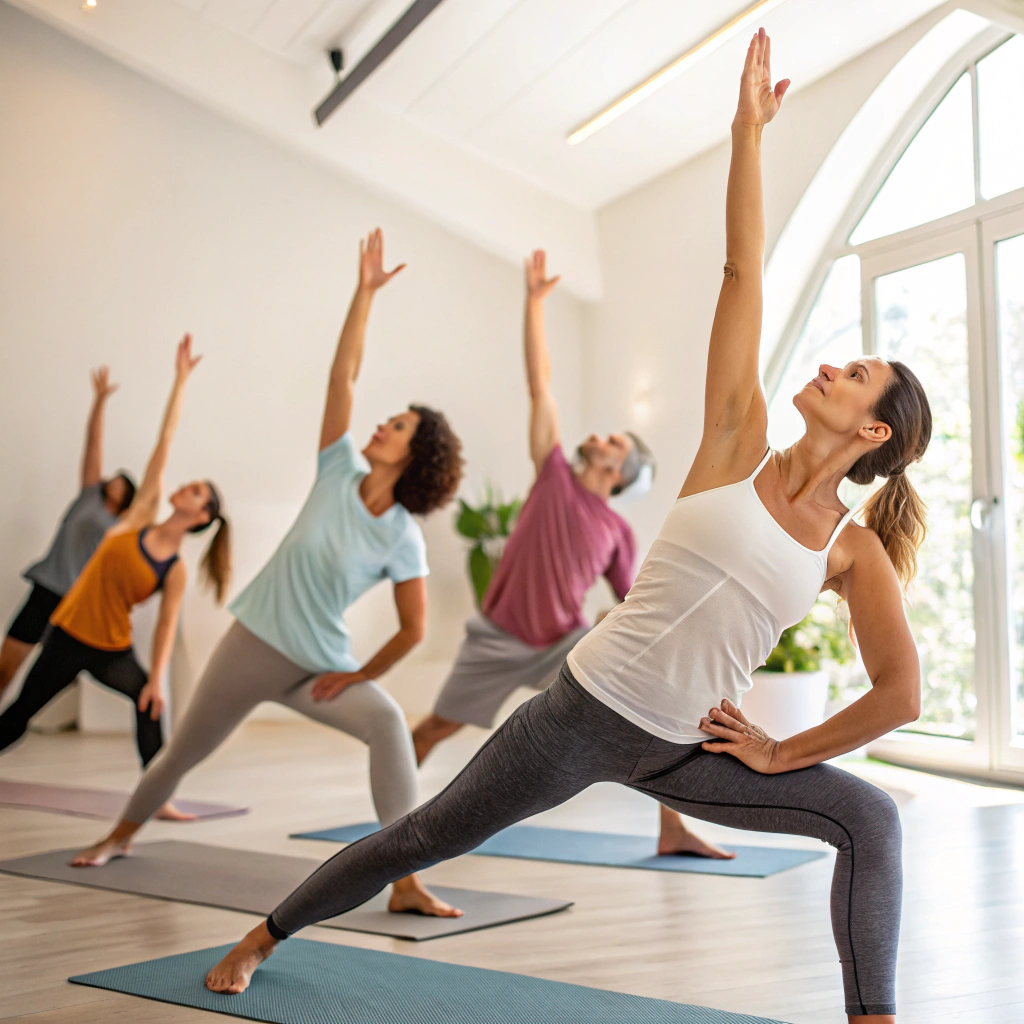
while yoga is often hailed as a universal antidote to stress, the reality can be more nuanced. Personal experiences vary widely, and for some, the practice may not provide the relief they seek. It’s essential to recognize that stress management is a highly individualized journey. Exploring various methods—be it yoga, meditation, or other forms of physical activity—can lead to finding what truly resonates with you. As you navigate your path to tranquility, remember that understanding your own needs is just as vital as seeking solutions. Embrace the exploration, and may you find the peace that best aligns with your unique journey.