
Key Takeaways
- Start slowly and prioritize form to prevent injuries
- Combine cardio, strength, and flexibility training
- Aim for gradual weight loss (0.5-1kg weekly)
- Track progress beyond just the scale
Starting Safely: Precautions for Beginners Over 40
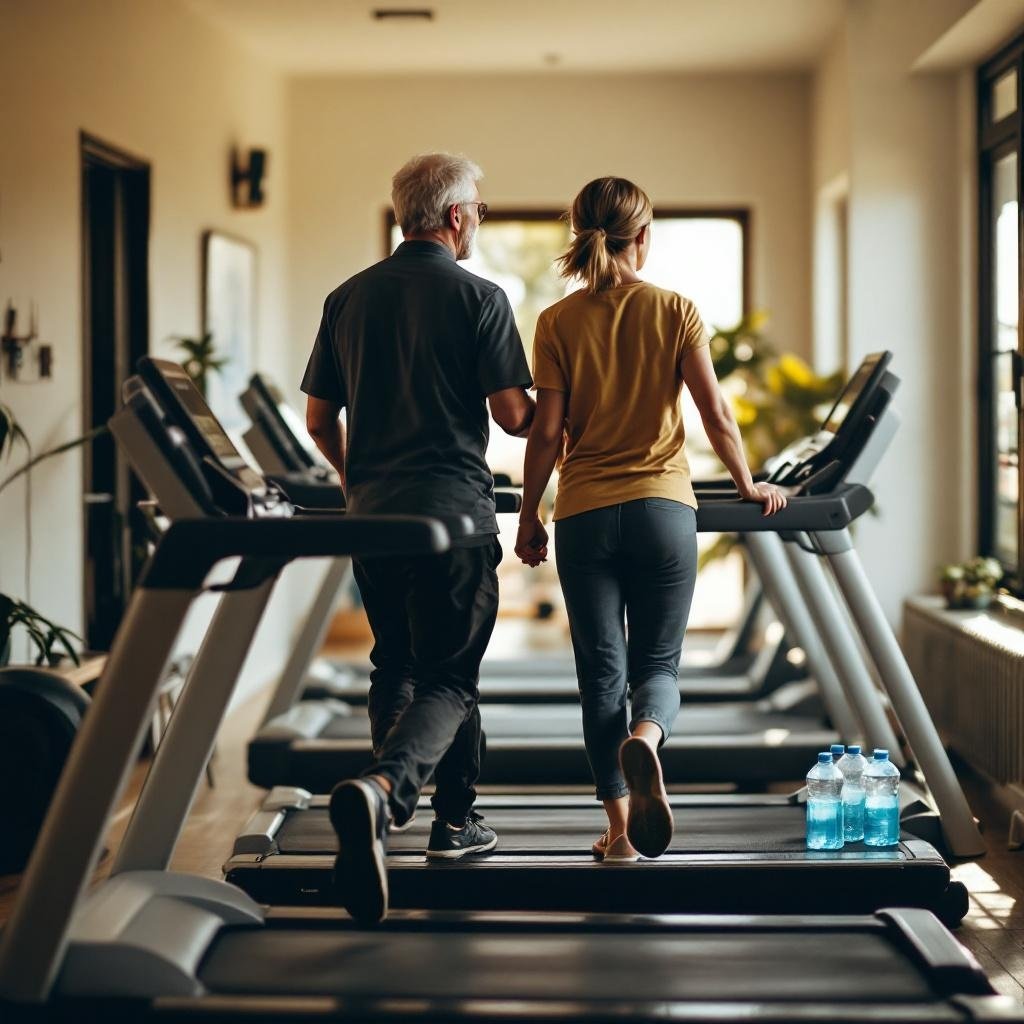
For adults over 40, starting a weight loss workout plan safely is crucial. The American College of Sports Medicine emphasizes that adults in this age group should prioritize injury prevention, especially when beginning exercise after prolonged inactivity. Research suggests that consulting your physician before starting any fitness program can identify risks for heart or joint issues, ensuring workouts align with your health status. Proper footwear and gear tailored to your activity—like supportive shoes for walking or breathable clothing—can reduce strain on knees, hips, and the lower back. Finally, mastering proper form before increasing intensity helps build muscle memory, preventing common injuries. The World Health Organization recommends starting with low-impact exercises to allow joints and muscles to adapt gradually.
Consult Your Physician Before Starting
Before lacing up your sneakers, a medical check-up is non-negotiable. A 2021 study in the *Journal of Aging and Physical Activity* found that 40% of adults over 40 who skipped pre-exercise screenings faced avoidable injuries. Your doctor can assess conditions like high blood pressure, arthritis, or diabetes that may require modified workouts. For example, swimming or cycling might be safer than running for those with joint concerns. A healthcare provider can also advise on target heart rate zones, ensuring you exercise efficiently without overexertion.
Invest in Proper Footwear and Gear
Footwear designed for your chosen activity provides stability and shock absorption. The American Podiatric Medical Association highlights that improper shoes contribute to 30% of exercise-related foot injuries. Look for shoes with arch support, a broad toe box, and slip-resistant soles. Moisture-wicking clothing prevents chafing, while a fitness tracker or heart rate monitor can keep you within safe intensity levels. For outdoor workouts, sun protection and hydration packs are essential to avoid heat-related fatigue.
Master Proper Form Before Increasing Intensity
Jumping into high-intensity routines without foundational strength can lead to strains or sprains. A 2019 review in the *British Journal of Sports Medicine* showed that beginners who learned proper form reduced injury risk by 50%. Start with bodyweight squats, wall push-ups, and seated leg lifts to build awareness. Consider one-on-one sessions with a certified trainer to correct posture or alignment issues. Proper form ensures muscles, not joints, bear the workload—key for sustainable progress.
Types of Workouts for Effective Weight Loss
Effective weight loss workouts for beginners over 40 should include a mix of cardio, strength training, and flexibility exercises. This combination not only burns calories but also boosts metabolism and reduces chronic disease risks. According to the Centers for Disease Control and Prevention, adults need 150 minutes of moderate-intensity aerobic activity weekly, along with muscle-strengthening exercises twice a week. Let’s explore each type in detail.
Low-Impact Cardio Options
Low-impact cardio is ideal for protecting joints while getting your heart rate up. Brisk walking, swimming, and cycling burn 300–400 calories per hour without stressing knees or hips. Aqua aerobics, for instance, uses water resistance to improve cardiovascular health while minimizing fall risks. A pedometer can help track steps—aim for 7,000–10,000 daily to promote gradual fat loss. For variety, try elliptical machines or seated rowing to engage different muscle groups.
Strength Training Basics
Muscles mass declines by 3–5% per decade after age 30, according to Harvard T.H. Chan School of Public Health. Strength training reverses this by building lean tissue, which elevates resting metabolism. Start with resistance bands or light dumbbells (2–5 pounds). Exercises like bicep curls, overhead presses, and glute bridges improve functional strength for everyday activities. Aim for 2–3 strength sessions weekly, allowing 48 hours of rest between targeting the same muscle group.
Flexibility and Balance Workouts
Yoga and tai chi enhance range of motion, reduce stiffness, and prevent falls—a top priority for aging adults. A 2020 study in *Frontiers in Aging Neuroscience* found that balance exercises improved gait stability in middle-aged and older adults. Try chair yoga if floor poses are challenging. Dedicate 10–15 minutes post-workout to stretching hamstrings, shoulders, and calves. Improved flexibility allows deeper squats or longer walks, amplifying overall fitness gains.
Sample Beginner Workout Routine (30 Minutes)
Here’s a daily 30-minute routine tailored for beginners over 40. This plan balances cardio, strength, and recovery, ensuring gradual progression without burnout.
Warm-Up Sequence
Begin with 5–10 minutes of dynamic stretches to prepare your muscles:
- Arm circles (30 seconds each direction)
- Knee lifts to waist height (30 seconds)
- Side lunges with torso twists (10 reps per side)
- Light marching in place
The National Academy of Sports Medicine recommends warming up until you break a light sweat, signaling increased blood flow to the muscles.
Bodyweight Circuit Training
Perform these exercises back-to-back for 3 rounds, resting 30–60 seconds between exercises:
- Wall push-ups (10–12 reps): Targets chest and shoulders
- Chair squats (8–10 reps): Strengthens legs and glutes
- Bent-over rows using a water bottle (8 reps per side): Works back and arms
- Glute bridges (12 reps): Activates hips and stabilizes core
- Standing side leg lifts (10 reps per side): Tones outer thighs
This circuit burns about 100 calories while building endurance. Modify by reducing reps or using a resistance band.
Cool-Down and Stretching
End with 5–10 minutes of static stretching and diaphragmatic breathing:
- Hamstring stretches (30 seconds per leg)
- Child’s pose or seated forward bend
- Standing calf stretches against a wall
- Shoulder rolls and deep breaths
The American Council on Exercise notes that cooling down helps prevent dizziness and aids muscle recovery. Hydrate with water or an electrolyte drink post-workout.
Staying Consistent: Motivation Tips for Newcomers
Motivation often wanes after initial excitement. Adults over 40 face unique challenges like time constraints, physical discomfort, or self-doubt. However, research shows that tracking progress and building social accountability can keep you on track.
Track Your Progress Visually
Use a fitness journal or app to log workouts, energy levels, and measurements. A 2018 study in the *Journal of Medical Internet Research* found that visual trackers—like progress photos or pie charts—boost motivation by highlighting small wins. For example, noting improvements in walking speed or reduced resting heart rate can be more telling than the scale.
Find a Workout Buddy
Partnering with a friend or joining a senior fitness class increases adherence. The Mayo Clinic reports that social support improves long-term exercise habits. Look for walking groups, community center classes, or online communities focused on mature fitness goals. Sharing challenges and victories fosters camaraderie and commitment.
Celebrate Small Victories
Recognize milestones like lifting heavier groceries, climbing stairs without fatigue, or completing a 20-minute walk. Celebrate with non-food rewards: a massage, new workout gear, or a wellness app subscription. Positive reinforcement rewires the brain to associate fitness with joy, not punishment.
Combining Exercise with Nutrition for Better Results
Exercise alone isn’t enough for weight loss; nutrition plays an equal—or greater—role. A 2023 meta-analysis in the *British Medical Journal* concluded that combining diet and exercise leads to 20% more fat loss than exercise alone. Let’s explore hydration, pre-workout fueling, and recovery nutrition.
Hydration Strategies
Dehydration mimics hunger, leading to overeating. The National Academy of Medicine recommends 2.5 liters of water daily for men and 2 liters for women, including fluids from food. Sip water before, during, and after workouts. For sessions under 60 minutes, plain water suffices; longer activities may benefit from electrolyte tablets to prevent cramps.
Pre-Workout Fueling
Carbohydrates provide quick energy, while protein sustains endurance. Eat a small meal 1–2 hours before exercising. Examples:
- Whole-grain toast with peanut butter and banana slices
- Greek yogurt with berries
- Oatmeal with almonds and a boiled egg
Avoid heavy fats or spicy foods that cause discomfort. If short on time, a banana or handful of pretzels offers fast-acting fuel.
Post-Workout Recovery Nutrition
Replenish glycogen stores and repair muscles within 45 minutes post-exercise. The Academy of Nutrition and Dietetics recommends a 3:1 ratio of carbs to protein. Try:
- Chocolate milk and a hard-boiled egg
- Quinoa bowl with roasted veggies and chicken
- Smoothie with spinach, frozen fruit, and protein powder
Anti-inflammatory foods like berries or turmeric may alleviate soreness, according to a 2017 review in *Sports Medicine*.
Frequently Asked Questions
How often should beginners work out for weight loss?
Start with 3-4 sessions weekly, allowing rest days. Gradually increase frequency as fitness improves. Consistency matters more than intensity for beginners.
Can I lose weight with just workouts, no diet changes?
While exercise helps, nutrition plays a bigger role. Combine workouts with balanced meals and portion control for sustainable results. Consult a nutritionist for personalized plans.
What if I experience joint pain during workouts?
Modify exercises or try low-impact alternatives. Stop immediately if pain persists. Consider water-based workouts or consult a physical therapist for guidance.
How long until I see weight loss results?
Most see noticeable changes after 6-8 weeks of consistent effort. Individual results vary based on starting point, genetics, and adherence to both exercise and nutrition.
Key Takeaways
- Start slowly and prioritize form to prevent injuries
- Combine cardio, strength, and flexibility training
- Aim for gradual weight loss (0.5-1kg weekly)
- Track progress beyond just the scale
Frequently Asked Questions
How often should beginners work out for weight loss?
Start with 3-4 sessions weekly, allowing rest days. Gradually increase frequency as fitness improves. Consistency matters more than intensity for beginners.
Can I lose weight with just workouts, no diet changes?
While exercise helps, nutrition plays a bigger role. Combine workouts with balanced meals and portion control for sustainable results. Consult a nutritionist for personalized plans.
What if I experience joint pain during workouts?
Modify exercises or try low-impact alternatives. Stop immediately if pain persists. Consider water-based workouts or consult a physical therapist for guidance.
How long until I see weight loss results?
Most see noticeable changes after 6-8 weeks of consistent effort. Individual results vary based on starting point, genetics, and adherence to both exercise and nutrition.
Disclaimer: This article is for informational purposes only and does not constitute medical advice. Always consult a qualified healthcare provider before making changes to your health regimen.