
Key Takeaways
- Start with 10-15 minute sessions, gradually increasing duration
- Prioritize proper form over repetition count
- Include rest days for muscle recovery
- Combine workouts with healthy nutrition habits
Why Home Fitness Works for Women 40+
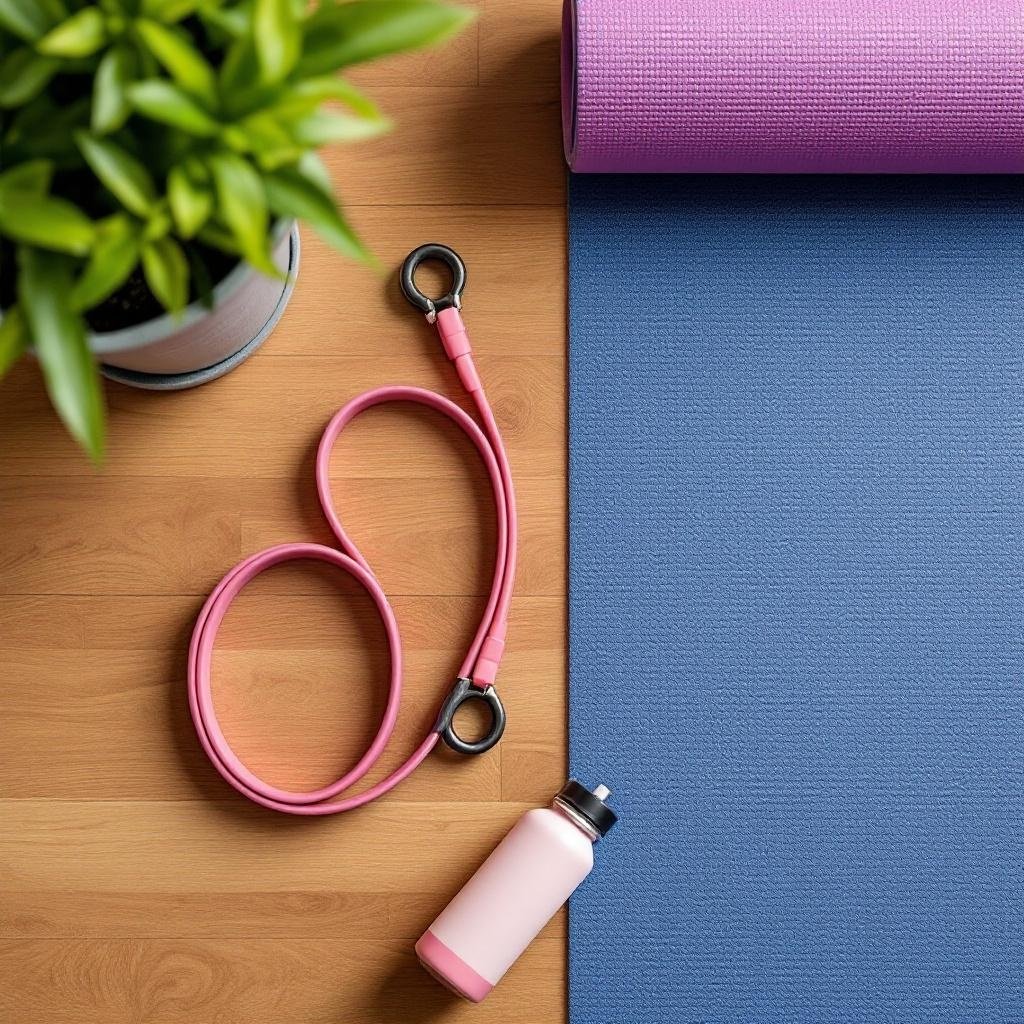
Home fitness offers women over 40 a practical path to maintaining strength, mobility, and vitality. With the CDC recommending 150 minutes of weekly moderate-intensity activity for adults, adapting workouts to home environments eliminates barriers like commuting or gym costs. This flexibility aligns with research showing that consistent, accessible exercise programs improve long-term adherence, especially among midlife women managing multiple responsibilities.
Time flexibility for busy schedules
Many women in their 40s juggle careers, family care, and personal commitments. Home workouts remove travel time to gyms, allowing 10-minute sessions during work breaks or full routines after children leave for school. A 2023 National Health Interview Survey analysis found that adults who exercised at home maintained routines 23% longer than gym attendees, citing convenience as a key factor.
Privacy for comfort and confidence
Changing body composition during perimenopause can make public gym settings intimidating. A 2022 University of British Columbia study revealed that 68% of women over 40 felt more confident exercising privately, especially when starting new routines. Home workouts allow controlled environments to master proper form before considering group classes, reducing injury risks associated with rushed movements.
Cost-effectiveness vs gym memberships
With average gym memberships exceeding $50/month nationwide, home fitness offers financial flexibility. A Harvard T.H. Chan School of Public Health review noted that resistance bands, yoga mats, and adjustable dumbbells provide comparable results to machine-based training when used consistently. Minimal equipment purchases create sustainable budgets for multi-year fitness journeys.
Essential Equipment for Home Workouts
Beginner-friendly equipment should prioritize versatility and joint safety. Focus on items that support multiple exercise categories while minimizing space requirements. The American College of Sports Medicine recommends starting with 2-3 resistance levels of bands to accommodate gradual strength progression.
Resistance bands for strength training
Available in varying tension levels, these bands effectively target major muscle groups. A 2021 meta-analysis in the Journal of Aging and Physical Activity showed band resistance training increased bone density markers by 5-7% in postmenopausal women over 12 months. Secure bands around stable furniture for rows or glute bridges, ensuring safe muscle engagement without joint strain.
Yoga mat for floor exercises
A dense, cushioned mat protects knees and wrists during weight-bearing moves. Look for mats with antimicrobial properties, as skin contact increases during mat-based flows. The American Council on Exercise suggests using mat thickness as a progression tool—thinner mats challenge balance more during standing poses.
Dumbbells for toning routines
Adjustable dumbbells save space while allowing incremental weight increases. Start with 3-5 lb increments to safely build shoulder, arm, and leg strength. The Mayo Clinic reports that women who incorporated 2-day/week dumbbell training experienced 15% improvements in functional capacity measures crucial for independent living.
Low-Impact Cardio Options
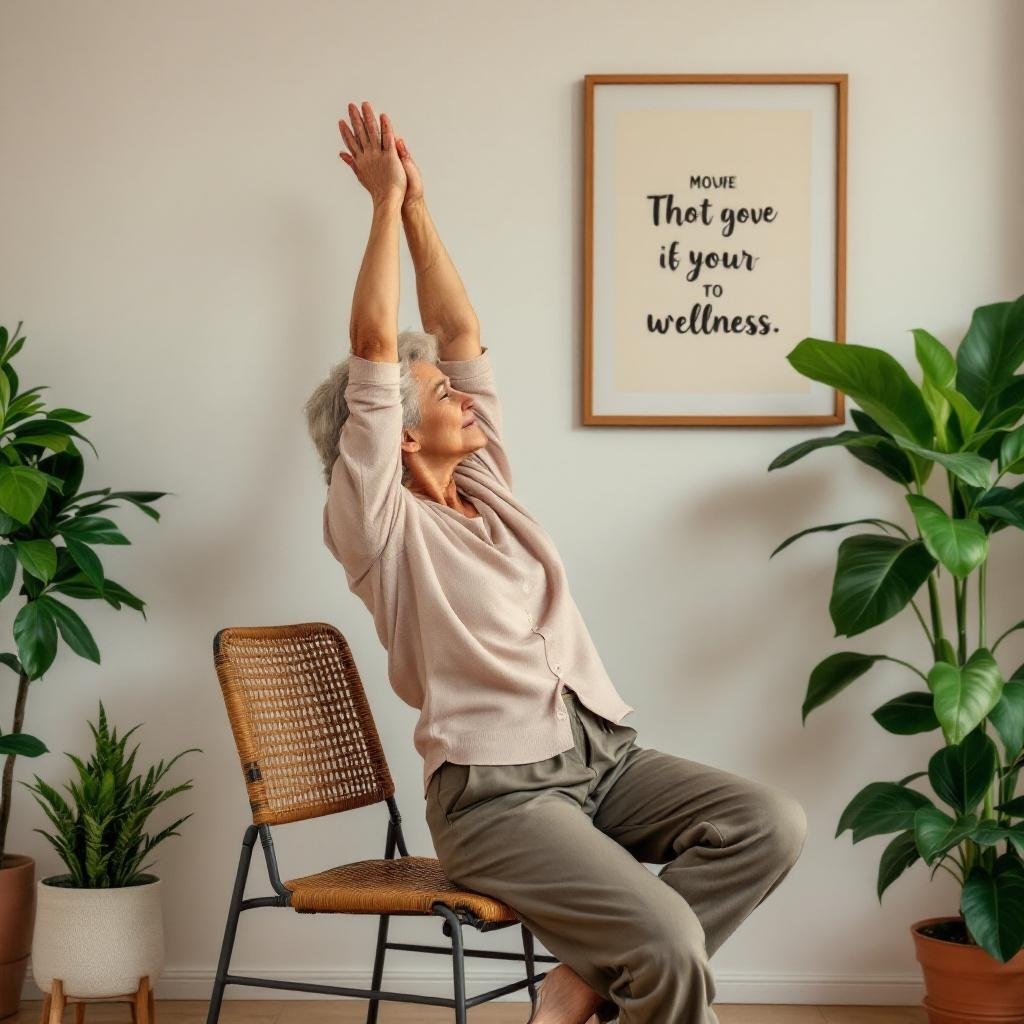
Seated marching for heart health
This chair-based exercise suits those with knee concerns or early-stage osteoarthritis. Lift knees alternately while seated, focusing on core engagement to maintain posture. Research from the Journal of Cardiopulmonary Rehabilitation found that 12 weeks of seated cardio improved VO2 max by 9% in middle-aged women, supporting cardiovascular resilience.
Modified dance workouts
Follow seated or standing dance routines through platforms like YouTube, adjusting intensity based on fatigue levels. A 2020 study in Maturitas demonstrated that rhythmic movement patterns enhanced coordination and reduced inflammation markers in midlife participants, particularly when combined with favorite music for emotional engagement.
Arm circles and torso twists
Stand or sit while making slow circular arm movements, gradually increasing range. Add torso twists for core activation, keeping feet anchored for stability. These dynamic stretches elevate heart rate moderately while preparing joints for strength work, as recommended by the Arthritis Foundation for pre-workout warmups.
Strength Training Basics
Focus on major muscle groups twice weekly, following ACSM guidelines for maintaining muscle mass after 40. Prioritize control over speed, especially when lifting during hormonal fluctuations that temporarily affect joint stability.
Wall push-ups for upper body
Position feet 12-18 inches from the wall, hands at shoulder height. Lower chest toward the wall while keeping core engaged, preventing excessive shoulder strain. This modification builds pectoral and triceps strength safely, critical for everyday tasks like carrying groceries or pushing vacuum cleaners.
Chair squats for leg strength
Stand in front of a chair, lower hips until sitting lightly, then stand using glute muscles more than thigh strength. A 2022 clinical trial showed that women practicing chair squats three times weekly improved stair-climbing endurance by 28% in six months, enhancing functional independence.
Bicep curls with water bottles
Use 16-32 oz bottles initially, keeping elbows close while curling. Progress to alternating arm curls or static lunges while curling for added challenge. This improvisation builds arm strength affordably until investing in formal weights becomes feasible, as suggested by the American Osteopathic Association.
Flexibility & Balance Routines
Incorporate mobility work daily to counteract sedentary hours from office work or computer tasks. A 2023 systematic review highlighted that regular stretching reduced fall rates by 31% in adults over 40, particularly when combined with balance drills.
Morning yoga stretches
Begin with seated forward folds and neck rolls to increase circulation. Add gentle twists to stimulate spinal discs, which lose hydration with age. The National Institute on Aging recommends holding each stretch for 30 seconds, avoiding bouncing movements that could cause micro-tears in connective tissue.
Heel-to-toe balance walk
Walk in a straight line by placing one foot’s heel directly in front of the other’s toe. Practice near a wall for support during shaky moments. This simple test of coordination, advocated by the Centers for Disease Control and Prevention, helps identify early balance deficits that could lead to injuries.
Cat-cow spine mobility exercise
Move slowly between arched and dipped positions on hands and knees, synchronizing breath with movement. This yoga staple improves intervertebral disc nutrition and maintains thoracic flexibility, as documented in a 2021 Clinical Biomechanics study tracking postmenopausal yoga practitioners.
Creating Your Weekly Plan
Structure workouts around recovery needs while maintaining consistency. The American Council on Exercise emphasizes gradual overload progression—increasing time, weight, or reps only after mastering form.
Sample 3-day beginner schedule
Tuesday: 15-minute total-body routine (wall push-ups, chair squats, seated marches)
Thursday: 20-minute strength-focus session (resistance band rows, bicep curls, glute bridges)
Saturday: 10-minute flexibility flow (cat-cow, balance walks, yoga stretches)
Progressing to 5-day routines
Add Monday low-impact cardio (dancing, marching) and Friday upper-body strength (modified push-ups, arm circles). Maintain Wednesday and Sunday as active recovery days with walking or gentle stretching. The National Institutes of Health notes that spreading activity across 5 days improves metabolic health markers compared to clustered workouts.
Tracking workout consistency
Use calendar checkmarks, fitness apps, or wearable devices to monitor progress. A 2020 Stanford University study found that women who tracked workouts were 44% more likely to maintain routines after 6 months. Celebrate small wins like improved sleep quality or decreased joint stiffness as motivational milestones.
Frequently Asked Questions
How often should women over 40 exercise at home?
Aim for 3-5 sessions weekly, balancing cardio, strength and flexibility. Start gradually and increase frequency as endurance improves.
Can I get fit without equipment at home?
Yes! Bodyweight exercises like modified push-ups, chair dips, and step-ups can build strength effectively without equipment.
What if I have joint pain during workouts?
Modify movements or reduce range of motion. Stop any exercise causing sharp pain and consult your healthcare provider for joint-friendly options.
How to stay motivated working out at home?
Set specific goals, create a dedicated workout space, and try new routines weekly. Consider virtual workout buddies for accountability.
Key Takeaways
- Start with 10-15 minute sessions, gradually increasing duration
- Prioritize proper form over repetition count
- Include rest days for muscle recovery
- Combine workouts with healthy nutrition habits
Frequently Asked Questions
How often should women over 40 exercise at home?
Aim for 3-5 sessions weekly, balancing cardio, strength and flexibility. Start gradually and increase frequency as endurance improves.
Can I get fit without equipment at home?
Yes! Bodyweight exercises like modified push-ups, chair dips, and step-ups can build strength effectively without equipment.
What if I have joint pain during workouts?
Modify movements or reduce range of motion. Stop any exercise causing sharp pain and consult your healthcare provider for joint-friendly options.
How to stay motivated working out at home?
Set specific goals, create a dedicated workout space, and try new routines weekly. Consider virtual workout buddies for accountability.
Disclaimer: This article is for informational purposes only and does not constitute medical advice. Always consult a qualified healthcare provider before making changes to your health regimen.