Key Takeaways
- Gym workouts can significantly improve physical health and vitality after 40.
- Exercise boosts mental clarity, mood, and sleep quality.
- Building social ties at the gym enhances motivation and well-being.
- Personalizing your routine with music and goals makes fitness sustainable.
Physical Health Benefits
Regular gym exercise for adults over 40 can significantly boost cardiovascular health, enhance strength and flexibility, and support better weight management. According to the Centers for Disease Control and Prevention (CDC), adults aged 40 and older who engage in consistent physical activity may reduce their risk of chronic diseases like heart disease and type 2 diabetes. Strength training, in particular, helps combat age-related muscle loss, while aerobic exercises improve circulation and lung capacity. Weight management becomes more achievable through a combination of cardio, resistance training, and a balanced diet, contributing to overall vitality.
Improved Cardiovascular Health
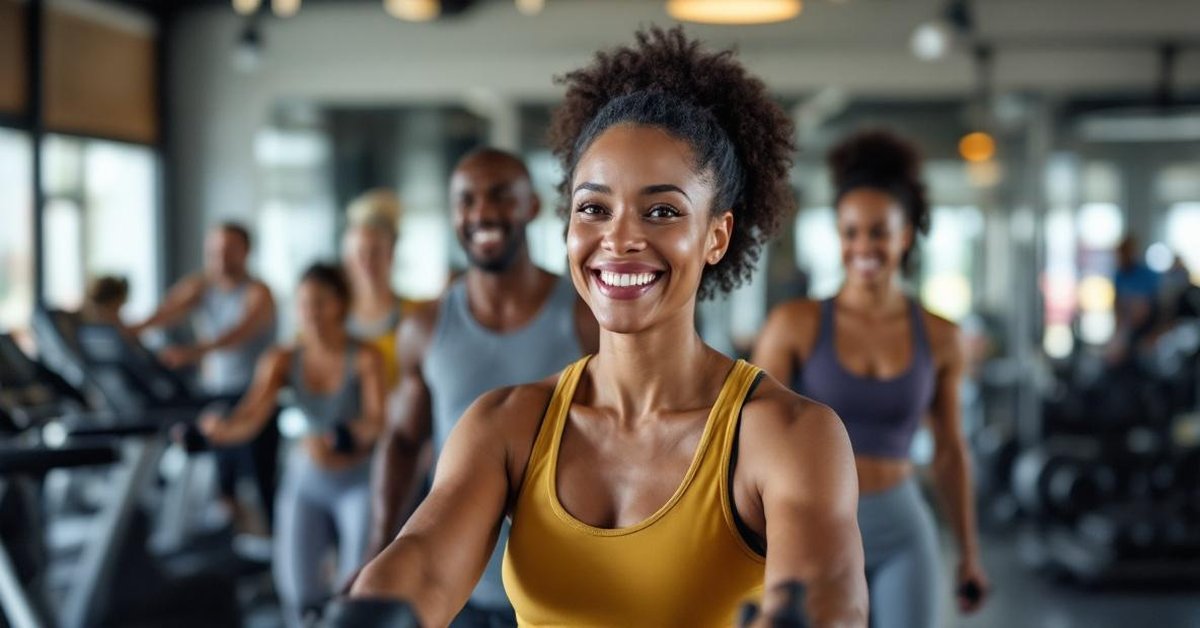
Cardiovascular exercise at the gym, such as treadmill walking, cycling, or rowing, strengthens the heart and improves blood flow. Research published in the Journal of the American College of Cardiology suggests that adults over 40 who engage in moderate-intensity aerobic activity for 150 minutes weekly may lower their risk of hypertension and stroke. Gym equipment often includes features to monitor heart rate, ensuring workouts stay within safe intensity ranges. For those new to exercise, starting with low-impact options like elliptical machines can reduce joint stress while still reaping cardiovascular rewards.
Enhanced Strength and Flexibility
Muscle mass naturally declines by 3–5% per decade after age 30, increasing fall risk and frailty. The National Institute on Aging recommends resistance training at least twice weekly to preserve muscle and bone density. Gym-based strength training—using free weights, resistance bands, or machines—can improve balance and mobility. Flexibility exercises like yoga or guided stretching classes at the gym further enhance joint range of motion. One study found that older adults who combined strength and flexibility training experienced a 20% improvement in daily functional tasks like climbing stairs or lifting groceries.
Better Weight Management
Maintaining a healthy weight becomes more challenging with age due to slower metabolism and hormonal changes. The gym offers a controlled environment to burn calories and build lean muscle mass, which boosts metabolic rate. A 2022 study in Obesity Medicine highlighted that adults over 40 who combined gym workouts with nutritional counseling lost 10% more body fat than those relying solely on diet. Group fitness classes like Spin or HIIT (high-intensity interval training) can maximize calorie burn while making workouts engaging.
Mental and Emotional Advantages
Exercise isn’t just beneficial for the body—it’s a powerful tool for mental well-being. The Alzheimer’s Association notes that physical activity may reduce the risk of cognitive decline by up to 30%. Gym workouts release endorphins, which alleviate stress and improve mood. Additionally, structured fitness routines can combat feelings of lethargy and enhance sleep quality. For adults over 40, these mental and emotional advantages can translate to greater resilience in managing work-life balance, caregiving responsibilities, or age-related transitions.
Stress Reduction and Mood Boosting
Chronic stress accelerates aging and weakens the immune system. The American Psychological Association reports that 20–30 minutes of daily exercise can lower cortisol levels and ease symptoms of anxiety. Gym environments provide a dedicated space to disconnect from daily stressors. Activities like weightlifting, boxing, or dance classes offer both physical exertion and mental focus, creating a mindfulness effect. Participants often report feeling a “post-workout glow” due to the release of brain-derived neurotrophic factor (BDNF), a protein that supports mental clarity and emotional stability.
Increased Energy Levels
Many adults over 40 experience fatigue due to sedentary lifestyles, poor sleep, or aging mitochondria. The Mayo Clinic explains that regular exercise improves mitochondrial efficiency, enhancing cellular energy production. Gym-goers often notice improved stamina within 6–8 weeks of consistent workouts. Short, high-intensity sessions (e.g., 15-minute circuit training) can provide an immediate energy boost, while endurance activities like swimming build long-term vitality. Staying hydrated and incorporating protein-rich snacks pre-workout can prevent energy crashes.
Improved Sleep Quality
Sleep disturbances affect 50% of adults over 40, according to the Sleep Foundation. Research in Sleep Medicine Reviews indicates that 150 minutes of weekly exercise may increase deep sleep duration by 20%. Gym activities that raise core body temperature—like aerobics or strength training—help regulate circadian rhythms. However, experts advise avoiding intense workouts 2–3 hours before bedtime to prevent overstimulation. Gentle yoga or cooldown stretches in the gym post-workout can promote relaxation and prepare the body for rest.
Social and Community Connections
The gym serves as more than a place to exercise—it’s a hub for building friendships and shared motivation. A 2023 report in The Gerontologist found that social engagement during fitness activities reduces loneliness, a common issue among adults over 40. Group classes, buddy systems, and gym events create opportunities for meaningful interactions. These connections not only enhance enjoyment but also foster accountability, making it more likely to stick with a fitness routine.
Building Meaningful Relationships
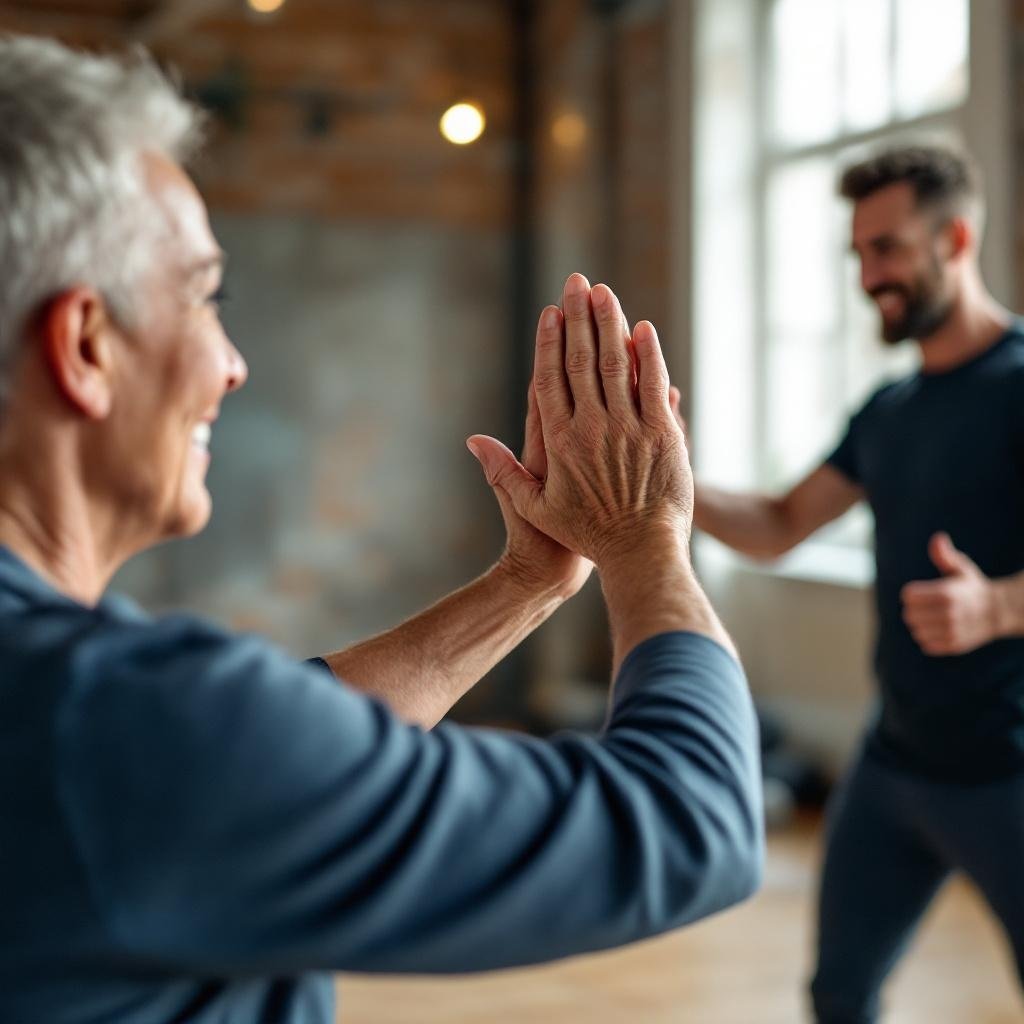
Joining group fitness communities, such as cycling clubs or senior strength circles, allows adults over 40 to connect with peers who share similar goals. A Harvard T.H. Chan School of Public Health study linked social ties to a 50% higher chance of living longer. Gym friendships often extend beyond workouts, leading to coffee meetups or outdoor adventures. Instructors play a key role too—many adults cite personalized attention and encouragement as reasons they continue attending sessions.
Group Fitness Motivation
Exercising with others can increase adherence to a workout plan. A University of Pittsburgh study found that adults over 40 who participated in group fitness classes attended 35% more sessions than solo exercisers. The collective energy of a group—whether in a Zumba class or a powerlifting group—creates a contagious enthusiasm. Many gyms offer age-specific programs, such as SilverSneakers, designed to align with older adults’ fitness levels and interests.
Sense of Accountability
Committing to a gym schedule becomes easier when others expect your presence. Training partners or class attendance create accountability, reducing the likelihood of skipping workouts. A 2021 survey by the International Health, Racquet & Sportsclub Association (IHRSA) revealed that 68% of adults over 40 stuck to fitness goals when they had a buddy or coach. Accountability apps integrated into gym memberships, like virtual check-ins or progress shares, further reinforce consistency.
Creating Your Gym Anthem for Success
Personalizing your gym experience can transform fitness from a chore into a celebration. Music, goal-setting, and environment choices play pivotal roles in sustaining motivation. By crafting a routine that aligns with your preferences and values, you’re more likely to enjoy lasting success.
Setting Realistic Fitness Goals
Start with Specific, Measurable, Achievable, Relevant, and Time-bound (SMART) goals. For example: “Walk on the treadmill for 20 minutes, three times a week, and progress to 30 minutes within two months.” The American College of Sports Medicine recommends gradual progress to prevent burnout or injury. Track milestones using a journal or fitness app, and celebrate small wins—like lifting heavier weights or completing a first group class—to build confidence.
Choosing the Right Gym Environment
Not all gyms cater equally to adults over 40. Look for facilities with low-impact equipment, experienced trainers, and age-inclusive programs. Check if the gym offers health screenings or introductory classes for newcomers. Some adults prefer boutique studios with smaller groups, while others thrive in full-service gyms with pools and recovery lounges. Trial memberships allow you to assess amenities, cleanliness, and staff support before committing.
Incorporating Music for Motivation
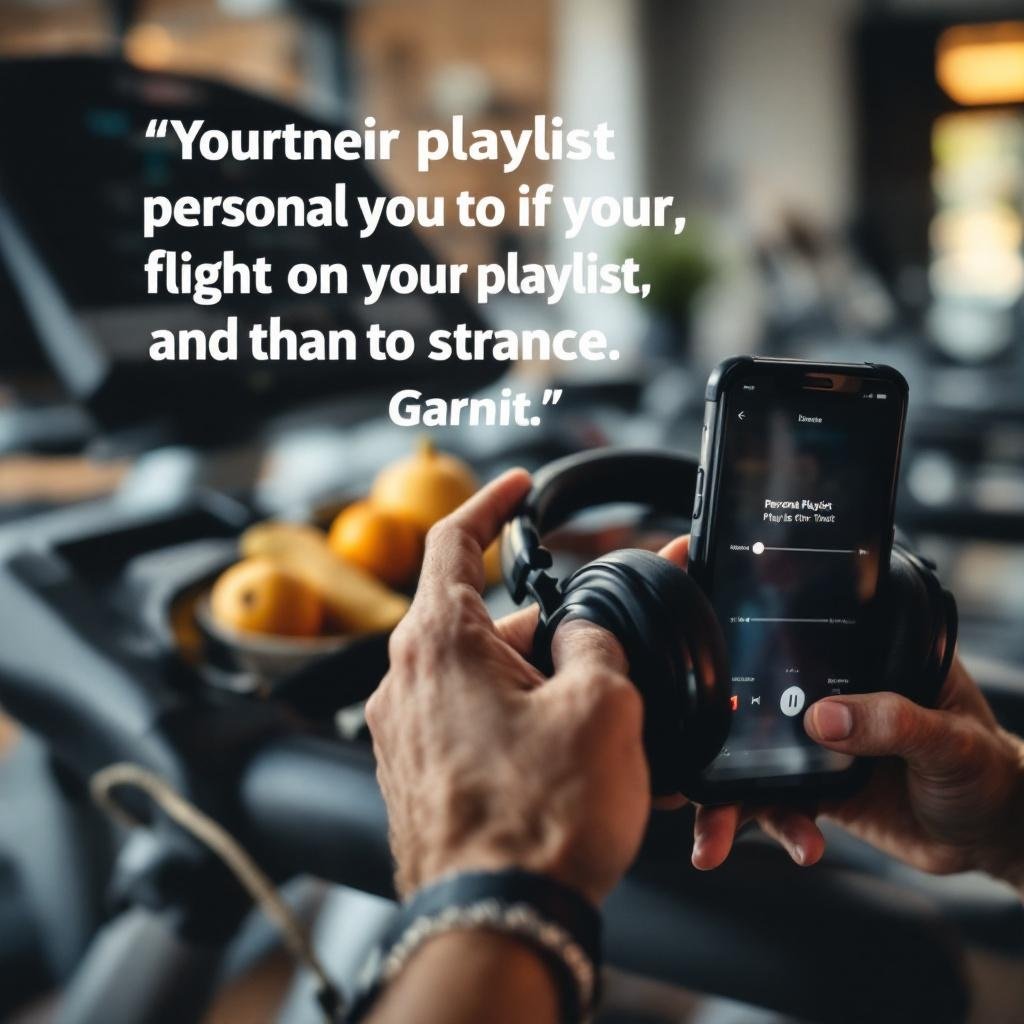
Curating a workout playlist can elevate energy and endurance. Research in Psychology of Sport and Exercise shows that upbeat music (120–140 beats per minute) increases workout duration by 15%. Apps like Spotify and YouTube offer pre-made “fitness anthems” playlists; alternatively, create your own mix of nostalgic or inspiring songs. Gyms with communal sound systems often play genres that resonate with diverse age groups, fostering a shared motivational atmosphere.
Frequently Asked Questions
What are the main benefits of gym workouts for adults over 40?
Gym workouts can boost cardiovascular health, enhance strength and flexibility, and improve mental well-being. These benefits contribute to maintaining independence and quality of life as you age.
How can the gym improve mental health in middle-aged and older adults?
Regular gym activity may reduce stress, elevate mood, and enhance sleep quality. Exercise releases endorphins, which can help combat anxiety and mild depression.
Why is social interaction at the gym important for adults over 40?
Social connections at the gym provide motivation, accountability, and emotional support. Engaging with others can foster a sense of community and reduce feelings of isolation.
How can I create a motivating gym routine as I age?
Start with realistic goals, choose activities you enjoy, and consider incorporating music or group classes. Consult your doctor before beginning any new fitness program.
Key Takeaways
- Gym workouts can significantly improve physical health and vitality after 40.
- Exercise boosts mental clarity, mood, and sleep quality.
- Building social ties at the gym enhances motivation and well-being.
- Personalizing your routine with music and goals makes fitness sustainable.
Frequently Asked Questions
What are the main benefits of gym workouts for adults over 40?
Gym workouts can boost cardiovascular health, enhance strength and flexibility, and improve mental well-being. These benefits contribute to maintaining independence and quality of life as you age.
How can the gym improve mental health in middle-aged and older adults?
Regular gym activity may reduce stress, elevate mood, and enhance sleep quality. Exercise releases endorphins, which can help combat anxiety and mild depression.
Why is social interaction at the gym important for adults over 40?
Social connections at the gym provide motivation, accountability, and emotional support. Engaging with others can foster a sense of community and reduce feelings of isolation.
How can I create a motivating gym routine as I age?
Start with realistic goals, choose activities you enjoy, and consider incorporating music or group classes. Consult your doctor before beginning any new fitness program.
Disclaimer: This article is for informational purposes only and does not constitute medical advice. Always consult a qualified healthcare provider before making changes to your health regimen.