
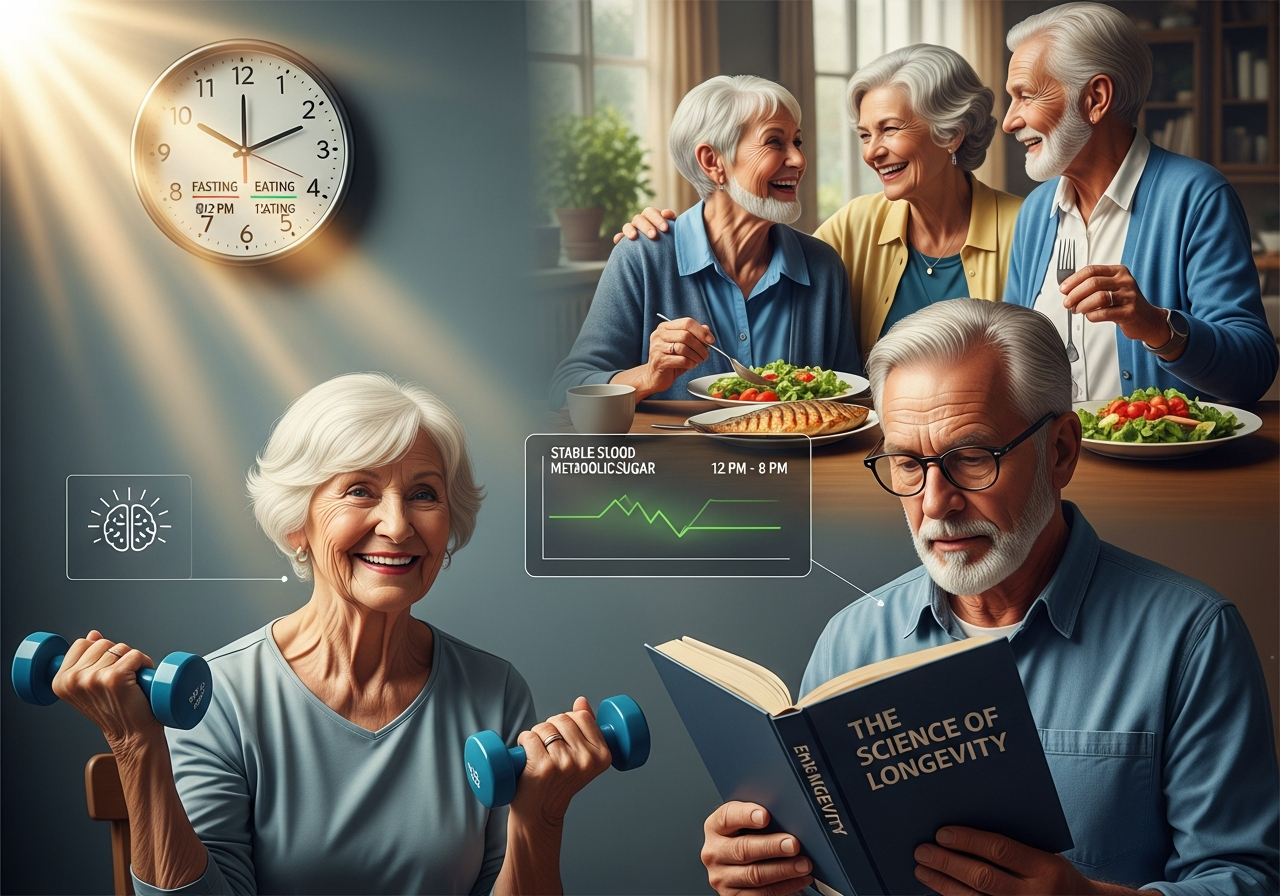
The Senior’s Fast Track to Health: Exploring Intermittent Fasting
Feeling the effects of time? Wishing you could turn back the clock, even just a little? As we age, our bodies change, and maintaining optimal health requires adapting our lifestyle. Many seniors grapple with concerns like declining energy levels, increased risk of type 2 diabetes, and waning cognitive function. But what if there was a scientifically supported strategy to not only manage these age-related challenges but potentially enhance your overall well-being and longevity?
That’s where intermittent fasting (IF) comes in. Forget the fad diets and restrictive eating plans. IF is less about what you eat and more about when you eat. It’s a strategic approach to timing your meals that could unlock a wealth of benefits, especially for seniors.
Introduction: Understanding Intermittent Fasting (IF)
Intermittent fasting (IF) is an eating pattern that cycles between periods of eating and voluntary fasting on a regular schedule. It’s not a diet in the traditional sense, but rather a timed approach to eating. The core principle is to allow your body periods of rest from digestion, enabling it to focus on cellular repair and other vital processes.
The history of fasting stretches back millennia, deeply intertwined with cultural and religious practices across the globe. Ancient civilizations, from the Greeks to the Egyptians, recognized the potential health benefits of periodic fasting. In many religions, including Islam, Christianity, and Buddhism, fasting is practiced as a spiritual discipline and a means of purification. These traditions highlight the long-standing understanding, albeit often intuitive, of the positive impact of controlled periods of food abstinence. The concept of ‘cleansing’ the body through fasting is a recurring theme, suggesting an intrinsic awareness of its rejuvenating effects.
The recent resurgence of interest in IF is rooted in scientific research that validates many of these historical observations. Modern IF protocols, such as the 16/8 method and the 5:2 diet, are evidence-based approaches designed to maximize the benefits of fasting while minimizing potential risks. These protocols emphasize timed eating windows and calorie control, making IF a structured and manageable dietary strategy.
There are several popular methods of intermittent fasting:
- 16/8 Method: This involves restricting your daily eating window to 8 hours and fasting for the remaining 16 hours. For example, you might eat between noon and 8 pm and then fast until noon the next day. This is often considered the most sustainable and beginner-friendly approach.
- 5:2 Diet: This involves eating normally for 5 days of the week and restricting your calorie intake to around 500-600 calories on the other 2 non-consecutive days.
- Eat-Stop-Eat: This involves a 24-hour fast once or twice a week.
- Alternate-Day Fasting: This involves alternating between days of normal eating and days of fasting or severely restricting calories.
It’s vital to debunk common myths surrounding fasting, especially for seniors. Many worry that fasting will lead to muscle loss, nutrient deficiencies, or dangerously low blood sugar levels. While these are valid concerns, they can be mitigated through careful planning, proper nutrition during eating windows, and close monitoring by a healthcare professional. IF, when implemented correctly, can be a safe and effective tool for promoting healthy aging.
The Science Behind IF and Aging
The potential benefits of intermittent fasting for seniors health lie in its profound impact on cellular processes. One of the key mechanisms is autophagy.
Autophagy is often described as the body’s “cellular clean-up crew.” It’s a process where cells remove damaged or dysfunctional components, like misfolded proteins and damaged organelles. Think of it as a cellular recycling program that clears out the clutter and makes way for new, healthy components.
- Application: During fasting periods, when the body is not actively digesting food, autophagy is significantly ramped up. The cells, no longer preoccupied with processing nutrients, can focus on identifying and eliminating damaged parts.
- Implication: This enhanced autophagy contributes to cellular rejuvenation and overall health. By clearing out damaged components, cells function more efficiently, and the risk of age-related diseases is reduced. It helps maintain the functionality of cells over time.
Another important process activated by IF is mitophagy. Mitophagy is a specific type of autophagy that targets damaged mitochondria, the powerhouses of our cells. Mitochondria produce energy, but over time they can become damaged and less efficient.
- Application: IF promotes mitophagy, ensuring that damaged mitochondria are removed and replaced with healthy ones.
- Implication: This leads to improved energy production, reduced oxidative stress, and enhanced cellular function. Think of it as tuning up the engine of your cells, allowing them to run smoother and more efficiently.
Beyond cellular repair, IF also plays a crucial role in reducing inflammation and oxidative stress, two major contributors to aging and age-related diseases. Oxidative stress occurs when there’s an imbalance between the production of free radicals and the body’s ability to neutralize them with antioxidants. Chronic inflammation, in turn, can damage tissues and organs over time.
- Application: IF has been shown to reduce the production of inflammatory molecules and increase antioxidant activity, helping to combat oxidative stress and inflammation.
- Implication: This reduction in inflammation and oxidative stress can protect against a range of age-related conditions, including cardiovascular disease, arthritis, and neurodegenerative diseases.
Furthermore, IF influences hormone regulation, particularly the production of growth hormone and insulin. Growth hormone is essential for maintaining muscle mass, bone density, and overall vitality. Insulin, on the other hand, helps regulate blood sugar levels.
- Application: IF can increase growth hormone levels and improve insulin sensitivity.
- Implication: Elevated growth hormone supports muscle maintenance and bone health, while improved insulin sensitivity reduces the risk of type 2 diabetes and related complications.
<GEN_IMAGE>Diagram illustrating autophagy and mitophagy processes inside a cell, highlighting the removal of damaged components. Clean, scientific style.</GEN_IMAGE>
Benefits of IF for Senior Health: Longevity and Insulin Sensitivity
Numerous studies, primarily in animal models but increasingly in humans, suggest that IF can indeed increase lifespan and improve healthspan (the period of life spent in good health).
- Application: Research has demonstrated that IF can extend lifespan in various organisms, from yeast to rodents. While human studies are still ongoing, initial findings are promising.
- Implication: This suggests that IF may have the potential to slow down the aging process and increase the years spent in good health, allowing seniors to enjoy a more active and fulfilling life.
One of the most significant benefits of intermittent fasting for seniors health is its ability to enhance insulin sensitivity. Insulin resistance, a condition where cells become less responsive to insulin, is a hallmark of type 2 diabetes.
- Application: IF helps improve insulin sensitivity by giving the pancreas a break from constantly producing insulin. During fasting periods, insulin levels drop, allowing cells to become more responsive to its signal.
- Implication: This improved insulin sensitivity reduces the risk of developing type 2 diabetes and can help manage the condition in those who already have it, potentially reducing the need for medication.
Beyond physical health, IF also shows promise for cognitive function and neurodegenerative diseases in seniors. The brain is highly susceptible to age-related decline, and conditions like Alzheimer’s and Parkinson’s disease are major concerns for older adults.
- Application: Studies suggest that IF can protect brain cells from damage and improve cognitive function.
- Implication: IF may offer a protective effect against age-related cognitive decline and neurodegenerative diseases.
Implementing IF Safely: A Practical Guide for Seniors
Starting IF safely requires a gradual and personalized approach. It’s crucial to consult with a healthcare professional, particularly if you have any pre-existing health conditions. This is especially important for seniors who may be taking medications or have underlying health concerns. A healthcare provider can assess your individual needs and help you determine if IF is appropriate for you.
Here’s a step-by-step guide to starting IF:
- Choose the Right Method: Start with a beginner-friendly method like the 16/8. This allows for a relatively shorter fasting period and can be easily integrated into your daily routine.
- Start Gradually: Don’t jump into a strict fasting schedule right away. Gradually increase the length of your fasting window over several weeks. For example, start with a 12-hour fast and slowly increase it to 16 hours.
- Meal Timing: Experiment with different meal timings to find what works best for you. Some people prefer to skip breakfast, while others find it easier to skip dinner.
- Listen to Your Body: Pay attention to how your body responds to IF. If you experience any negative side effects, such as dizziness or fatigue, adjust your fasting schedule accordingly.
- Stay Hydrated: Drink plenty of water throughout the day, especially during fasting periods.
Potential side effects of IF can include dizziness, fatigue, headaches, and irritability. These are often temporary and can be managed by staying hydrated, getting enough electrolytes, and adjusting your fasting schedule. If you experience persistent or severe side effects, consult with your healthcare provider.
Diet and Nutrition During IF for Seniors
The quality of your diet during your eating windows is just as important as the timing of your meals. Focus on nutrient-dense foods that provide essential vitamins, minerals, and antioxidants. This is crucial for ensuring you receive the required micronutrients while on a restricted eating schedule.
Here are some key dietary considerations for seniors during IF:
- Prioritize Whole Foods: Choose whole, unprocessed foods like fruits, vegetables, lean proteins, and whole grains. These foods are packed with nutrients and provide sustained energy.
- Include Healthy Fats: Incorporate healthy fats like those found in avocados, nuts, seeds, and olive oil. Healthy fats are important for brain health and hormone production.
- Limit Processed Foods: Minimize your intake of processed foods, sugary drinks, and unhealthy fats. These foods can contribute to inflammation and insulin resistance.
Adequate hydration and electrolyte balance are also crucial during IF. Dehydration can exacerbate side effects like dizziness and fatigue. Electrolytes, such as sodium, potassium, and magnesium, are essential for nerve and muscle function.
Here’s how to stay hydrated and maintain electrolyte balance:
- Drink Plenty of Water: Aim for at least 8 glasses of water per day, especially during fasting periods.
- Consume Electrolyte-Rich Foods: Include foods like bananas, leafy greens, and nuts in your diet to replenish electrolytes.
- Consider Electrolyte Supplements: If needed, consider taking an electrolyte supplement to ensure you’re getting enough of these essential minerals.
Here’s a sample meal plan tailored for seniors during their feeding periods (using the 16/8 method):
- Meal 1 (12:00 PM): Salad with grilled chicken or fish, avocado, and a variety of colorful vegetables, dressed with olive oil and lemon juice.
- Meal 2 (4:00 PM): Greek yogurt with berries and a handful of almonds or walnuts.
- Meal 3 (7:30 PM): Salmon with roasted vegetables (broccoli, carrots, sweet potatoes) and a side of quinoa.
<GEN_IMAGE>A senior-friendly meal plan for intermittent fasting. Three healthy, colorful meals displayed, emphasizing fruits, vegetables, lean proteins, and whole grains. Table setting.</GEN_IMAGE>
IF and Exercise: Maximizing the Benefits of Intermittent Fasting for Seniors Health
Combining IF with exercise can amplify the benefits of intermittent fasting for seniors health, particularly in terms of muscle mass preservation and strength. The optimal timing of exercise in relation to fasting and feeding windows depends on individual preferences and fitness goals. Some people prefer to exercise during their fasting window, while others find it better to exercise after breaking their fast.
Here are some general guidelines:
- Exercise During Fasting: Exercising during your fasting window can promote fat burning and improve insulin sensitivity. However, it’s important to start slowly and listen to your body.
- Exercise After Breaking Fast: Exercising after breaking your fast can provide your body with the energy it needs for a more intense workout.
Suitable exercises for seniors include:
- Walking: A simple and accessible exercise that can be done anywhere.
- Swimming: A low-impact exercise that’s gentle on the joints.
- Strength Training: Using light weights or resistance bands to build muscle mass and strength.
- Yoga and Pilates: Exercises that improve flexibility, balance, and core strength.
Remember to consult with your healthcare provider before starting any new exercise program.
Conclusion: IF as a Tool for Healthy Aging
In conclusion, intermittent fasting offers a promising approach to promoting healthy aging in seniors. Its benefits of intermittent fasting for seniors health extend beyond weight management, encompassing improved insulin sensitivity, enhanced cognitive function, and potentially increased longevity.
However, it’s essential to remember that IF is not a one-size-fits-all solution. A personalized approach, guided by medical supervision, is crucial for ensuring safety and maximizing benefits of intermittent fasting for seniors health.
While further research is needed to fully understand the long-term effects of IF on seniors, the existing evidence suggests that it can be a valuable strategy for promoting healthy aging. It is crucial to approach IF with a measured and informed understanding of its effects, combined with appropriate medical guidance. Embrace the potential of IF as a tool for enhancing your well-being and enjoying a healthier, more vibrant life as you age.