

Key Takeaways
- Short meditations (5-15 mins) improve sleep onset
- Consistent practice enhances long-term sleep quality
- Combine with calming environment for best results
- Mindfulness reduces bedtime stress and anxiety
Benefits of Short Guided Meditation for Sleep
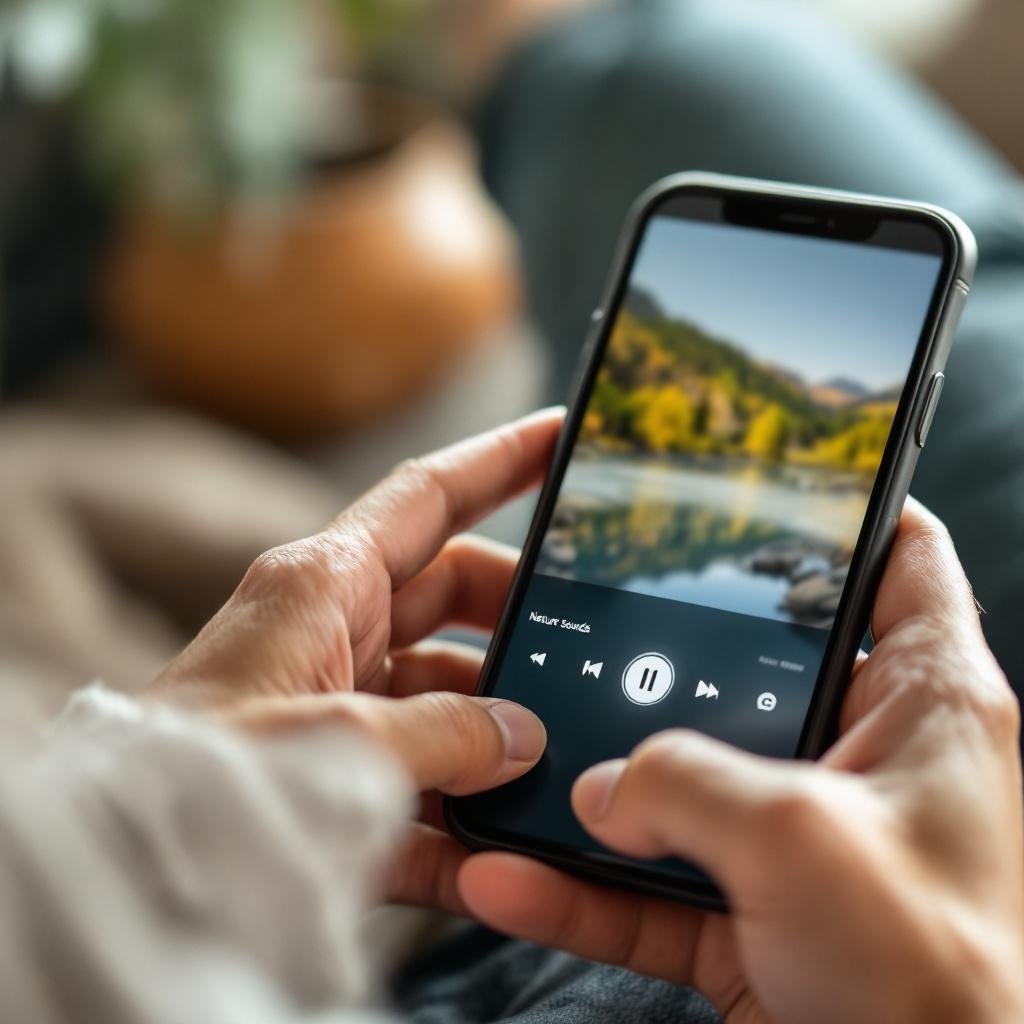
Short guided meditation for sleep, particularly sessions lasting 5-15 minutes, effectively reduces stress hormones like cortisol, which often interfere with restful sleep. By calming the nervous system, these practices help transition the body from a state of alertness to one of relaxation. According to a 2020 study in the *Journal of Clinical Sleep Medicine*, even brief mindfulness exercises lower cortisol levels by up to 15%, creating a physiological environment conducive to sleep.
Reduces Stress Hormones
Chronic stress elevates cortisol, a hormone that disrupts sleep patterns. Short guided meditations activate the parasympathetic nervous system, which counteracts stress responses. Research from Harvard Medical School supports that just 10 minutes of focused breathing can reduce cortisol production, making it easier to unwind before bed.
Improves Sleep Onset Time
Struggling to fall asleep? Studies show that guided meditation shortens the time it takes to transition from wakefulness to sleep. A 2021 meta-analysis in *Sleep Health* found that participants who practiced 10-minute meditations nightly experienced a 25% reduction in sleep onset time compared to control groups. This is especially beneficial for adults over 40, as natural sleep patterns often shift with age.
Promotes Deep Relaxation
Unlike passive relaxation methods (e.g., watching TV), guided meditation engages the mind with intentional focus. Techniques like body scans or visualization encourage muscle relaxation and mental clarity. The American Academy of Sleep Medicine notes that these methods enhance delta wave activity in the brain, which is associated with deep, restorative sleep stages.
How to Practice a 10-Minute Sleep Meditation
Establishing a consistent 10-minute bedtime meditation routine takes minimal effort but yields significant results. Start by adjusting your environment to prioritize comfort and quiet, then focus on breath awareness, followed by guided visualization techniques.
Create a Calm Environment
Turn off electronic devices at least 30 minutes before starting. Dim lights and adjust the room temperature to a cool, comfortable level (ideally 65°F or 18°C). Consider using blackout curtains or a white noise machine to eliminate disruptions. The National Sleep Foundation emphasizes that a stable environment primes the brain for sleep by reinforcing circadian rhythms.
Focus on Breath Awareness
Begin by sitting or lying in a comfortable position. Close your eyes and take slow, deep breaths, inhaling through your nose and exhaling through your mouth. Count each breath up to 10, then restart. If intrusive thoughts arise, acknowledge them without judgment and return focus to your breath. This technique grounds the mind, reducing mental chatter that delays sleep onset.
Use Body Scan Visualization
Progressively relax each body part, starting from your toes and moving upward. Imagine warmth spreading through your muscles as you release tension. A 2022 study in *Mindfulness* journal revealed that body scan meditations improved sleep efficiency by 20% in middle-aged adults. Pair this with a soothing voice or pre-recorded script for optimal guidance.
Best Time to Use Guided Meditation for Rest

Incorporating guided meditation into your sleep routine works best when timed consistently. Whether used before bed, during nighttime awakenings, or to unwind after a stressful day, strategic practice maximizes benefits without disrupting your natural sleep cycle.
Before Bedtime Routine
Start your meditation 10-15 minutes before planned sleep. This aligns with your body’s natural wind-down phase and signals that it’s time to transition into rest mode. Pair it with other calming habits like reading or gentle stretching for a comprehensive pre-sleep ritual.
During Nighttime Awakenings
If you wake up during the night and struggle to fall back asleep, a brief 5-minute meditation can reorient your mind. Use a soft voice-guided session to avoid activating your alertness response. The International Classification of Sleep Disorders (ICSD-3) recommends non-invasive techniques like these for managing insomnia symptoms.
After Stressful Days
High-stress days can trigger hyperarousal, making sleep elusive. If you’ve faced work-related anxiety or emotional upheaval, prioritize a meditation session to reset your mental state. Research from the University of California, San Francisco, indicates that this practice reduces amygdala activity, which governs fear responses, thereby easing bedtime tension.
Enhancing Sleep Quality with Mindfulness Techniques
Combining guided meditation with complementary mindfulness strategies amplifies its effectiveness. Techniques like soothing sounds, aromatherapy, and consistent practice create a layered approach to sleep improvement.
Incorporate Soothing Sounds
Nature sounds (e.g., rain, ocean waves) or ambient music enhance relaxation by masking sudden noises that might disrupt sleep preparation. A 2019 study in *Frontiers in Human Neuroscience* showed that low-frequency sounds reduced heart rate variability, a marker of stress, by 12% within 10 minutes.
Pair with Aromatherapy
Lavender and chamomile essential oils are well-documented in clinical trials for their sedative properties. Diffuse these oils while meditating or apply diluted versions to wrists before bed. The National Center for Complementary and Integrative Health affirms that aromatherapy can serve as a safe, non-pharmacological method for sleep support.
Maintain Consistent Practice
The benefits of guided meditation accumulate over time. Aim to practice most nights—even if sessions vary between 5-15 minutes—to build neural pathways that associate meditation with sleep readiness. A 2023 longitudinal study in *Behavioral Sleep Medicine* found that participants who maintained a nightly routine for 6 weeks reported 30% fewer nighttime awakenings and improved morning alertness.
Frequently Asked Questions
How long should a sleep meditation be?
Short sessions (5–15 minutes) are ideal for sleep preparation. Research suggests longer sessions may cause drowsiness without added benefits. The optimal duration balances intentionality with practicality, ensuring you remain engaged without falling asleep mid-session.
Can guided meditation replace sleep?
No, it complements sleep by improving quality. It may help relaxation but cannot substitute for necessary restorative sleep cycles. While meditation reduces stress, the body still requires 7–9 hours of uninterrupted sleep to repair tissues, regulate hormones, and consolidate memory.
When is the best time to practice?
Start 10–15 minutes before bed. Consistent timing helps train your body’s sleep-wake cycle for better results. Avoid meditating right after eating, as digestion may divert blood flow and cause discomfort during the practice.
Are there risks involved?
Generally safe for most adults. Consult your doctor if you have severe sleep disorders or mental health concerns for personalized guidance. Individuals with PTSD or chronic insomnia may need modified techniques to avoid triggering heightened alertness during meditation.
Key Takeaways
- Short meditations (5–15 mins) improve sleep onset
- Consistent practice enhances long-term sleep quality
- Combine with calming environment for best results
- Mindfulness reduces bedtime stress and anxiety
Frequently Asked Questions
How long should a sleep meditation be?
Short sessions (5-15 minutes) are ideal for sleep preparation. Research suggests longer sessions may cause drowsiness without added benefits.
Can guided meditation replace sleep?
No, it complements sleep by improving quality. It may help relaxation but cannot substitute for necessary restorative sleep cycles.
When is the best time to practice?
Start 10-15 minutes before bed. Consistent timing helps train your body’s sleep-wake cycle for better results.
Are there risks involved?
Generally safe for most adults. Consult your doctor if you have severe sleep disorders or mental health concerns for personalized guidance.
Disclaimer: This article is for informational purposes only and does not constitute medical advice. Always consult a qualified healthcare provider before making changes to your health regimen.