
Key Takeaways
- Prioritize joint-friendly exercises like swimming or cycling
- Incorporate resistance training to maintain muscle mass
- Balance workouts with flexibility and core exercises
- Always listen to your body and modify intensity as needed
Essential Fitness Exercises for Women Over 40
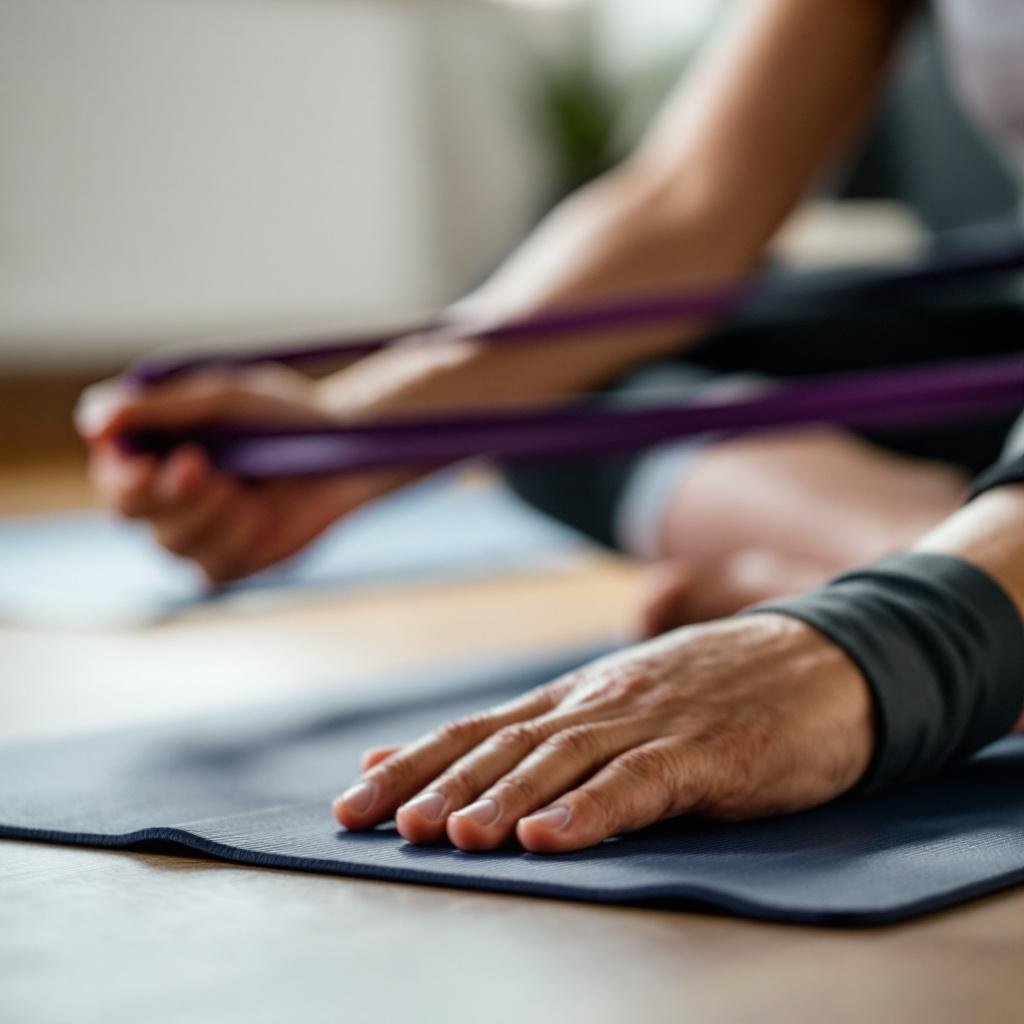
Women over 40 benefit most from combining low-impact cardio, strength training, and flexibility work to support joint health, muscle maintenance, and balance. According to the Centers for Disease Control and Prevention (CDC), regular physical activity reduces chronic disease risk and improves mental well-being. As metabolism slows and bone density declines with age, prioritizing safe, sustainable exercises becomes critical. This article explores research-backed routines tailored to midlife women’s needs.
Low-Impact Cardio for Joint Health
Joint-friendly cardio preserves mobility while improving heart health. Swimming, brisk walking, cycling, and elliptical training minimize stress on knees and hips. A 2022 study in Arthritis Care & Research found water-based exercise reduced osteoarthritis pain by 40% in postmenopausal women. Aim for 30 minutes of moderate-intensity activity five times weekly. For beginners, start with 10-minute walks, gradually increasing duration. Invest in supportive footwear and consider treadmills with shock absorption for home workouts.
Strength Training for Bone Density
Resistance training combats age-related muscle loss and osteoporosis. The American College of Sports Medicine recommends two weekly sessions targeting major muscle groups. Begin with bodyweight squats, wall push-ups, and resistance band rows. Progress to dumbbell deadlifts or chair dips as strength improves. Focus on controlled movements—lifting too heavy increases injury risk. Strength training also boosts basal metabolic rate, aiding weight management, especially during menopause when fat redistribution occurs.
Flexibility and Balance Practices

Incorporate yoga or tai chi three times weekly to enhance range of motion and prevent falls. A 2021 JAMA Network Open study showed tai chi improved balance in women over 60 by 35%. Gentle stretches for hamstrings, shoulders, and hip flexors counteract daily stiffness. Try seated forward bends or wall-assisted lunges. Balance drills like single-leg stands (hold onto a countertop for safety) strengthen stabilizing muscles. Pairing flexibility work with deep breathing also alleviates stress, which may ease menopausal mood swings.
Tailoring Workouts to Female Fitness Goals
Weight Management Strategies
Metabolism declines 2–4% per decade after 40, making fat loss challenging. Combine 150 minutes of cardio with two strength sessions weekly to build lean mass, which burns more calories at rest. High-intensity interval training (HIIT) burns fat efficiently but should be limited to 20-minute sessions once a week to avoid joint strain. For sustainable results, track progress via girth measurements rather than scale weight—muscle gain may offset fat loss.
Building Core Strength
A strong core supports posture and prevents back pain. Planks (modified on knees if needed), bird-dogs, and abdominal bracing exercises engage deep stabilizers. Avoid crunches that strain the neck; instead, perform glute bridges to activate the posterior chain. Core work should be integrated into daily movement—engage abdominal muscles while lifting groceries or raking leaves. Pilates, practiced twice weekly, improves core stability and pelvic floor strength, which is particularly beneficial post-menopause.
Adapting Exercises for Menopausal Changes
Hormonal fluctuations during perimenopause may cause fatigue and joint stiffness. Opt for morning workouts when energy levels are higher. If hot flashes occur, exercise in breathable fabrics and stay hydrated. Low-impact routines like cycling or pool exercises reduce stress on soft tissues. A 2023 Climacteric review noted resistance training reduced visceral fat accumulation linked to estrogen decline. Listen to your body—scale back intensity during hormonal surges but maintain consistency.
Sample Home Workout Routines for Beginners
Day 1: Full-Body Strength (20 mins)
• Wall push-ups (12 reps)
• Bodyweight squats (10 reps)
• Seated resistance band rows (12 reps)
• Glute bridges (15 reps)
• Cat-cow stretch (1 minute)
Day 3: Cardio + Core (25 mins)
• Brisk walking (15 mins)
• Standing side crunches (20 reps)
• Modified plank (30 seconds)
• Heel-to-toe walk (balance drill, 1 minute)
Day 5: Flexibility Focus (30 mins)
• Sun salutations (gentle yoga flow)
• Seated hamstring stretch (30 seconds each leg)
• Shoulder rolls and chest openers
Safety and Injury Prevention Tips
Injury risk increases with age due to reduced tendon elasticity. Always warm up with 5 minutes of dynamic movement like arm circles or marching in place. Use the “talk test”—if you can’t speak in short sentences during cardio, reduce intensity. For strength training, start with lighter resistance and perfect form before progressing. Invest in a stability ball for posture drills. If pain occurs, stop immediately—chronic discomfort signals overuse. Consider working with a certified trainer for posture analysis, especially if recovering from injury.
Nutrition to Support Fitness Goals
Adequate protein intake (1.0–1.2g per kg of body weight) preserves muscle mass during exercise. Pair workouts with lean proteins like grilled fish or lentils, plus antioxidant-rich vegetables to reduce inflammation. Hydrate before, during, and after activity—even mild dehydration impairs performance. For sustained energy, eat complex carbs (oats, quinoa) 1–2 hours pre-workout. Women over 50 should ensure 1,200mg of calcium daily through leafy greens or supplements, alongside vitamin D for bone health.
FAQ Section
Q: What are the best exercises for women over 40?
A: Low-impact cardio, strength training, and yoga are excellent choices. Always consult your doctor before starting new routines.
Q: How often should women exercise weekly?
A: Aim for 150 minutes of moderate activity plus two strength sessions. Adjust based on personal fitness levels and health conditions.
Q: Can fitness help with menopause symptoms?
A: Research suggests regular exercise may alleviate some symptoms. Always consult your healthcare provider for personalized advice.
Q: What precautions should mature women take?
A: Focus on proper form, warm-ups, and hydration. Progress gradually to avoid strain or injury.
Key Takeaways
– Prioritize joint-friendly exercises like swimming or cycling
– Incorporate resistance training to maintain muscle mass
– Balance workouts with flexibility and core exercises
– Always listen to your body and modify intensity as needed
Frequently Asked Questions
What are the best exercises for women over 40?
Low-impact cardio, strength training, and yoga are excellent choices. Always consult your doctor before starting new routines.
How often should women exercise weekly?
Aim for 150 minutes of moderate activity plus two strength sessions. Adjust based on personal fitness levels and health conditions.
Can fitness help with menopause symptoms?
Research suggests regular exercise may alleviate some symptoms. Always consult your healthcare provider for personalized advice.
What precautions should mature women take?
Focus on proper form, warm-ups, and hydration. Progress gradually to avoid strain or injury.
Disclaimer: This article is for informational purposes only and does not constitute medical advice. Always consult a qualified healthcare provider before making changes to your health regimen.