
Key Takeaways
- Prioritize low-impact exercises that protect joints
- Combine strength, cardio, and flexibility training
- Focus on consistency rather than intensity
- Listen to your body and modify as needed
Why Exercise Matters for Women Over 50
Regular physical activity is a cornerstone of healthy aging for women over 50, offering benefits that extend beyond weight management. As estrogen levels decline during menopause, women face increased risks of osteoporosis, sarcopenia (age-related muscle loss), and cardiovascular disease. According to the Centers for Disease Control and Prevention (CDC), engaging in targeted exercise can counteract these changes by improving bone density, preserving muscle mass, and enhancing heart function. Research published in the Journal of Aging and Physical Activity further emphasizes that structured exercise programs can reduce fall risks by up to 40% while boosting cognitive function and emotional well-being in midlife women.
Maintaining Bone Density
Bone density peaks in early adulthood, with women losing up to 20% of their skeletal mass after menopause. Weight-bearing exercises like walking, stair climbing, and resistance training provide the mechanical stress needed to stimulate bone remodeling. A 2021 Harvard T.H. Chan School of Public Health study found that postmenopausal women who engaged in 30 minutes of strength training twice weekly reduced their hip fracture risk by 50% compared to sedentary peers. Focus on compound movements such as squats and modified push-ups to target major bone sites including the spine, hips, and wrists.
Preserving Muscle Mass
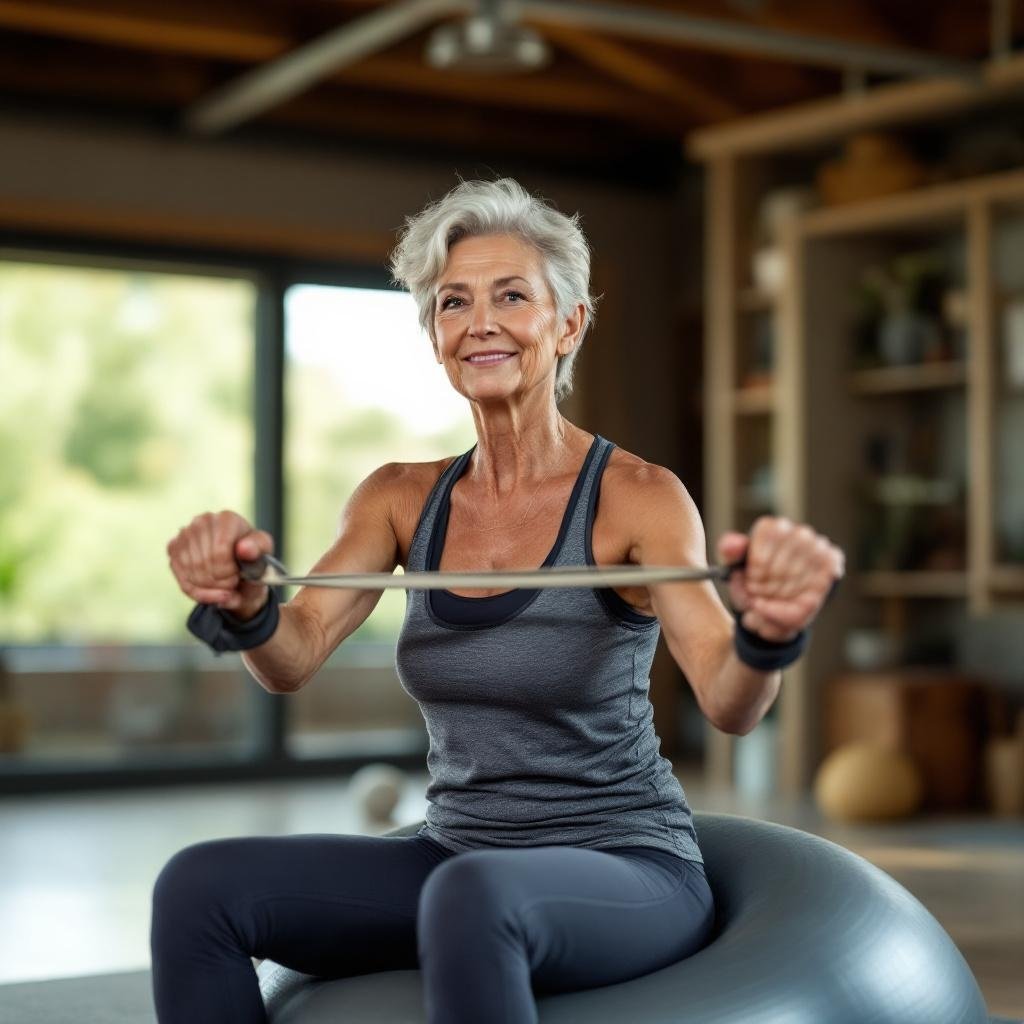
After age 50, women lose 1-2% of muscle mass annually without intervention. The American College of Sports Medicine recommends incorporating progressive resistance training to maintain functional independence. Simple modifications like resistance bands or bodyweight exercises (e.g., glute bridges, wall sits) effectively build strength without equipment. A 2020 review in Frontiers in Physiology noted that combining protein-rich nutrition with strength training amplified gains in lean body mass among older adults.
Boosting Heart Health
Cardiovascular disease becomes the leading cause of death for women after age 55. The American Heart Association advises 150 minutes of moderate-intensity aerobic activity weekly to maintain healthy blood pressure and cholesterol levels. Low-impact options like cycling, swimming, or brisk walking offer joint-friendly alternatives to high-impact exercises. Research from the Mayo Clinic shows that interval training (alternating 1-minute bursts of higher intensity with 2 minutes of recovery) improves VO2 max – a marker of cardiovascular fitness – more effectively than steady-state cardio in middle-aged women.
Top 5 Exercise Types for Women Over 50
Creating a well-rounded fitness regimen involves five critical components that address different aspects of physical health. The National Institute on Aging (NIA) recommends combining these elements for optimal benefits:
- Strength training (2-3 times weekly)
- Cardiovascular exercise (5 times weekly)
- Balancing activities (daily practice)
- Flexibility work (daily stretching)
- Mind-body coordination (3-5 times weekly)
Strength Training Basics
Beginners should start with resistance bands or light dumbbells (2-5 lbs) to establish proper form. Focus on major muscle groups through 8-10 repetitions per set. Effective exercises include:
– Bicep curls
– Overhead shoulder presses
– Seated rows
– Standing calf raises
– Pelvic floor contractions
Progress gradually by increasing repetitions before adding weight. The CDC emphasizes that strength training improves glucose metabolism and reduces arthritis symptoms when performed correctly with controlled movements.
Low-Impact Cardio Options
Protective for aging joints while still delivering cardiovascular benefits, these activities accommodate various fitness levels:
– Water aerobics
– Elliptical training
– Recumbent cycling
– Brisk walking
– Rowing machines
Monitor intensity using the “talk test” – you should be able to converse comfortably during activity. For those with knee concerns, aquatic workouts reduce joint stress by 60-80% compared to land-based equivalents, according to the Arthritis Foundation’s clinical guidelines.
Balance and Flexibility Work
Fall prevention becomes increasingly critical past age 50, with one in four Americans over 65 experiencing falls annually. Incorporate these foundational balance exercises daily:
– Single-leg stands (hold onto a chair for support)
– Heel-to-toe walks
– Tai Chi movements
– Seated leg extensions
– Ankle circles
Stretch major muscle groups for 10-15 minutes post-workout, focusing on hamstrings, hip flexors, and shoulder girdles. The University of California, San Francisco recommends static stretching (holding positions for 30 seconds) over bouncing motions to protect connective tissues.
Mind-Body Practices
Yoga and tai chi offer dual benefits of physical conditioning and stress reduction. Gentle yoga flows improve shoulder mobility and core stability, while tai chi’s slow, deliberate movements enhance proprioception. A JAMA Internal Medicine study found that older adults practicing tai chi three times weekly improved balance control comparable to standard physical therapy interventions. Look for classes specifically designed for seniors to ensure appropriate modifications.
Creating a Weekly Fitness Routine

Consistency matters more than perfection when designing an effective fitness schedule. The Physical Activity Guidelines for Americans suggest combining different exercise types across 150 minutes of weekly activity. Consider this adaptable 3-day plan:
Sample 3-Day Workout Plan
Day 1: Strength + Balance
15-minute warm-up walk → 2 sets of 8 resistance exercises → 10-minute tai chi sequence
Day 3: Low-Impact Cardio + Flexibility
Light cycling (20 min) → resistance band circuit → yoga cool-down focusing on hip and shoulder openers
Day 5: Functional Movement
Water aerobics session → standing balance holds → foam rolling for muscle recovery
Combining Different Exercise Types
Maximize efficiency by integrating multiple elements within single sessions. For example:
– Add 5-minute walking intervals between strength sets
– Perform yoga poses as active recovery between cardio sessions
– Practice balance drills while waiting for kettle to boil
– Incorporate stretching into morning routines
This approach increases adherence by fitting movement into daily life patterns, as recommended by the World Health Organization’s 2020 physical activity guidelines.
Tracking Progress Effectively
Motivation improves when tracking measurable improvements. Use these methods:
– Record workouts in a journal or app (note duration, intensity, perceived exertion)
– Photograph posture changes every 8 weeks
– Test functional metrics monthly (e.g., chair stands completed in 30 seconds)
– Monitor blood pressure and resting heart rate weekly
Recognize that progress may manifest as increased stamina, better sleep quality, or improved mood rather than just numerical changes. The NIA advises revisiting fitness assessments every 3-6 months to adjust routines appropriately.
Safety Tips for Staying Active Safely
Exercise-related injuries among older adults often stem from improper technique rather than physical activity itself. Prioritize safety through these practices:
Warming Up Properly
Begin with 5-10 minutes of dynamic movement to increase blood flow. Effective warm-up activities include:
– Arm circles
– Gentle knee lifts
– Side-to-side weight shifts
– Shoulder rolls
– Walking in place
Harvard research indicates that warming up raises muscle temperature by 2-3°F, making tissues more elastic and reducing strain risks.
Knowing Your Limits
Recognize warning signs that mean you should stop exercising immediately:
– Chest discomfort or irregular heartbeats
– Sudden dizziness
– Shortness of breath that doesn’t improve with rest
– Joint swelling or sharp pain
Use perceived exertion scales (0-10) to gauge appropriate effort levels between 3-6 during workouts. The American College of Sports Medicine encourages modifying exercises rather than skipping sessions entirely when experiencing mild discomfort.
Staying Hydrated
Age-related changes reduce thirst sensitivity, making dehydration more likely. Follow these hydration strategies:
– Drink 16 ounces of water 2 hours before workouts
– Sip 4-6 ounces every 15 minutes during activity
– Monitor urine color (pale yellow indicates proper hydration)
– Increase fluid intake when exercising in warm environments
For sessions lasting over 60 minutes, a sports drink may help replace electrolytes. Consult a healthcare provider about specific fluid needs if managing chronic conditions like hypertension or diabetes.
Frequently Asked Questions
What exercises should women over 50 avoid?
Exercise modifications become necessary as bodies change with age. Avoid activities with high fall risks like uncontrolled jumping or uneven surface running. Skip exercises that cause joint pain or excessive breathlessness. The Cleveland Clinic advises against rapid directional changes in strength movements which can strain ligaments. Always consult with your physician before beginning any new fitness program, especially after periods of inactivity or medical interventions.
How often should women over 50 exercise?
Current recommendations from the Office on Women’s Health suggest:
– 150 minutes of moderate-intensity aerobic activity weekly
– Muscle-strengthening exercises targeting all major groups 2-3 times weekly
– Daily flexibility and balance training
Break activity into 10-minute increments throughout the day when needed. Older adults with chronic conditions should aim for as much activity as their abilities allow, adjusting intensity and duration as needed while avoiding prolonged sitting periods.
Can I build muscle after 50?
Age-related muscle loss is not inevitable. A Journal of Cachexia, Sarcopenia and Muscle meta-analysis found that women over 50 increased lean body mass by 2.4 pounds through 12 weeks of supervised resistance training. Start with bodyweight exercises and light free weights, gradually increasing intensity based on individual tolerance. Consistency proves key – muscle gains appear within 4-6 weeks and continue improving over 12 months of regular training.
What if I have joint issues?
Joint pain shouldn’t stop physical activity entirely but requires intelligent modifications. Consider:
– Exercising in water to reduce joint load
– Using recumbent bikes instead of upright models
– Performing seated strength variations
– Wearing properly fitted shoes with adequate arch support
Work with a physical therapist to identify pain-free movement patterns. The American Academy of Orthopaedic Surgeons recommends maintaining range-of-motion exercises to preserve joint flexibility, even during flare-ups of conditions like osteoarthritis.
Key Takeaways
Women over 50 benefit most from sustainable fitness strategies that consider changing physical needs. Prioritize low-impact exercises like swimming or elliptical use to protect vulnerable joints. Create balanced routines that combine strength, cardiovascular, and flexibility components for comprehensive health improvements. Approach fitness with consistency rather than intensity – shorter daily activities often yield better long-term results than infrequent strenuous workouts. Most importantly, learn to respond to your body’s feedback by modifying exercises as needed to maintain safe, enjoyable movement patterns throughout midlife and beyond.
Frequently Asked Questions
What exercises should women over 50 avoid?
Avoid high-impact activities with fall risks. Skip exercises causing joint pain. Consult your doctor before starting new routines.
How often should women over 50 exercise?
Aim for 150 minutes moderate cardio weekly. Include strength training 2-3 times. Add flexibility work daily for best results.
Can I build muscle after 50?
Yes, strength training helps maintain muscle mass. Start with light weights. Progress gradually under professional guidance.
What if I have joint issues?
Try water aerobics or cycling. Use proper form. Consult a physical therapist for personalized modifications.
Disclaimer: This article is for informational purposes only and does not constitute medical advice. Always consult a qualified healthcare provider before making changes to your health regimen.