
Key Takeaways
- Pecans provide essential vitamins, minerals, and antioxidants important for aging adults.
- Regular consumption may support heart health through healthy fats and anti-inflammatory properties.
- Nutrients in pecans may help maintain cognitive function and protect neural pathways.
- Moderate intake of pecans can support satiety and metabolic health.
Rich Source of Essential Nutrients
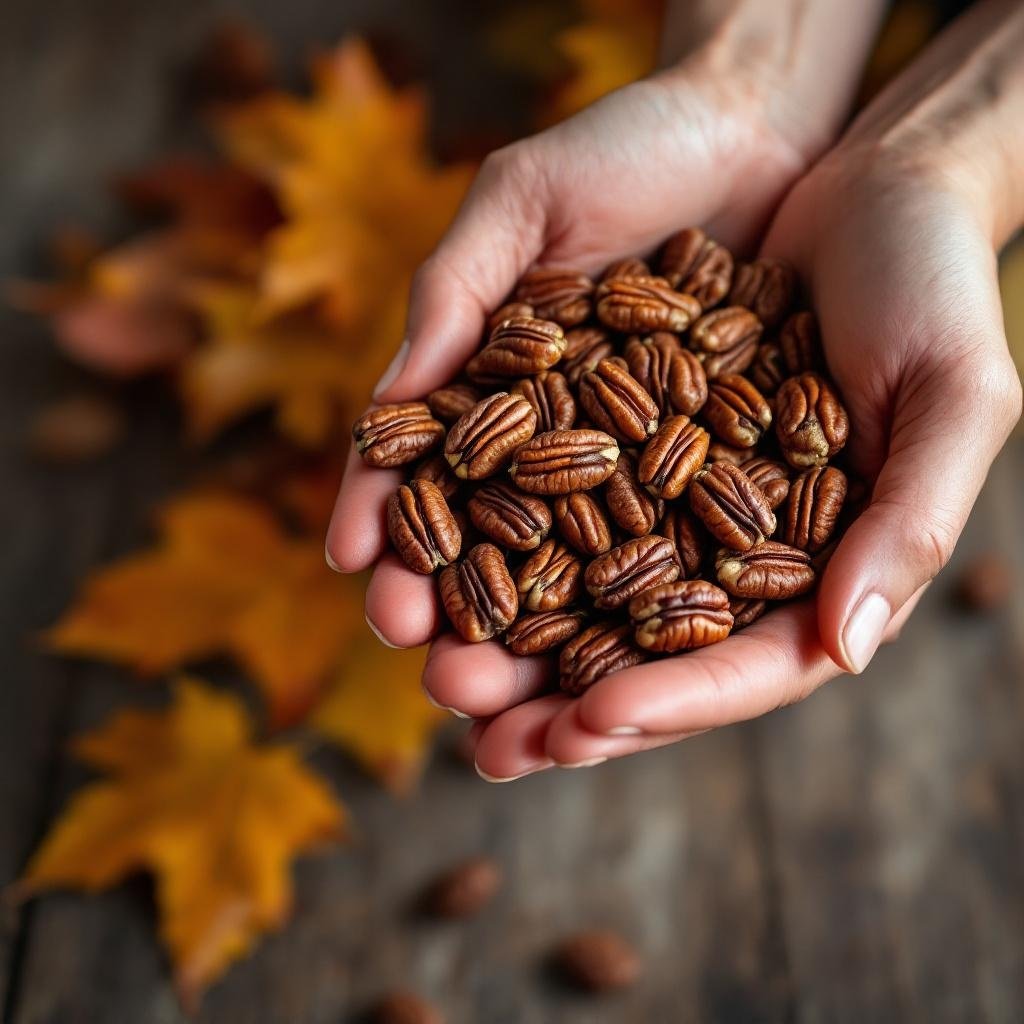
Pecans offer a concentrated source of vital vitamins, minerals, and antioxidants that become increasingly important as we age. A single one-ounce serving provides nearly 20% of the recommended daily intake of thiamine, essential for energy metabolism, and 10% of zinc, which supports immune function. These nutrient-dense nuts also supply key minerals like magnesium, which regulates muscle and nerve function, and copper, crucial for maintaining healthy bones and blood vessels. Their unique nutrient profile makes pecans a valuable addition to the diet of aging adults seeking to maintain optimal health.
Vitamins and Minerals in Pecans
While pecans aren’t typically associated with multivitamin status, they contain significant amounts of several essential nutrients. Manganese ranks highest in their mineral content, delivering 1.2 mg per ounce – over half of the recommended daily allowance. This underappreciated mineral acts as a cofactor for bone development and wound healing. The B-complex vitamins present, particularly B6 and folate, play critical roles in cognitive function and red blood cell production. Vitamin E, though found in modest quantities, contributes to skin health and immune support through its antioxidant activity.
Antioxidant Powerhouse for Aging Adults
Research from the USDA Agricultural Research Service identifies pecans as containing 10,506 TE (Trolox equivalents) per 100g – one of the highest antioxidant capacities among nuts. These antioxidants include polyphenols like ellagic acid and flavonoids that help neutralize free radicals associated with cellular aging. For adults over 40, this antioxidant activity may support cellular health in vascular tissues and brain cells. A 2019 study in Nutrients demonstrated that regular nut consumption, particularly antioxidant-rich varieties like pecans, correlated with improved oxidative stress markers in middle-aged participants.
Heart Health and Pecans: What You Need to Know
Cardiovascular wellness becomes increasingly important with age, and pecans offer multiple heart-healthy benefits. Clinical trials at Loma Linda University showed that consuming pecans daily significantly reduced LDL cholesterol levels without negatively affecting triglycerides. The monounsaturated fats in pecans mimic the cardiovascular benefits of olive oil, while their amino acid profile includes arginine – a precursor for nitric oxide production that helps maintain arterial elasticity.
Healthy Fats and Cholesterol Management
With 20g of unsaturated fats per ounce – 91% of which are monounsaturated – pecans align with American Heart Association recommendations for heart-healthy fats. The primary fatty acid, oleic acid, has demonstrated cholesterol-lowering effects in clinical trials involving postmenopausal women. When substituted for saturated fats in the diet, pecans’ lipid profile may help improve arterial plaque measurements. Notably, their phytosterol content (about 95 mg per ounce) further supports cholesterol management by inhibiting intestinal absorption.
Reducing Inflammation with Pecan Consumption
Chronic inflammation plays a key role in cardiovascular aging. Pecans contain gamma-tocopherol, a form of vitamin E particularly effective at reducing inflammation in blood vessels. The Journal of nutrition published findings showing pecan consumption increased anti-inflammatory markers like interleukin-10 in older adults. Additionally, their magnesium content helps regulate inflammatory responses, with studies linking higher magnesium intake to reduced C-reactive protein levels in midlife populations.
Pecans and Brain Function: A Powerful Connection
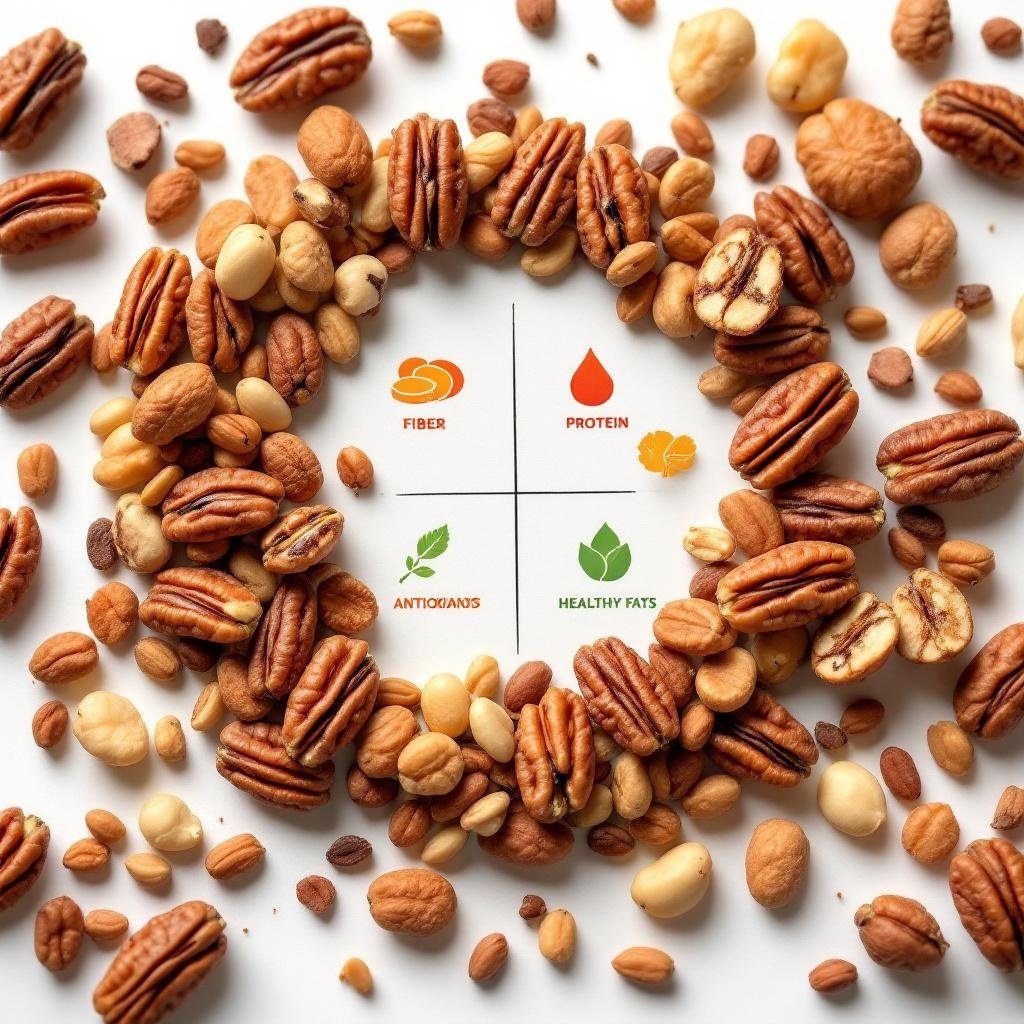
For maintaining cognitive vitality, pecans provide critical neuroprotective nutrients. Research from the University of Massachusetts demonstrated that diets containing 1.5 ounces of pecans daily improved spatial learning and memory in aged rodent models. This benefit likely stems from the combination of antioxidants and omega-3 fatty acids that support neuronal membrane integrity and neurotransmitter function. As people age, these nutrients become increasingly important for protecting against normal cognitive declines.
Omega-3 Fatty Acids and Cognitive Health
Though not as high in omega-3s as walnuts, pecans still provide 0.27g of alpha-linolenic acid (ALA) per ounce – a plant-based omega-3 that contributes to brain health. ALA serves as a precursor for EPA and DHA when converted by the body, supporting synaptic plasticity and reducing age-related cognitive decline. A 2021 study in Aging and Disease found that older adults with higher ALA intake showed better performance on memory tests and reduced brain volume loss over five years.
Protecting Neural Pathways with Nutrients
Pecans’ high vitamin E content – particularly gamma-tocopherol – offers protection against oxidative stress in neural tissues. This antioxidant may help preserve myelin sheaths that protect nerve fibers. Their copper content supports neurotransmitter synthesis, while the amino acid tyrosine provides building blocks for dopamine production. Laboratory studies have shown pecan extracts may inhibit acetylcholinesterase activity, suggesting potential benefits for maintaining normal cognitive function.
Pecans for Weight Management and Metabolism
Contrary to concerns about calorie density, pecans can support healthy weight management when consumed mindfully. Research from Purdue University indicates that tree nuts like pecans increase satiety without leading to compensatory eating. Their protein and fiber content create a prolonged feeling of fullness, while the healthy fats help regulate insulin response. For aging adults experiencing metabolic changes, moderate pecan consumption may support balanced energy levels and body composition.
Satiety and Protein Content
With 3g of plant protein and 10g of fat per ounce, pecans create a lasting sense of fullness that reduces overall calorie intake. Studies using visual analog scales have shown participants report greater satiety after nut consumption compared to isocaloric carbohydrate snacks. The amino acid profile includes all nine essential amino acids, with particular abundance of arginine and glutamine – important for muscle maintenance and metabolic regulation as we age.
Balancing Blood Sugar Levels Naturally
The low glycemic index of pecans (7) makes them suitable for blood sugar management. Their combination of healthy fats, protein, and fiber creates a slow digestion rate that prevents blood glucose spikes. Clinical trials have shown adding pecans to high-carbohydrate meals significantly reduces postprandial glucose response. For aging adults concerned with metabolic health, this balancing effect supports stable energy levels and may reduce insulin resistance over time.
Frequently Asked Questions
Q: Can pecans improve heart health?
A: Research suggests pecans may support heart health by improving cholesterol levels and reducing inflammation when consumed in moderation.
Q: How many pecans should I eat daily?
A: A typical recommended serving size is about 1 ounce (28 grams) per day to balance nutritional benefits with calorie intake. This equals approximately 20 halves.
Q: Do pecans help with brain function?
A: Pecans contain antioxidants and omega-3s that may help protect brain health and support cognitive function as we age. Current studies show promising results in neural protection and memory retention.
Q: Are pecans good for weight loss?
A: Though calorie-dense, pecans provide protein and fiber that may aid weight management when eaten as part of a balanced diet. Their satiating properties help control appetite between meals.
Key Takeaways
- Pecans provide essential vitamins, minerals, and antioxidants important for aging adults.
- Regular consumption may support heart health through healthy fats and anti-inflammatory properties.
- Nutrients in pecans may help maintain cognitive function and protect neural pathways.
- Moderate intake of pecans can support satiety and metabolic health.
Frequently Asked Questions
Can pecans improve heart health?
Research suggests pecans may support heart health by improving cholesterol levels and reducing inflammation when consumed in moderation.
How many pecans should I eat daily?
A typical recommended serving size is about 1 ounce (28 grams) per day to balance nutritional benefits with calorie intake.
Do pecans help with brain function?
Pecans contain antioxidants and omega-3s that may help protect brain health and support cognitive function as we age.
Are pecans good for weight loss?
Though calorie-dense, pecans provide protein and fiber that may aid weight management when eaten as part of a balanced diet.
Disclaimer: This article is for informational purposes only and does not constitute medical advice. Always consult a qualified healthcare provider before making changes to your health regimen.