EDITOR’S 1-MINUTE CLINICAL BRIEFING
Essential Nutritional Supplements for Vegans After 40: Clinical Gaps & Dosing
- The Non-Negotiable B12 Mandate: Plants do not synthesize cobalamin. Relying on unfortified foods, spirulina, or nutritional yeast risks irreversible subacute combined degeneration of the spinal cord and elevated homocysteine. Long-term vegans require 1,000 mcg sublingual methylcobalamin twice weekly or 250 mcg daily.
- The Omega-3 ALA-to-DHA Bottleneck: Plant-derived Alpha-Linolenic Acid (ALA from flax, chia, and walnuts) converts to long-chain active DHA at an inefficient rate of under 0.5% in adults. Direct microalgae-derived oil providing 300 mg to 500 mg combined EPA + DHA daily is mandatory for preserving hippocampal brain volume and macular retinal density after 40.
- Phytate Mineral Binding Countermeasures: Dietary phytic acid in unfermented grains and legumes binds non-heme iron and zinc, reducing bioavailability by 50%. Strategic pairing with buffered Vitamin C (ascorbate) and using chelated zinc bisglycinate guarantees therapeutic absorption.
A well-planned plant-based diet offers remarkable cardiovascular benefits, reduced inflammation, and improved insulin sensitivity. However, when evaluating essential nutritional supplements for vegans after age 40, physiological nutrient absorption dynamics shift significantly. Age-related reductions in gastric hydrochloric acid (hypochlorhydria) and intrinsic factor secretion impair B12 absorption, while reduced desaturase enzyme activity compromises omega-3 fatty acid elongation.
According to epidemiological data from the EPIC-Oxford Cohort Study and clinical position papers from the NIH Office of Dietary Supplements, long-term vegans who omit targeted micronutrient supplementation face silent deficiencies in bone density, cognitive speed, and metabolic methylation. Below is the definitive, evidence-based guide to the core supplements every adult on a plant-based diet must maintain.
1. The 7 Core Nutritional Supplements for Vegans Matrix
The table below outlines the primary micronutrients missing or poorly bioavailable in plant foods, the superior vegan bioavailable form, standard daily clinical dosage, and target lab biomarkers:
| Nutrient | Clinical Vulnerability in Vegan Diet | Optimal Vegan Form | Standard Daily Clinical Dosage | Target Lab Biomarker |
|---|---|---|---|---|
| 1. Vitamin B12 (Cobalamin) | Completely absent in plant kingdom; pseudovitamin B12 in spirulina blocks true B12 receptors | Sublingual Methylcobalamin + Adenosylcobalamin blend | 250 mcg daily or 1,000 mcg 2x per week | Serum B12 >450 pg/mL; Methylmalonic acid (MMA) normal |
| 2. Algal Omega-3 (DHA & EPA) | ALA conversion to DHA is <0.5%; leads to low erythrocyte membrane Omega-3 Index (<4%) | Pure microalgae oil (Schizochytrium sp.) softgels | 300 mg – 600 mg combined EPA + DHA daily | Omega-3 Index >8% in red blood cell membranes |
| 3. Plant-Derived Vitamin D3 | Mushrooms supply D2 (ergocalciferol), which has inferior binding affinity and rapid clearance | Cholecalciferol extracted from wild organic Lichen | 2,000 IU – 4,000 IU daily with dietary fat | Serum 25(OH)D between 50 – 70 ng/mL |
| 4. Non-Heme Iron Booster | Plant non-heme iron absorption is inhibited by polyphenols and phytic acid; low ferritin stores | Iron Bisglycinate Chelate (gentle on stomach, non-constipating) | 18 mg – 27 mg elemental iron every other day with Vitamin C | Serum Ferritin 50 – 80 ng/mL |
| 5. Chelated Zinc & Trace Copper | High phytate:zinc molar ratio (>15) in whole plant foods precipitates zinc out of solution | Zinc Picolinate or Zinc Bisglycinate | 15 mg elemental zinc + 1 mg copper daily with food | Serum Zinc 90 – 120 mcg/dL |
| 6. Iodine & Selenium | Soil iodine is highly erratic; sea salt lacks iodine; goitrogens in crucifers suppress uptake | Standardized organic Kelp extract (potassium iodide) + 2 Brazil nuts | 150 mcg Iodine + 55 mcg Selenium daily | TSH 1.0 – 2.0 mIU/L; Free T3 optimal |
| 7. Choline & Taurine | Low dietary phosphatidylcholine risks hepatic steatosis; lack of dietary taurine lowers bile acid pool | Citicoline (CDP-Choline) powder + L-Taurine | 250 mg Citicoline + 500 mg Taurine daily | ALT/AST liver enzymes & homocysteine normalization |
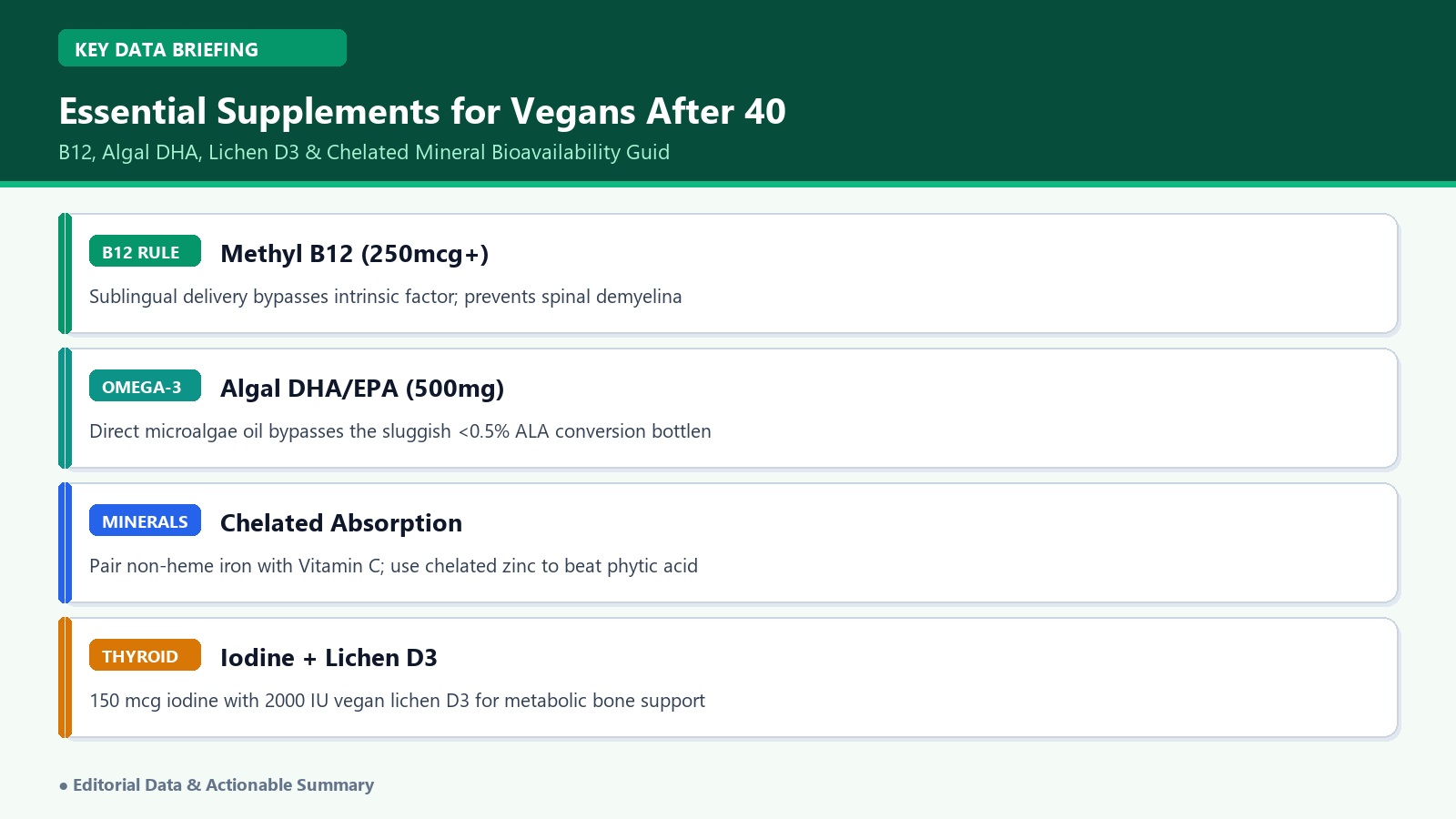
Figure 1: High-resolution clinical breakdown of the 7 core vegan micronutrient targets and biomarker goals.
2. Deconstructing the Big Three: B12, Algae DHA, and Lichen D3
While many bloggers suggest a simple multivitamin suffices, the pharmacokinetic realities of essential nutritional supplements for vegans require understanding three critical biological pathways:
The Active B12 Cobalamin Cascade: The human liver stores approximately 2 to 5 milligrams of Vitamin B12, which can mask a dietary deficit for 2 to 4 years after adopting a plant-based diet. Once hepatic stores deplete, however, homocysteine accumulates, demyelinating the posterior and lateral columns of the spinal cord. Sublingual methylcobalamin circumvents gastric intrinsic factor limitations through passive transmucosal diffusion, restoring normal cellular S-adenosylmethionine (SAMe) production.
Why Algal Oil DHA Outperforms Flaxseed Oil
Flax, chia, and hemp seed oils deliver Alpha-Linolenic Acid (ALA, 18 carbons). To protect brain synapses and heart tissue, the body must convert ALA to Docosahexaenoic Acid (DHA, 22 carbons) using delta-6 desaturase and elongase enzymes. In adults over 40, this conversion drops below 0.5%. Fish obtain their DHA and EPA by eating marine microalgae; by consuming pure Schizochytrium algal oil directly, vegans bypass the fish entirely and receive zero heavy metals, microplastics, or environmental contaminants.

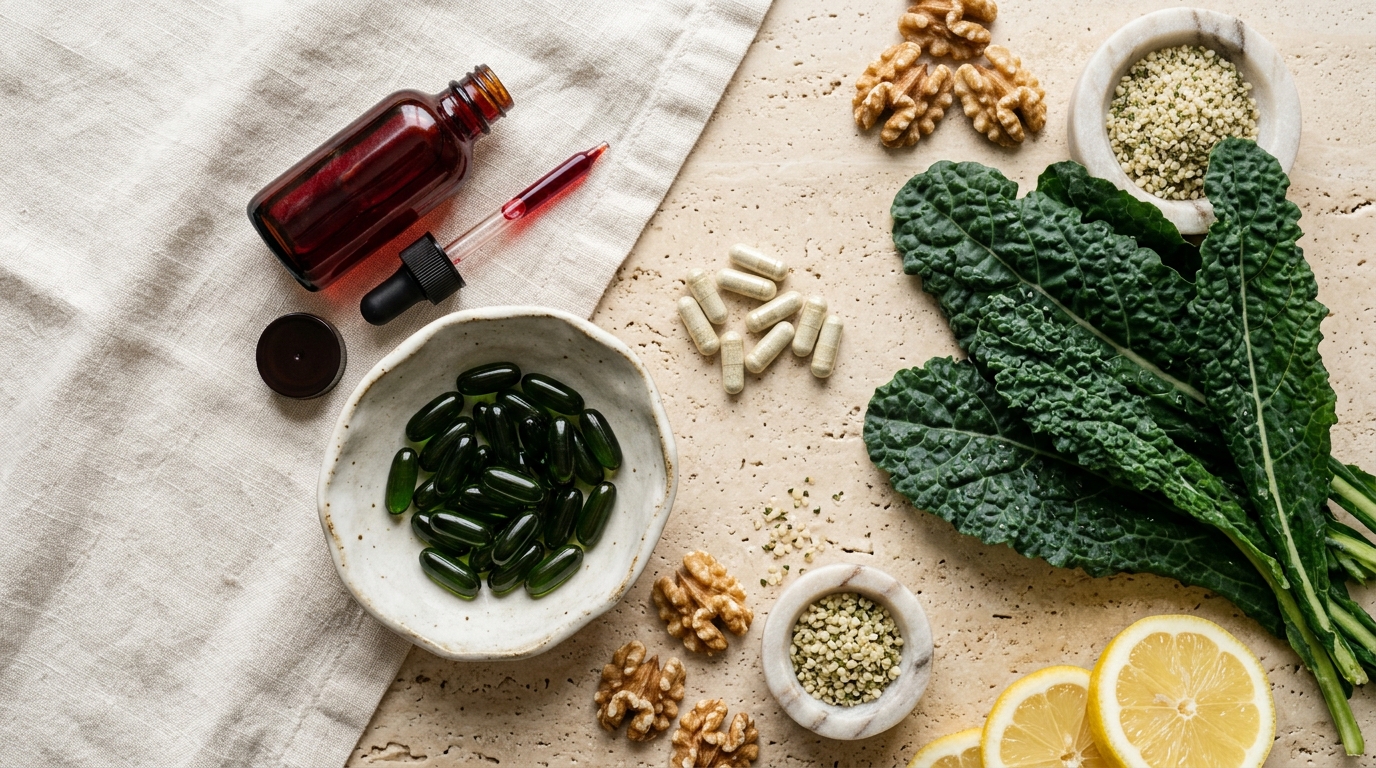
Figure 2: Daily plant-based culinary ritual paired with targeted bioavailable vegan micronutrients.
Essential Protocol: 3. Synergistic Daily Protocol: Timing and Absorption Strategy
Nutrient-nutrient antagonism is especially common in vegan nutrition (for example, calcium, zinc, and iron compete for the same DMT-1 transporter in the duodenum). Follow this circadian intake protocol:
🌞 Morning Protocol (With Breakfast Containing Citrus and Healthy Fats)
- Sublingual Methyl B12 (250 mcg – 500 mcg): Dissolve under the tongue upon waking for direct mucosal diffusion.
- Algal DHA/EPA Softgel (300 mg – 500 mg): Ingest with morning healthy fats (avocado, chia pudding, or olive oil).
- Lichen Vitamin D3 (2,000 IU) + K2 MK-7 (100 mcg): Taken with the algal oil to maximize fat-soluble micellar absorption.
- Kelp Iodine (150 mcg) or 2 Brazil Nuts: Stimulates morning metabolic thyroid hormone conversion (T4 to T3).
🌙 Evening Protocol (With Dinner, Separated From High-Tannin Teas)
- Chelated Zinc Bisglycinate (15 mg) + Copper (1 mg): Taken after dinner to support overnight immune and wound repair.
- Iron Bisglycinate (18 mg – 27 mg, Alternate Days): Ingest with a glass of water containing lemon or Vitamin C; avoid coffee, green tea, or calcium supplements within 2 hours.
- L-Taurine (500 mg – 1,000 mg): Supports GABA synthesis, calm restorative sleep, and evening gallbladder bile acid conjugation.
4. Clinical Traps & Common Pitfalls in Plant-Based Supplementation
When assembling your regimen of essential nutritional supplements for vegans, avoid these four widespread errors:
- The Spirulina & Nori B12 Trap: Blue-green microalgae (spirulina) and seaweeds contain corrinoids known as “pseudovitamin B12.” These inactive analogues lack biological activity in humans yet bind tightly to intrinsic factor and transcobalamin II, falsely elevating standard serum B12 blood tests while starving brain tissue of real cobalamin.
- Over-Relying on Nutritional Yeast Alone: While fortified nutritional yeast contains added cyanocobalamin, baking with it under high oven heat destroys heat-sensitive B vitamins. Always verify the fortification date and use standardized sublingual drops as your primary safeguard.
- Ignoring Vitamin K2 in Plant Nutrition: Leafy greens provide abundant Vitamin K1 (phylloquinone) for liver clotting. However, bone and arterial decalcification requires Vitamin K2 (menaquinone-7), found naturally only in fermented natto soybeans. Unless natto is consumed weekly, vegan MK-7 supplementation is essential.
5. Frequently Asked Questions (FAQ)
Can a whole-food vegan diet provide 100% of all required nutrients without supplements?
No. Even the most meticulously planned whole-food plant-based diet cannot supply Vitamin B12, which is produced exclusively by soil bacteria and absent in modern washed produce. Additionally, active long-chain Omega-3 DHA, bioavailable Lichen D3, and adequate iodine require deliberate supplementation for long-term health.
Which blood tests should a vegan request annually from their doctor?
Request a Comprehensive Metabolic Panel, Complete Blood Count (CBC), Serum Ferritin (iron storage), Serum Methylmalonic Acid (MMA) and Homocysteine (the gold standards for functional B12 status), 25-hydroxy Vitamin D, RBC Omega-3 Index, and a full thyroid panel (TSH, Free T3, Free T4).
Are vegan Vitamin D3 supplements as potent as conventional sheep’s wool D3?
Yes. Vitamin D3 extracted from wild harvested Lichen is chemically identical (cholecalciferol) to lanolin-derived D3 from sheep’s wool. Clinical comparison trials confirm that lichen-derived D3 raises serum 25(OH)D levels with equal potency and bioequivalence.