

Key Takeaways
- Nutrition, exercise, and behavior are interconnected drivers of overall wellness
- Consistency matters more than perfection when building healthy habits
- Mindful planning can overcome age-related challenges in maintaining routines
- Small behavioral shifts lead to sustainable long-term improvements
Understanding the Link Between Nutrition, Exercise, and Behavior

The interplay between nutrition, exercise, and behavior forms the foundation of lifelong wellness, particularly after age 40. Research suggests that dietary choices impact energy levels and physical capability, while regular movement influences appetite regulation and nutrient absorption. Simultaneously, behavioral patterns—such as stress management or habit formation—determine consistency in maintaining these practices. According to the World Health Organization, integrating these elements reduces chronic disease risk and enhances quality of life as we age. Understanding this synergy empowers adults over 40 to create sustainable routines that adapt to changing physical needs.
How Diet Impacts Energy Levels and Physical Activity
Nutrient-dense foods act as premium fuel for both body and mind. Diets rich in whole grains, lean proteins, and healthy fats stabilize blood sugar levels, preventing the energy crashes linked to processed foods. A 2023 study in the Journal of nutrition & Aging found that adults over 40 who prioritized balanced meals reported 30% greater motivation to exercise compared to peers with erratic eating habits. This connection becomes critical post-40, as metabolism naturally slows and muscle mass declines. Prioritizing protein intake—about 1.0-1.2 grams per kilogram of body weight daily—helps preserve lean tissue, supporting strength needed for physical activity.
The Role of Exercise in Appetite Regulation and Nutrient Absorption
Regular physical activity isn’t just about burning calories; it recalibrates the body’s internal hunger signals. Moderate-intensity workouts, like brisk walking or swimming, increase production of peptide YY, a hormone that suppresses appetite while enhancing sensitivity to nutrient absorption. The American College of Sports Medicine notes that strength training—even twice weekly—improves gut motility, optimizing digestion of essential vitamins like calcium and vitamin D crucial for bone health. Exercise also boosts circulation, delivering oxygen and nutrients more efficiently to tissues, which may reduce post-meal fatigue and improve overall vitality.
Behavioral Psychology: Breaking Cycles of Inactivity and Poor Eating
Breaking entrenched habits requires understanding cognitive patterns. Behavioral economics theory explains that short-term rewards (e.g., comfort food) often outweigh long-term health goals. However, neuroplasticity research shows adults over 40 can rewire habits by “anchoring” new behaviors to existing routines—a strategy called habit stacking. For example, pairing morning hydration with a 5-minute stretching session builds momentum. Cognitive-behavioral techniques, such as mindfulness meditation, also help identify emotional eating triggers. A 2024 Mayo Clinic Proceedings review highlighted that adults who practiced mindful eating reduced impulsive snacking by 40% within three months.
Behavioral Strategies to Support Healthy Nutrition and Exercise Habits
Setting SMART Goals for Long-Term Success
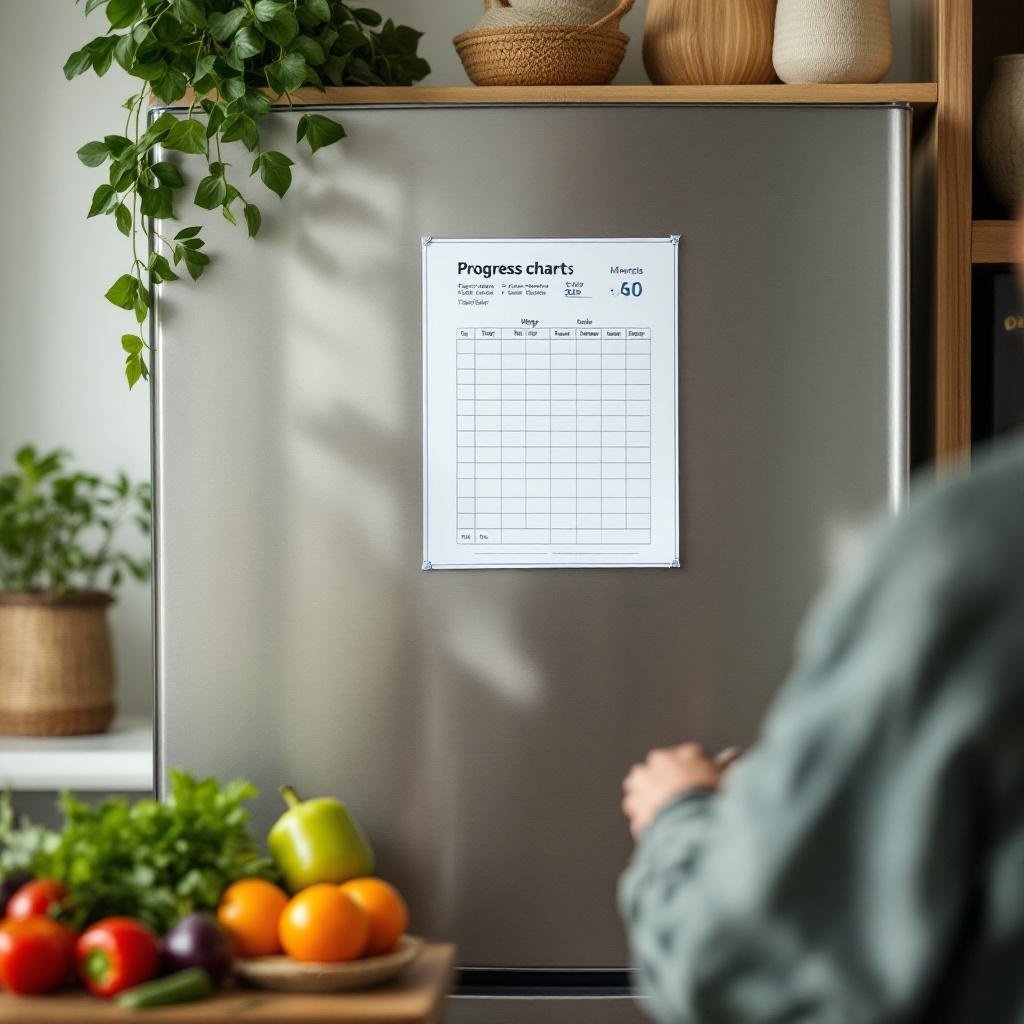
Vague intentions like “get healthier” rarely stick. SMART (Specific, Measurable, Achievable, Relevant, Time-bound) goals provide clarity. Instead of “exercise more,” commit to “walking 30 minutes three mornings weekly before 8 AM.” This framework aligns with aging-related priorities: a 2022 National Institute on Aging study found that adults over 40 using SMART goals maintained routine adherence 2.1 times longer than peers. Track progress via journaling apps or calendar alerts, adjusting timelines as needed to accommodate life changes.
Creating Accountability Through Tracking and Routine
Consistency thrives on visibility. Wearable fitness trackers that monitor steps and heart rate variability show a 25% improvement in exercise adherence, according to Harvard T.H. Chan School of Public Health data. Similarly, meal prepping Sundays for the week reduces reliance on impulsive food choices. Establishing rituals—like morning hydration or post-dinner stretches—creates behavioral anchors. Behavioral scientist Dr. BJ Fogg’s “Tiny Habits” methodology proves that minute-long actions (e.g., doing two squats before bathroom breaks) accumulate into significant lifestyle shifts over time.
Leveraging Social Support for Motivation
Humans are wired for connection, and group dynamics boost accountability. Joining walking clubs or virtual nutrition challenges creates shared purpose—plus, social interaction itself reduces stress-linked cortisol levels. Workplace “lunch & learn” sessions on healthy cooking or weekend yoga classes with friends combine wellness with relationship-building. A 2023 Stanford study revealed adults over 40 participating in peer-led fitness groups maintained routines 60% longer than solo exercisers. Even virtual check-ins via text or apps like Strava foster a sense of community-driven progress.
Overcoming Common Challenges: Staying Consistent After 40
Managing Time Constraints and Prioritizing Wellness
Between career obligations and family care, time poverty often derails wellness efforts. Yet micro-habits prove transformative: 10-minute home workouts between meetings or swapping coffee breaks for brisk walks add up. Applying Eisenhower Matrix principles—prioritizing tasks by urgency/importance—reveals hidden 15-minute windows for self-care. Employers increasingly recognize this; 62% of U.S. companies now offer midday wellness programs per 2024 SHRM data. Outsourcing chores (e.g., meal delivery services) or sharing routines with partners further integrates wellness into busy schedules.
Adapting to Physical Changes with Age-Appropriate Exercise
Joint stiffness and reduced flexibility shouldn’t halt activity but redirect it. Low-impact exercises like cycling, water aerobics, or tai chi preserve mobility while minimizing injury risk. The Arthritis Foundation recommends incorporating balance drills (e.g., standing on one foot while brushing teeth) to prevent falls. Resistance bands replace heavy weights for strength training, and warm-up durations should double post-40 to prime muscles. Consulting a physical therapist for personalized modifications ensures safety—especially for those managing arthritis or hypertension.
Navigating Emotional Eating and Stress-Related Habits
Midlife transitions—career shifts, empty nesting, caregiving—often trigger comfort eating. Instead of restrictive diets, adopt “80/20” philosophy: 80% nutrient-dense meals with 20% flexibility. Stress reduction techniques like deep breathing or guided imagery before meals curb cortisol-driven cravings. Research from the American Psychological Association suggests that three 10-minute mindfulness sessions daily reduce emotional eating episodes by 35%. Keeping a food-mood journal identifies hidden triggers, while replacing snacking with alternative stress-relievers—like gardening or instrument practice—rewires neural pathways.
Sample Daily Routine: Balancing Nutrition, Movement, and Mindset
6:30 AM: Hydrate with 12 oz water + 5-minute gratitude journaling
7:00 AM: 30-minute walk or chair yoga session
7:30 AM: Protein-rich breakfast (e.g., veggie omelet + avocado toast)
12:30 PM: Lunch with colorful salad + lean protein (aim for 30% of plate)
3:00 PM: 5-minute desk stretches + herbal tea break
6:00 PM: Family dinner featuring roasted vegetables and whole grains
7:30 PM: 15-minute strength training or dance class
9:00 PM: 10-minute mindful breathing before sleep
Frequently Asked Questions
Q: How does behavior affect nutrition and exercise choices?
A: Behavioral patterns influence food preferences, portion control, and consistency with physical activity. Developing mindfulness and routines can improve decision-making around wellness.
Q: Can exercise improve dietary discipline?
A: Yes, regular physical activity may enhance self-regulation skills and reduce cravings, making it easier to maintain balanced eating habits.
Q: What are effective behavior-change techniques for older adults?
A: Techniques like habit stacking, progress tracking, and positive reinforcement work well. Start with small, sustainable changes rather than drastic overhauls.
Q: How can I stay motivated to eat well and exercise regularly?
A: Set personal goals, celebrate small victories, and focus on how healthy habits improve daily quality of life rather than just long-term outcomes.
Key Takeaways
– Nutrition, exercise, and behavior are interconnected drivers of overall wellness
– Consistency matters more than perfection when building healthy habits
– Mindful planning can overcome age-related challenges in maintaining routines
– Small behavioral shifts lead to sustainable long-term improvements
Frequently Asked Questions
How does behavior affect nutrition and exercise choices?
Behavioral patterns influence food preferences, portion control, and consistency with physical activity. Developing mindfulness and routines can improve decision-making around wellness.
Can exercise improve dietary discipline?
Yes, regular physical activity may enhance self-regulation skills and reduce cravings, making it easier to maintain balanced eating habits.
What are effective behavior-change techniques for older adults?
Techniques like habit stacking, progress tracking, and positive reinforcement work well. Start with small, sustainable changes rather than drastic overhauls.
How can I stay motivated to eat well and exercise regularly?
Set personal goals, celebrate small victories, and focus on how healthy habits improve daily quality of life rather than just long-term outcomes.
Disclaimer: This article is for informational purposes only and does not constitute medical advice. Always consult a qualified healthcare provider before making changes to your health regimen.