

Key Takeaways
- Tailor nutrition guidelines to children’s developmental stages
- Prioritize whole, unprocessed foods across all food groups
- Involve children in meal planning to encourage healthy habits
- Monitor portion sizes while maintaining flexible eating patterns
Understanding Nutritional Needs by Age

Children’s nutritional requirements evolve dramatically as they grow, making age-specific guidelines critical for supporting development, immunity, and lifelong healthy habits. From infancy through adolescence, parents must adapt meals to meet changing energy needs, cognitive demands, and physical growth patterns. According to the American Academy of Pediatrics, nutrient deficiencies during key developmental windows can impact everything from bone density to brain function.
Infants and Toddlers (0-3 years)
The first three years of life see the most rapid growth, requiring specialized nutrition. Newborns thrive on breast milk or formula until solid foods are introduced around six months. The CDC emphasizes iron-rich purees and fortified cereals as crucial for preventing anemia during this phase. Toddlers transition to soft, bite-sized solids, but their small stomachs demand frequent, nutrient-dense meals. Calcium and vitamin D remain priorities for bone development, while adequate fat intake supports neural growth until age two.
Preschoolers (4-5 years)
At this stage, children develop food preferences that may persist into adulthood. The USDA’s MyPlate guidelines recommend offering five food groups daily while controlling portions to prevent overeating. Preschoolers need approximately 1,200-1,400 calories daily, with emphasis on whole grains for sustained energy and protein to support muscle development. Research from the Journal of nutrition Education shows that involving children in meal preparation increases their willingness to try new foods like leafy greens or legumes.
School-Age Children (6-12 years)
This period brings growth spurts and increased activity levels requiring balanced nutrition. Children aged 9-13 need 1,400-2,000 calories daily, depending on physical activity. The Academy of Nutrition and Dietetics highlights iron-rich foods (like lean meats and fortified grains) as essential for oxygen transport in blood, particularly during puberty. Omega-3 fatty acids from fish or flaxseeds may support cognitive performance, while adequate hydration remains vital for concentration and energy maintenance.
Essential Food Groups for Growing Kids
Each food group contributes uniquely to childhood development. Whole grains provide complex carbohydrates for sustained energy, while proteins supply amino acids critical for tissue repair and growth. Fruits and vegetables deliver vitamins that bolster immunity and vision health.
Whole Grains for Energy
At least half of daily grain intake should come from whole sources like brown rice, quinoa, or whole-wheat bread. A 2022 study in the Journal of Pediatrics found that children consuming three servings of whole grains daily had better insulin sensitivity and digestive health. Replace refined grains gradually by mixing couscous into pasta dishes or offering oatmeal with fresh fruit for breakfast.
Lean Proteins for Growth
Children need 13-35 grams of protein daily, depending on age. Optimal sources include skinless poultry, beans, eggs, and low-fat dairy. For vegetarian households, combining legumes with grains ensures complete protein profiles. The Dietary Guidelines for Americans recommend limiting red meat to 18 ounces weekly while emphasizing plant-based options like lentils and soy products.
Fruits and Vegetables for Vitamins
Aim for five servings daily, prioritizing dark leafy greens, orange vegetables, and berries. These provide vitamin A, vitamin C, and antioxidants that support immune function. Frozen or canned (no-added-sugar) options work well when fresh produce is unavailable. Try “rainbow plates” with purple cabbage, yellow peppers, and green edamame to engage children visually while covering nutritional bases.
Meal Planning Strategies for Balanced Eating
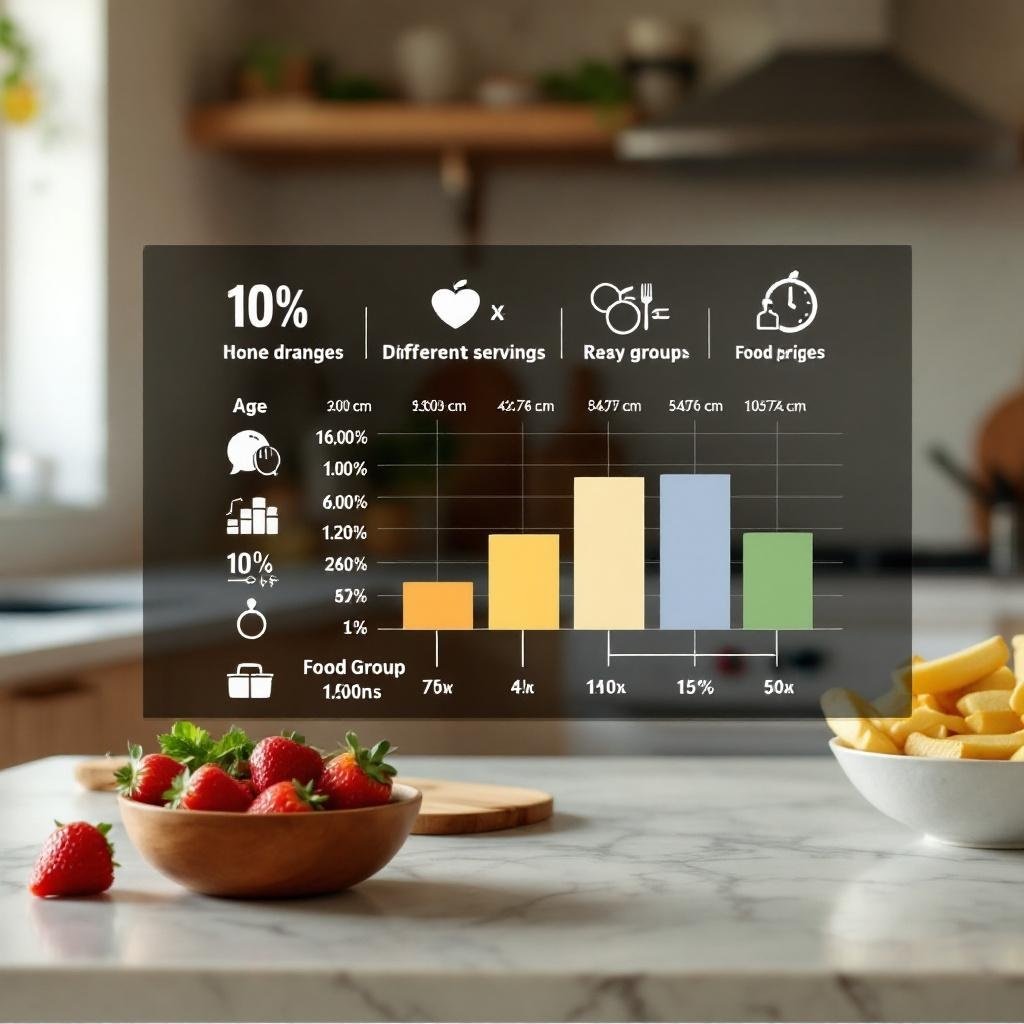
Consistent meal planning helps children develop structured eating habits without rigidity. Focus on variety, appropriate portions, and making healthy choices accessible rather than restrictive.
Creating Colorful Plates
Each meal should represent multiple food groups through vibrant combinations. A 2021 Harvard T.H. Chan School of Public Health study linked visually appealing meals to improved nutrient intake in children. For instance, layer whole grain wraps with hummus, shredded carrots, and spinach for a handheld rainbow. Use natural food colors creatively – beet-infused smoothies or spiralized vegetable noodles add novelty without compromising nutrition.
Portion Size Guidelines
Children’s portions should align with their developmental stage. Toddlers may need ¼ adult portions, while school-age kids handle ⅓ to ½. Use the “hand method” as a practical guide: one handful of grains equals a serving, while protein portions should match the palm size. Avoid pressuring children to “clean plates” – research from the University of Minnesota suggests it disrupts natural satiety cues.
Healthy Snack Ideas
Snacks bridge nutrient gaps between meals without displacing main food intake. Ideal options combine fiber, protein, and healthy fats for sustained energy. Try apple slices with almond butter, Greek yogurt parfaits with berries and granola, or air-popped popcorn seasoned with nutritional yeast. Keep sugary treats occasional rather than daily to maintain balanced blood sugar levels.
Avoiding Common Childhood Nutrition Pitfalls
Modern diets often contain hidden pitfalls that undermine children’s health. Awareness and proactive strategies help mitigate these risks.
Limiting Added Sugars
The World Health Organization recommends no more than 6 teaspoons of added sugar daily for children under 10. Hidden sources include flavored yogurts, cereals, and snack bars. Replace sugary beverages with infused water or diluted smoothies. Teach children to recognize nutrition labels – “syrup,” “nectar,” and “cane crystals” indicate added sweeteners.
Reducing Processed Food Intake
Ultraprocessed foods account for 70% of calories in typical Western diets (Pediatrics, 2021). These products often contain excessive sodium, preservatives, and refined carbohydrates. Swap packaged snacks for homemade alternatives – bake sweet potato fries instead of buying frozen fries, or make oatmeal cookies using dates as natural sweeteners. Involve children in reading ingredient lists to build lifelong shopping skills.
Addressing Picky Eating Habits
Food neophobia affects 50% of toddlers, but persistence pays off. Present new foods 10-15 times using various preparations – roasted Brussels sprouts taste different than steamed ones. Make mealtimes positive experiences by avoiding food battles. Offer choices within healthy parameters (“Would you like carrots or bell peppers with hummus?”) to give children autonomy while maintaining nutritional goals.
Frequently Asked Questions
How much calcium do children need daily?
Children aged 4-8 need about 1,000 mg of calcium daily. This increases to 1,300 mg for ages 9-18. Dairy products, leafy greens, and fortified foods can help meet these needs.
Are vitamin supplements necessary for kids?
Most children get needed nutrients from a balanced diet. However, supplements may be recommended if deficiencies exist. Always consult your pediatrician before adding supplements.
How to handle food allergies in meal planning?
Identify allergens with a healthcare provider and eliminate them from the diet. Substitute with nutrient-dense alternatives to maintain balanced nutrition for children.
What are healthy alternatives to sugary snacks?
Fresh fruit, yogurt with honey, whole grain crackers with nut butters, or homemade smoothies are excellent alternatives to support nutrition guidelines for children.
Key Takeaways
- Tailor nutrition guidelines to children’s developmental stages
- Prioritize whole, unprocessed foods across all food groups
- Involve children in meal planning to encourage healthy habits
- Monitor portion sizes while maintaining flexible eating patterns
Frequently Asked Questions
How much calcium do children need daily?
Children aged 4-8 need about 1,000 mg of calcium daily. This increases to 1,300 mg for ages 9-18. Dairy products, leafy greens, and fortified foods can help meet these needs.
Are vitamin supplements necessary for kids?
Most children get needed nutrients from a balanced diet. However, supplements may be recommended if deficiencies exist. Always consult your pediatrician before adding supplements.
How to handle food allergies in meal planning?
Identify allergens with a healthcare provider and eliminate them from the diet. Substitute with nutrient-dense alternatives to maintain balanced nutrition for children.
What are healthy alternatives to sugary snacks?
Fresh fruit, yogurt with honey, whole grain crackers with nut butters, or homemade smoothies are excellent alternatives to support nutrition guidelines for children.
Disclaimer: This article is for informational purposes only and does not constitute medical advice. Always consult a qualified healthcare provider before making changes to your health regimen.