

Key Takeaways
- Prioritize whole, nutrient-dense foods to support bodily functions
- Balance macronutrients to maintain stable energy levels
- Incorporate anti-inflammatory ingredients into daily meals
- Combine nutritional choices with stress management practices
Understanding Remedy’s Nutrition Approach
Remedy’s nutrition centers on using whole foods as medicine, leveraging scientifically supported dietary choices to address health concerns and promote vitality. By prioritizing nutrient-dense ingredients that align with the body’s natural healing processes, this approach supports cellular repair, reduces inflammation, and enhances energy levels—all critical for adults over 40. Historical practices and modern research converge to validate food as a foundational element of wellness.
Historical Roots of Nutritional Remedies
Throughout history, cultures have relied on food for therapeutic purposes. Ancient Greek physicians like Hippocrates famously stated, “Let food be thy medicine,” emphasizing dietary choices in treating ailments. Traditional Chinese Medicine and Ayurveda have long identified specific foods to balance bodily systems—ginger for digestion, turmeric for inflammation, and garlic for cardiovascular health. These time-tested practices, now corroborated by research, underpin Remedy’s nutrition philosophy. By integrating ancestral wisdom with contemporary science, the approach offers holistic strategies for managing age-related health challenges.
Modern Science Behind Food-Based Healing
Recent studies reinforce the efficacy of whole foods in preventing and managing chronic conditions. For example, the Mediterranean diet—a cornerstone of Remedy’s framework—has been linked to reduced risks of heart disease and cognitive decline. Research published in *The American Journal of Clinical nutrition* highlights how polyphenols in fruits and vegetables modulate gut microbiota, enhancing immune function and metabolic health. Experts at the National Institutes of Health (NIH) acknowledge that diets rich in antioxidants and omega-3 fatty acids may mitigate oxidative stress, a key driver of aging. This evidence-based alignment ensures Remedy’s Nutrition remains both practical and effective.
Key Nutrients for Holistic Wellness
Essential Vitamins for Aging Adults
As we age, specific vitamins become critical for maintaining bodily functions. Vitamin D, crucial for bone density and immune support, is often deficient in older populations due to reduced sun exposure and absorption. The NIH recommends dietary sources like fatty fish, fortified dairy, and leafy greens. Vitamin B12, essential for nerve health and energy production, may require supplementation if absorption from food declines—a common issue past 50. Meanwhile, vitamin C remains vital for collagen synthesis and antioxidant protection, found abundantly in citrus fruits and bell peppers. Prioritizing these nutrients helps counteract age-related deficiencies.
Anti-Inflammatory Minerals and Sources
Chronic inflammation is a silent contributor to conditions like arthritis, diabetes, and heart disease. Minerals like magnesium, zinc, and selenium play roles in regulating inflammatory responses. Magnesium-rich foods—such as almonds, spinach, and black beans—have been shown to lower C-reactive protein (CRP), a biomarker of inflammation. Selenium, present in Brazil nuts and seafood, supports glutathione production, the body’s master antioxidant. Zinc, found in pumpkin seeds and lentils, aids immune modulation. Incorporating these minerals into daily meals can create an internal environment less hospitable to inflammation.
Top Foods in Remedy’s Nutrition Plan
Remedy’s Nutrition emphasizes foods that deliver maximum nutritional impact with minimal processed ingredients. These selections are chosen for their bioavailability and synergy in supporting long-term health.
Leafy Greens for Cellular Health
Dark leafy greens like kale, Swiss chard, and collard greens are powerhouses of vitamins K, A, and folate, along with antioxidants like lutein. A study in *Frontiers in Aging Neuroscience* linked higher leafy green intake to slower cognitive decline, attributed to their high concentrations of carotenoids and flavonoids. For adults 40+, their fiber content supports digestive health, while nitrates may improve circulation. Quick integration ideas include smoothies, sautéed side dishes, or as a base for grain bowls.
Berries as Antioxidant Powerhouses
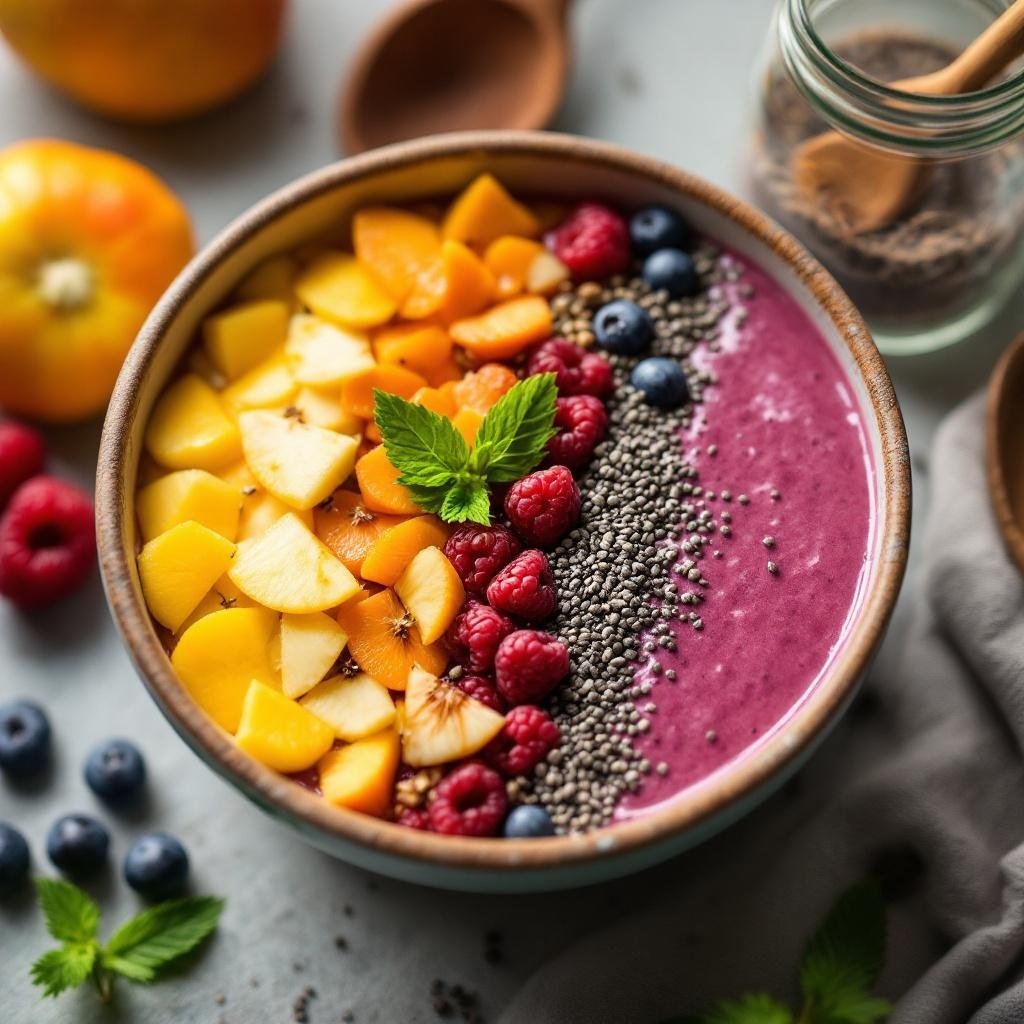
Berries—blueberries, strawberries, and raspberries—top the list for antioxidant density. Their anthocyanins have been shown to improve capillary strength and brain function, as reported in *Nutrients* journal. The Nurses’ Health Study also found a correlation between regular berry consumption and reduced risks of hypertension. These fruits are low in glycemic load, making them ideal for blood sugar management. Add them to oatmeal, salads, or enjoy as a snack paired with nuts for a balanced energy boost.
Healthy Fats for Brain Function
Omega-3 fatty acids, found in fatty fish (salmon, mackerel), chia seeds, and walnuts, are essential for cognitive preservation. Research from the *Journal of Alzheimer’s Disease* suggests that higher omega-3 levels correlate with reduced amyloid plaque buildup in the brain. Avocados and extra virgin olive oil provide monounsaturated fats that support cardiovascular health and enhance the absorption of fat-soluble nutrients. Swap refined oils for these wholesome fats in cooking and dressings to optimize brain and heart wellness.
Lifestyle Integration Tips
Adopting Remedy’s Nutrition requires more than food choices—it’s a lifestyle shift that includes mindful eating and hydration strategies tailored to individual needs.
Balancing Macronutrients in Meals
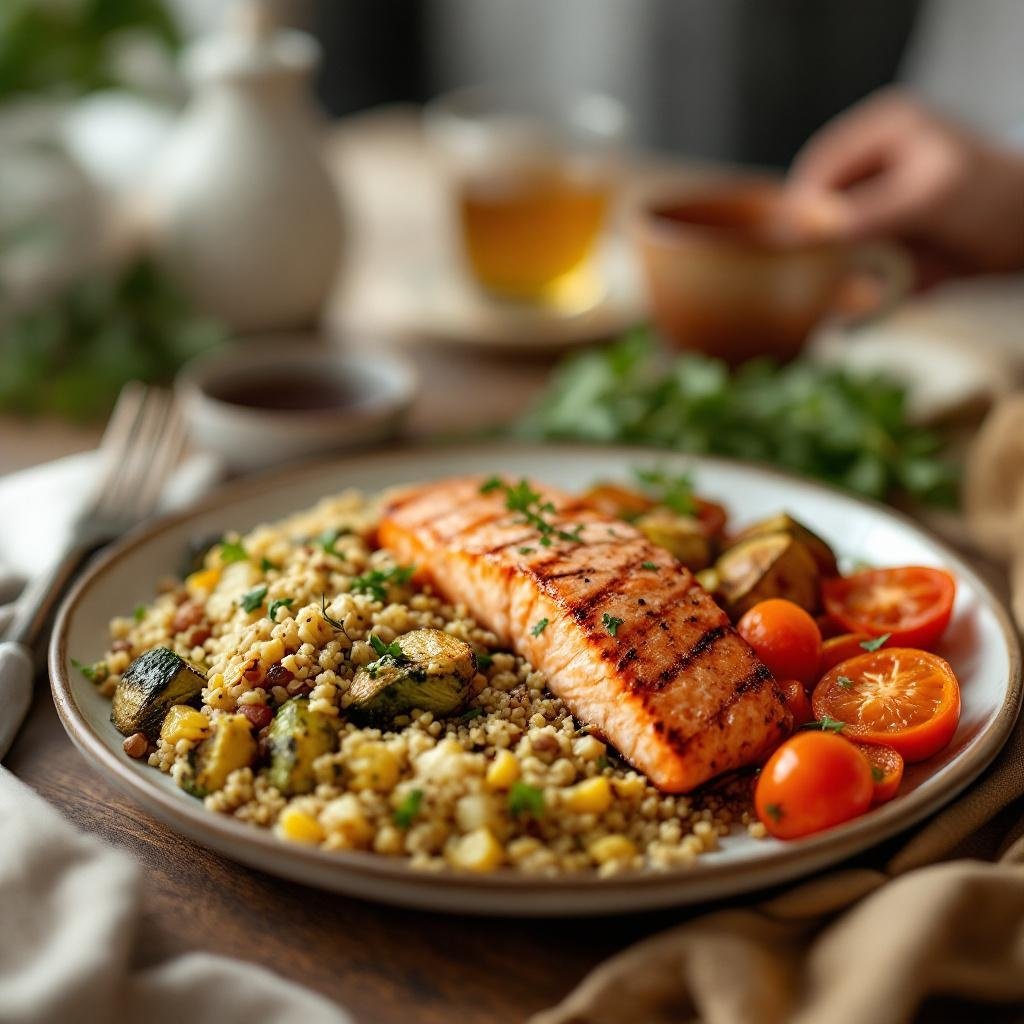
Maintaining stable blood sugar levels and sustained energy involves balancing protein, complex carbohydrates, and healthy fats at each meal. For example, a plate featuring grilled salmon (protein), quinoa (carb), and roasted Brussels sprouts with olive oil (fat) creates a harmonious meal. The Academy of Nutrition and Dietetics advises older adults to consume 25–30g of protein per meal to preserve lean muscle mass. Experiment with portion ratios to suit activity levels and metabolic goals, using tools like the MyPlate guide for reference.
Hydration Strategies for Better Absorption
Proper hydration is often overlooked yet vital for nutrient transport and digestion. Thirst perception diminishes with age, increasing dehydration risks. The European Food Safety Authority recommends 2.5 liters daily for men and 2 liters for women, including fluid from foods. Herbal teas, bone broth, and water-rich produce like cucumbers and melons contribute to this intake. Sip slowly throughout the day, and consider electrolyte-rich options post-exercise or in hot climates to enhance mineral absorption and muscle function.
By aligning food choices with lifestyle habits, Remedy’s Nutrition empowers you to take control of health proactively. The following FAQs address common questions to help you navigate this approach with clarity and confidence.
FAQ Section
Q: What makes Remedy’s Nutrition different from other diets?
A: Remedy’s approach focuses on functional foods that address specific wellness goals, emphasizing whole ingredients and mindful eating patterns. Unlike restrictive plans, it encourages variety and adapts to individual needs, blending ancestral wisdom with scientific evidence for sustainable results.
Q: Can I follow Remedy’s Nutrition with dietary restrictions?
A: Yes, the framework adapts to individual needs. Consult your healthcare provider to adjust recommendations for allergies or restrictions. For example, plant-based dieters can rely on legumes and seeds for protein, while those avoiding dairy may opt for fortified plant milks.
Q: How soon can I expect results from this approach?
A: Results vary based on individual health history and consistency. Many report increased energy levels within 2–3 weeks of mindful implementation. Long-term benefits, such as improved metabolic markers or joint comfort, may take several months of consistent adherence.
Q: Are supplements necessary with Remedy’s Nutrition?
A: Whole foods are prioritized, but certain deficiencies may benefit from targeted supplements. Always consult your doctor before starting any regimen. Blood tests can identify gaps, such as vitamin D or iron, which may require temporary supplementation alongside dietary adjustments.
Key Takeaways
- Prioritize whole, nutrient-dense foods to support bodily functions
- Balance macronutrients to maintain stable energy levels
- Incorporate anti-inflammatory ingredients into daily meals
- Combine nutritional choices with stress management practices
Embracing Remedy’s Nutrition is a proactive step toward optimizing health after 40. By making informed dietary decisions today, you lay the groundwork for vitality in the decades ahead.
Frequently Asked Questions
What makes Remedy’s Nutrition different from other diets?
Remedy’s approach focuses on functional foods that address specific wellness goals, emphasizing whole ingredients and mindful eating patterns.
Can I follow Remedy’s Nutrition with dietary restrictions?
Yes, the framework adapts to individual needs. Consult your healthcare provider to adjust recommendations for allergies or restrictions.
How soon can I expect results from this approach?
Results vary based on individual health history and consistency. Many report increased energy levels within 2-3 weeks of mindful implementation.
Are supplements necessary with Remedy’s Nutrition?
Whole foods are prioritized, but certain deficiencies may benefit from targeted supplements. Always consult your doctor before starting any regimen.
Disclaimer: This article is for informational purposes only and does not constitute medical advice. Always consult a qualified healthcare provider before making changes to your health regimen.