
Key Takeaways
- Herbal medicine offers natural wellness options when used responsibly
- Hormonal balance may be supported through targeted herbal choices
- Menopausal comfort can complement conventional approaches
- Professional consultation is crucial for safe integration
Understanding Herbal Medicine for Women
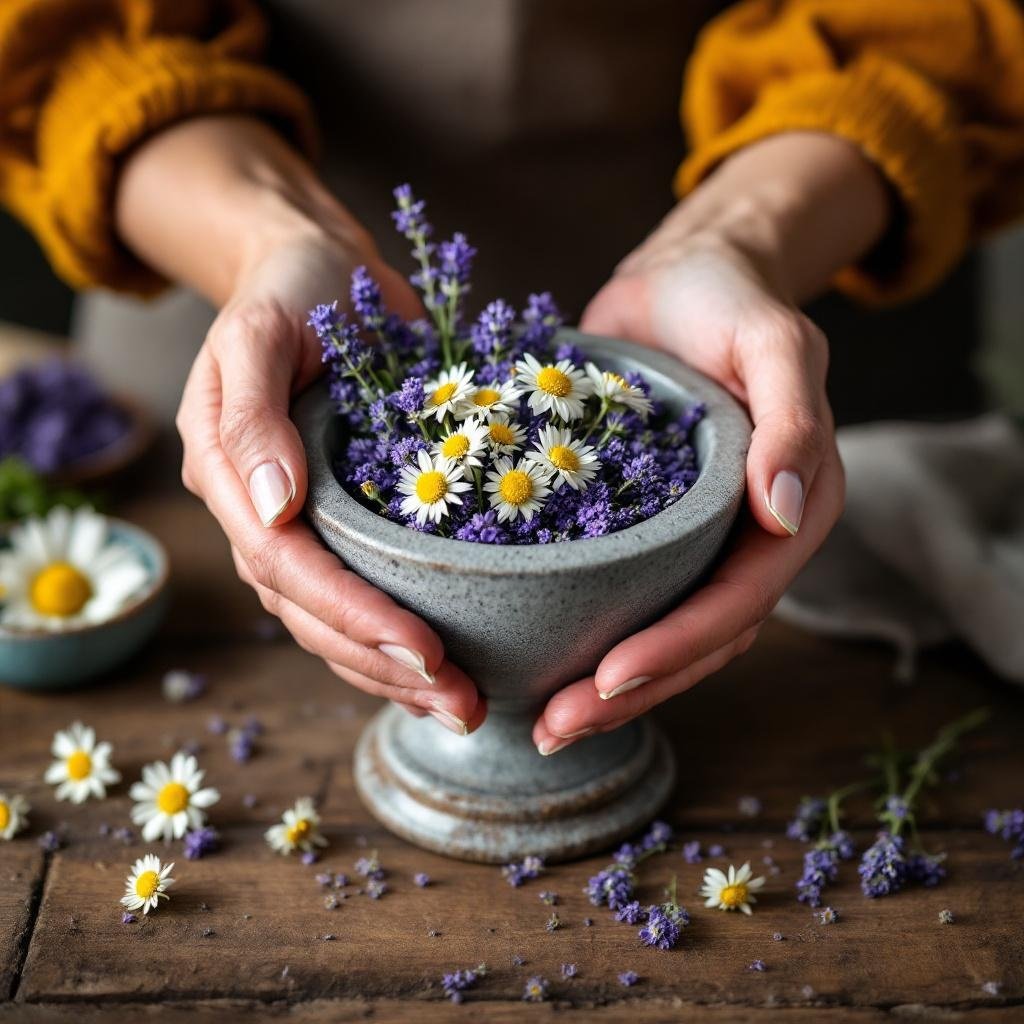
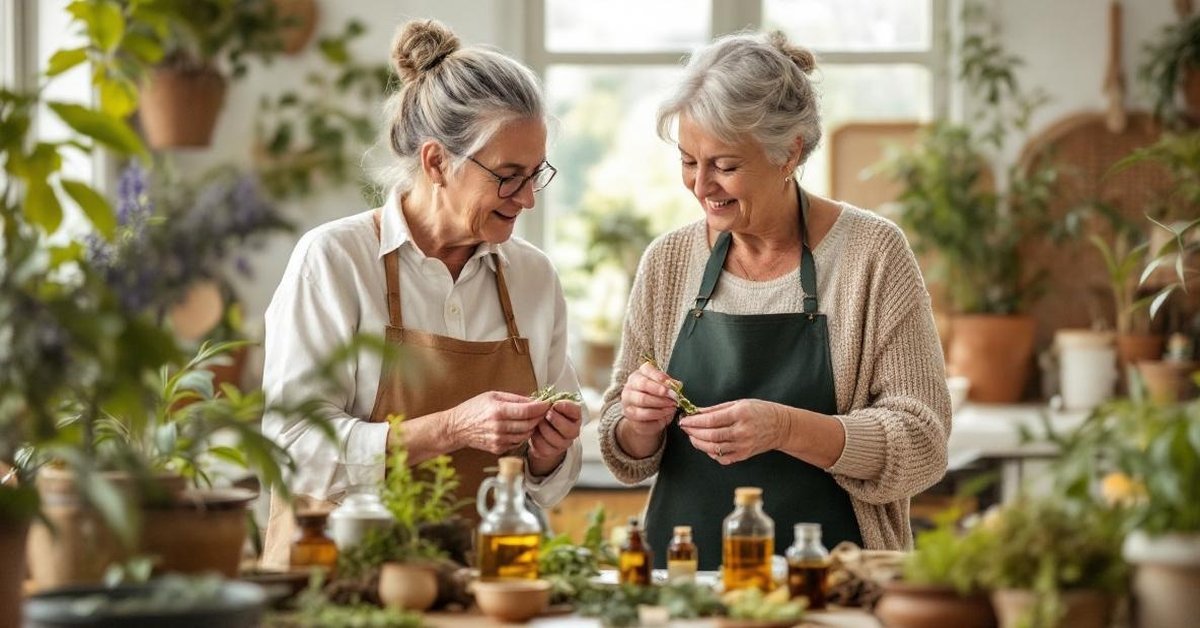
Herbal medicine for women’s health offers natural approaches to hormonal balance, menstrual health, and menopausal transitions. Rooted in centuries-old practices, these remedies may complement modern wellness strategies when used with professional guidance. Research suggests certain herbs can support reproductive health and stress management, though individual responses vary. The World Health Organization recognizes herbal medicine as a valuable component of holistic healthcare frameworks, emphasizing evidence-based application.
Historical Context of Women’s Herbal Remedies
Throughout history, women have relied on plant-based medicine for reproductive health. Ancient texts from Egypt, China, and Europe document the use of herbs like vitex (chasteberry) for menstrual irregularities and dong quai for menopausal symptoms. Midwives and healers preserved these traditions through generations, often passing knowledge orally. The Ebers Papyrus (circa 1550 BCE) contains over 800 herbal prescriptions for women’s health, demonstrating early systematic use of botanical medicine.
Modern Applications in Wellness Practices
Today, herbal medicine integrates with functional and integrative health models. Practitioners may recommend maca root for hormonal modulation or omega-3 rich flaxseed for overall wellness. A 2021 systematic review in *Phytotherapy Research* found standardized herbal extracts showed promise in managing menopausal symptoms. Modern applications emphasize personalized protocols, combining traditional wisdom with scientific validation to address contemporary women’s health concerns.
Top Herbs for Hormonal Balance
Modern women increasingly seek natural solutions for hormonal health. Adaptogenic herbs and reproductive-supportive plants have gained attention for their potential to harmonize bodily systems. While not substitutes for medical care, these botanicals may offer complementary support when incorporated thoughtfully into wellness routines.
Adaptogens for Stress Regulation
Adaptogenic herbs like ashwagandha and rhodiola rosea help the body manage stress, which directly impacts hormonal balance. Chronic stress elevates cortisol levels, potentially disrupting reproductive hormones. Studies in *Journal of Ethnopharmacology* suggest ashwagandha reduces cortisol levels by 22-28% in adults with chronic stress. These herbs work gradually, supporting the hypothalamic-pituitary-adrenal (HPA) axis that governs stress response and hormone regulation.
Herbs Supporting Reproductive Health
Certain herbs specifically target reproductive system wellness. Vitex agnus-castus (chasteberry) has been studied for premenstrual syndrome (PMS) and menstrual irregularities. A Cochrane review found vitex preparations significantly reduced PMS symptoms compared to placebo. Dong quai, used for centuries in traditional Chinese medicine, contains phytoestrogens that may help modulate estrogen levels. As with all herbal interventions, professional supervision ensures safe, appropriate use.
Herbal Support for Menopausal Symptoms

Menopause brings diverse symptoms requiring multifaceted approaches. While hormone therapy remains a medical option, many women explore herbal alternatives. Clinical evidence suggests certain botanicals may alleviate hot flashes, sleep disturbances, and mood changes when combined with lifestyle modifications.
Black Cohosh and Evening Primrose Benefits
Black cohosh (Actaea racemosa) remains one of the most studied herbs for menopause. Research in *Menopause: The Journal of The North American Menopause Society* indicates it may reduce hot flash frequency and severity through serotonergic activity. Evening primrose oil, rich in gamma-linolenic acid (GLA), addresses skin changes and inflammation. A 2013 Iranian study showed significant improvement in menopausal symptoms after eight weeks of black cohosh supplementation compared to placebo.
Lifestyle Integration Strategies
Effective herbal management requires comprehensive lifestyle adjustments. Regular physical activity, plant-based diets, and stress reduction practices enhance herbal efficacy. Consider incorporating soy foods (containing isoflavones) alongside black cohosh for synergistic effects. Mindfulness practices may amplify adaptogens’ stress-reducing properties. Track symptom patterns using journaling apps to identify effective combinations while working with qualified herbalists or integrative practitioners.
Safety and Considerations for Herbal Use
While herbal remedies offer natural alternatives, safety considerations remain paramount. Standardized dosing, potential drug interactions, and individual health profiles must be evaluated. The American Botanical Council advocates for informed, science-based herbal use to maximize benefits while minimizing risks.
Consulting Healthcare Providers
Before starting any herbal regimen, consult your medical provider, especially if taking prescription medications. Herbs like black cohosh may interact with hormone therapies, while St. John’s Wort affects numerous medications through liver enzyme pathways. Integrative physicians and naturopathic doctors can provide personalized assessments. Pharmacists trained in herbal medicine offer valuable guidance on contraindications and proper usage.
Quality Sourcing and Preparation Methods
Herbal quality directly impacts effectiveness and safety. Choose products meeting United States Pharmacopeia (USP) standards or certified by ConsumerLab.com. Standardized extracts ensure consistent active compound concentrations. For home preparations, follow proper drying and storage methods to preserve potency. Understand labeling terminology – “proprietary blend” may indicate undisclosed concentrations. Organic certification reduces exposure to pesticides and contaminants.
Frequently Asked Questions
Are herbal remedies safe for long-term use?
Herbal medicines may offer benefits but should be used cautiously. Always consult your healthcare provider for personalized guidance regarding extended use. Some herbs work best in cyclical patterns that align with natural hormonal fluctuations.
Can herbs interact with medications?
Yes, potential interactions exist. Discuss with your doctor before combining herbs with prescription medications. Certain botanicals affect liver enzymes that metabolize pharmaceutical drugs, potentially altering their effectiveness.
How to choose quality herbal supplements?
Look for third-party tested products and purchase from reputable sources to ensure purity and potency. Verify if manufacturers follow Good Manufacturing Practices (GMP) and provide transparent labeling.
Do herbs help with menopause symptoms?
Some women report relief with certain herbs. Research suggests potential benefits, but individual results may vary. Combine herbal support with evidence-based lifestyle strategies for comprehensive symptom management.
Key Takeaways
- Herbal medicine offers natural wellness options when used responsibly with professional guidance
- Hormonal balance may be supported through targeted herbal choices and lifestyle modifications
- Menopausal comfort can complement conventional approaches through strategic botanical integration
- Professional consultation is crucial for safe, effective integration with existing health regimens
Frequently Asked Questions
Are herbal remedies safe for long-term use?
Herbal medicines may offer benefits but should be used cautiously. Always consult your healthcare provider for personalized guidance.
Can herbs interact with medications?
Yes, potential interactions exist. Discuss with your doctor before combining herbs with prescription medications.
How to choose quality herbal supplements?
Look for third-party tested products and purchase from reputable sources to ensure purity and potency.
Do herbs help with menopause symptoms?
Some women report relief with certain herbs. Research suggests potential benefits, but individual results may vary.
Disclaimer: This article is for informational purposes only and does not constitute medical advice. Always consult a qualified healthcare provider before making changes to your health regimen.