

Key Takeaways
- Prioritize apps with medical professional endorsements
- Look for features addressing age-specific nutritional needs
- Use apps as a complement to healthcare provider guidance
- Consistency and moderation yield the best long-term results
Benefits of Using a Nutrition Guide App After 40
nutrition guide apps offer adults over 40 tailored tools to address age-related health challenges. As metabolism slows and nutrient needs shift, these apps provide personalized meal planning, track essential nutrients, and educate users on dietary choices that support longevity. Studies suggest that digital tracking can improve adherence to dietary guidelines, particularly for managing blood pressure, cholesterol, and blood sugar levels—common concerns for this age group.
Personalized Meal Planning for Changing Metabolic Needs
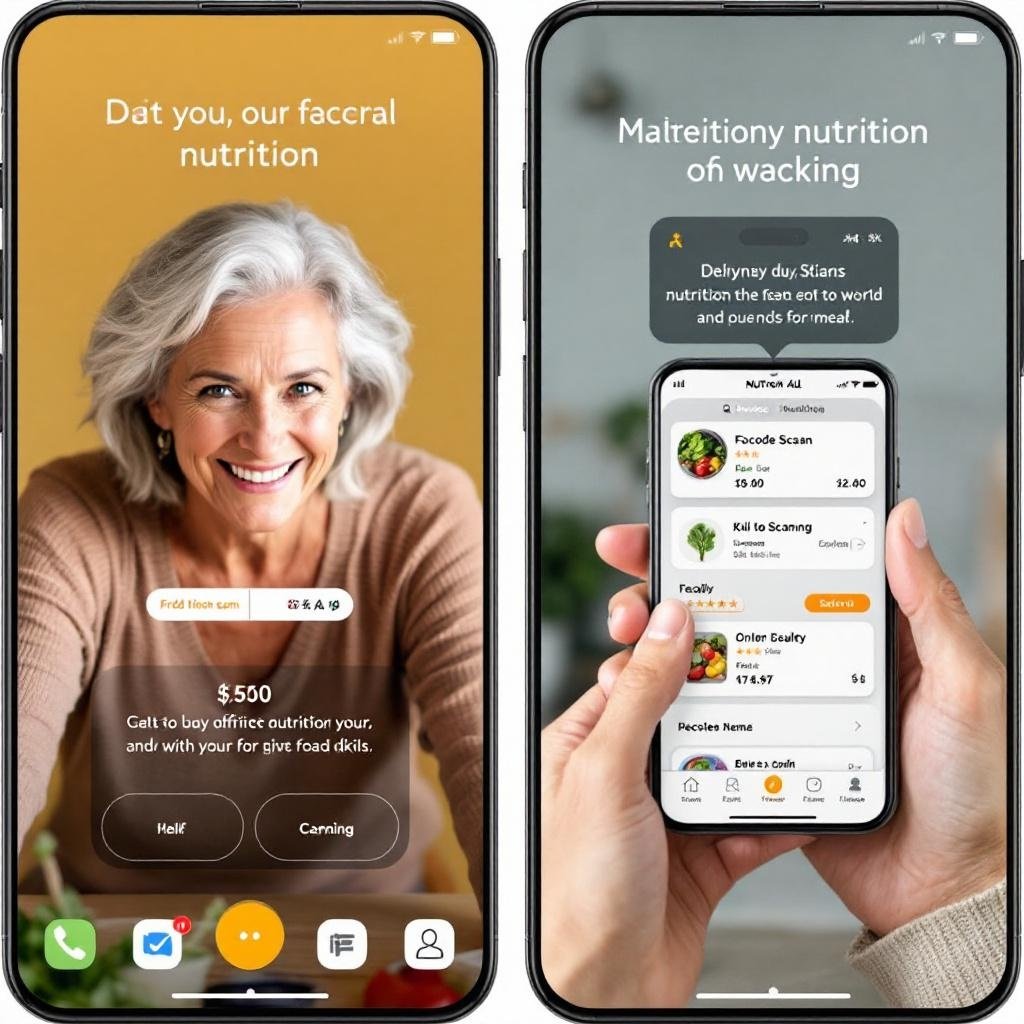
After 40, metabolic changes can make weight management and energy balance more difficult. Effective nutrition apps use algorithms to create customized meal plans based on factors like activity level, health goals (e.g., weight loss or muscle maintenance), and dietary restrictions. Some platforms collaborate with registered dietitians to ensure science-backed recommendations that account for age-related shifts in nutrient absorption, such as increased protein requirements to prevent muscle loss.
Tracking Nutrient Intake to Support Long-Term Health Goals
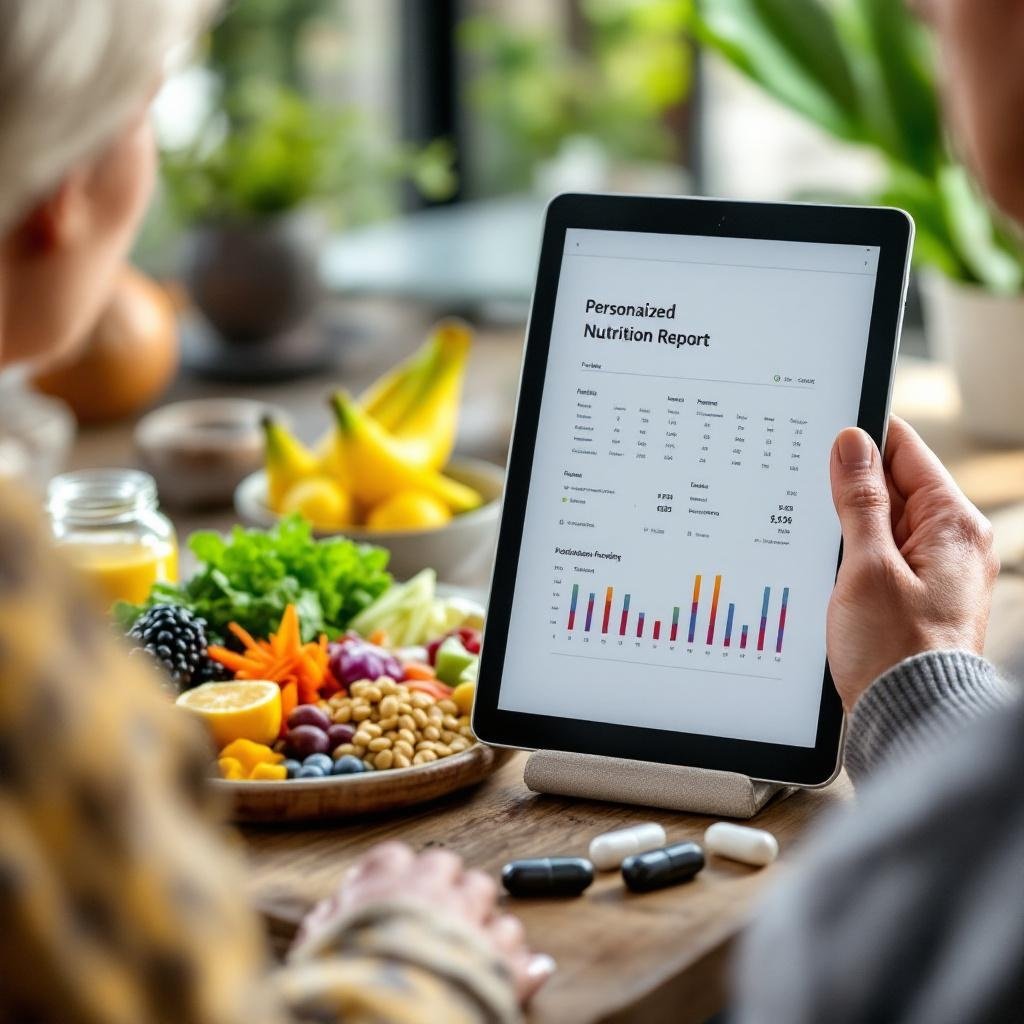
Chronic conditions like osteoporosis, cardiovascular disease, and type 2 diabetes become more prevalent with age. Apps that analyze micronutrient intake (calcium, vitamin D, fiber) and macronutrient distribution can highlight gaps in diets. Research from the National Institutes of health highlights that self-monitoring via apps correlates with better dietary adherence and improved health outcomes over time.
Educational Resources for Informed Dietary Choices
Quality apps go beyond calorie counting by offering articles, videos, and quizzes on topics like anti-inflammatory eating, gut health, and food-label interpretation. These resources empower users to make decisions aligned with evidence-based practices, such as increasing omega-3 intake for brain health or reducing sodium for heart disease prevention.
Key Features to Look for in a Nutrition Guide App
User-Friendly Interface for Easy Daily Logging
Apps targeting older adults often prioritize simplicity, with large buttons, clear typography, and voice-input options. Look for platforms that allow barcode scanning or quick-entry meal templates to streamline logging, reducing the risk of user fatigue that could compromise consistency.
Customization Options for Dietary Restrictions
With many adults managing conditions like diabetes, hypertension, or food allergies, customizable filters for gluten-free, low-FODMAP, or renal-friendly meals are essential. The best apps partner with healthcare providers to validate these adaptations, ensuring safety and efficacy for vulnerable populations.
Integration with Wearable Health Devices
Syncing nutrition data with fitness trackers or smartwatches enhances metabolic insights. For example, apps that combine step counts, sleep patterns, and heart rate variability with dietary logs can offer dynamic adjustments, like suggesting potassium-rich snacks after detecting dehydration through wearable sensors.
Top 5 Nutrition Guide Apps for Adults Over 40
App 1: Overview and Unique Selling Points
One leading app stands out for its collaboration with geriatric nutrition experts, offering age-specific meal suggestions and medication interaction alerts. Its “Smart Swap” feature guides users toward healthier substitutes for common pantry staples, supporting gradual behavior change without drastic overhauls.
App 2: Free vs. Premium Version Comparison
While basic versions allow food logging and basic nutrient analysis, premium tiers often unlock AI-driven coaching, telehealth consultations, and group support communities. For instance, a subscription might provide detailed reports on vitamin D levels or tailored hydration reminders based on local weather data.
App 3: User Success Stories and Expert Endorsements
Apps with verified testimonials from users in their 50s and 60s can offer relatable motivation. Look for platforms endorsed by organizations like the Academy of Nutrition and Dietetics or backed by clinical trials published in peer-reviewed journals, which add credibility to marketing claims.
App 4: Focus on Cognitive Health and Longevity
Emerging research links diet to cognitive decline prevention. Certain apps highlight MIND diet principles or Mediterranean-style eating plans, rich in antioxidants and anti-inflammatory ingredients. Features may include brain-boosting recipes and alerts for foods tied to improved memory retention in longitudinal studies.
App 5: Budget-Friendly Options for Retirees
Affordable apps often balance cost and functionality through partnerships with pharmacies or insurance providers. For example, a no-cost platform might integrate with Medicare Advantage plans to offer grocery discounts on pre-approved healthy foods, making nutritious eating financially accessible.
How to Use a Nutrition Guide App Effectively
Setting Realistic Goals Aligned with Health Objectives
Start with specific, achievable targets—like increasing fiber intake by 5g weekly or reducing added sugars gradually. Apps with goal-setting wizards can help users break down long-term ambitions (e.g., lowering A1C levels) into daily actions, leveraging “mini-milestones” to sustain motivation.
Combining App Use with Professional Medical Advice
Nutrition apps should complement, not replace, medical guidance. For example, if an app flags potential iron deficiency, follow up with bloodwork ordered by your doctor. Some platforms now let physicians review patient logs securely, enabling collaborative care that bridges digital tools and traditional healthcare.
Maintaining Consistency Without Over-Reliance
Experts recommend using apps as “training wheels” for mindful eating. Schedule periodic “unplugged” days to assess hunger cues intuitively, or use the app intermittently during complex food challenges like holiday seasons. Balance data-driven tracking with sustainable habits like cooking at home or mindful eating practices.
FAQ Section
Are nutrition guide apps suitable for seniors with dietary restrictions?
Yes, most apps allow customization for common restrictions like low-sodium, dairy-free, or carb-controlled diets. Always cross-reference recommendations with your healthcare provider, especially for complex conditions like chronic kidney disease where precise nutrient limits are critical.
Can these apps help with age-related metabolism changes?
Research suggests that tracking intake through apps may improve awareness of portion sizes and nutrient density, which can support metabolic health. However, individual results vary based on baseline habits, physical activity levels, and underlying medical conditions.
How do nutrition apps protect user data privacy?
Reputable apps comply with regulations like HIPAA or GDPR, using end-to-end encryption for sensitive health data. Review each platform’s privacy policy to understand data storage practices and avoid apps that sell user information to third parties without explicit consent.
Is a paid nutrition app worth the investment?
Premium features like dietitian-led coaching or advanced analytics may be beneficial for those with specific health concerns. Use free trials to test features like grocery list generators or recipe libraries before committing, ensuring the app meets your unique needs.
Key Takeaways
Adults over 40 should prioritize apps with medical endorsements, age-specific features like bone-health guidance, and integration with existing healthcare routines. Use these tools as part of a holistic approach that includes regular medical check-ups and physical activity. Consistency matters more than perfection—gradual improvements tracked via apps can lead to meaningful health benefits over decades.
Frequently Asked Questions
Are nutrition guide apps suitable for seniors with dietary restrictions?
Yes, many apps offer customizable options for allergies, diabetes, or heart health. Always consult your doctor for personalized advice.
Can these apps help with age-related metabolism changes?
Research suggests tracking intake via apps may support metabolic health. Individual results vary based on consistency and lifestyle factors.
How do nutrition apps protect user data privacy?
Reputable apps use encryption and comply with health data regulations. Always review privacy policies before sharing sensitive information.
Is a paid nutrition app worth the investment?
Paid versions often include advanced features like expert consultations. Consider free trials to evaluate value based on your specific needs.
Disclaimer: This article is for informational purposes only and does not constitute medical advice. Always consult a qualified healthcare provider before making changes to your health regimen.