

Key Takeaways
- Maintain proper spinal alignment during sleep using supportive pillows
- Experiment with sleep positions to find what reduces your discomfort
- Replace old mattresses that no longer provide adequate support
- Combine sleep adjustments with gentle exercise for best results
The Connection Between Sleep and Back Pain
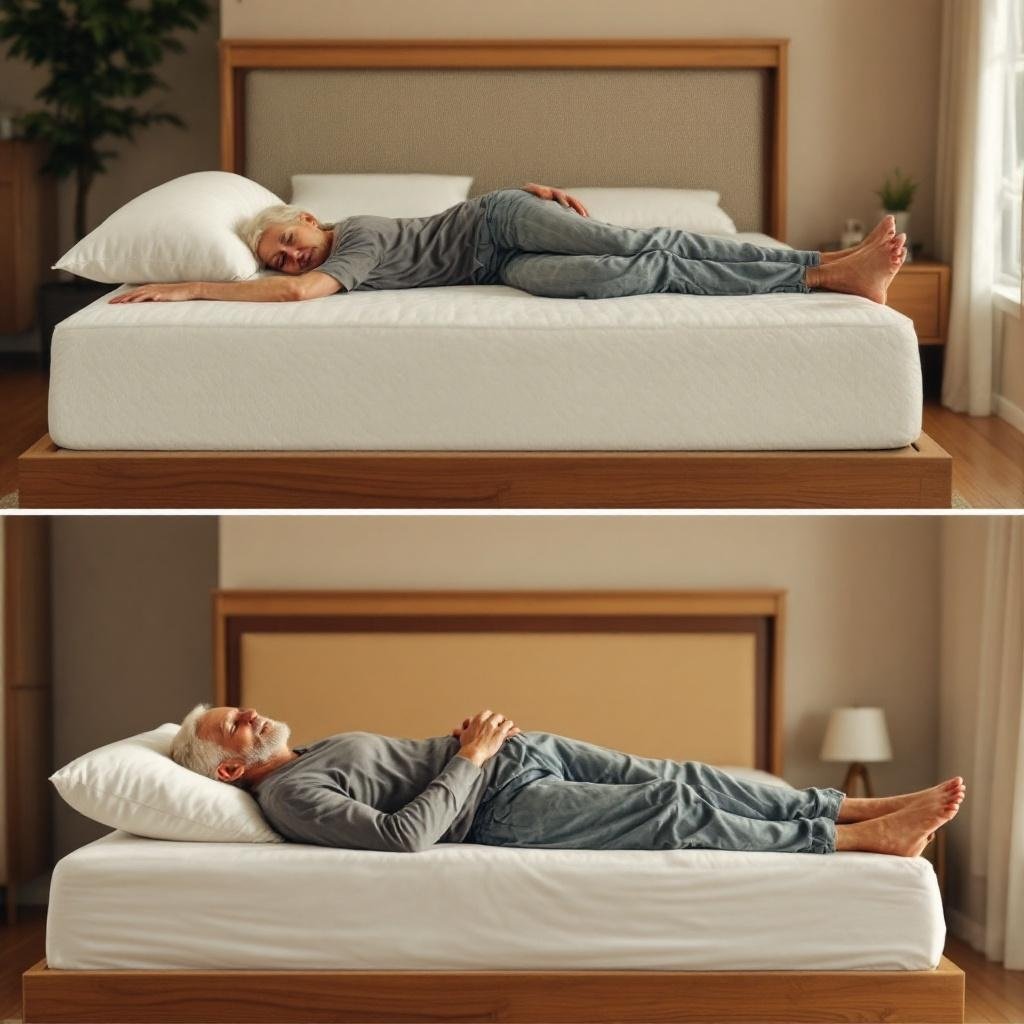
Getting quality sleep when you have back pain starts with understanding how rest and spinal health intersect. Poor sleep quality can amplify discomfort, while proper rest positions and supportive bedding may reduce inflammation and promote muscle recovery. Studies show that disrupted sleep cycles increase sensitivity to pain, creating a cycle where discomfort interferes with rest, and lack of rest worsens pain. Addressing both sleep hygiene and physical support is key to breaking this pattern.
How Poor Sleep Worsens Back Discomfort
Chronic back pain affects up to 84% of adults at some point, according to the National Institutes of Health. When sleep is fragmented or shallow—caused by uncomfortable positions or unsupportive mattresses—the body’s natural recovery processes are disrupted. This leads to heightened muscle tension and reduced mobility. Additionally, inadequate rest impairs the brain’s ability to modulate pain signals, making discomfort feel more intense. Over time, this cycle can contribute to persistent inflammation and delayed healing. Experts from the American College of Physicians emphasize that improving sleep quality should be central to managing musculoskeletal conditions like lower back pain.
Inflammation and Muscle Recovery During Sleep
During sleep, the body repairs tissues and regulates inflammation through processes like cytokine production and growth hormone release. A 2021 study in *Nature and Science of Sleep* found that adults who consistently slept poorly had higher markers of systemic inflammation, which is linked to chronic back issues. Quality REM sleep, particularly in the later cycles of rest, is critical for muscle relaxation and spinal disc rehydration. Without adequate support during these phases, discs between vertebrae may compress unevenly, increasing pressure on nerves. Prioritizing uninterrupted sleep of 7–9 hours—aligned with recommendations from the National Sleep Foundation—can optimize these restorative benefits.
Best Sleep Positions for Back Pain Relief
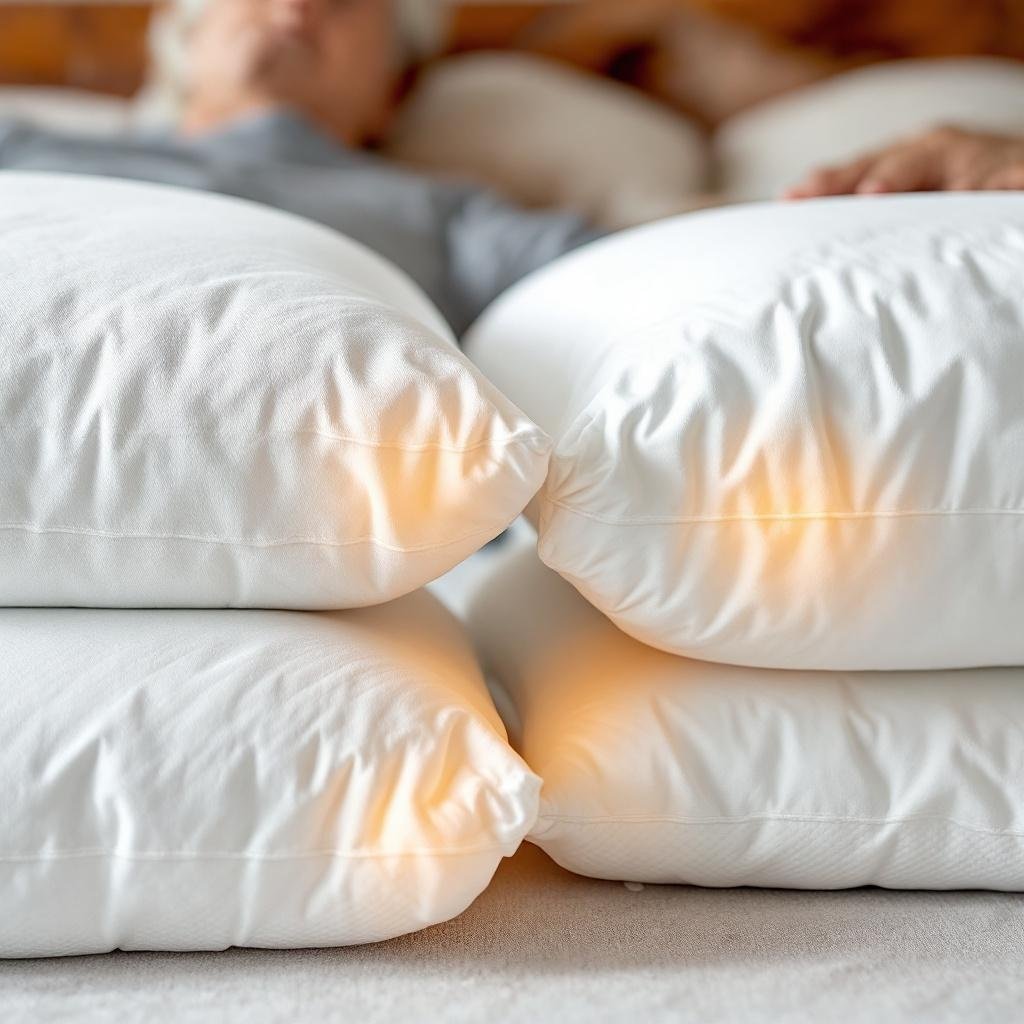
Side Sleeping with Knee Support
Side sleeping is often recommended for back pain relief, especially when a pillow is placed between the knees. This position maintains hip alignment, reduces pressure on the lumbar spine, and prevents the top leg from pulling the pelvis out of balance. Research published in *Clinical Medicine Insights: Arthritis and Musculoskeletal Disorders* found that side sleeping with knee support decreased nighttime back pain by 32% in participants over 40. To maximize comfort, choose a pillow that keeps the knees at a 45-degree angle and avoid pulling the legs too far forward, which can strain the lower back.
Back Sleeping with Lumbar Cushioning
Back sleeping allows even weight distribution, but requires proper lumbar support to prevent the spine from sagging. Placing a small rolled towel or specialized lumbar cushion under the natural curve of the lower back can maintain alignment. A 2019 study in *The Spine Journal* showed that participants who used lumbar support during sleep experienced a 25% reduction in morning stiffness. For additional comfort, place a pillow under the knees to keep the hips slightly bent, relieving tension on the sciatic nerve.
Avoiding Stomach Sleeping
Stomach sleeping is generally discouraged for people with back pain, as it flattens the spine’s natural curve and strains the neck. This position forces the head to turn to one side, potentially causing cervical misalignment, while the midsection sinks into the mattress, creating an arched lower back. The Mayo Clinic explicitly advises against this posture for those with existing spinal issues. If stomach sleeping is difficult to break, use a very thin pillow or no pillow at all for the head and a flat pillow under the pelvis to minimize distortion of the spine’s alignment.
Choosing the Right Mattress and Pillows
Mattress Firmness Considerations
Selecting the right mattress firmness is crucial for spinal support. Studies indicate that medium-firm mattresses provide optimal balance for most adults with back pain, offering enough give to relieve pressure points while maintaining structural alignment. A randomized trial in *Sleep Medicine* found that participants using medium-firm mattresses reported 40% less discomfort after eight weeks compared to those using very firm or soft options. Memory foam and hybrid models with zoned support—firmness in the lumbar area and softer zones for shoulders and hips—are particularly effective for targeting pain points.
Pillow Types for Spinal Alignment
Pillows play a key role in maintaining neck and upper spine alignment, which affects overall posture during sleep. For back sleepers, a thin, contoured pillow that supports the natural curve of the neck is ideal. Side sleepers benefit from thicker pillows that fill the gap between the ear and shoulder, such as those made with shredded memory foam or buckwheat filling. Avoid pillows that elevate the head excessively, as this can strain the cervical spine and radiate tension to the upper back. Adjustable pillows with removable inserts allow customization for changing needs.
Replacing Old Bedding Products
Worn-out mattresses and pillows lose their ability to provide adequate support, often contributing to sleep-related back pain. The Better Sleep Council recommends replacing mattresses every 7–10 years, or sooner if visible sagging occurs or if the mattress feels uncomfortable within 2–3 years. Pillows should be replaced every 1–2 years to maintain hygiene and support. Look for signs like flattened foam, lumps, or persistent dust mite allergies as indicators it’s time for an update. Investing in new bedding is a long-term investment in spinal health and sleep quality.
Lifestyle Adjustments for Better Sleep Quality
Pre-Bedtime Stretching Routines
Gentle stretching before bed can ease muscle tension and prepare the body for rest. Focus on the hamstrings, glutes, and lower back—areas that often contribute to spinal strain. A 2020 review in *Sports Medicine* highlighted that participants who practiced bedtime yoga or static stretches experienced faster sleep onset and fewer nighttime awakenings. Try the supine knee-to-chest stretch or cat-cow pose to release tight muscles. Avoid intense or bouncing movements close to bedtime, as these can stimulate the nervous system and interfere with sleep onset.
Limiting Screen Time Before Sleep
Blue light emitted by phones, tablets, and TVs suppresses melatonin production, delaying the body’s natural sleep-wake cycle. A 2022 study in *JAMA Ophthalmology* noted that adults over 40 who reduced screen exposure one hour before bed fell asleep 20 minutes faster on average. Replace electronics with relaxing activities like reading, listening to soothing music, or practicing mindfulness. If screens are unavoidable, use night mode settings or blue light-blocking glasses to mitigate disruption to circadian rhythms.
Maintaining Consistent Sleep Schedules
Going to bed and waking up at the same time daily reinforces the body’s internal clock, improving sleep efficiency. The American Academy of Sleep Medicine emphasizes that irregular sleep patterns are linked to increased pain sensitivity and worse recovery outcomes. For those with variable work schedules or caregiving responsibilities, aim to keep bedtime consistent within a 1–2 hour window. Exposure to natural morning light—particularly during breakfast or a brief walk—can further anchor the circadian rhythm, promoting deeper, more restorative rest.
When to Consult a Healthcare Professional
Recognizing Red Flags for Medical Attention
Persistent pain that doesn’t respond to self-care measures, worsening discomfort at night, and unexplained symptoms like numbness or weakness warrant immediate evaluation. If back pain is accompanied by fever, weight loss, or bowel/bladder changes, these could indicate serious conditions like infections or cauda equina syndrome, which require emergency care. The North American Spine Society advises seeing a provider if pain lasts more than six weeks or significantly limits mobility despite conservative treatments.
Discussing Sleep Concerns with Your Doctor
Openly sharing sleep habits and pain patterns with your healthcare provider ensures a comprehensive approach to treatment. Bring notes about sleep positions, mattress type, and any recent injuries to aid diagnosis. Your doctor may recommend physical therapy, cognitive behavioral therapy for insomnia (CBT-I), or diagnostic imaging if structural issues like herniated discs are suspected. Collaboration between primary care providers and specialists is key to addressing both pain management and sleep optimization.
Frequently Asked Questions
Can sleeping wrong cause back pain?
Yes, improper sleep posture can strain muscles and ligaments. Use supportive pillows and avoid positions that twist your spine.
What is the best mattress for back pain?
Medium-firm mattresses often work best. Look for models with proper spinal alignment support and pressure relief features.
How can I sleep more comfortably with lower back pain?
Try side sleeping with a pillow between knees or back sleeping with a lumbar roll. Keep your spine in a neutral position.
When should I see a doctor about sleep-related back pain?
Consult a healthcare provider if pain persists despite sleep adjustments, worsens at night, or affects daily activities.
Key Takeaways
- Maintain proper spinal alignment during sleep using supportive pillows.
- Experiment with sleep positions to find what reduces your discomfort.
- Replace old mattresses that no longer provide adequate support.
- Combine sleep adjustments with gentle exercise for best results.
Frequently Asked Questions
Can sleeping wrong cause back pain?
Yes, improper sleep posture can strain muscles and ligaments. Use supportive pillows and avoid positions that twist your spine.
What is the best mattress for back pain?
Medium-firm mattresses often work best. Look for models with proper spinal alignment support and pressure relief features.
How can I sleep more comfortably with lower back pain?
Try side sleeping with a pillow between knees or back sleeping with a lumbar roll. Keep your spine in a neutral position.
When should I see a doctor about sleep-related back pain?
Consult a healthcare provider if pain persists despite sleep adjustments, worsens at night, or affects daily activities.
Disclaimer: This article is for informational purposes only and does not constitute medical advice. Always consult a qualified healthcare provider before making changes to your health regimen.