

Key Takeaways
- Seated exercises provide accessible weight loss options for sedentary individuals
- Proper form prevents injury during sitting workouts
- Combining physical activity with nutrition yields best results
- Gradual progression maintains long-term exercise adherence
Benefits of Sitting Exercises for Weight Loss

For adults over 40 seeking weight loss solutions that accommodate sedentary lifestyles or mobility limitations, seated exercises offer a practical entry point. While sitting workouts alone won’t replace cardiovascular activities like walking or swimming, research published in the *Journal of Aging and Physical Activity* confirms they effectively engage muscles to boost metabolism, improve circulation, and mitigate the risks of prolonged sitting. These exercises are particularly valuable for those transitioning from inactivity to regular movement, providing measurable benefits when combined with dietary adjustments.
Improves Metabolism While Sedentary
Traditional strength training often feels inaccessible for adults with joint concerns or limited space. Seated resistance exercises, however, activate major muscle groups like the glutes, thighs, and core, increasing calorie burn during and after workouts. A 2021 study in *Frontiers in Physiology* found that even low-intensity seated movements elevated metabolic rate by 15-20% compared to complete rest. This effect, known as excess post-exercise oxygen consumption (EPOC), helps the body continue burning calories for hours post-activity—a critical factor in sustainable weight management.
Reduces Health Risks from Prolonged Sitting
The World Health Organization identifies prolonged sitting as a key contributor to metabolic syndrome, which increases risks of heart disease and type 2 diabetes. Seated exercises combat this by improving blood sugar control and lipid profiles. A clinical review in *Mayo Clinic Proceedings* highlighted that interrupting sedentary time with 3-minute resistance-based sitting exercises every hour reduced post-meal blood glucose spikes by 12% in middle-aged adults. These physiological benefits directly support weight loss efforts while addressing age-related health vulnerabilities.
Top 5 Sitting Exercises for Weight Loss
Each exercise targets different muscle groups while minimizing joint strain. Perform 2-3 sets of 12-15 repetitions twice daily, gradually increasing intensity as strength improves.
Seated Leg Raises
Strengthen the hip flexors and core by sitting tall with hands gripping the chair seat. Slowly lift one leg parallel to the floor, hold for 2-3 seconds, and lower. Alternate legs. This movement engages stabilizer muscles, improving balance and toning the lower abdomen—key for supporting posture during weight loss.
Chair Dips
Position hands firmly on the chair seat with fingers facing forward and legs extended at a 45-degree angle. Lower hips toward the floor by bending elbows, then push back up. Chair dips primarily target the triceps and pectorals while engaging the core. Modify by keeping feet flat on the floor for reduced intensity.
Seated Russian Twists
Holding a light dumbbell or water bottle (optional), lean back slightly while keeping the spine straight. Twist the torso to the right, then to the left, creating a controlled “V” shape with each movement. This exercise stimulates the obliques and rectus abdominis, aiding in core stability and midsection toning when paired with a balanced diet.
Arm Circles
Extend arms straight out to the sides at shoulder height. Make small circular rotations forward for 30 seconds, then reverse direction. Arm circles activate the deltoids and improve shoulder mobility—an often-overlooked aspect of functional fitness that enhances daily movement capacity as weight decreases.
Knee Extensions
Sit with feet flat on the floor. Slowly extend one leg until parallel to the floor, hold for a count of three, and lower. This simple yet effective movement strengthens the quadriceps without stressing the knees, crucial for maintaining leg strength to support weight-bearing activities like walking.
How to Combine Sitting Exercises with Diet
Exercise and nutrition exist as complementary pillars of weight loss. Seated workouts alone may burn only 100-150 calories per session, but their metabolic boost amplifies the impact of dietary changes.
Balanced Meal Planning
Focus on high-protein, high-fiber meals to sustain energy levels and preserve lean muscle mass. The American College of Sports Medicine recommends 1.2-2.0 grams of protein per kilogram of body weight daily for adults over 40 engaged in resistance training. Pairing this with fiber-rich vegetables like broccoli and leafy greens stabilizes insulin levels, preventing energy crashes that hinder exercise consistency.
Hydration and Exercise Synergy
Proper hydration optimizes muscle function and prevents fatigue. Drink 16 ounces of water 2 hours pre-workout and sip during sessions. A 2022 study in *Nutrients* found that adults over 40 who maintained adequate hydration burned 5% more fat during low-intensity exercise compared to dehydrated counterparts, underscoring the metabolic importance of staying hydrated.
Safety Tips for Effective Weight Loss by Sitting
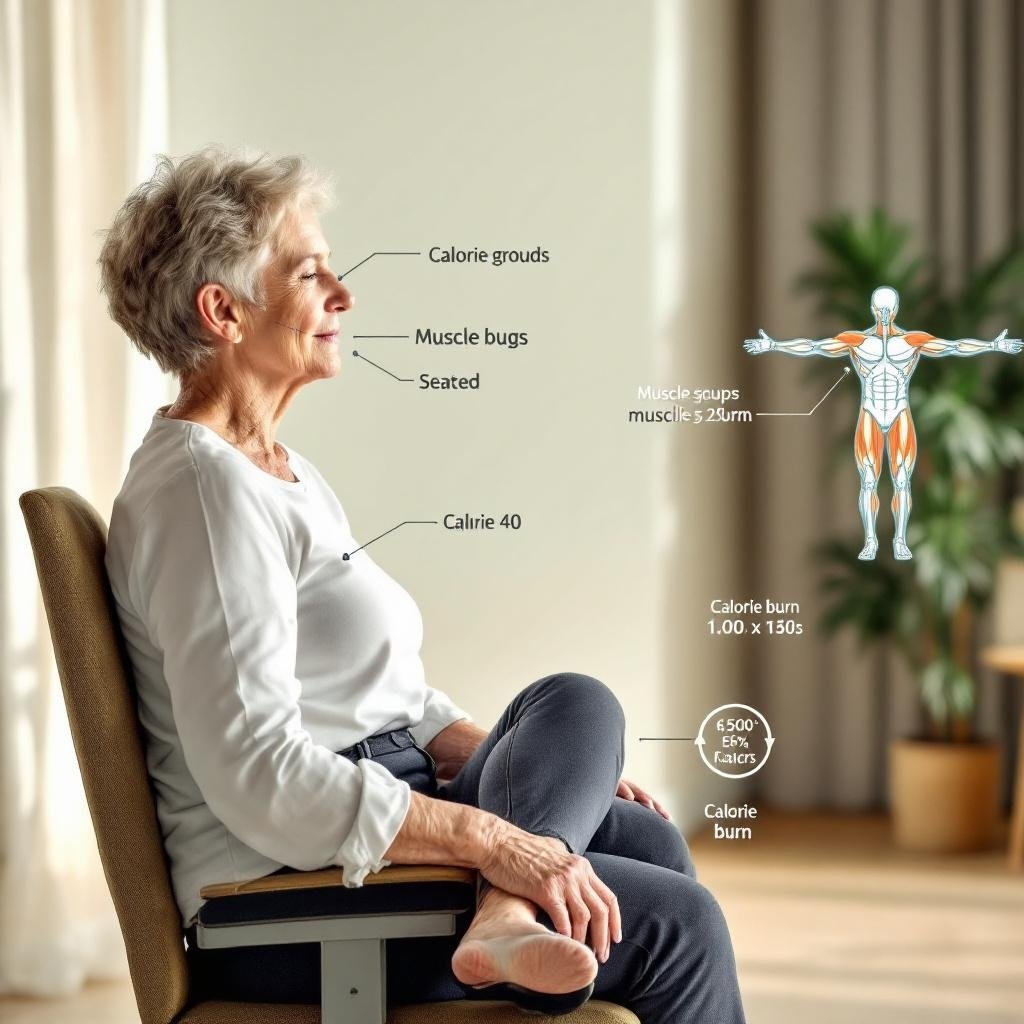
Warm-Up Before Starting
Begin with 5 minutes of seated marching or deep breathing to increase blood flow. Cold muscles are 33% more prone to strains, according to the National Institute on Aging, making warm-ups non-negotiable—even for low-impact routines.
Maintain Proper Posture
Keep the spine neutral with shoulders relaxed and core engaged. Slouching during seated twists or leg raises compresses spinal discs, potentially exacerbating age-related disc degeneration. Use a lumbar cushion if needed to maintain natural curvature.
Consult a Healthcare Professional
Individuals with osteoporosis, arthritis, or cardiovascular conditions should seek medical clearance before starting new regimens. A physical therapist can modify exercises to accommodate joint replacements or balance concerns, ensuring safety without compromising effectiveness.
FAQ Section
Q: Can sitting exercises help lose belly fat?
A: While targeted fat loss (“spot reduction”) isn’t possible, seated core exercises like Russian twists improve abdominal tone. Visible results require combining these movements with a calorie-controlled diet and aerobic activity.
Q: How often should I do sitting weight loss exercises?
A: For gradual progress, perform seated workouts 3-5 times weekly. Allow at least one rest day to prevent overuse injuries, prioritizing consistency over intensity.
Q: Are sitting exercises safe for seniors?
A: Yes—with precautions. Seniors should start with chair-supported movements and progress slowly. A 2023 CDC report found that low-impact resistance training reduced fall risk by 24% in adults over 65 when done correctly.
Q: What equipment is needed for seated workouts?
A: A stable chair with armrests is essential. Resistance bands or ankle weights (2-5 lbs) can increase challenge but aren’t mandatory for beginners. Avoid unstable surfaces like exercise balls due to balance risks after 40.
Key Takeaways
- Seated exercises offer accessible starting points for sedentary adults over 40, particularly those with joint concerns.
- Proper form—not speed—prevents injuries during seated workouts, which require mindful movement control.
- Combining moderate-intensity seated resistance training with protein-rich meals and hydration maximizes fat loss while protecting muscle mass.
- Gradual progression (e.g., adding 2 reps weekly) maintains motivation and reduces dropout rates, aligning with long-term lifestyle changes.
Weight management after 40 demands adaptable strategies that respect physical limitations while maximizing health benefits. Seated exercises, when executed with proper technique and integrated into a balanced wellness plan, provide a sustainable pathway to achieving and maintaining a healthy weight. Always prioritize consistency over intensity, celebrating small victories like improved posture or increased energy—markers of progress beyond the scale.
Frequently Asked Questions
Can sitting exercises help lose belly fat?
Seated exercises may help tone core muscles when combined with a healthy diet, but spot reduction isn’t possible. Whole-body fat loss occurs through calorie deficit.
How often should I do sitting weight loss exercises?
Aim for 3-5 sessions weekly, each lasting 20-30 minutes. Consistency is key for gradual results while allowing recovery days.
Are sitting exercises safe for seniors?
Yes, when done with proper form. Seniors should consult a doctor before starting new routines to ensure appropriateness for their health condition.
What equipment is needed for seated workouts?
Most exercises require only a sturdy chair. Resistance bands or light dumbbells may add intensity but aren’t mandatory for beginners.
Disclaimer: This article is for informational purposes only and does not constitute medical advice. Always consult a qualified healthcare provider before making changes to your health regimen.