Choose a bench with adjustable settings for multiple exercise options
Focus on controlled movements to protect joints during workouts
Prioritize stability features for safe strength training
Combine bench exercises with stretching routines for full-body benefits
Types of Fitness Benches for Mature Adults
For adults over 40 seeking effective fitness solutions, benches offer adaptable tools to address age-related changes in strength, mobility, and balance. According to the American Council on Exercise (ACE), incorporating equipment that accommodates joint sensitivity and supports proper form is critical for mature exercisers. Adjustable benches, weightlifting benches, and step benches each serve distinct purposes in creating a balanced routine.
Adjustable benches allow users to modify incline angles for exercises targeting different muscle groups, reducing strain on the lower back during weight training. Weightlifting benches emphasize stability and weight capacity, crucial for safely performing compound movements. Step benches prioritize low-impact workouts while improving cardiovascular health and proprioception. Selecting the right type depends on individual fitness goals and physical considerations.
Adjustable Benches for Versatility
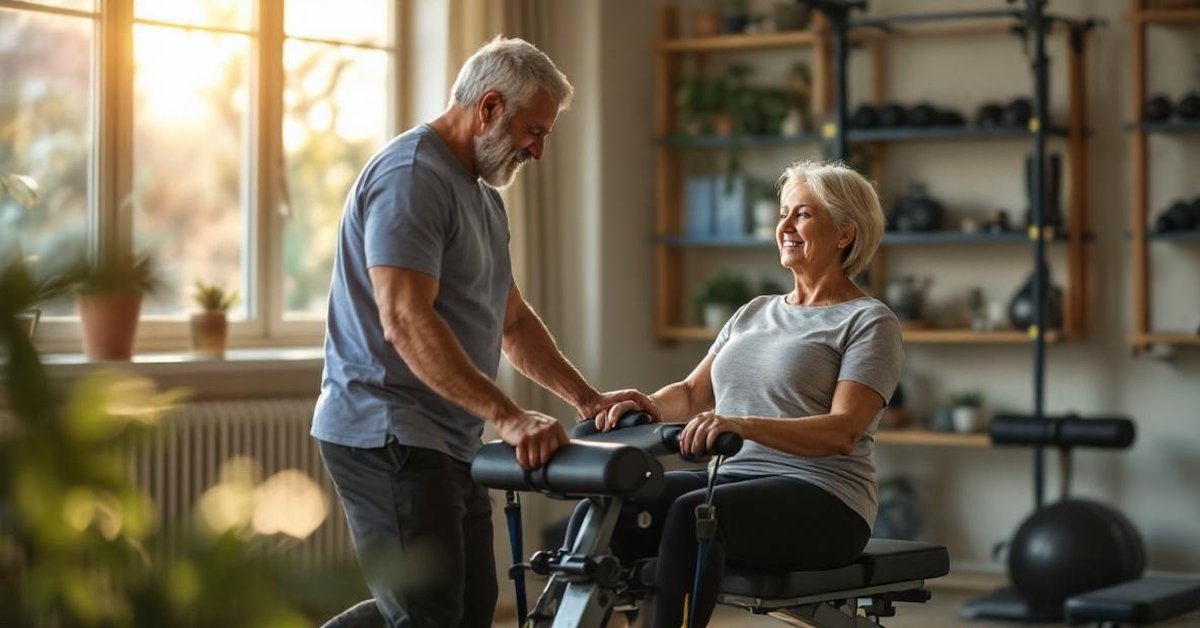
Adjustable benches are ideal for mature adults wanting a multifunctional tool for strength and flexibility routines. Features like four to seven incline positions enable exercises ranging from chest presses to seated stretches. Look for benches with thick, high-density foam padding to protect knees and hips during prolonged use. The National Institute on Aging recommends adjustable benches for supporting varied movements that maintain range of motion and muscular endurance.
When using an adjustable bench, start with a neutral, flat position to master basic movements before progressing to incline or decline variations. This gradual approach aligns with physical therapy guidelines for preventing overuse injuries. Bench height adjustment also matters—set the seat level to allow 90-degree knee angles when performing seated leg extensions.
Weightlifting Benches for Strength Training
Strength preservation becomes increasingly important after 40, as muscle mass declines at approximately 3-5% per decade without intervention, according to Harvard T.H. Chan School of Public Health research. Weightlifting benches with reinforced frames and non-slip bases provide the structural integrity needed for safe resistance training.
Opt for benches with wide bases and steel-reinforced supports to handle heavier loads during exercises like barbell presses. The American College of Sports Medicine (ACSM) emphasizes proper bench height for weight training—ideally aligned with the user’s mid-chest when lying down. This positioning optimizes force production while minimizing shoulder impingement risks.
Step Benches for Low-Impact Workouts
Step benches serve as accessible tools for improving cardiovascular health without excessive joint stress. These platforms, typically 6-12 inches high, facilitate controlled step-ups and seated repetitions that enhance leg strength and balance. Mayo Clinic research suggests step training improves proprioception in older adults, reducing fall risks by 23% over six months.
Non-slip surfaces and side handles enhance safety for step bench users. Incorporate dynamic movements like alternating step-ups with arm raises to simultaneously engage core and lower body muscles. For lower-impact versions, focus on seated calf raises or tricep dips using the bench edge for support.
Key Exercises Using a Fitness Bench
Benches enable over 20 effective exercises targeting major muscle groups with reduced orthopedic strain. Choose movements that promote joint health while addressing common age-related weaknesses in upper body strength, knee stability, and balance.
Bench Press Variations for Upper Body Strength
The bench press builds chest, shoulder, and tricep strength critical for maintaining functional independence. For mature adults, dumbbell variations reduce shoulder stress compared to barbell presses. Keep feet planted flat during presses to stabilize the lumbar spine, as recommended by the Orthopedic Research Institute.
Start with 30-degree incline presses to emphasize upper chest engagement while minimizing anterior shoulder discomfort. Perform 2-3 sets of 10-12 controlled repetitions, lowering weights until elbows form 90-degree angles. For those with wrist concerns, neutral grip dumbbells or resistance bands anchored to the bench provide viable alternatives.
Seated Leg Extensions for Knee Stability
Knee osteoarthritis affects 50% of adults over 40, per the Arthritis Foundation. Seated leg extensions using ankle weights strengthen quadriceps without excessive joint compression. Adjust the bench to support a straight back with thighs approximately 2-3 inches above knees to ensure proper alignment.
Hold the bench edges for stability while lifting one leg to 45 degrees, pausing for two seconds before slow lowering. Complete 2 sets of 10-12 per leg. Those with existing knee issues should maintain hamstring stretches to balance muscle groups and reduce patellar stress.
Step-Ups for Cardio and Balance
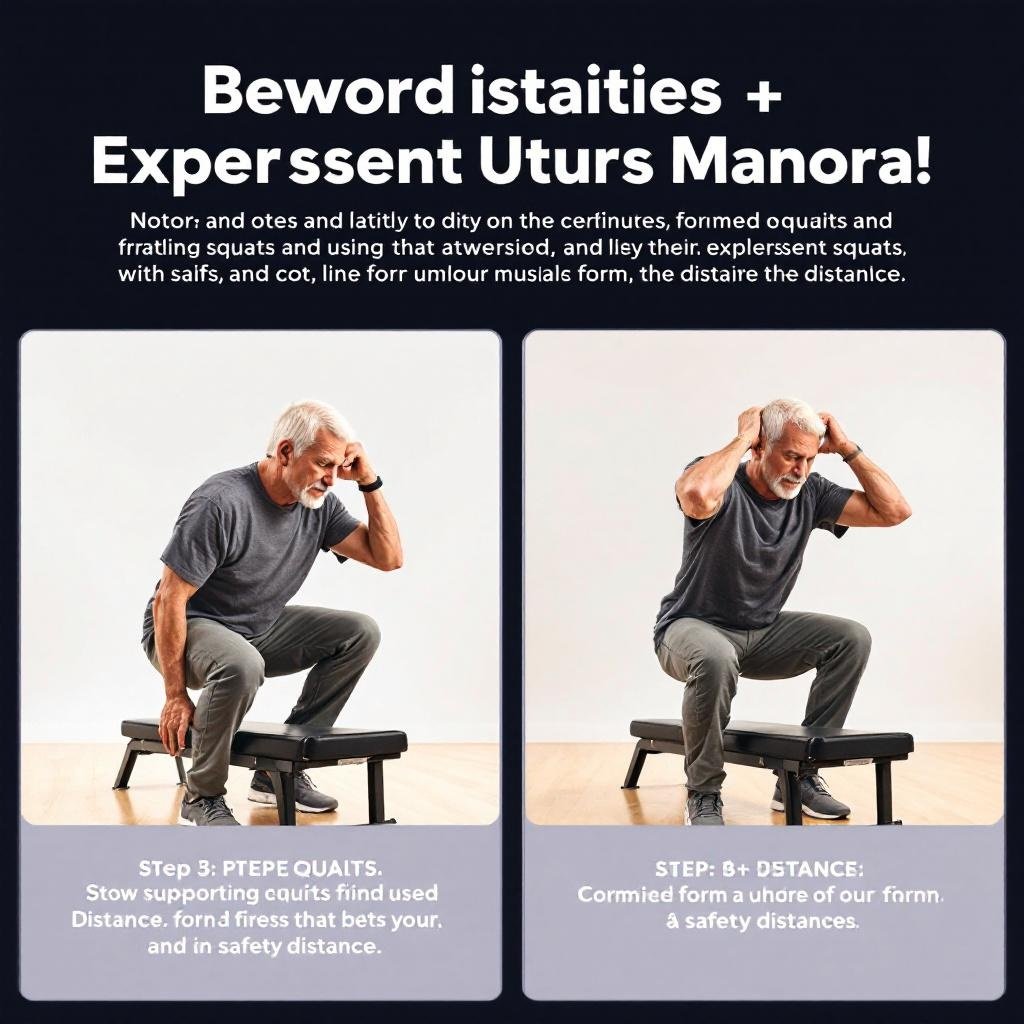
Step-ups simulate daily movements like stair climbing while improving unilateral strength. Stand tall on the bench, ensuring the front foot’s entire sole contacts the surface. Drive through the heel to rise, keeping the opposite leg悬空. Repeat for 30 seconds per side as part of interval training.
For enhanced balance challenge, perform step-ups backward or add overhead arm raises. The American Academy of Orthopaedic Surgeons notes that step exercises enhance balance recovery reactions, particularly beneficial for preventing falls in older adults.
How to Choose the Right Bench for Your Needs
Selecting appropriate fitness equipment requires balancing functionality with safety considerations. Consider these three priorities when evaluating benches:
Prioritizing Ergonomic Design
Ergonomic features reduce strain during workouts. Look for contoured upholstery matching body curves and adjustable seat depths accommodating different leg lengths. The Consumer Product Safety Commission reports 4,500 annual injuries from improperly designed workout benches—many preventable through proper fit.
Test benches by performing mock exercises to assess pressure points. Padded backrests on adjustable models should align with natural spinal curves. For those with sciatica, flat benches without high backrests often provide better comfort during leg extensions.
Assessing Weight Capacity and Stability
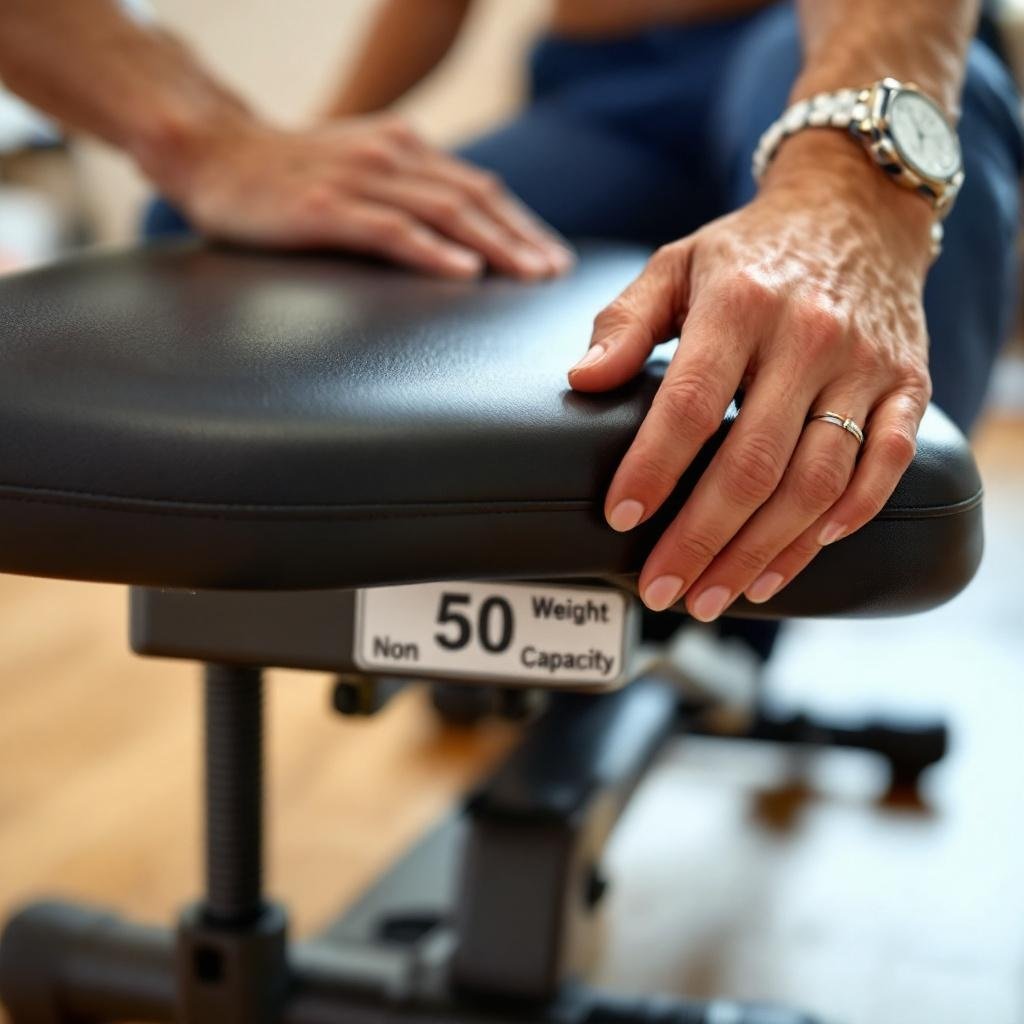
Weight capacity should exceed the user’s weight by at least 25% for safety margins. Commercial-grade benches typically support 500-1,000 pounds, while consumer models often range from 200-300 pounds. Test stability by applying force at the bench edges—excessive wobble indicates insufficient structural rigidity.
Steel frames with cross-bracing outperform aluminum or plastic constructions. For weight training benches, verify that leg stabilizers extend beyond the bench width to prevent lateral shifting during heavy lifts, as emphasized in NASM safety protocols.
Considering Space and Storage Requirements
Compact designs matter for home users. Foldable benches save space but should maintain structural integrity when unfolded. Measure workout areas to ensure 36 inches clearance around all sides for safe movement. Multi-functional benches combining step platforms and adjustable angles maximize utility in limited spaces.
Wheels on storage-friendly benches enable easy relocation but should lock securely during use. For apartment dwellers, vertical storage options or benches doubling as workout storage benches offer dual benefits.
FAQ Section
Q: What features should seniors look for in a fitness bench?
A: Look for adjustable height settings, non-slip surfaces, and sturdy construction with weight capacity exceeding your needs. Ergonomic padding and easy assembly are also important considerations.
Q: Can a fitness bench help with balance and mobility?
A: Yes, benches provide stable support for balance exercises and mobility drills. Step-up movements and seated stretches on a bench may improve coordination and joint flexibility for mature adults.
Q: What safety precautions should be taken when using a bench?
A: Always check equipment stability before use. Keep the workout area clear and maintain proper posture. Start with lighter weights to assess comfort, and consult your doctor if unsure about specific movements.
Q: How often should bench workouts be performed?
A: Aim for 2-3 sessions weekly with rest days in between. Balance strength training with flexibility exercises, adjusting frequency based on individual recovery needs and fitness goals.
Key Takeaways
Choose a bench with adjustable settings for multiple exercise options
Focus on controlled movements to protect joints during workouts
Prioritize stability features for safe strength training
Combine bench exercises with stretching routines for full-body benefits
For adults over 40, integrating bench exercises into weekly routines combats age-related strength loss while enhancing mobility and confidence. The American College of Sports Medicine recommends combining resistance training with balance activities for optimal functional fitness. Begin with basic movements, gradually increasing intensity based on perceived exertion ratings and personal tolerance levels. Always consult healthcare providers before starting new exercise programs, especially with pre-existing conditions affecting the cardiovascular or musculoskeletal systems. With proper equipment selection and technique adherence, fitness benches become valuable allies in maintaining lifelong health and independence.
Frequently Asked Questions
What features should seniors look for in a fitness bench?
Look for adjustable height settings, non-slip surfaces, and sturdy construction with weight capacity exceeding your needs. Ergonomic padding and easy assembly are also important considerations.
Can a fitness bench help with balance and mobility?
Yes, benches provide stable support for balance exercises and mobility drills. Step-up movements and seated stretches on a bench may improve coordination and joint flexibility for mature adults.
What safety precautions should be taken when using a bench?
Always check equipment stability before use. Keep the workout area clear and maintain proper posture. Start with lighter weights to assess comfort, and consult your doctor if unsure about specific movements.
How often should bench workouts be performed?
Aim for 2-3 sessions weekly with rest days in between. Balance strength training with flexibility exercises, adjusting frequency based on individual recovery needs and fitness goals.
Disclaimer: This article is for informational purposes only and does not constitute medical advice. Always consult a qualified healthcare provider before making changes to your health regimen.