

Key Takeaways
- Nutrition and exercise planning should be personalized
- Proper hydration and timing improve athletic performance
- Visual aids enhance understanding of complex nutrition concepts
- Balanced presentations combine science with practical applications
Understanding Nutrition’s Role in Fitness

A well-designed nutrition, exercise, and sports PPT bridges scientific knowledge with practical application, helping adults over 40 optimize physical performance and recovery. Research from the International Journal of Sport Nutrition and Exercise Metabolism emphasizes that proper nutrient timing and hydration can improve endurance, reduce injury risk, and support muscle repair. By visually presenting these concepts, presenters can address age-related challenges like slower recovery and changing metabolic needs while promoting sustainable wellness strategies tailored to mature athletes.
Macronutrients and Energy Production
Carbohydrates, proteins, and fats serve distinct roles in fueling physical activity. Carbohydrates act as the primary energy source during high-intensity exercise, with muscle glycogen stores providing critical fuel for workouts lasting 60-90 minutes. Protein supports muscle protein synthesis, essential for maintaining lean mass as we age. Dietary fats, often misunderstood, play vital roles in hormone production and joint health. Presenters should highlight research showing that older athletes may require higher protein intake (1.2-2.0g/kg body weight) to combat age-related muscle loss, according to the Academy of Nutrition and Dietetics.
Hydration for Athletic Performance
Dehydration as mild as 2% body weight loss can significantly impair cognitive function and physical performance. For endurance activities, electrolyte-rich fluids help maintain fluid balance and prevent cramping. The American College of Sports Medicine recommends individualized hydration plans based on sweat rate testing. Visual demonstrations of urine color charts or pre/post exercise weighing protocols make excellent slide content, helping audiences self-monitor hydration status effectively.
Timing Meals Around Workouts
Nutrient timing impacts both performance and recovery. Consuming 20-30g protein within two hours post-exercise enhances muscle protein synthesis, a critical consideration for masters athletes. Pairing carbohydrates with protein in a 3:1 ratio after training replenishes glycogen stores more efficiently. Presenters should note that older adults may benefit from front-loading protein intake throughout the day rather than concentrating it at dinner, based on 2022 research from the Journal of Nutrition, Health & Aging.
Exercise Strategies for Optimal Performance
Strength Training for Muscle Growth
Resistance training remains the most effective intervention against sarcopenia, the age-related loss of muscle mass. Programs should incorporate progressive overload through free weights, resistance bands, or bodyweight exercises. The American College of Sports Medicine recommends training major muscle groups twice weekly using 70-85% of one-repetition maximum for strength gains, or lighter loads with higher repetitions (10-15) for muscular endurance. Slides demonstrating proper form and adaptation strategies for common limitations (e.g., knee pain) improve presentation effectiveness.
Cardiovascular Exercise Benefits
For adults over 40, maintaining cardiovascular health becomes increasingly important. The Physical Activity Guidelines for Americans recommend 150 minutes of moderate-intensity aerobic activity weekly, which can reduce heart disease risk by 30%. Interval training protocols like HIIT offer time-efficient alternatives, but require careful modification for older participants. Presenters should include visual comparisons between steady-state and interval training heart rate zones to help audiences understand intensity differences.
Recovery Techniques for Athletes
Recovery becomes more critical with age due to slower tissue repair cycles. Cold water immersion, contrast water therapy, and foam rolling demonstrate moderate benefits according to a British Journal of Sports Medicine meta-analysis, though individual responses vary. Sleep optimization remains universally beneficial – growth hormone release peaks during deep sleep cycles, directly supporting tissue repair. Presenters should emphasize sleep hygiene strategies alongside traditional recovery methods.
Sports Nutrition Tips for Athletes
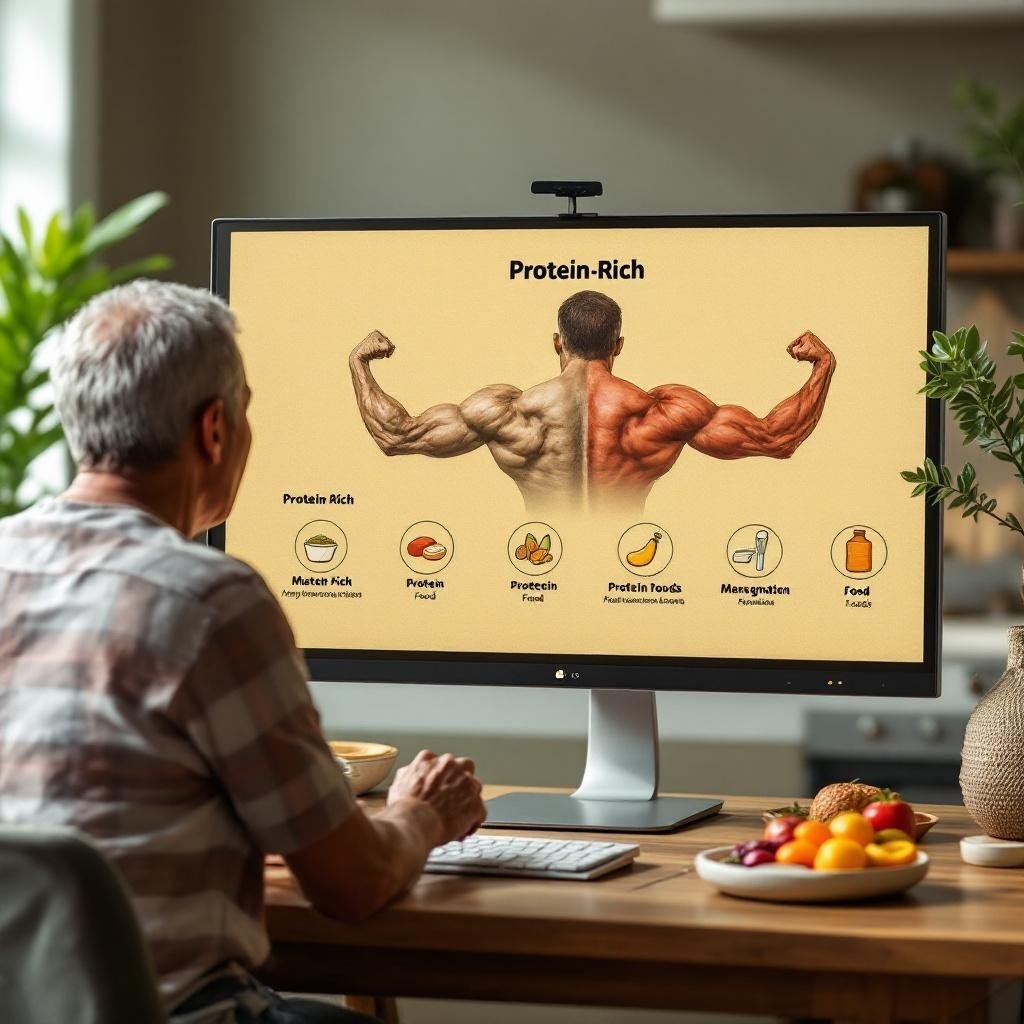
Pre-Workout Fueling Options
Effective pre-exercise nutrition balances macronutrients while minimizing gastrointestinal distress. A meal containing 1-4g/kg carbohydrates and 0.25g/kg protein 2-3 hours before training optimizes energy availability. For early morning workouts, liquid nutrition like smoothies may work better than solids. Presenters should address individual variability by including examples for different dietary preferences (e.g., vegan, low FODMAP) while noting that high-fat meals before exercise generally impair performance.
Post-Exercise Recovery Foods
The post-exercise window represents a critical opportunity to enhance adaptation. Chocolate milk, eggs with fruit, or protein shakes with added carbohydrates provide ideal ratios for many athletes. Vegetarian options like quinoa bowls with chickpeas and fruit offer complete proteins through amino acid complementation. Presenters should highlight emerging research suggesting omega-3 fatty acids from fish or algae sources may reduce post-exercise inflammation more effectively than traditional antioxidants.
Supplements: What’s Evidence-Based?
While whole foods should form the nutritional foundation, certain supplements demonstrate proven benefits. Creatine monohydrate improves strength output in older adults according to a 2023 Aging Cell meta-analysis. Vitamin D supplementation addresses widespread deficiencies that impair muscle function. Caffeine shows performance-enhancing effects at moderate doses (3-6mg/kg), but genetic factors dramatically influence individual responses. Presenters must emphasize consulting healthcare providers before supplement use, particularly for those managing chronic conditions.
Creating a Balanced Fitness PPT Plan
Designing Effective Slide Presentations
Effective fitness presentations follow the PechaKucha principle – concise messaging supported by strong visuals. Use sans-serif fonts (minimum 24pt), limit text to 6 bullet points per slide, and follow the 6×6 rule (6 words per line, 6 lines per slide). Incorporate real-time polls or case studies to engage mature audiences who value practical applications. Storytelling techniques help make complex concepts relatable, such as showing a 55-year-old’s plate transformation for different training days.
Incorporating Visual Nutrition Guides
Plate models and portion size visuals simplify nutrition education. The Harvard Plate method (50% vegetables, 25% protein, 25% grains) works well for general audiences. Glycemic index charts and portion estimation graphics cater to specific needs like blood sugar management. Animated slides demonstrating hydration timing throughout the day prove more engaging than static tables. Avoid overly technical terms – replace “mitochondrial biogenesis” with “cellular energy production” for better accessibility.
Engaging Audiences with Fitness Data
Presenters should strategically use data without overwhelming listeners. Highlight key statistics with bold text, such as “10% strength improvements in 12 weeks” rather than detailed study methodologies. Interactive elements like live heart rate monitoring demonstrations or fitness trackers comparisons encourage participation. When discussing research, cite reputable sources like the National Institutes of Health or university studies rather than commercial entities to build credibility.
FAQ
Why combine nutrition and exercise in a presentation?
Separating nutrition and exercise creates artificial silos that hinder optimal performance. Research from the European Journal of Applied Physiology suggests integrated approaches improve program adherence by 40%. When audiences understand how dietary choices directly impact workout quality and recovery, they make more informed decisions about their wellness strategies. This holistic perspective becomes increasingly important with age, as nutrient absorption efficiency declines and exercise injury risks increase.
How can athletes optimize pre-workout nutrition?
Optimization requires understanding individual tolerances and training goals. Morning exercisers might prioritize liquid nutrition, while evening workouts allow solid meal options. Presenters should note that fat and fiber intake should be moderated pre-workout to prevent gastrointestinal issues. Including real-world examples like a turkey wrap vs. a banana with peanut butter helps illustrate appropriate choices. Remind audiences that hydration should begin hours before exercise, not at the workout start time.
What are key presentation elements for sports nutrition?
Successful presentations combine scientific accuracy with relatable examples. Use case studies showing measurable outcomes from nutrition/exercise changes. Infographics comparing hydration options (water, sports drinks, coconut water) simplify complex decisions. For supplements, include decision trees weighing effectiveness, safety, and evidence level. Always address practical barriers like time constraints with quick meal prep strategies that align with busy adult lifestyles.
How does age affect fitness presentation needs?
Mature audiences require nuanced messaging addressing physical changes like decreased renal function, reduced muscle mass, and altered metabolism. Presenters should emphasize nutrient density over calorie count when discussing dietary changes. Demonstrate modified exercises for common limitations (e.g., knee-friendly alternatives to jumping movements). Include safety reminders about pre-exercise medical clearance for those with cardiovascular conditions.
Key Takeaways
- Nutrition and exercise planning should be personalized
- Proper hydration and timing improve athletic performance
- Visual aids enhance understanding of complex nutrition concepts
- Balanced presentations combine science with practical applications
Creating effective nutrition, exercise, and sports PPT presentations requires blending evidence-based information with audience-centered design. By focusing on actionable strategies that address the unique needs of adults over 40, presenters can empower their audiences to make sustainable lifestyle improvements. Incorporating the latest research while maintaining practical relevance ensures that these presentations deliver lasting value.
Frequently Asked Questions
Why combine nutrition and exercise in a presentation?
Integrating nutrition and exercise concepts helps audiences understand their synergistic effects on performance and health. Research suggests this holistic approach improves adherence to wellness programs.
How can athletes optimize pre-workout nutrition?
Consuming balanced meals 2-3 hours before exercise may enhance performance. Individual needs vary, so consulting a nutritionist is recommended for personalized plans.
What are key presentation elements for sports nutrition?
Effective PPTs should include visual meal guides, hydration charts, and evidence-based supplement information. Simplified infographics often work best for audience retention.
How does age affect fitness presentation needs?
Older athletes may require modified exercise demonstrations and nutrition guidelines. Presentations should address age-related factors like recovery needs and nutrient absorption changes.
Disclaimer: This article is for informational purposes only and does not constitute medical advice. Always consult a qualified healthcare provider before making changes to your health regimen.