
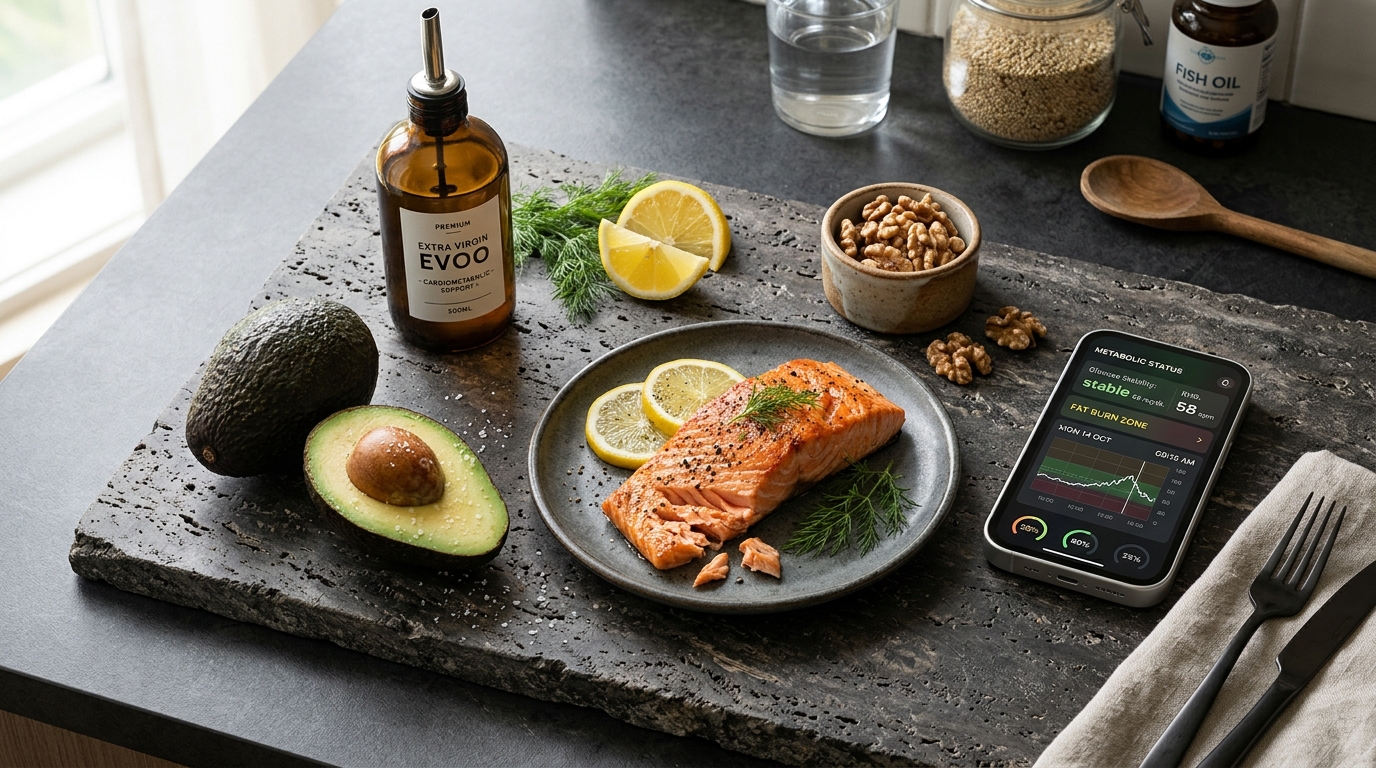
1-Minute Clinical Action Briefing
How to Lose Visceral Belly Fat After 40 Naturally
Visceral adipose tissue (VAT) surrounding internal organs is not an aesthetic flaw—it is a hyperactive endocrine organ pumping inflammatory cytokines (IL-6, TNF-α) and free fatty acids directly into the portal vein. After 40, declining growth hormone, waning sex steroids, and creeping insulin resistance accelerate visceral fat storage. Reversing it requires four non-negotiable levers: halting hepatic de novo lipogenesis, 150 minutes of weekly Zone 2 lipid oxidation, blunting nocturnal cortisol, and hitting a 1.6g/kg protein leverage threshold.
Many adults past 40 notice that standard calorie-restriction diets that worked in their twenties suddenly fail. The scale may barely move, yet waist circumference expands, pants feel tighter, and blood pressure creeps upward. This shift marks the transition from harmless subcutaneous fat deposition to dangerous visceral fat accumulation.
Learning how to lose visceral belly fat after 40 naturally requires understanding that visceral fat responds to hormonal signals, liver fat clearance, and substrate oxidation rather than chronic starvation. By targeting the underlying drivers of visceral adiposity—specifically hyperinsulinemia, elevated nocturnal cortisol, and sedentary mitochondrial decline—you can rapidly mobilize deep abdominal fat and dramatically cut cardiometabolic risk.
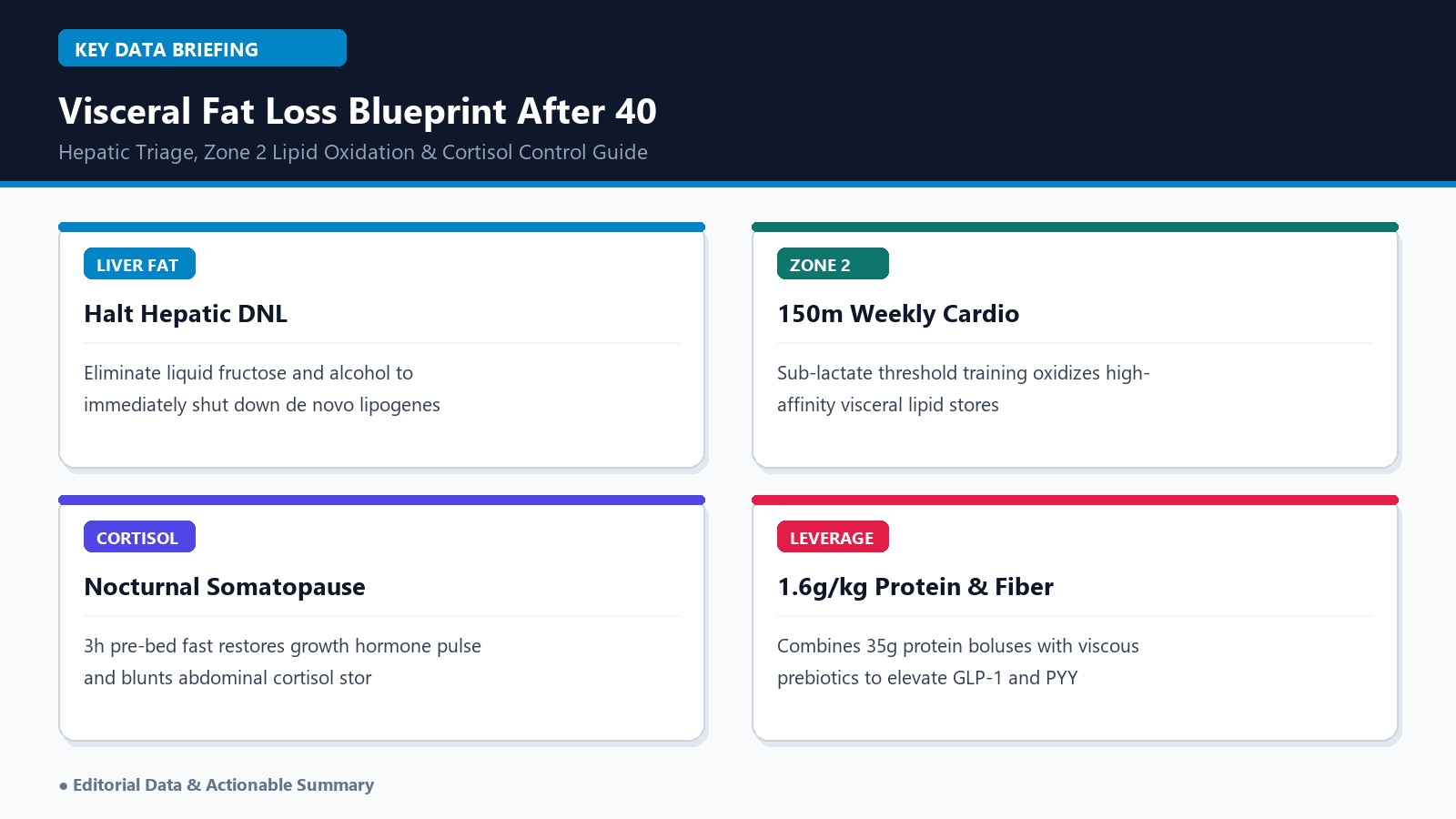
Figure 1: The 4-Pillar Clinical Blueprint for Reversing Visceral Adipose Tissue (VAT) After 40.
Visceral Fat vs. Subcutaneous Fat vs. Hepatic Fat
Not all body fat carries the same clinical hazard. The table below contrasts visceral adipose tissue with subcutaneous fat and ectopic liver fat across metabolic mechanisms, diagnostic biomarkers, and reversal protocols.
| Adipose Depot | Anatomical Location | Pathological Impact | Target Reversal Strategy |
|---|---|---|---|
| Visceral Adipose Tissue (VAT) | Deep intra-abdominal cavity surrounding intestines, liver & kidneys | Releases IL-6 and free fatty acids into portal vein; triggers ApoB & insulin resistance | Zone 2 cardio, carbohydrate density triage, and 12-14h overnight fasting |
| Subcutaneous Adipose Tissue (SAT) | Directly under the skin (pinchable belly, thighs, arms) | Mainly cosmetic; acts as safe physiological energy storage buffer | General caloric deficit, resistance training, consistent movement |
| Ectopic Hepatic Steatosis (Liver Fat) | Intra-hepatocyte lipid accumulation (>5% liver weight) | Causes systemic insulin resistance, elevated ALT/AST, and dyslipidemia | Strict fructose and alcohol elimination; choline and omega-3 EPA/DHA |

Figure 2: Daily brisk incline walking and Zone 2 training optimize whole-body lipid oxidation.
Pillar 1: Halt Hepatic De Novo Lipogenesis & Hyperinsulinemia
Insulin is the body’s primary anti-lipolytic hormone. When circulating insulin levels remain chronically elevated—a condition known as hyperinsulinemia—adipose tissue is locked into storage mode, and the enzyme hormone-sensitive lipase (HSL) is completely inhibited.
Furthermore, industrial fructose and refined liquid carbohydrates bypass normal hepatic phosphofructokinase regulation, forcing the liver into rapid de novo lipogenesis (DNL). This converts surplus sugars directly into visceral and liver fat.
Actionable Dietary Triage:
- Zero Liquid Sugars & Alcohol Pause: Liquid sucrose, high-fructose corn syrup, and daily alcohol consumption are the fastest chemical drivers of visceral fat. Eliminate sodas, juices, and sweetened coffees.
- Carbohydrate Density Timing: Shift carbohydrates away from late evenings and concentrate them around physical exercise, opting for low-glycemic, fiber-bound sources (legumes, berries, tubers).
- Target Fasting Insulin: Aim for a fasting serum insulin below 6.0 μIU/mL (optimal <4.5 μIU/mL) on routine lab work.
Pillar 2: Zone 2 Steady-State Cardio for Lipid Substrate Oxidation
Visceral fat has a higher blood flow density and greater beta-adrenergic receptor sensitivity than subcutaneous fat. This means it responds rapidly to sustained, low-intensity aerobic training where fat is the predominant fuel source.
Zone 2 cardiovascular exercise (exercising at 60% to 70% of maximum heart rate, keeping blood lactate below 2.0 mmol/L) stimulates mitochondrial biogenesis in Type I muscle fibers and upregulates the transporter carnitine palmitoyltransferase-1 (CPT-1), shuttling long-chain fatty acids directly into mitochondria for combustion.
The 40+ Visceral Fat Exercise Prescription
1. Weekly Volume: 150 to 180 minutes per week divided into 3–4 sessions of 45 minutes (brisk inclined walking, stationary cycling, or rowing at conversational pace).
2. Heavy Resistance Training: Minimum 2–3 weekly sessions to preserve skeletal muscle mass (the primary glucose disposal sink).
3. Daily NEAT Target: 8,000 to 10,000 steps daily to prevent the post-meal insulin plateau.
Pillar 3: Nocturnal Cortisol Blunting & Somatopause Defense
Cortisol is uniquely obesogenic to the intra-abdominal region. Deep visceral adipocytes express nearly four times more glucocorticoid receptors (GR) and 11β-hydroxysteroid dehydrogenase type 1 (11β-HSD1) enzymes than subcutaneous adipocytes. When chronic psychological stress, sleep apnea, or late-night light exposure keeps nocturnal cortisol elevated, fat is shuttled directly into the visceral compartment.
Simultaneously, adult growth hormone (GH) secretion declines by roughly 14% per decade after 30 (the “somatopause”). Because growth hormone is the body’s most powerful visceral lipolytic hormone, restoring nighttime sleep architecture is critical for visceral fat breakdown.
- 3-Hour Pre-Bed Fast: High insulin at bedtime completely blunts the pulsatile surge of growth hormone that occurs during slow-wave deep sleep.
- Cool Sleep Environment: Keep bedroom temperatures at 18°C to 19°C (65–67°F) to activate thermogenic brown adipose tissue (BAT) and promote parasympathetic tone.
- Screen Sunset: Dim ambient overhead lighting 90 minutes before sleep to eliminate artificial blue-light cortisol stimulation.
Pillar 4: Protein Leverage & Prebiotic Viscous Fiber Matrix
The “Protein Leverage Hypothesis” demonstrates that the human body maintains a strong biological drive to eat until its fundamental protein requirements are satisfied. If dietary protein density is low, individuals unconsciously overconsume refined fats and carbohydrates, driving excess calories into visceral storage.
Targeting 1.6 to 2.0 grams of protein per kilogram of ideal body weight provides dual benefits: it maximizes the thermic effect of food (expending ~25% of protein calories during digestion) and stimulates the satiety peptides peptide YY (PYY) and glucagon-like peptide-1 (GLP-1).
Pair this with at least 35 to 40 grams of viscous, fermentable prebiotic fiber daily (e.g., psyllium husk, acacia fiber, cooked and cooled resistant starches, and cruciferous vegetables). Gut microbiota ferment these fibers into short-chain fatty acids (acetate, propionate, butyrate), which directly downregulate hepatic lipogenesis and enhance peripheral insulin sensitivity.
The 24-Hour Visceral Fat Loss Checklist
1
Morning (07:00): Hydrate with 500 mL water; complete a 30-minute fasted Zone 2 brisk walk or light cardio before breakfast.
2
Lunch (12:30): High-protein meal (≥40g lean poultry, wild fish, or tempeh) paired with 10g viscous fiber; follow with a 10-minute walk.
3
Late Afternoon (17:30): 40 minutes of progressive compound resistance training to build glycogen-storing muscle mass.
4
Evening (19:30): Final meal finished strictly 3 hours before sleep; zero late-night alcohol, snacks, or caloric beverages.
Frequently Asked Questions
How long does it take to lose visceral belly fat after 40?
Because visceral fat is metabolically hyperactive and rich in beta-adrenergic receptors, it is actually mobilized faster than subcutaneous fat. With consistent adherence to Zone 2 cardio, carbohydrate density triage, and 1.6g/kg protein, significant reductions in visceral fat area (10% to 20%) are commonly observed via DEXA or MRI within 8 to 12 weeks.
What is the most accurate way to measure visceral fat at home?
While DEXA scans and abdominal CT/MRI are the clinical gold standards, the waist-to-height ratio (WHtR) is the most reliable at-home metric. Keep your waist circumference (measured at the level of the umbilicus) strictly below half your height (WHtR < 0.50). A ratio above 0.53 strongly correlates with elevated visceral adiposity and cardiometabolic risk.
Do crunches, sit-ups, or core exercises burn visceral fat?
No. Spot reduction is a biological impossibility. Crunches strengthen the rectus abdominis muscle beneath the fat layer, but they do not oxidize intra-abdominal visceral adipose tissue. Visceral fat is burned through systemic negative energy balance, low circulating insulin, and mitochondrial lipid oxidation triggered by whole-body cardiovascular and resistance training.
Why does alcohol specifically increase visceral belly fat after 40?
When alcohol (ethanol) enters the bloodstream, the liver prioritizes metabolizing it into toxic acetaldehyde and acetate, completely halting all other fatty acid oxidation. Furthermore, alcohol metabolism stimulates hepatic sterol regulatory element-binding protein 1c (SREBP-1c), which directly turns on de novo lipogenesis, funneling fatty acids into visceral and liver fat deposits.
Medical Disclaimer: This article is published for educational and scientific research purposes only and does not constitute medical advice or clinical diagnosis. Always consult a board-certified physician or registered dietitian before initiating vigorous exercise programs or major dietary modifications.