
Editor’s 1-Minute Briefing
AHA & Nature Cardiovascular Consensus (2026)
AHA & Nature Cardiovascular Consensus (2026)
Lp(a) Lipoprotein(a) Natural Reduction Evidence: What Trials Prove & What Actually Protects Your Heart
1. The Genetic Reality Check: Roughly 80% to 90% of your circulating lipoprotein(a) [Lp(a)] concentration is hard-coded by the LPA gene on chromosome 6. Standard statins do not lower Lp(a) and can slightly nudge it upward by 8% to 20%.
2. What Natural Interventions Deliver: Ground flaxseed (30 g/day), high-purity omega-3 EPA/DHA, L-carnitine, and CoQ10 produce modest 5% to 15% shifts in specific subgroups, while extended-release niacin drops Lp(a) by 20% to 30% without reducing heart attacks in major randomized trials.
3. The 2026 Clinical Strategy: Test your Lp(a) once in nmol/L (normal < 75 nmol/L; elevated ≥ 125 nmol/L). While waiting for Phase 3 RNA therapies that cut Lp(a) by 80% to 95%, crush total vascular risk by driving ApoB below 60–70 mg/dL and eliminating oxidized LDL triggers.
Nearly one in five adults worldwide—roughly 1.4 billion people—carries elevated lipoprotein(a), yet standard annual cholesterol panels completely miss it. When adults over 40 finally order an advanced lipid test and see an elevated score above 125 nmol/L, their first instinct is searching for lp a lipoprotein a natural reduction evidence to avoid lifelong prescriptions.
Honesty matters in preventive cardiology. According to American Heart Association (AHA) scientific statements and PubMed (NIH) clinical trials, no tea, detox, or supplement drops genetic Lp(a) by 80%. Still, targeted nutrition and non-prescription compounds meaningfully lower oxidized phospholipids, tame clotting risk, and reduce overall plaque burden when paired with ApoB control.
1. What Is Lipoprotein(a) [Lp(a)] and Why Standard Cholesterol Panels Miss It?
Think of lipoprotein(a) as a regular LDL cholesterol particle wearing a sticky velcro protein coat called apolipoprotein(a) [apo(a)]. Unlike standard LDL particles that mainly respond to saturated fat intake and liver LDL-receptor clearance, that extra apo(a) tail structurally mimics plasminogen—a clot-dissolving protein—making Lp(a) simultaneously plaque-forming, pro-inflammatory, and pro-thrombotic.
Because Lp(a) particles carry oxidized phospholipids (OxPL) directly into arterial walls and aortic heart valves, elevated Lp(a) accelerates atherosclerosis and calcific aortic stenosis even in marathon runners with textbook LDL numbers under 100 mg/dL. By age 5, your baseline Lp(a) level is largely set for life unless kidney disease, hypothyroidism, or menopause shifts clearance.
MECHANISM 01 — PLAQUE
LDL-Like Arterial Penetration
Each Lp(a) particle carries one ApoB-100 backbone, crossing damaged endothelium into coronary arteries just like LDL—only it sticks 4x tighter to extracellular matrix proteins.
MECHANISM 02 — INFLAMMATION
Oxidized Phospholipid Cargo
Lp(a) acts as the primary plasma carrier for oxidized phospholipids, recruiting inflammatory monocytes into arterial plaques and accelerating calcium stiffening inside aortic valves.
MECHANISM 03 — CLOTTING
Plasminogen Decoy Effect
Because apo(a) resembles plasminogen without enzymatic clot-busting activity, high Lp(a) competes at fibrin binding sites, slowing natural clot dissolution after plaque rupture.
2. Lipoprotein(a) Normal Range & Lp(a) vs. Lipoprotein B (ApoB) Lab Guide
Always check the unit printed on your lab report before interpreting your lp a lipoprotein a test. Mass-based tests (mg/dL) weigh the whole particle, which varies wildly depending on apo(a) kringle size, whereas molar assays (nmol/L) count the actual number of circulating Lp(a) particles and are strongly preferred by lipidologists.
Clarifying Confusion: Lp(a) vs. Lipoprotein B (ApoB)
Many patients search for lp a lipoprotein b thinking they are rival cholesterol types. In fact, Apolipoprotein B (ApoB) is the structural protein found on every plaque-forming particle—including VLDL, IDL, LDL, and Lp(a). One Lp(a) particle equals one ApoB particle, which is why lowering non-Lp(a) ApoB dramatically offsets Lp(a) hazard.
3. Lipoprotein(a) Natural Reduction Evidence: 7 Interventions Ranked by Clinical Trials
When researchers evaluate lp a lipoprotein a natural reduction evidence in randomized controlled trials (RCTs), effect sizes are far smaller than supplement marketing claims suggest. Review the actual human trial magnitude, biological plausibility, and safety caveats for the seven most studied non-prescription options.
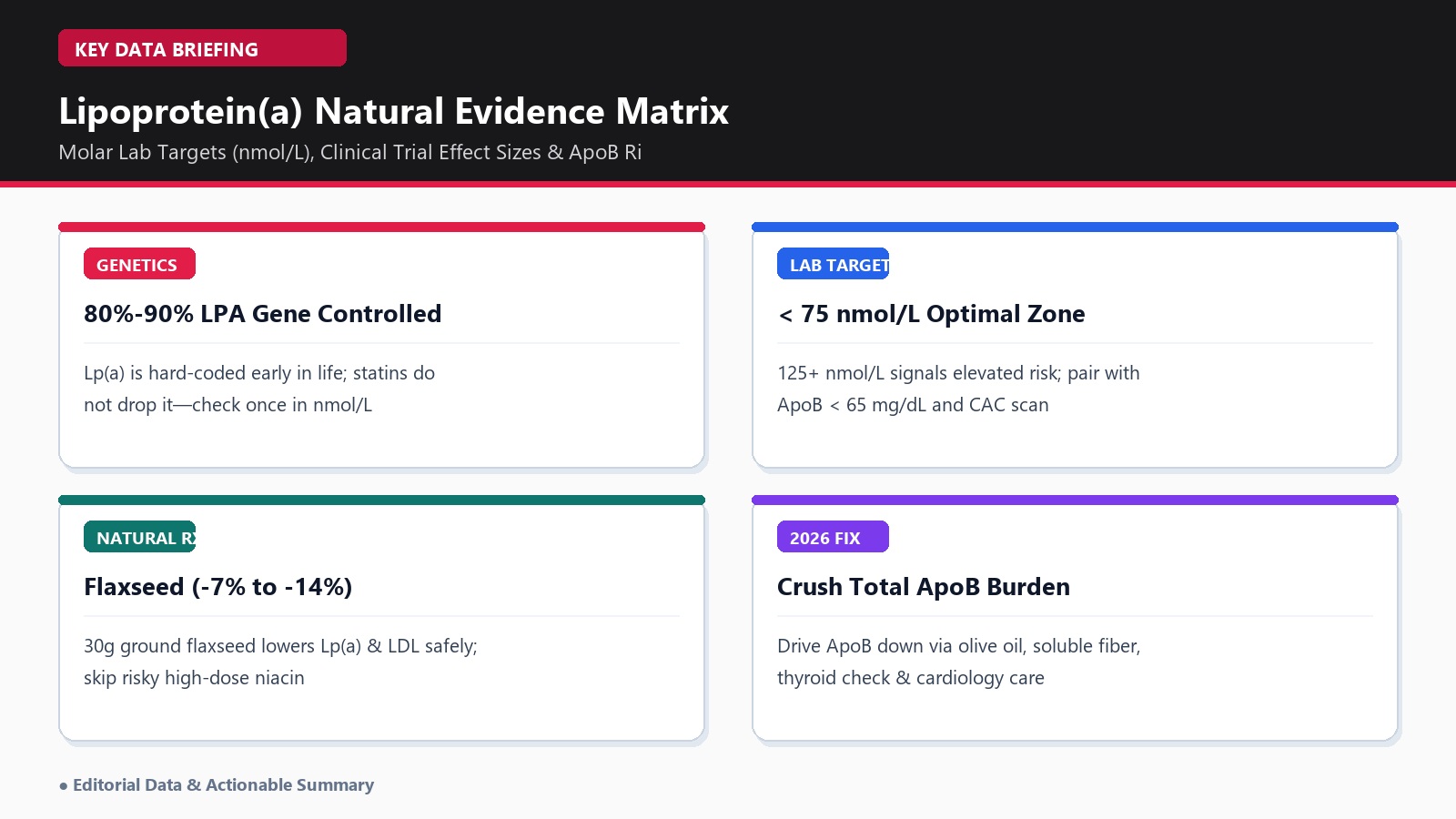
Figure 1: Lipoprotein(a) Clinical Thresholds, Natural Evidence Magnitude & ApoB Risk Offset
4. Why Lowering ApoB & Oxidative Stress Beats Chasing Lp(a) Numbers Alone
Here is the most empowering insight from recent Nature Mendelian randomization studies and the UK Biobank: even when someone inherits high Lp(a) above 150 nmol/L, their lifetime cardiovascular event rate drops dramatically if every modifiable partner risk factor is optimized. Think of high Lp(a) as driving on a wet highway—you cannot dry the road yet, so you slow your speed and replace bald tires.
Notice also the famous dietary saturated fat paradox. Clinical feeding trials show that replacing saturated butter fat with refined carbohydrates can nudge Lp(a) up by 10%, whereas ultra-low-carb diets sometimes dip Lp(a) by 12% while doubling ApoB. Never sacrifice ApoB just to chase a 10% wiggle in Lp(a); instead, replace saturated fat with monounsaturated olive oil, walnuts, viscous soluble fiber, and marine omega-3s.

Figure 2: Anti-Inflammatory Vascular Nutrition — Soluble Oat Beta-Glucan, Walnuts, Pomegranate Polyphenols & Green Tea
5. How to Reduce Lipoprotein(a) Risk in 2026: 4-Step Clinical Protocol & RNA Pipeline
As 2026 closes, targeted RNA therapeutics—including pelacarsen (HORIZON Phase 3), olpasiran, and lepodisiran—are demonstrating 80% to 95% Lp(a) reductions in clinical trials tracked by NIH clinical registries. Until those therapies receive broad approval for primary prevention, execute these four evidence-backed steps immediately.
STEP 01 — MEASURE ONCE
Order Molar Lp(a) + ApoB + CAC
Ask your physician for a molar Lp(a) in nmol/L plus ApoB. If Lp(a) exceeds 125 nmol/L after age 40, request a Coronary Artery Calcium (CAC) CT scan to verify zero silent plaque.
STEP 02 — DAILY NUTRITION
30 g Ground Flax + 10 g Soluble Fiber
Stir 2 tablespoons (30 g) freshly ground flaxseed and 10 g psyllium or oat beta-glucan daily while keeping saturated fat under 7% of total calories to suppress ApoB and LDL oxidation.
STEP 03 — RULE OUT SECONDARY
Fix Hypothyroidism & Kidney Stress
Overt hypothyroidism slows hepatic lipoprotein clearance and elevates Lp(a) artificially by 15%–25%. Check TSH, Free T4, and eGFR; normalizing thyroid hormone often drops secondary Lp(a).
STEP 04 — MEDICAL SYNERGY
Partner With Preventive Cardiology
If CAC > 0 or Lp(a) ≥ 200 nmol/L, discuss ezetimibe, statin therapy, or PCSK9 inhibitors (which cut Lp(a) 20%–30% while slashing LDL-C 55%+) rather than self-medicating with high-dose niacin.
6. Frequently Asked Questions (FAQ): Lipoprotein(a) Natural Reduction
Q1: Can you actually lower lipoprotein(a) naturally with diet and exercise?
Diet and exercise alone usually shift Lp(a) by less than 5% to 15% because liver LPA synthesis is 80%–90% genetically determined. However, regular Zone 2 aerobic exercise and a Mediterranean diet rich in ground flaxseed, polyphenols, and olive oil cut your actual heart-attack risk dramatically by lowering blood pressure, insulin resistance, and ApoB.
Q2: Should I take high-dose niacin to lower my Lp(a) naturally?
No. Although 1,500–2,000 mg of niacin lowers Lp(a) by roughly 20% to 30%, two massive clinical trials (AIM-HIGH and HPS2-THRIVE) proved it failed to prevent heart attacks or strokes while increasing skin flushing, liver enzyme elevation, gut bleeding, and new-onset type 2 diabetes.
Q3: Why did my Lp(a) go up slightly after starting a statin?
Statins upregulate liver LDL receptors, which clear standard LDL particles aggressively but clear Lp(a) poorly—resulting in an average 8% to 20% modest uptick in circulating Lp(a). Major cardiology societies advise continuing prescribed statins because the massive drop in ApoB/LDL far outweighs that small Lp(a) shift.
Q4: Does menopause affect lipoprotein(a) levels in women over 40?
Yes. Endogenous estrogen suppresses hepatic LPA transcription, so Lp(a) often climbs by 15% to 25% across the perimenopause-to-postmenopause transition. Women whose Lp(a) was borderline at age 38 should retest once after menopause.
Q5: How often should I repeat an Lp(a) blood test?
For most adults, once in a lifetime is sufficient because levels remain remarkably stable. Repeat testing makes sense only if your first test landed in the borderline gray zone (75–124 nmol/L), after menopause, during thyroid correction, or when starting PCSK9 or future RNA-targeted therapies.
Related Clinical Protocols & Evidence Guides