

Editor’s 1-Minute Briefing
NIH NIDDK & MATADOR Clinical Protocol (2026)
NIH NIDDK & MATADOR Clinical Protocol (2026)
How to Break a Weight Loss Plateau After 45: Fix Adaptive Thermogenesis Without Crash Cutting
1. Root Cause Definition: A true plateau occurs when scale weight stays flat for 21+ consecutive days despite adherence. After age 45, non-exercise activity thermogenesis (NEAT) quietly drops by 150 to 350 kcal/day while resting energy expenditure adapts downward by 5% to 12%.
2. First-Line 14-Day Fix: Cutting another 400 calories backfires by accelerating lean muscle loss and cortisol water retention. Clinical evidence from the PubMed MATADOR randomized trial shows structured 14-day maintenance diet breaks preserve resting metabolic rate and improve long-term fat loss by 47%.
3. Action Thresholds: Anchor protein at 1.6 g/kg of target body weight, restore daily movement to 8,500–10,000 steps, lift weights 3 times weekly, and get 7+ hours of sleep to flush cortisol-driven water weight within 10 to 14 days.
When the scale freezes for three straight weeks despite eating 1,400 calories and exercising five days a week, slashing food intake further is usually the worst mistake you can make. Learning how to break a weight loss plateau after 45 requires diagnosing which metabolic brake actually engaged before touching your calorie target.
According to NIH NIDDK metabolic research and Mayo Clinic clinical reviews, adults past 45 experience sharper lean mass attrition, perimenopausal or age-related hormone shifts, and unconscious drops in daily fidgeting and walking. Treat a stall like a mechanical diagnostic check: isolate the bottleneck, run a targeted two-week metabolic reset, and restart fat loss safely.
1. Weight Loss Plateau After 45: 5-Cause Diagnostic Troubleshooting Matrix
Before changing your diet, identify which of the five physiological or behavioral culprits is masking your fat loss. Use this clinical diagnostic table to match your symptoms to the exact fix and realistic turnaround timeline.
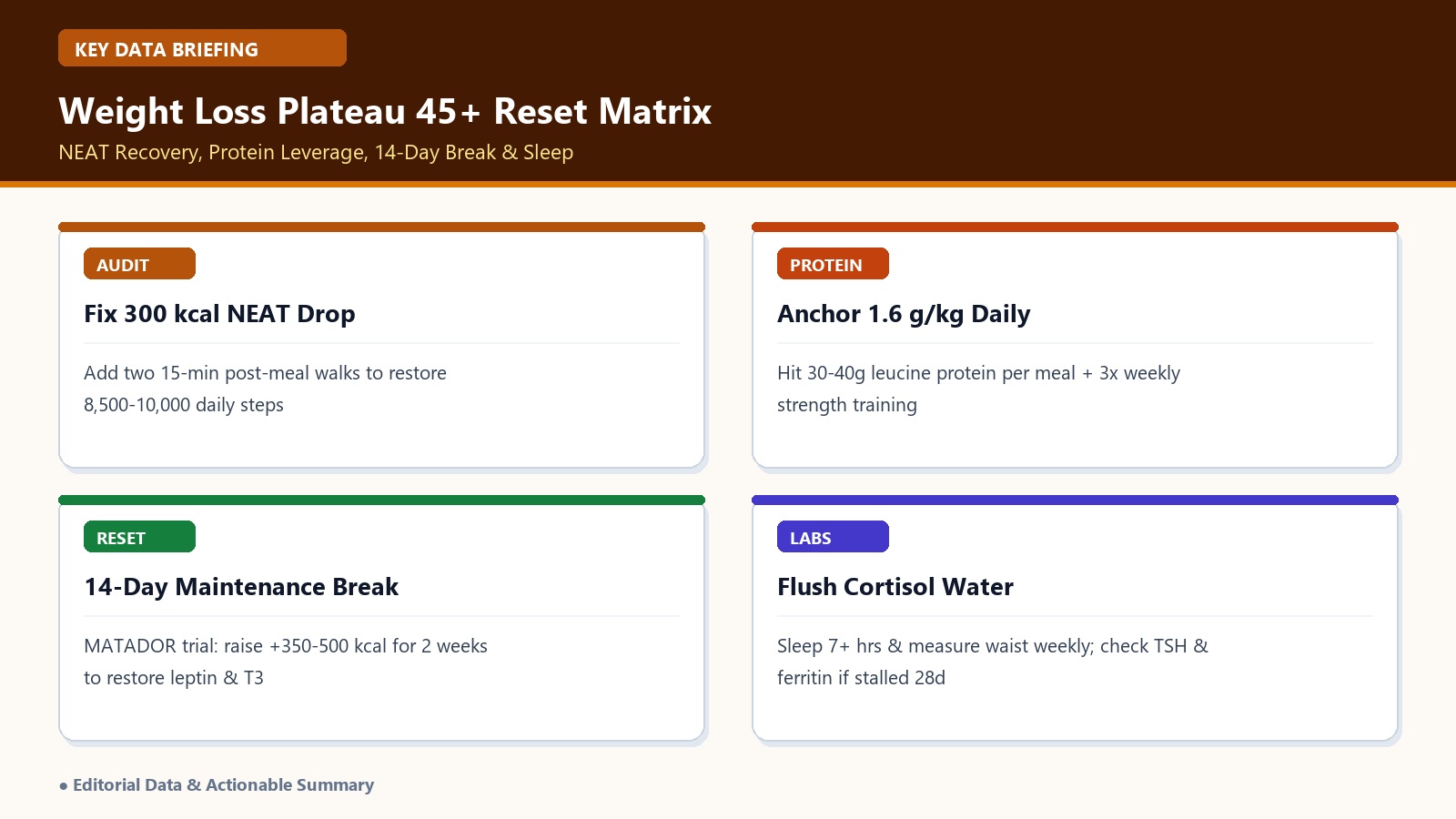
Figure 1: Metabolic Reset Protocol After 45 — Fixing NEAT Drop, Protein Leverage, 14-Day Diet Breaks & Cortisol Flush
2. 4-Step Metabolic Reset Protocol: Break a Weight Loss Plateau After 45 Safely
Execute these four steps in sequence from easiest behavioral audit to full endocrine reset. Most adults over 45 break a stubborn stall within Step 01 or Step 02 without lowering food intake by a single calorie.
STEP 01 — 7-DAY AUDIT
Weigh Dense Fats & Track Rolling Average
Two unmeasured tablespoons of olive oil and a handful of almonds silently add 410 kcal/day—wiping out an entire 300–400 kcal deficit. Weigh oils, nut butters, and cheese for 7 days and track a 7-day rolling morning weigh-in average instead of reacting to single-day sodium spikes.
STEP 02 — NEAT RECOVERY
Lock 8,500–10,000 Daily Steps
When calories stay low, your hypothalamus down-regulates posture shifts and casual walking—costing up to 300 kcal/day. Set a non-negotiable floor of 8,500 steps via three 10-minute walks after meals, which also lowers postprandial glucose spikes by 22% to 30%.
STEP 03 — PROTEIN ANCHOR
Hit 1.6 g/kg Protein + 3x Resistance
Anabolic resistance rises after 45, requiring 30 to 40 g of leucine-rich protein per meal to trigger muscle protein synthesis. High protein carries a 20% to 30% thermic effect of food (TEF)—burning significantly more calories during digestion than dietary fat or refined starch.
STEP 04 — DIET BREAK
Run a 14-Day Maintenance Reset
If you have dieted for 10+ weeks straight, raise intake by 350–500 kcal/day—primarily from complex carbohydrates like oats, potatoes, and berries—for exactly 14 days. This restores leptin and active T3 thyroid signaling before resuming a clean 400 kcal deficit.
3. Metabolic Reset Simulation: Crash Cutting vs. 14-Day Maintenance Break
Consider a 48-year-old adult at 178 lbs whose fat loss stalled after 12 weeks at 1,450 kcal/day. Compare what happens over the next six weeks under an aggressive crash cut versus a structured 14-day metabolic reset protocol.

Figure 2: Preserving Resting Metabolic Rate After 45 — Progressive Kettlebell Resistance & Daily Step Recovery
4. Endocrine & Lifestyle Traps: When a Scale Stall Isn’t Body Fat
During midlife, several medical and circadian variables hold 2 to 5 lbs of extracellular fluid on your frame even while body fat shrinks. Rule out these three clinical blockers before rewriting your nutrition plan.
Clinical Caution: 3 Medical & Hormonal Blockers After Age 45
1. Subclinical Hypothyroidism & Iron Deficit: If TSH creeps above 4.0–4.5 mIU/L or serum ferritin drops below 30 ng/mL, cellular ATP production slows alongside persistent cold intolerance and fatigue. Ask your doctor for a full thyroid panel (TSH, Free T4, Free T3) and ferritin check.
2. Sleep Debt Under 6.5 Hours: A University of Chicago randomized sleep trial found that dieters sleeping 5.5 hours lost 55% less body fat and 60% more lean muscle than dieters sleeping 8.5 hours on identical calories.
3. Perimenopause Estrogen Swings & Medications: Fluctuating progesterone/estradiol, beta-blockers, SSRIs, and evening alcohol all elevate fluid retention and blunt overnight fat oxidation. Measure waist circumference at the navel weekly—a 0.5-inch waist drop confirms real fat loss even when the scale stalls.
5. Frequently Asked Questions (FAQ): How to Break a Weight Loss Plateau After 45
Q1: How long does a true weight loss plateau last versus normal water fluctuation?
Normal glycogen, sodium, and hormonal fluid shifts can stall scale weight for 7 to 14 days even in a valid calorie deficit. Clinicians only diagnose a true weight loss plateau after 21 to 28 consecutive days with zero downward change in your 7-day rolling weight average and zero reduction in waist circumference.
Q2: Can eating more calories for two weeks really break a weight loss stall?
Yes—provided you return strictly to calculated maintenance calories rather than uncontrolled binge eating. Raising intake by 350–500 kcal/day for 14 days lowers elevated cortisol, restores leptin and active T3 hormone output, and sparks a sudden 2–3 lb water “whoosh” within days of restarting your moderate deficit.
Q3: Should I add more cardio or lift heavier weights to break a plateau after 45?
Prioritize 3 sessions/week of progressive resistance training paired with low-stress daily walking (8,500–10,000 steps). Adding excessive high-intensity cardio while under-eating spikes cortisol, increases joint soreness, and causes you to sit motionless the rest of the day—canceling out the extra treadmill burn.
Q4: Why do I hit a weight loss plateau on GLP-1 medications like semaglutide or tirzepatide?
As body weight falls by 10% to 15%, your daily energy requirement shrinks automatically by 250–400 kcal, and severe appetite suppression often drops protein below 60 g/day—accelerating muscle loss. Recalculate your smaller body’s calorie target, enforce 1.6 g/kg protein, and add resistance training before asking your physician about dose titration.
Q5: Which blood tests should I ask my doctor for if my weight stays stuck for over a month?
Request a morning fasting panel covering TSH with Free T4, fasting insulin and HbA1c, ferritin, 25(OH) Vitamin D, and a Comprehensive Metabolic Panel (CMP). If you are over 45 with stubborn fatigue or night sweats, adding morning total/free testosterone or perimenopausal hormone review helps uncover treatable metabolic resistance.
Related Clinical Protocols & Evidence Guides
Medical Disclaimer: This article is for educational purposes only and does not replace individualized medical care. Calorie adjustments, resistance exercise, and metabolic lab testing should be tailored to your medical history, thyroid status, kidney function, and prescription medications with a licensed physician.