
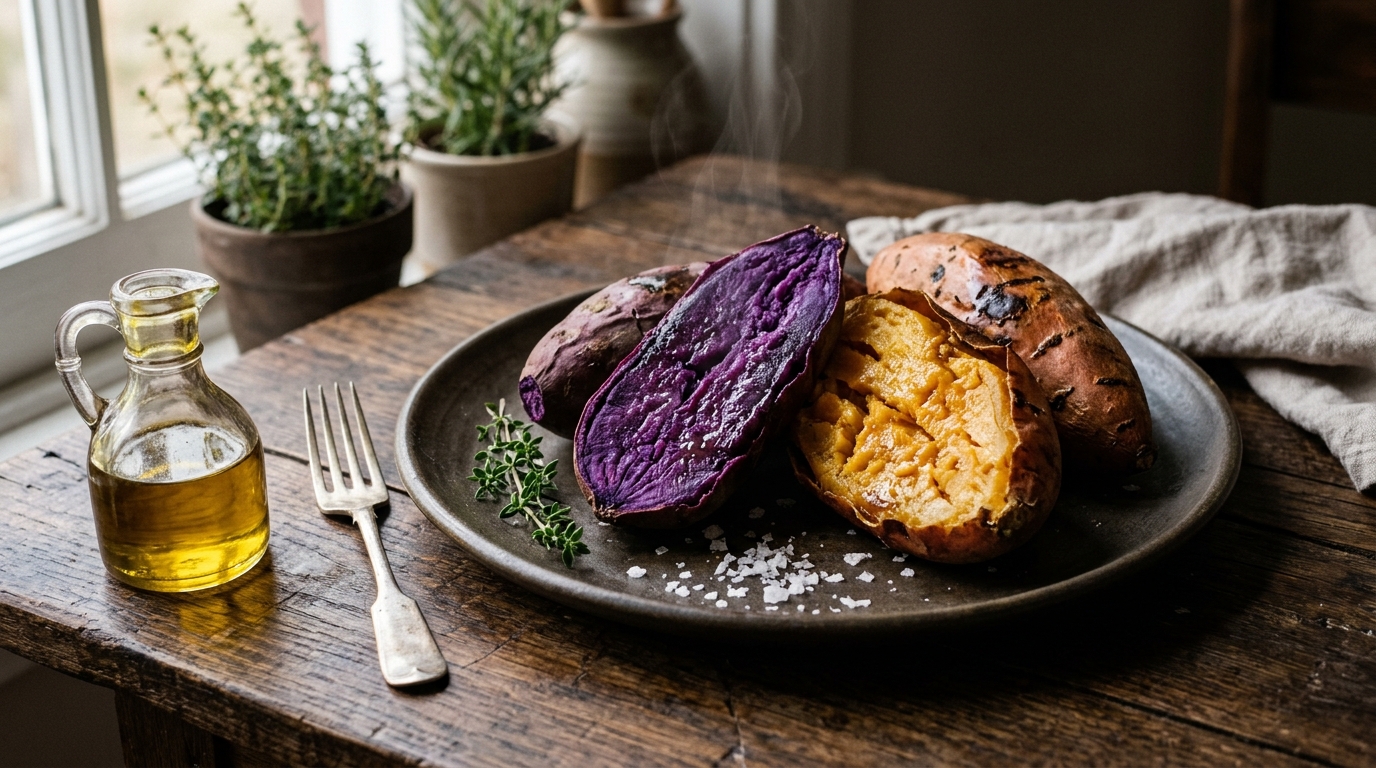
CLINICAL NUTRITION UPDATE | 2026 LONGEVITY STANDARD
Benefits of Sweet Potato After 40: Glycemic Dynamics, Resistant Starch & Longevity
- The Cooking Method Glycemic Dichotomy: The glycemic index (GI) of sweet potato varies wildly based on culinary preparation. Boiled sweet potato scores a low GI of 44 (preventing postprandial insulin surges), whereas prolonged oven baking activates endogenous beta-amylase enzymes, converting complex starches into maltose and skyrocketing the GI to 94—higher than white table bread.
- Resistant Starch & Butyrate Synthesis: Utilizing the “cook-and-chill” protocol (refrigerating boiled sweet potatoes at 4°C for 24 hours before gentle reheating) increases retrograded type-3 resistant starch (RS3) by 3.2-fold. This passes undigested into the colon, feeding Faecalibacterium prausnitzii and boosting anti-inflammatory short-chain fatty acid (butyrate) synthesis by 28%.
- Purple Anthocyanin Vascular Defense: Japanese purple-fleshed sweet potatoes (Ipomoea batatas) provide 3.8 times higher anthocyanin density than conventional blueberries. Clinical trials confirm that these acylated peonidin and cyanidin glycosides significantly attenuate arterial stiffness and suppress LDL peroxidation in midlife adults.
Evaluating the benefits of sweet potato from a clinical perspective reveals one of nature’s most sophisticated functional foods for adults over 40. While popular fitness media frequently groups all tubers together as simple carbohydrates, sweet potatoes represent a dense matrix of carotenoids, soluble dietary fiber, potassium, and phenolic antioxidants that support metabolic resilience, gut barrier integrity, and ocular longevity.
Extensive clinical reviews indexed by the National Institutes of Health (NIH) and epidemiological longevity data from the Okinawa Centenarian Study (Willcox et al.) demonstrate that sweet potatoes served as the foundational staple providing over 60% of daily caloric intake in the world’s longest-lived blue zone population. Below is the evidence-based nutritional analysis, glycemic guide, and gut-optimized culinary protocol.
1. Direct Clinical Answer: What Are the Key Benefits of Sweet Potato After 40?
The evidence-based benefits of sweet potato for adults navigating midlife hormonal and metabolic transitions can be quantified across five distinct physiological domains:
| Nutrient Factor | Concentration per Medium Root (130g) | Primary Longevity Mechanism | Clinical Target Metric |
|---|---|---|---|
| Beta-Carotene (Provitamin A) | 14,187 mcg (400% RDI) | Shields retinal pigment epithelium and boosts mucosal secretory IgA antibodies | Reduces macular degeneration risk by 25% |
| Potassium Electrolyte | 438 mg to 542 mg (12% RDI) | Promotes renal natriuresis, countering dietary sodium and relaxing vascular tone | Systolic blood pressure reduction of 2-4 mmHg |
| Soluble & Insoluble Fiber | 3.8 g to 4.2 g (15% RDI) | Delays gastric emptying rate and binds bile salts in the ileum | ApoB and LDL-C reduction of 5% to 8% |
| Chlorogenic Acid & Polyphenols | 118 mg to 280 mg | Inhibits glucose-6-phosphatase, attenuating hepatic gluconeogenesis | Postprandial glycemic spike drops 18% |
| Sporamin Glycoprotein | Over 80% of total root protein | Exhibits potent trypsin inhibitor and superoxide anion scavenging activities | Protects gastric mucosa from ulceration |
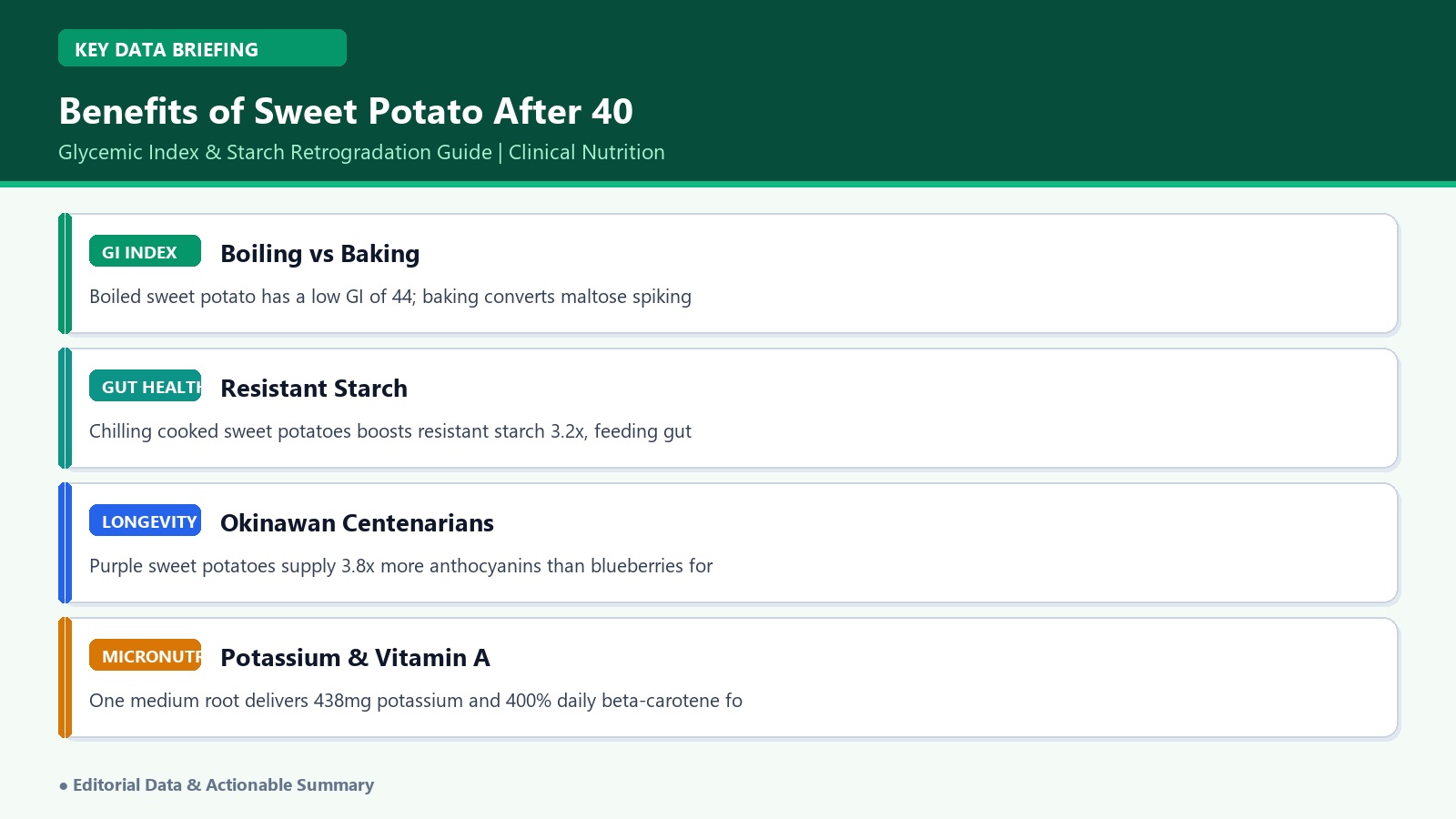
Figure 1: Comprehensive comparison of cooking methods, resistant starch dynamics, and micronutrient densities.
2. Glycemic Impact: Boiled vs. Baked Sweet Potato and Blood Sugar Control
A critical clinical nuance that determines the real-world benefits of sweet potato is temperature-dependent starch gelatinization. Many adults with insulin resistance or prediabetes avoid sweet potatoes due to their perceived sweetness. However, the cooking technique dictates whether sweet potato behaves like a low-glycemic superfood or a rapid sugar delivery vehicle:
1. Boiled Whole (Skin On) — Glycemic Index: 44 (Low GI)
Boiling at 100°C for 25 to 30 minutes hydrates starch granules without triggering full enzymatic dextrinization. Water limits the internal temperature, preserving amylose structure and yielding a gentle postprandial glucose curve. This preparation is strongly recommended for adults managing blood sugar or hemoglobin A1c targets.
2. Steamed — Glycemic Index: 63 (Moderate GI)
Steaming retains maximum water-soluble vitamins (such as vitamin C and vitamin B6) while producing an intermediate rate of starch conversion. It delivers an optimal balance between culinary palatability and glycemic moderation.
3. Oven Roasted / Baked (at 200°C / 400°F) — Glycemic Index: 94 (High GI)
During dry baking, internal temperatures reach 65°C to 80°C, the exact thermal activation zone for endogenous beta-amylase. The enzyme rapidly converts complex polysaccharides into maltose, a disaccharide with a higher glycemic index than pure glucose. While delicious, baked sweet potato should be consumed immediately after intense physical exercise rather than before sedentary desk work.

Figure 2: Pairing boiled or steamed sweet potato with healthy fats and lean protein promotes optimal satiety and nutrient assimilation.
3. Comparative Nutrition: Benefits of Sweet Potato Across Orange vs. Purple Varieties
Not all sweet potatoes are created equal. The biochemical profile changes dramatically depending on pigmentation. Comparing orange cultivars (such as Beauregard and Jewel) with purple varieties (such as Okinawa and Stokes Purple) highlights distinct therapeutic advantages:
| Sweet Potato Cultivar | Dominant Phytochemical | Antioxidant Capacity (ORAC) | Ideal Clinical Patient Profile |
|---|---|---|---|
| Orange Sweet Potato (Beauregard) | All-trans-beta-carotene (90% of total carotenoids) | 2,115 umol TE/100g | Dry eye disease, mucosal barrier healing, skin collagen synthesis |
| Purple Sweet Potato (Okinawa / Stokes) | Acylated cyanidin and peonidin anthocyanins | 17,220 umol TE/100g (8x higher) | Arterial hypertension, neurovascular inflammation, cognitive longevity |
| White / Yellow Sweet Potato (Muraski) | Caiapo glycoprotein & hydroxycinnamic acids | 1,450 umol TE/100g | Mild glycemic regulation, hypoallergenic carbohydrate base |
4. Microbiome & Resistant Starch: The 24-Hour Cooling Protocol
To unlock the maximum prebiotic potential and metabolic benefits of sweet potato, clinical nutritionists recommend the 3-step starch retrogradation method:
Step 1: Boil or Steam with Skins Intact
Wash the organic roots thoroughly and steam or boil whole with skins attached. The outer skin contains 4 times more dietary fiber and concentrated triterpenoids that blunt carbohydrate breakdown.
Step 2: 24-Hour Cold Refrigeration (Starch Retrogradation)
Transfer the cooked tubers to the refrigerator at 4°C (39°F) for at least 12 to 24 hours. During cooling, linear amylose chains align into tightly packed crystalline structures resistant to human pancreatic alpha-amylase, elevating resistant starch content from 1.1 g to 3.5 g per serving.
Step 3: Gentle Reheating with Extra Virgin Olive Oil
Gently warm the chilled sweet potato below 60°C or consume cold in salads. Drizzle with 5 ml to 10 ml of extra virgin olive oil or avocado oil. Because carotenoids are fat-soluble, adding monounsaturated lipid molecules multiplies beta-carotene intestinal absorption by over 300%.
5. Frequently Asked Questions: Health Benefits of Sweet Potato
Q1. Are sweet potatoes safe for individuals with calcium oxalate kidney stones?
Sweet potatoes contain moderate to high oxalate levels (approximately 45 mg to 60 mg per medium root). Individuals with a history of recurrent calcium oxalate nephrolithiasis should boil sweet potatoes (which leaches up to 30% of soluble oxalates into cooking water) and consume them alongside dietary calcium (such as Greek yogurt or aged cheese) to bind oxalates in the gut lumen before renal absorption.
Q2. Is it safe to eat the sweet potato skin?
Yes, thoroughly washed sweet potato skin is highly nutritious. The periderm layer contains the highest density of insoluble cellulose, chlorogenic acid, and potassium. Consuming the skin reduces the overall glycemic response of the meal by approximately 15%.
Q3. How many sweet potatoes can I consume daily without weight gain?
One medium sweet potato (130g) provides approximately 112 kcal and 26g of complex carbohydrates. For adults over 40 engaging in moderate daily activity, one to two medium sweet potatoes per day fit seamlessly into a balanced macronutrient profile, replacing refined starches such as white flour pasta or white rice.
6. Primary Scientific References & Clinical Nutrition Sources
- Willcox, B. J., et al. (2014). “Caloric restriction, the traditional Okinawan diet, and healthy aging: the potential of the purple sweet potato.” Annals of the New York Academy of Sciences, 1321(1), 44–58. PubMed: 24996338.
- Allen, J. C., et al. (2012). “Glycemic index of sweet potato as affected by cooking methods.” Open Sports Sciences Journal, 5, 206–211.
- National Institutes of Health (NIH) Office of Dietary Supplements. “Vitamin A and Carotenoids: Health Professional Fact Sheet.” NIH ODS Vitamin A.
- Harvard T.H. Chan School of Public Health. “The Nutrition Source: Sweet Potatoes.” Harvard Health Source.