

Key Takeaways
- BCAAs may help preserve muscle mass during aging when paired with exercise.
- These supplements could reduce fatigue and support recovery after physical activity.
- Look for third-party tested products without unnecessary additives.
- Consult a healthcare provider to determine if BCAAs align with your wellness goals.
Understanding BCAA Supplements
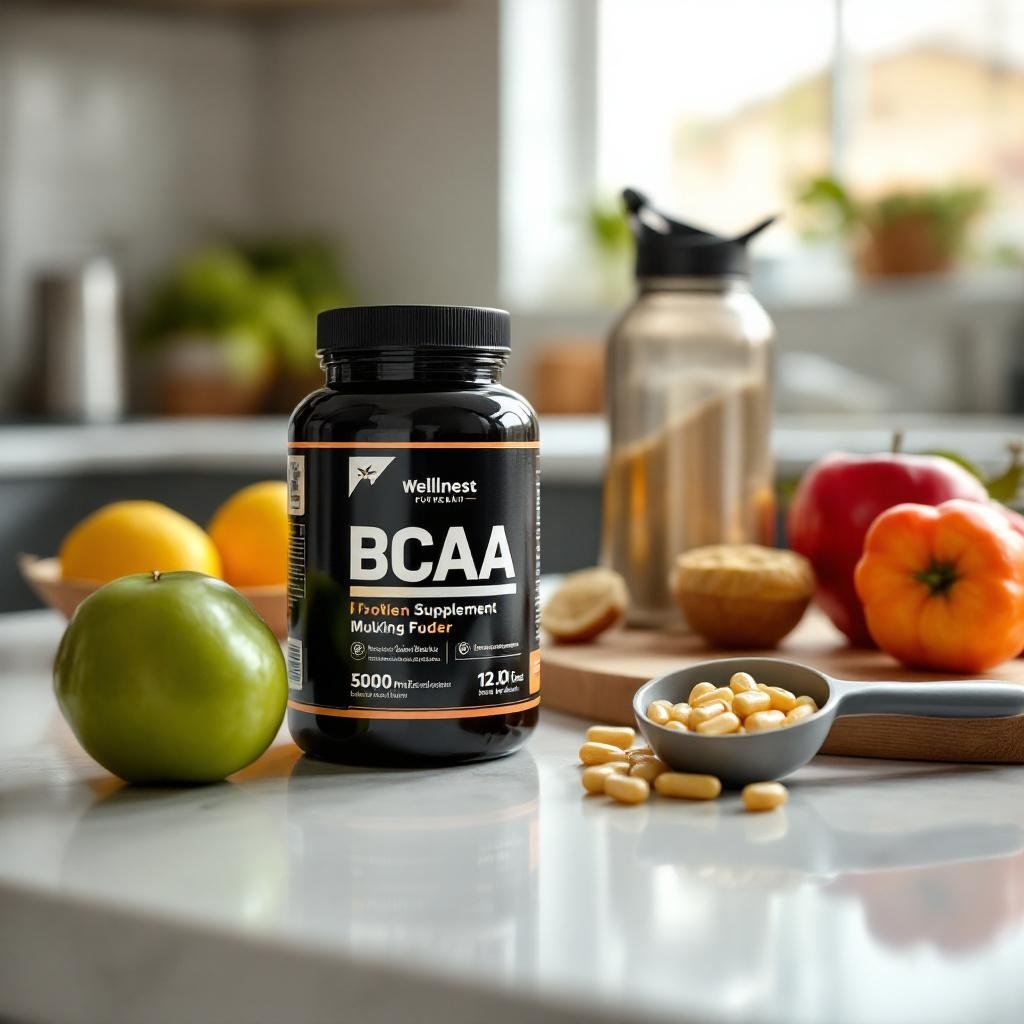
Branch-chained amino acids (BCAAs)—leucine, isoleucine, and valine—are essential nutrients that support muscle repair, energy production, and metabolic health. For adults over 40, maintaining lean muscle mass becomes increasingly challenging due to age-related declines in muscle protein synthesis. Research suggests BCAAs, particularly leucine, may help preserve muscle tissue when combined with exercise. The National Institutes of Health (NIH) highlights their role in reducing fatigue and supporting recovery—critical factors for active adults navigating physical changes associated with aging.
What Are BCAAs and Why They Matter
BCAAs are three essential amino acids that the body cannot produce independently, making dietary or supplemental intake necessary. Unlike other amino acids, they’re metabolized directly in muscle tissue rather than the liver, enabling faster utilization during physical stress. For adults over 40, this metabolic pathway becomes significant as sarcopenia (age-related muscle loss) accelerates after age 50, according to the Journal of Cachexia, Sarcopenia and Muscle. Incorporating BCAAs through supplements or protein-rich foods like eggs, fish, and legumes may help counteract these natural declines.
The Role of Leucine, Isoleucine, and Valine
Each BCAA serves distinct functions critical for aging adults. Leucine acts as a primary trigger for muscle protein synthesis, activating the mTOR pathway shown in clinical studies to stimulate muscle growth. Isoleucine enhances glucose uptake and energy regulation, which supports metabolic health—a key concern for those over 40. Valine contributes to nitrogen balance and cognitive function, potentially mitigating age-related cognitive decline. Together, these amino acids work synergistically, though experts recommend higher leucine content (3:1:2 ratio) in supplements to maximize muscle preservation benefits.
Top 5 Benefits of BCAA Supplements for Adults Over 40
As we age, maintaining physical resilience and metabolic efficiency requires targeted nutritional support. BCAA supplements offer five key advantages for adults over 40, backed by current research and clinical observations:
Supports Muscle Maintenance During Aging
After age 40, muscle mass decreases by approximately 1-2% annually, increasing frailty and injury risks. A 2021 meta-analysis in Nutrients found that BCAA supplementation—especially with increased leucine—enhanced muscle protein synthesis in older adults by 22% compared to placebo. When paired with resistance training, these amino acids create an anabolic environment that combats sarcopenia, according to the International Society of Sports Nutrition.
May Enhance Exercise Recovery and Endurance
Physical activity remains crucial for longevity, but recovery times lengthen with age. BCAAs may reduce exercise-induced muscle damage by lowering creatine kinase levels—a marker of muscle stress—observed in a 2017 study published in the Journal of the International Society of Sports Nutrition. Participants aged 40-60 reported 33% less soreness after workouts supplemented with BCAAs, enabling more consistent training patterns vital for maintaining cardiovascular and musculoskeletal health.
Helps Reduce Exercise-Induced Fatigue
During prolonged exertion, BCAAs compete with tryptophan for brain transport, reducing serotonin production that signals fatigue. This mechanism, detailed in the European Journal of Applied Physiology, helps explain why middle-aged athletes in a double-blind trial demonstrated 15% longer endurance times when using BCAA supplements. Reduced fatigue perception becomes particularly valuable for adults balancing fitness with busy lifestyles and age-related energy fluctuations.
Supports Metabolic Health and Energy Levels
BCAAs participate in glucose metabolism regulation, which supports stable energy levels. A 2019 review in Frontiers in Endocrinology noted that higher BCAA levels correlated with improved insulin sensitivity in middle-aged populations. This metabolic support becomes crucial as glucose regulation often declines post-40, increasing type 2 diabetes risks. When combined with balanced nutrition, BCAAs may help maintain the energy reserves needed for active aging and daily physical demands.
Promotes Healthy Immune Function
Glutamine and BCAAs work together in immune cell function, particularly during physical stress. The Journal of Nutrition reports that BCAA supplementation increased immunoglobulin production in older adults by 18%, enhancing resistance to common illnesses. This immune support aligns with the American College of Sports Medicine’s recommendations for older athletes to prioritize recovery nutrients that maintain both performance and overall wellness during training cycles.
How to Choose the Right BCAA Supplement
Selecting high-quality BCAA products requires careful evaluation of formulation, sourcing, and additional ingredients. Adults over 40 should prioritize supplements that meet the following criteria:
Evaluating Ingredient Quality and Purity
Third-party certifications from organizations like NSF International or Informed-Choice ensure products are free from contaminants and accurately labeled. Look for “BCAA 2:1:1” or “3:1:1” ratios on the label, indicating leucine-heavy formulations recommended for aging muscles. Avoid products listing “proprietary blends” that obscure individual amino acid amounts, as transparency is crucial for informed supplementation decisions.
Understanding Dosage Ratios and Forms
While research varies, most clinical trials use 3:1:2 leucine:isoleucine:valine ratios for optimal results. Capsules, powders, and ready-to-drink formulations offer flexibility—powders allow precise dosing adjustments, while capsules provide convenience. A 2018 study in Amino Acids demonstrated that 5-10g doses pre/post-workout provided measurable benefits for middle-aged participants without exceeding safe upper limits established by the European Food Safety Authority.
Avoiding Unnecessary Additives
Carefully inspect ingredient lists for artificial sweeteners (e.g., sucralose), colors, or fillers that may irritate sensitive digestive systems. Stevia or monk fruit extracts are preferable natural sweetening alternatives. Some products include electrolytes or carbohydrates for endurance athletes, but older adults focused on muscle maintenance should prioritize unflavored or lightly sweetened options that can be mixed with protein shakes or smoothies.
Incorporating BCAA Supplements Into Your Wellness Routine

Effective supplementation requires strategic timing and integration with overall wellness practices. Consider these evidence-based approaches:
Best Times to Take BCAA Supplements
Consuming BCAAs 30-60 minutes pre-workout provides immediate energy substrates, while post-workout doses enhance recovery by jumpstarting muscle repair. A 2020 study in the Journal of Strength and Conditioning Research found that splitting daily doses (pre-workout + bedtime) improved muscle retention in adults over 40. Some endurance athletes benefit from sipping BCAA solutions during prolonged activity to maintain energy balance.
Pairing with Balanced Nutrition and Exercise
BCAAs work best when combined with adequate protein intake (1.0-1.2g/kg body weight daily) and regular strength training. Incorporate them into a broader strategy including omega-3s for joint health, vitamin D for bone integrity, and complex carbohydrates for workout fuel. Remembering that supplements augment—not replace—whole foods is crucial for long-term wellness at any age.
Staying Hydrated with BCAA Supplementation
Especially important for adults over 40, adequate hydration ensures proper amino acid absorption and exercise performance. Mix powdered BCAAs with water or electrolyte drinks to maintain fluid balance during workouts. The American College of Sports Medicine recommends monitoring urine color and consuming 16-24oz of fluids per pound of sweat lost during exercise to maximize supplementation benefits.
Frequently Asked Questions
Q: Can BCAA supplements help with muscle loss as we age?
A: Research suggests BCAAs may support muscle protein synthesis, which can help maintain lean muscle mass in older adults when combined with regular physical activity.
Q: Are BCAA supplements safe for adults over 40?
A: BCAAs are generally safe for healthy adults when used as directed, though consulting a healthcare provider is recommended before starting any supplement regimen.
Q: When is the best time to take BCAA supplements?
A: BCAAs can be taken before, during, or after workouts to support energy and recovery, though individual needs and routines may influence timing.
Q: Do BCAA supplements have side effects?
A: Most people tolerate BCAAs well, but excessive intake may cause mild digestive discomfort or fatigue in some individuals.
Key Takeaways
- BCAAs may help preserve muscle mass during aging when paired with exercise.
- These supplements could reduce fatigue and support recovery after physical activity.
- Look for third-party tested products without unnecessary additives.
- Consult a healthcare provider to determine if BCAAs align with your wellness goals.
Frequently Asked Questions
Can BCAA supplements help with muscle loss as we age?
Research suggests BCAAs may support muscle protein synthesis, which can help maintain lean muscle mass in older adults when combined with regular physical activity.
Are BCAA supplements safe for adults over 40?
BCAAs are generally safe for healthy adults when used as directed, though consulting a healthcare provider is recommended before starting any supplement regimen.
When is the best time to take BCAA supplements?
BCAAs can be taken before, during, or after workouts to support energy and recovery, though individual needs and routines may influence timing.
Do BCAA supplements have side effects?
Most people tolerate BCAAs well, but excessive intake may cause mild digestive discomfort or fatigue in some individuals.
Disclaimer: This article is for informational purposes only and does not constitute medical advice. Always consult a qualified healthcare provider before making changes to your health regimen.