

Key Takeaways
- Research different sleep aid types before choosing
- Prioritize non-habit-forming options
- Consult healthcare professionals for personalized guidance
- Combine aids with healthy sleep hygiene practices
Types of Sleep Aids Available in Australia
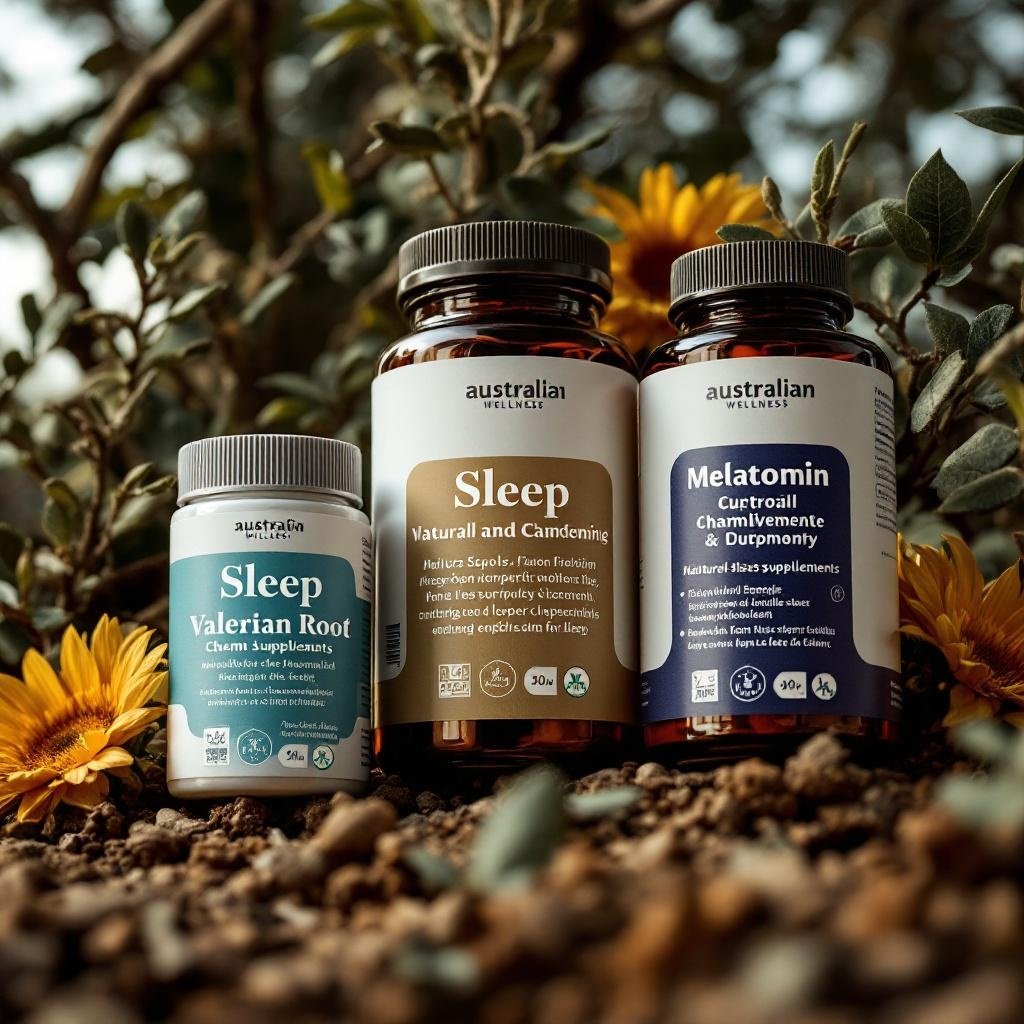
Australia offers a range of sleep aids for adults over 40, from over-the-counter (OTC) medications to prescription drugs, natural supplements, and sleep-tracking technology. OTC options like antihistamines may help with occasional insomnia, while doctors may prescribe medications such as z-drugs for short-term relief. Natural alternatives like valerian root and melatonin supplements are widely available, and devices like smartwatches or dedicated sleep monitors can track sleep patterns to identify improvements.
Over-the-Counter Options
Non-prescription sleep aids in Australia often contain antihistamines, such as diphenhydramine, which induce drowsiness. These are best for temporary use due to potential side effects like grogginess. Look for products with TGA (Therapeutic Goods Administration) approval to ensure safety. OTC options also include combination supplements with ingredients like melatonin, magnesium, or herbal extracts, though efficacy can vary.
Prescription Medications
For chronic insomnia, doctors in Australia may prescribe medications like zolpidem, zopiclone, or benzodiazepines. These are typically reserved for short-term use due to risks of dependency and withdrawal. Prescriptions are regulated under the Pharmaceutical Benefits Scheme (PBS), requiring a consultation with a GP to assess appropriateness and monitor usage.
Natural Supplements
Herbal remedies and supplements are popular among mature adults seeking non-pharmacological solutions. Valerian root, passionflower, and chamomile have historical use for sleep support, while melatonin supplements align with the body’s natural circadian rhythms. Current research suggests modest benefits for some individuals, but effects can vary. Always check with a healthcare provider before starting supplements to avoid interactions with existing medications.
Sleep Tracking Devices
Tech-driven solutions like wearable fitness trackers (e.g., Fitbit, Apple Watch) or dedicated sleep monitors (e.g., Withings, Dreem) provide insights into sleep cycles, duration, and disturbances. These devices can motivate habit changes by highlighting trends over time. While not a treatment, they complement other sleep strategies by offering data to refine routines.
Natural Sleep Solutions for Mature Adults
Non-invasive approaches often provide safer, long-term benefits. Herbal remedies, mindfulness practices, and melatonin optimization are key strategies for improving sleep quality without reliance on medications.
Herbal Remedies Like Valerian Root
Valerian root, a traditional sedative, may reduce the time it takes to fall asleep, according to some studies. A 2017 review in *Sleep Medicine Reviews* noted potential benefits for mild insomnia, though results are mixed. Other herbs like ashwagandha or lemon balm are also used, but quality and potency can vary. Always choose TGA-registered products and consult a practitioner to ensure suitability.
Melatonin Supplements
Melatonin, a hormone regulating sleep-wake cycles, is available in Australia as a low-dose supplement. Research indicates it may help jet lag or shift work-related sleep disruption more effectively than chronic insomnia. Start with the lowest dose (0.5-1mg) under medical guidance to avoid side effects like daytime drowsiness. Time-release formulations may benefit those struggling with sleep maintenance.
Mindfulness and Relaxation Techniques
Practices like yoga, tai chi, and guided meditation reduce stress, a common contributor to sleep issues. A 2021 study in *JAMA Internal Medicine* found mindfulness training improved sleep quality in middle-aged adults. Progressive muscle relaxation and deep breathing exercises activate the parasympathetic nervous system, promoting restfulness. Apps like Headspace or Calm offer accessible tools tailored to mature users.
Where to Buy Trusted Sleep Aids in Australia

Reputable pharmacies such as Chemist Warehouse, Priceline, and TerryWhite Chemmart stock OTC sleep aids, supplements, and sleep hygiene products. Online retailers like iHerb and Amazon Australia provide TGA-approved options with customer reviews for transparency. For prescription medications, consult a GP and use PBS-registered pharmacies to ensure affordability and authenticity.
Expert Tips for Using Sleep Aids Safely
Using sleep aids responsibly minimizes risks and enhances outcomes. Prioritize informed, cautious approaches to support long-term well-being.
Reading Labels Carefully
Paying attention to ingredient lists, dosages, and warnings is crucial. OTC medications may interact with other drugs or exacerbate conditions like high blood pressure. Supplements are not regulated as strictly as pharmaceuticals, so verify third-party certifications (e.g., AUST R number for TGA-registered products) to ensure quality and safety.
Avoiding Dependency Risks
Short-term use of OTC or prescription aids is key to preventing dependency. Habit-forming medications like benzodiazepines should only be used under medical supervision. Natural supplements are generally lower risk but still require cautious, guided use. Rotating strategies (e.g., alternating between melatonin and relaxation techniques) may reduce reliance on any single method.
Combining Aids with Healthy Sleep Habits
Maximize effectiveness by pairing aids with good sleep hygiene. Maintain consistent bedtimes, limit screen exposure before bed, and create a cool, dark sleep environment. Avoid caffeine after noon and incorporate daytime physical activity to reinforce natural sleep cycles.
When to Consult a Doctor About Sleep Issues
Persistent sleep problems lasting more than three weeks warrant professional evaluation. A GP can rule out underlying causes like sleep apnea, restless leg syndrome, or hormonal imbalances. Sleep clinics in Australia offer polysomnography testing for accurate diagnosis. Early intervention is crucial, as chronic insomnia is linked to increased risks of cardiovascular disease and cognitive decline in older adults.
Frequently Asked Questions
Are sleep aids safe for long-term use?
MOST sleep aids are designed for short-term use. Always consult your doctor before long-term use to assess potential risks and alternatives.
Do natural sleep aids work effectively?
Research suggests some natural options may help improve sleep quality. Individual results can vary, so consult a healthcare professional for personalized advice.
Where can I buy trusted sleep aids in Australia?
Pharmacies like Chemist Warehouse, online retailers like iHerb, and healthcare providers offer quality-assured options. Check for TGA approval where relevant.
Can I combine different sleep aids?
Combining sleep aids may increase side effect risks. Always discuss combination use with your doctor to ensure safety and effectiveness.
Key Takeaways
- Research different sleep aid types before choosing
- Prioritize non-habit-forming options
- Consult healthcare professionals for personalized guidance
- Combine aids with healthy sleep hygiene practices
Frequently Asked Questions
Are sleep aids safe for long-term use?
Most sleep aids are designed for short-term use. Always consult your doctor before long-term use to assess potential risks and alternatives.
Do natural sleep aids work effectively?
Research suggests some natural options may help improve sleep quality. Individual results can vary, so consult a healthcare professional for personalized advice.
Where can I buy trusted sleep aids in Australia?
Pharmacies like Chemist Warehouse, online retailers like iHerb, and healthcare providers offer quality-assured options. Check for TGA approval where relevant.
Can I combine different sleep aids?
Combining sleep aids may increase side effect risks. Always discuss combination use with your doctor to ensure safety and effectiveness.
Disclaimer: This article is for informational purposes only and does not constitute medical advice. Always consult a qualified healthcare provider before making changes to your health regimen.