

Key Takeaways
- Prioritize moisturizing routines with ingredients like shea butter
- Incorporate indoor workouts like yoga or resistance training
- Maintain social connections through digital platforms
- Focus on nutrient-dense foods with seasonal produce
Winter Skin Care for Black Women
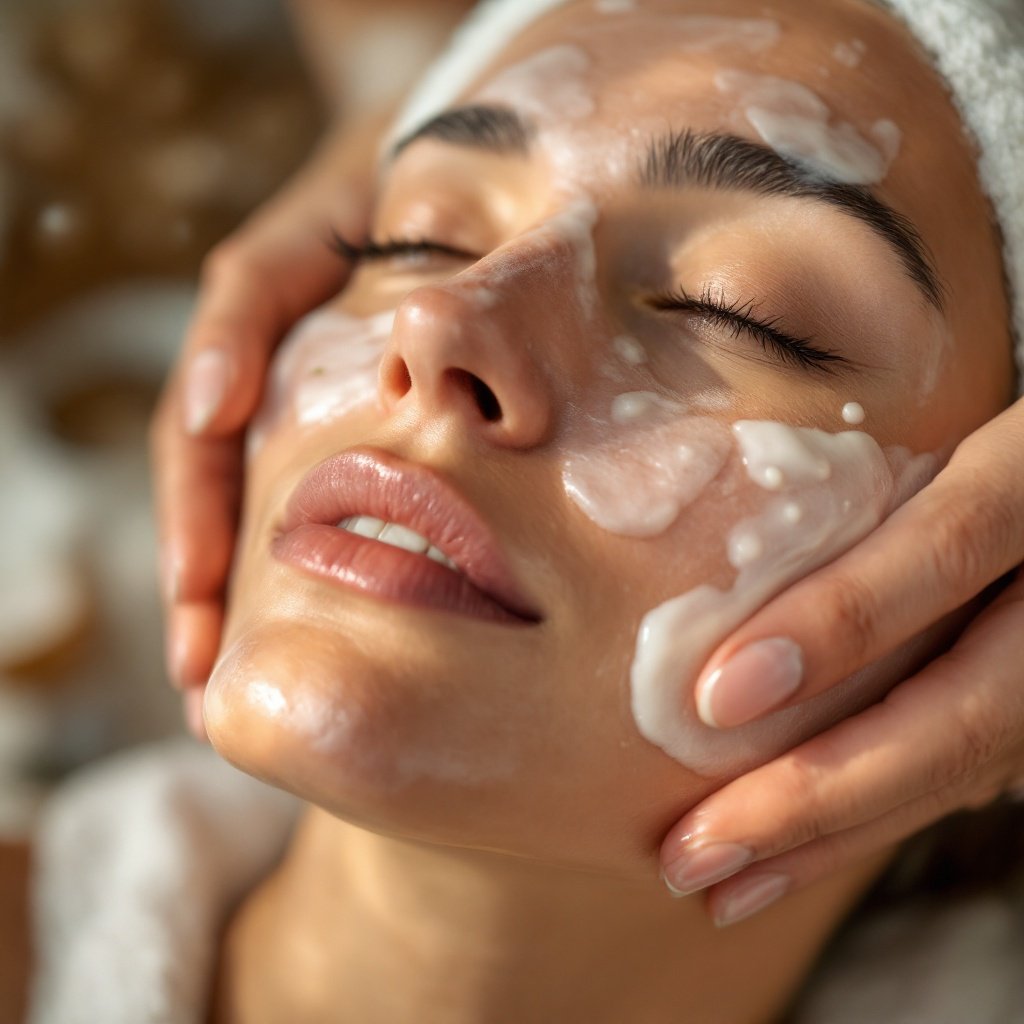
For Black women over 40, winter presents unique challenges for maintaining healthy skin. Cold temperatures, low humidity, and indoor heating can strip natural oils, leading to dryness, flakiness, and compromised skin barriers. Research shows that melanin-rich skin may retain less moisture due to structural differences in the stratum corneum, making proactive care essential. Prioritizing hydration, protection, and gentle routines can preserve skin health all season.
Combatting Dryness & Flakiness
Black women often experience more significant transepidermal water loss due to lower ceramide levels, according to a 2023 study in the *Journal of Investigative Dermatology*. This makes winter dryness especially stubborn. Start with a hydrating cleanser that avoids sulfates, which can further deplete moisture. After cleansing, apply a ceramide-rich moisturizer within three minutes to seal in hydration. Ingredients like shea butter, hyaluronic acid, and glycerin create a protective barrier while attracting water to the skin.
Avoid over-exfoliating, even if flakiness occurs. Instead of physical scrubs, opt for chemical exfoliants containing lactic acid or enzymes once a week. These gently dissolve dead skin cells without irritation. For severe dryness, apply a thick ointment or balm overnight. Products with petrolatum may help, but patch-test first to ensure compatibility. Layering moisturizers—essentially applying a serum followed by a cream—can also enhance hydration, as dermatologists note this technique boosts absorption.
Protecting Skin from Harsh Weather
Braving winter winds and icy temperatures requires defensive strategies. Always wear a scarf or mask to shield facial skin from direct exposure to cold air, which can cause redness and tightness. Choose silk or satin-lined accessories to reduce friction that might damage delicate facial skin. When outdoors, apply a broad-spectrum sunscreen with SPF 30 or higher, even on cloudy days. The American Academy of Dermatology emphasizes that UV rays still penetrate winter clouds and can worsen hyperpigmentation and premature aging.
Indoors, combat dry air by using a humidifier. Central heating systems can drop humidity levels below 10%, compared to the ideal 30–50% recommended by the Environmental Protection Agency. A tabletop humidifier in your bedroom or workspace can maintain moisture balance and prevent skin from cracking. Additionally, change your wardrobe materials: wool and synthetic fabrics can rub against skin and trigger irritation. Replace them with soft cotton or moisture-wicking layers that minimize friction.
Boosting Immunity Naturally
As aging occurs, immune responses may weaken, making winter illnesses more risky. For Black women, systemic factors like stress and limited access to care can compound these challenges. However, research from the National Institutes of health (NIH) supports lifestyle interventions like nutrition, exercise, and sleep as foundational to immune health. Adopting a holistic approach can help defend against common colds and seasonal flu.
Adapting Workouts for Cold Weather
Regular physical activity improves circulation and immune function, but icy conditions may limit outdoor exercise. According to the Centers for Disease Control and Prevention (CDC), indoor workouts like yoga, Pilates, and resistance training can maintain cardiovascular health without exposing you to freezing temperatures. Thirty minutes of moderate-intensity movement five times a week is the recommended baseline. Use resistance bands or light weights for strength training, which also preserves muscle mass lost with age, as noted in a 2024 *Mayo Clinic Proceedings* review.
If you prefer outdoor activity, dress in moisture-wicking layers to stay warm and dry. Avoid cotton next to the skin, as it retains sweat and accelerates heat loss. Instead, choose thermal baselayers made of wool or synthetic blends. Before starting, warm up indoors for five minutes to increase blood flow and reduce injury risk. Post-workout, take a contrast shower—alternating warm and cool water—to stimulate circulation and reduce inflammation.
Rest & Recovery Practices
Sleep is a cornerstone of immunity. The National Sleep Foundation recommends seven to nine hours nightly for adults over 40, yet studies show Black women often report shorter sleep durations due to stress and responsibilities. To improve rest, establish a consistent bedtime routine: dim lights, avoid screens an hour before bed, and try gentle stretches or guided meditation. Research in *Sleep Health* highlights that mindfulness practices reduce cortisol levels, thereby supporting immune resilience.
Additionally, incorporate active recovery days into your fitness schedule. Activities like walking, swimming, or restorative yoga can prevent overexertion while keeping your body moving. Foam rolling and self-massage also alleviate muscle tension. Listen to your body’s signals—prolonged fatigue or soreness may indicate the need for rest. Prioritizing recovery ensures your immune system remains primed to fight off winter bugs.
Mental Wellness in Cold Months

Winter’s shorter days and reduced sunlight can impact mood, especially for Black women navigating societal stressors. Seasonal affective disorder (SAD) affects 5% of U.S. adults on average, though underdiagnosis among women of color is common. Proactive mental wellness strategies can mitigate seasonal shifts and promote emotional balance.
Managing Seasonal Mood Changes
Light therapy remains one of the most effective treatments for SAD, per the American Psychological Association (APA). Sit near a light therapy box for 20–30 minutes daily, ideally in the morning, to regulate circadian rhythms and boost serotonin. Pair this with morning sunlight exposure: open blinds, eat breakfast near a window, or take a brief outdoor walk. Even 10 minutes of natural light can improve mood, as shown in a 2023 University of Michigan study.
Journaling can also provide an emotional release. Writing about stressors or gratitude helps reframe negative thoughts. Consider joining a virtual support group to connect with others facing similar challenges. The APA suggests social support is a buffer against depression, and online communities remove barriers like transportation or time constraints.
Staying Connected Remotely
Isolation intensifies in winter, but technology offers tools to stay engaged. Schedule regular video calls with friends or family, and explore online classes or book clubs to meet new people. Platforms like Zoom and Meetup host virtual events ranging from fitness to art therapy, fostering both social interaction and personal growth. For deeper connections, organize a virtual potluck where everyone prepares a dish and shares stories over a meal.
Volunteering digitally can also enhance purpose. Mentorship programs, online tutoring, or advocacy work provide fulfillment and combat feelings of loneliness. A 2024 Harvard study found that purpose-driven activities increase well-being by 30% in midlife adults. Prioritize relationships that energize you, and be open to exploring new virtual spaces that align with your interests.
Nutrition & Hydration Strategies
Winter eating should focus on nourishing foods that support immunity, heart health, and energy levels. For Black women, historical dietary patterns and cultural traditions may include high-sodium dishes, making mindful adjustments crucial. Aim to incorporate seasonal produce and anti-inflammatory ingredients while staying hydrated despite reduced thirst cues indoors.
Winter-Specific Superfoods
Leafy greens like kale, collards, and spinach are rich in vitamins A, C, and K, as well as fiber. Pair them with citrus fruits for enhanced iron absorption. Root vegetables such as sweet potatoes and carrots contain beta-carotene, which supports skin and eye health. Beans and lentils provide plant-based protein and fiber, helping stabilize blood sugar levels.
Spice up meals with warming herbs like ginger, turmeric, and cinnamon. These anti-inflammatory ingredients can be added to teas, soups, and stews. For example, a turmeric-ginger tea can be made by steeping fresh roots in hot water with a squeeze of lemon. Include fermented foods like yogurt or kimchi to support gut health, which the NIH links to immune strength. When preparing traditional Black-owned recipes, reduce sodium by using herbs and spices instead of salt.
Maintaining Hydration Indoors
Hydration is often neglected in winter, leading to dry skin and fatigue. The National Academies of Sciences recommends 2.5 liters of fluids daily for women, including water from foods like soups and fruits. Carry a refillable water bottle and infuse it with cucumber slices, mint, or citrus for flavor. Herbal teas—such as chamomile, rooibos, or peppermint—provide hydration while offering antioxidants.
Combat indoor dryness by drinking a warm beverage first thing in the morning. A mixture of warm water, lemon, and honey can kickstart digestion and replenish fluids. Limit caffeine and alcohol, as they contribute to dehydration. If you struggle to drink enough, set reminders or use a marked water bottle to track progress. Remember, hydration is a gradual process—sip consistently throughout the day.
Frequently Asked Questions
Q: What are winter skincare essentials for Black women?
A: Hydrating cleansers, ceramide-rich moisturizers, and gentle exfoliants may help maintain skin barrier health during cold months.
Q: How can Black women boost immunity naturally?
A: Regular moderate exercise, balanced nutrition with vitamin D sources, and adequate sleep may support immune function.
Q: What mental wellness practices help in winter?
A: Morning light exposure, mindfulness practices, and virtual social connections can help manage seasonal affective changes.
Q: Are there specific nutrition needs for winter?
A: Warm soups with leafy greens, seasonal root vegetables, and staying hydrated with herbal teas may support overall wellness.
Key Takeaways
– Prioritize moisturizing routines with ingredients like shea butter
– Incorporate indoor workouts like yoga or resistance training
– Maintain social connections through digital platforms
– Focus on nutrient-dense foods with seasonal produce
Frequently Asked Questions
What are winter skincare essentials for Black women?
Hydrating cleansers, ceramide-rich moisturizers, and gentle exfoliants may help maintain skin barrier health during cold months.
How can Black women boost immunity naturally?
Regular moderate exercise, balanced nutrition with vitamin D sources, and adequate sleep may support immune function.
What mental wellness practices help in winter?
Morning light exposure, mindfulness practices, and virtual social connections can help manage seasonal affective changes.
Are there specific nutrition needs for winter?
Warm soups with leafy greens, seasonal root vegetables, and staying hydrated with herbal teas may support overall wellness.
Disclaimer: This article is for informational purposes only and does not constitute medical advice. Always consult a qualified healthcare provider before making changes to your health regimen.