
Key Takeaways
- Choose bikes with adjustable resistance for personalized workouts.
- Prioritize ergonomic design to reduce joint strain.
- Consult a doctor before starting any new fitness routine.
- Combine biking with a balanced nutrition plan for optimal health.
Why Exercise Bikes Matter for Men Over 40
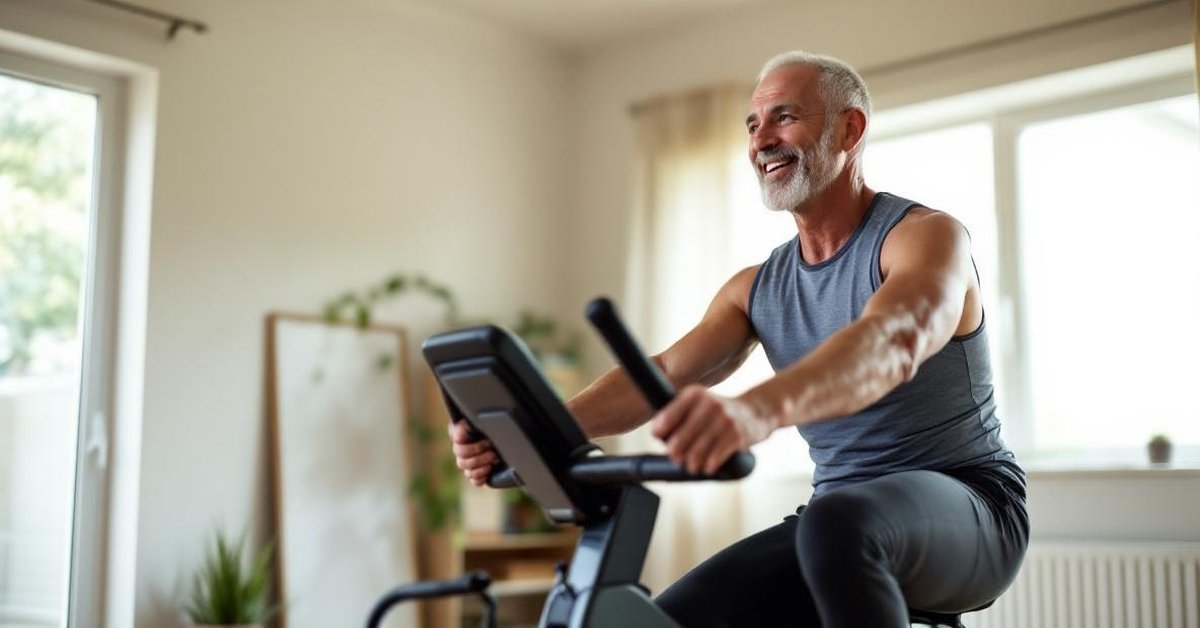
Regular physical activity becomes increasingly vital for men over 40 to counteract age-related declines in cardiovascular health, muscle mass, and joint flexibility. Exercise bikes offer a low-impact, accessible solution that supports heart health, enhances mobility, and helps maintain a healthy weight. According to the Centers for Disease Control and Prevention (CDC), adults should aim for at least 150 minutes of moderate-intensity aerobic activity weekly to reduce chronic disease risks. Cycling on a stationary bike can fulfill this requirement while accommodating varying fitness levels and physical limitations.
Improving Cardiovascular Health
Sustained aerobic exercise strengthens the heart muscle, improves circulation, and may help regulate blood pressure and cholesterol levels. A 2021 study published in the *Journal of the American Heart Association* found that regular cycling correlated with a 20% lower risk of cardiovascular disease in middle-aged adults. Exercise bikes allow users to track heart rate zones and adjust intensity, promoting safe, effective workouts tailored to individual capacity.
Enhancing Joint Mobility
Low-impact cycling gently lubricates knee and hip joints without excessive stress, making it ideal for men experiencing early signs of arthritis or stiffness. The controlled movement range reduces wear and tear compared to high-impact activities like running. Physical therapists often recommend recumbent bikes specifically, as the seated posture with back support minimizes strain on lumbar discs and knee tendons.
Maintaining Healthy Weight
Metabolic rates typically decline by 5% per decade after age 30, increasing obesity risks. A 2019 Harvard T.H. Chan School of Public Health analysis revealed that 45 minutes of stationary cycling burns 400–600 calories per session, depending on resistance levels and body weight. Consistent use combined with dietary adjustments creates a calorie deficit crucial for weight management, which in turn reduces diabetes and heart disease risks.
Types of Exercise Bikes for Men’s Health
Selecting the appropriate bike type ensures comfort and maximizes adherence to exercise routines. Three primary categories cater to different needs and mobility requirements:
Upright Stationary Bikes
These bikes resemble traditional outdoor bicycles, requiring users to maintain an upright posture. They engage core muscles more than recumbent models and are space-efficient. However, they may strain lower backs or knees for those with limited flexibility or joint issues. Best suited for individuals with no existing musculoskeletal complaints.
Recumbent Bikes
Featuring a reclined seating position with full backrest and wider seat, recumbent bikes distribute weight evenly to reduce pressure points. This design benefits those with knee osteoarthritis, sciatica, or balance concerns. A 2020 clinical review in *Arthritis Care & Research* noted that recumbent cycling improved knee flexion strength by 15% in patients over 50 after 12 weeks.
Smart Bikes with Fitness Integration
Equipped with interactive screens, virtual coaching, and app connectivity, smart bikes enhance motivation through gamified workouts. Metrics like cadence, power output, and calories burned sync with platforms like Apple Health or Strava. While pricier, these models appeal to tech-savvy users seeking structured programs and community challenges. Consider models with resistance ranges from 5% to 20% body weight for progressive conditioning.
Key Features to Consider When Buying

When choosing an exercise bike, prioritize features that align with your health goals and physical comfort:
Adjustable Resistance Levels
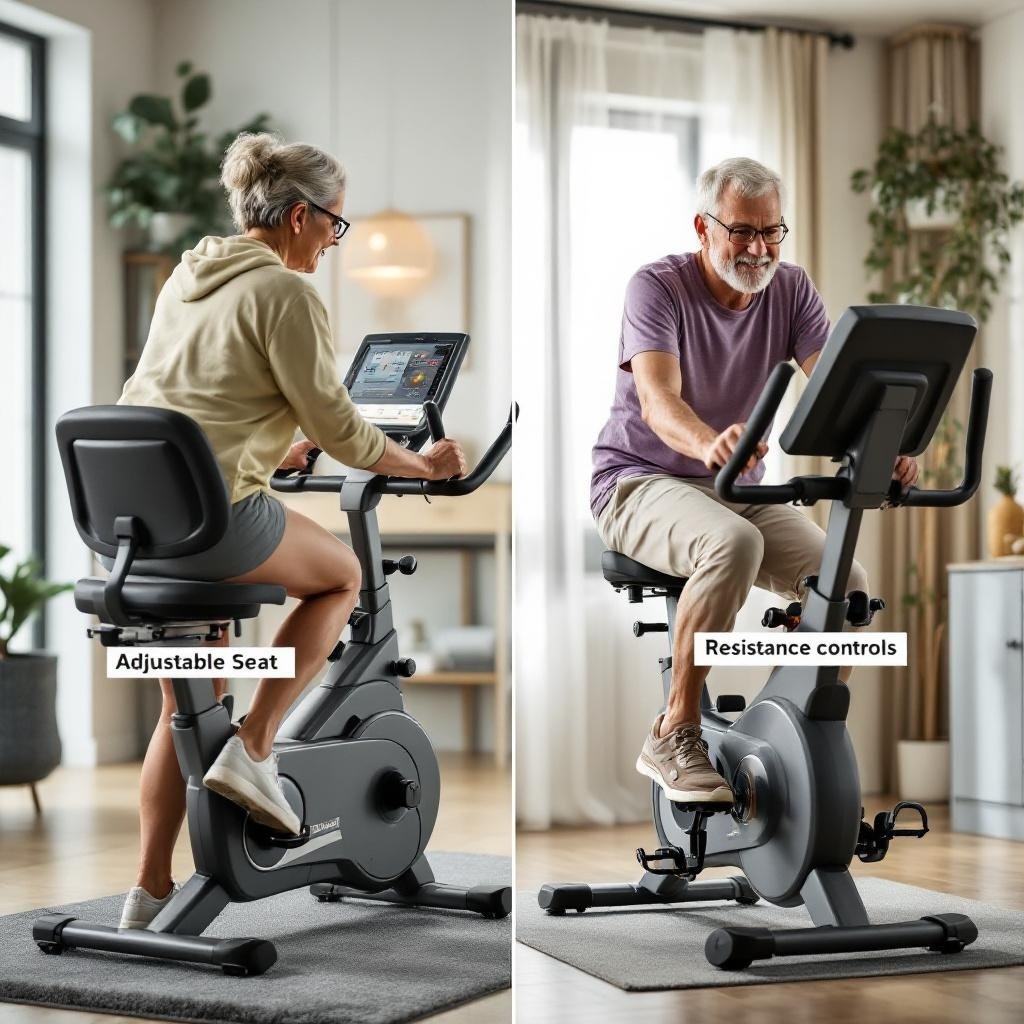
Adjustable tension settings—from light resistance for rehabilitation to high-intensity intervals—allow customization as fitness improves. Look for magnetic resistance systems that provide smoother adjustments than friction-based models. A 2023 Consumer Reports study highlighted that bikes with at least 16 resistance levels accommodated 85% of users’ long-term progression needs.
Ergonomic Design
Adjustable seats, handlebars, and frame geometry prevent discomfort. Measure the inseam-to-standover height ratio for ideal fit: 2–3 inches of clearance for upright bikes, more for recumbent models. Memory foam seats and breathable padding reduce numbness during longer rides.
Connectivity with Fitness Apps
Bluetooth-enabled bikes sync with heart rate monitors and apps like Peloton or Zwift. Data tracking fosters accountability; some insurance plans even offer premium discounts for consistent workout logs. Test compatibility with existing devices before purchasing.
Maximizing Health Benefits: Tips for Over 40
To reduce injury risks and enhance results, follow these expert-endorsed strategies:
Consulting Healthcare Professionals
Before starting any exercise program, discuss goals and limitations with a physician, especially if managing hypertension, diabetes, or prior injuries. A stress test may be advisable for sedentary individuals over 45 to establish safe intensity thresholds.
Gradually Increasing Intensity
Begin with 15–20 minute sessions at 50–60% of maximum heart rate (calculated as 220 minus age), then incrementally add 5 minutes weekly. Use perceived exertion scales (Borg Scale) to gauge effort: 12–14 (“somewhat hard”) is optimal for moderate-intensity training.
Combining with Strength Training
The National Institutes of Health (NIH) recommends integrating muscle-strengthening activities two or more days weekly. Pair 30 minutes of cycling with bodyweight exercises like planks or resistance bands to preserve lean mass, which protects joint health and boosts metabolism.
Top Exercise Bike Recommendations
Focus on models that balance functionality, durability, and value relative to budget:
Budget-Friendly Options
Entry-level bikes under $500 with magnetic resistance and basic LCD monitors suit casual users. Check for steel frames over aluminum for stability during high-resistance intervals. Brands often offer warranties covering motor and frame for 5+ years.
High-End Smart Bike Picks
Invest in models with immersive training programs and biometric sensors if long-term engagement is a priority. Look for 20+ resistance levels, quiet flywheels, and subscription-free app access to avoid recurring fees. Some premium models include physical therapy-guided recovery rides.
FAQ Section
Q: Are exercise bikes good for men over 40 with knee issues? A: Yes, recumbent bikes provide low-impact workouts that may help reduce knee strain while improving mobility.
Q: How often should men over 40 use an exercise bike? A: Aim for 3-5 sessions weekly, each lasting 20-45 minutes, depending on fitness goals and health status.
Q: Can exercise bikes help with heart health? A: Research suggests regular cycling may improve cardiovascular fitness and support healthy blood pressure levels.
Q: What’s the best bike type for beginners over 40? A: Recumbent bikes are often recommended for comfort and stability, especially for those new to exercise.
Key Takeaways
– Choose bikes with adjustable resistance for personalized workouts.
– Prioritize ergonomic design to reduce joint strain.
– Consult a doctor before starting any new fitness routine.
– Combine biking with a balanced nutrition plan for optimal health.
Frequently Asked Questions
Are exercise bikes good for men over 40 with knee issues?
Yes, recumbent bikes provide low-impact workouts that may help reduce knee strain while improving mobility.
How often should men over 40 use an exercise bike?
Aim for 3-5 sessions weekly, each lasting 20-45 minutes, depending on fitness goals and health status.
Can exercise bikes help with heart health?
Research suggests regular cycling may improve cardiovascular fitness and support healthy blood pressure levels.
What’s the best bike type for beginners over 40?
Recumbent bikes are often recommended for comfort and stability, especially for those new to exercise.
Disclaimer: This article is for informational purposes only and does not constitute medical advice. Always consult a qualified healthcare provider before making changes to your health regimen.