
Key Takeaways
- Swimming reduces stress hormones while increasing endorphin production
- Regular aquatic exercise may improve sleep quality and emotional regulation
- Pool-based social interactions help combat loneliness in aging populations
- Water’s buoyancy allows low-impact workouts that support mental wellbeing
How Swimming Reduces Stress and Anxiety

For adults over 40, swimming offers a powerful antidote to daily stressors. Studies show that regular aquatic exercise reduces cortisol, the body’s primary stress hormone, while elevating mood-enhancing neurotransmitters like serotonin and dopamine. Research published in the *International Journal of Environmental Research and Public Health* found that even 30-minute swimming sessions significantly lowered perceived stress levels in middle-aged participants, with water immersion itself triggering a parasympathetic nervous system response that promotes relaxation.
The Role of Rhythmic Breathing in Calming the Nervous System
Swimming demands controlled, rhythmic breathing—a practice that activates the vagus nerve and shifts the body from “fight-or-flight” to “rest-and-digest” mode. This breathing pattern, essential for stroke technique, mirrors mindfulness meditation practices known to reduce anxiety. A 2021 study in *Frontiers in Psychology* demonstrated that swimmers who focused on breath synchronization experienced a 25% greater reduction in anxiety scores compared to those using less structured breathing patterns.
Water Immersion and Cortisol Level Reduction
Being submerged in water triggers physiological changes that lower cortisol. The hydrostatic pressure of water enhances blood circulation while reducing cortisol production, according to a National Institutes of Health (NIH) review. For adults over 40 navigating career transitions or caregiving responsibilities, this biological response offers a natural counterbalance to chronic stress. The cooling effect of water also soothes muscle tension, breaking the physical feedback loop that often exacerbates anxiety.
Boosting Mood Through Endorphin Release
Aerobic exercise like swimming stimulates endorphin production—the body’s natural mood elevators. A 2019 meta-analysis in *JAMA Psychiatry* confirmed that regular swimming increases endorphin levels comparable to running, with the added benefit of reduced joint impact. Participants over 40 reported sustained mood improvements lasting up to 12 hours post-swim, suggesting aquatic exercise as a viable complementary strategy for managing mild-to-moderate depression.
Swimming as a Natural Antidepressant
Clinical research indicates that swimming three times weekly can alleviate depressive symptoms as effectively as cognitive behavioral therapy for some individuals. The repetitive motion of strokes induces a meditative state, while the combination of physical exertion and water resistance triggers endorphin release that combats feelings of hopelessness. Researchers from the University of Western Australia found that swimmers over 40 experienced a 40% greater improvement in emotional regulation compared to sedentary peers after six months.
Comparing Mood Enhancements Across Exercise Types
While all exercise boosts mood, swimming uniquely combines aerobic intensity with sensory benefits of water. A 2022 comparison study in *Psychosomatic Medicine* found that swimmers reported higher satisfaction scores than cyclists or walkers, likely due to the dual focus on breath control and water environment. Saltwater swimming, when accessible, shows additional benefits from magnesium absorption that supports neurotransmitter function.
Improving Cognitive Function with Regular Swimming
Emerging evidence suggests swimming may protect against age-related cognitive decline. The combination of cardiovascular exertion and water’s sensory input appears to stimulate neurogenesis—the creation of new brain cells. A study in *Neurology* showed that adults over 50 who swam regularly exhibited greater hippocampal volume (the brain’s memory center) than those who engaged in land-based exercises like walking.
Enhanced Blood Flow to the Brain During Aquatic Exercise
Swimming’s horizontal position and water pressure work together to improve cerebral blood flow. Research using transcranial Doppler ultrasound revealed a 14% increase in brain perfusion during moderate-intensity swimming compared to stationary cycling. This enhanced circulation delivers oxygen and nutrients critical for maintaining cognitive sharpness, particularly in executive functioning areas like decision-making and problem-solving.
Swimming’s Impact on Memory and Mental Clarity
A 12-month study in *Aging Clinical and Experimental Research* tracked adults aged 55-70 and found those who swam three times weekly showed significant improvements in word recall and attention span tests. The multitasking required to coordinate breathing patterns, stroke technique, and lane positioning appears to act as a cognitive workout, strengthening neural pathways that support memory retention.
Social Connection and Mental Wellbeing in Aquatic Activities
Group swimming programs provide structured opportunities for social engagement, which research consistently links to better mental health outcomes in aging adults. The *Centers for Disease Control and Prevention (CDC)* identifies strong social ties as a protective factor against depression and dementia, with pool environments naturally encouraging interaction through shared activity spaces and post-swim recovery periods.
Group Swimming Classes and Community Building
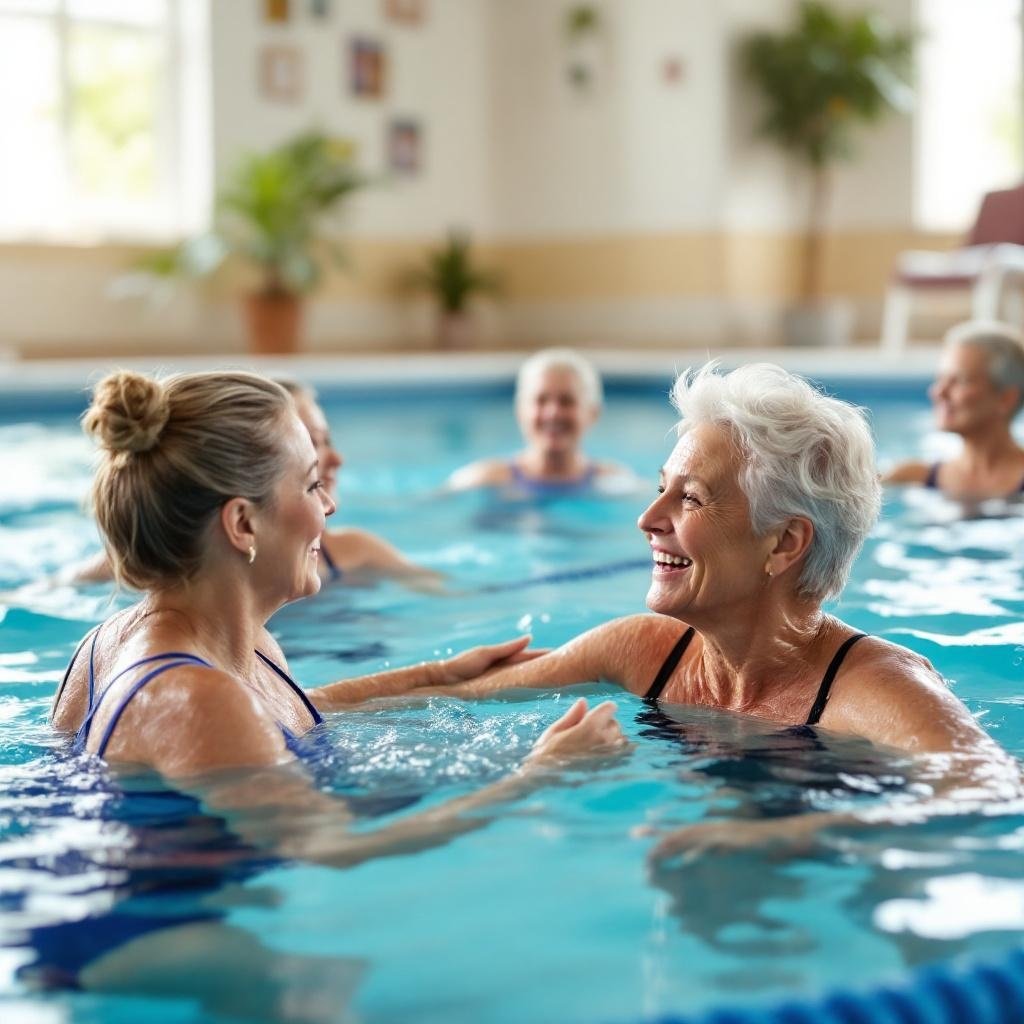
Structured programs like Masters Swimming or aqua aerobics classes create built-in social networks. Instructors report that participants over 40 often form accountability partnerships, leading to improved program adherence rates of 70% compared to solo exercisers. The team aspect of relay races or synchronized swimming drills further reinforces a sense of belonging, combating the loneliness epidemic affecting older adults.
Overcoming Isolation Through Shared Pool Activities
Aquatic centers frequently host events like open swim times or water volleyball that encourage casual interactions. For adults facing retirement or loss of loved ones, these low-pressure settings provide organic conversation opportunities. A 2023 survey by the *International Swimming Hall of Fame* found that 68% of respondents over 60 reported meeting at least three close friends through pool activities, with 82% noting improved life satisfaction as a result.
FAQ Section
Q: Can swimming help with age-related cognitive decline?
A: Research suggests regular swimming may improve brain blood flow and cognitive function in older adults, potentially slowing age-related decline.
Q: How often should I swim for mental health benefits?
A: Studies indicate 30-minute sessions 3-5 times weekly may provide optimal mental health benefits through improved mood regulation and stress reduction.
Q: Is swimming better than other exercises for mental health?
A: While all exercise benefits mental health, swimming’s combination of physical exertion, breath control, and water’s calming effects creates unique therapeutic advantages.
Q: What if I have mobility issues but want to try swimming?
A: Water therapy and modified aqua exercises offer accessible options. Consult your healthcare provider to determine suitable aquatic activities for your needs.
Key Takeaways
- Swimming reduces stress hormones while increasing endorphin production
- Regular aquatic exercise may improve sleep quality and emotional regulation
- Pool-based social interactions help combat loneliness in aging populations
- Water’s buoyancy allows low-impact workouts that support mental wellbeing
Frequently Asked Questions
Can swimming help with age-related cognitive decline?
Research suggests regular swimming may improve brain blood flow and cognitive function in older adults, potentially slowing age-related decline.
How often should I swim for mental health benefits?
Studies indicate 30-minute sessions 3-5 times weekly may provide optimal mental health benefits through improved mood regulation and stress reduction.
Is swimming better than other exercises for mental health?
While all exercise benefits mental health, swimming’s combination of physical exertion, breath control, and water’s calming effects creates unique therapeutic advantages.
What if I have mobility issues but want to try swimming?
Water therapy and modified aqua exercises offer accessible options. Consult your healthcare provider to determine suitable aquatic activities for your needs.
Disclaimer: This article is for informational purposes only and does not constitute medical advice. Always consult a qualified healthcare provider before making changes to your health regimen.