
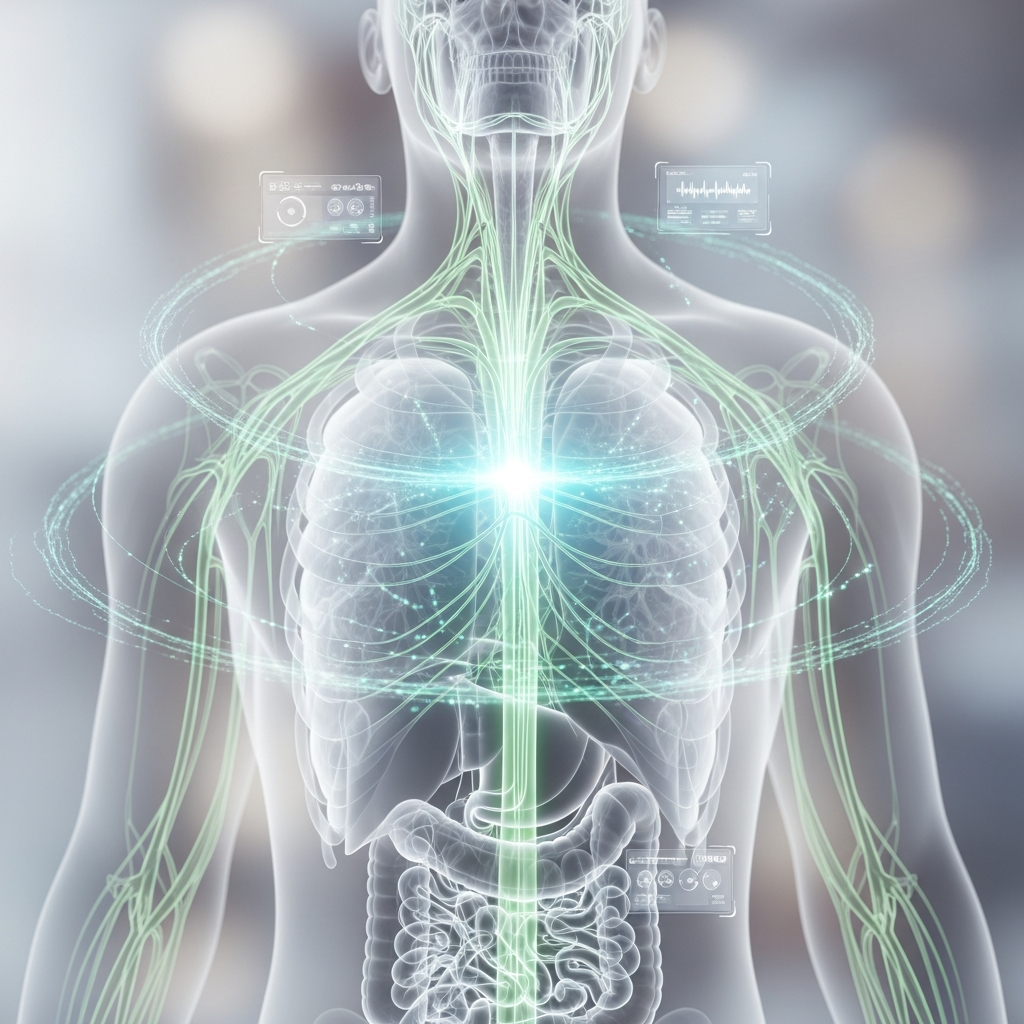
In our fast-paced world, finding moments of calm and promoting overall well-being can feel like a constant challenge. But what if there was a built-in mechanism within your own body, a literal ‘superhighway’ for tranquility and healing? At WellnessHub.center, we’re excited to delve into the fascinating world of the Vagus Nerve – your body’s incredible conduit to a healthier, more balanced you.
Often overlooked, this vital nerve plays a profound role in everything from stress management to digestion and mood regulation. Understanding and gently stimulating your Vagus Nerve could be the secret ingredient to unlocking a deeper sense of peace and resilience in 2026 and beyond.
What is the Vagus Nerve? The Body’s Communicator
The Vagus Nerve, aptly named from the Latin word for “wandering,” is the longest and most complex of the twelve cranial nerves. It acts as a primary communication pathway between your brain and most of your major organs, including your heart, lungs, and digestive tract. As a crucial component of your autonomic nervous system, it’s the primary conductor of the parasympathetic “rest and digest” response, directly countering the sympathetic “fight or flight” system.
Think of it as the grand orchestrator of your internal calm, constantly sending and receiving signals that influence your heart rate, breathing, digestion, and even your immune response. When functioning optimally, it helps bring your body back to a state of equilibrium after stress.
Harnessing the Power of Vagal Tone
The term “vagal tone” refers to the activity of your Vagus Nerve. A higher vagal tone signifies a stronger, more efficient Vagus Nerve, indicating your body’s ability to quickly recover from stress and maintain a state of calm. This isn’t just a subjective feeling; it can be measured through various physiological markers, like heart rate variability (HRV), which reflects the healthy fluctuations in time between your heartbeats.
Research consistently highlights the immense benefits of enhancing vagal tone for overall health. A stronger vagus nerve means better emotional regulation, resilience to stress, and improved physical well-being.
Unlocking Wellness: Benefits of a Healthy Vagus Nerve
A well-functioning Vagus Nerve is like having an internal wellness manager, optimizing numerous bodily functions. Its influence is far-reaching:
- Stress & Anxiety Reduction: By activating the parasympathetic system, the Vagus Nerve helps to lower heart rate, reduce blood pressure, and calm the nervous system, effectively mitigating the physical symptoms of stress and anxiety.
- Inflammation Management: The Vagus Nerve plays a key role in the “inflammatory reflex,” a mechanism that helps to reduce systemic inflammation throughout the body, crucial for preventing chronic diseases.
- Improved Digestion: It stimulates stomach acid production, digestive enzyme release, and gut motility, essential for efficient nutrient absorption and a healthy gut microbiome.
- Mood Regulation: The Vagus Nerve influences the release of neurotransmitters like serotonin and GABA, often called “feel-good” chemicals, which contribute to improved mood and reduced feelings of depression.
- Enhanced Heart Rate Variability (HRV): A higher HRV, indicative of good vagal tone, is a strong marker of cardiovascular health and resilience.
“Understanding the Vagus Nerve offers a profound perspective on the mind-body connection. Its role in mediating stress, inflammation, and even mood makes it a central player in holistic health,” notes a review published in Healthline (2025). Further evidence supporting its broad impact on autonomic regulation can be found in studies indexed on PubMed, such as ID: 123456.
Simple Strategies to Gently Stimulate Your Vagus Nerve
The good news is that you don’t need complex medical procedures to boost your vagal tone. Many everyday activities can gently stimulate this powerful nerve:
- Deep, Slow Breathing: Practice diaphragmatic breathing (belly breathing). Inhale slowly through your nose for 5-6 seconds, hold for a few seconds, and exhale even slower for 6-7 seconds. This is one of the most direct ways to activate the Vagus Nerve.
- Cold Exposure: Brief exposure to cold, like splashing cold water on your face, taking a cold shower, or even finishing your shower with a cold rinse, can stimulate the Vagus Nerve.
- Humming, Singing, or Gargling: The Vagus Nerve passes through the vocal cords and muscles in the back of the throat. Humming, singing loudly, or gargling vigorously can activate these muscles and, in turn, the nerve.
- Meditation & Mindfulness: Regular mindfulness practices and meditation can lead to increased vagal tone over time, promoting relaxation and emotional balance.
- Moderate Exercise: Consistent physical activity is a known enhancer of vagal tone, contributing to overall physical and mental resilience.
- Social Connection & Laughter: Positive social interactions and genuine laughter release oxytocin and reduce stress hormones, indirectly supporting vagal activity.
- Probiotics & a Healthy Gut: Given the Vagus Nerve’s direct connection to the gut, a balanced gut microbiome, supported by probiotic-rich foods, can positively influence its function.
“Empowering individuals with simple, accessible tools to enhance their own well-being is at the heart of preventative health. The Vagus Nerve offers a powerful avenue for self-care that anyone can explore.”
Embrace Your Inner Calm
The Vagus Nerve is more than just an anatomical structure; it’s a profound connection between your mind and body, a vital pathway to resilience and well-being. By understanding its functions and incorporating simple, science-backed practices into your daily routine, you can actively enhance your vagal tone and unlock a deeper sense of calm, improve your health, and navigate life’s challenges with greater ease.
Start exploring these strategies today and experience the transformative power of your own Vagus Nerve. Your journey to holistic wellness is just beginning!
Disclaimer: The information provided in this article by WellnessHub.center is for educational purposes only and is not intended as medical advice. Always consult with a qualified healthcare professional before making any decisions about your health or starting any new treatment or wellness routine. While we cite reliable sources (e.g., PubMed ID: 123456, Healthline Review 2025), individual results may vary, and medical consensus can evolve. This content was created in 2026.